

Canterbury
Canterbury is a large region on New Zealand’s South Island, stretching from the Pacific coast across the broad Canterbury Plains to the Southern Alps. Its landscape changes from farmland and vineyards to high mountains, glacial lakes, braided rivers, and rugged coastline. Christchurch, the region’s main city, provides a cultural and urban centre with the Botanic Gardens, Avon River, museums, galleries, and distinctive post-earthquake architecture.
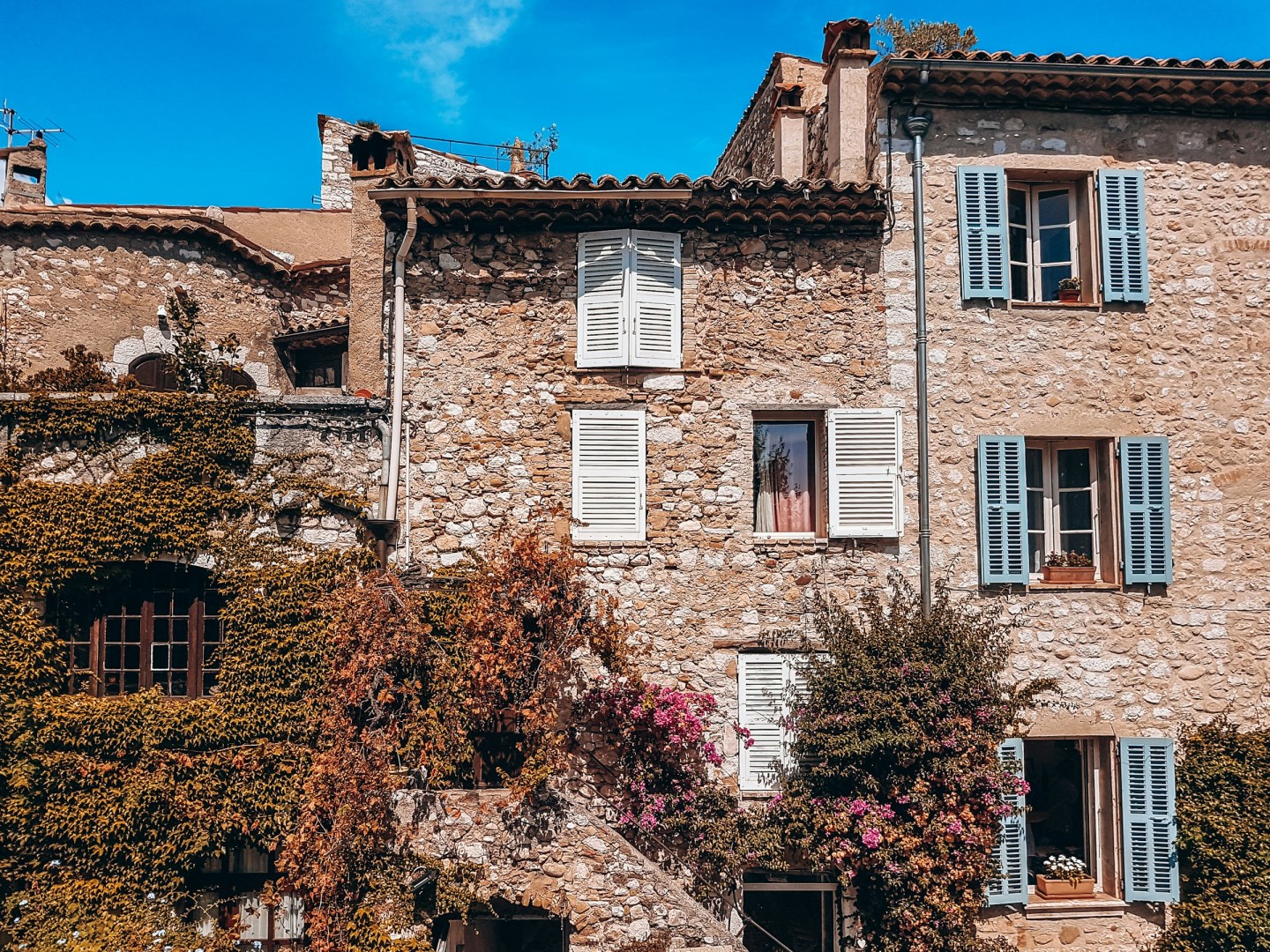
Saint Paul De Vence
The quaint village of St. Paul De Vence is situated on top of a hill overlooking the beautiful countryside. This medieval, walled town offers historic buildings, hidden alleyways, museums and many specialty shops.
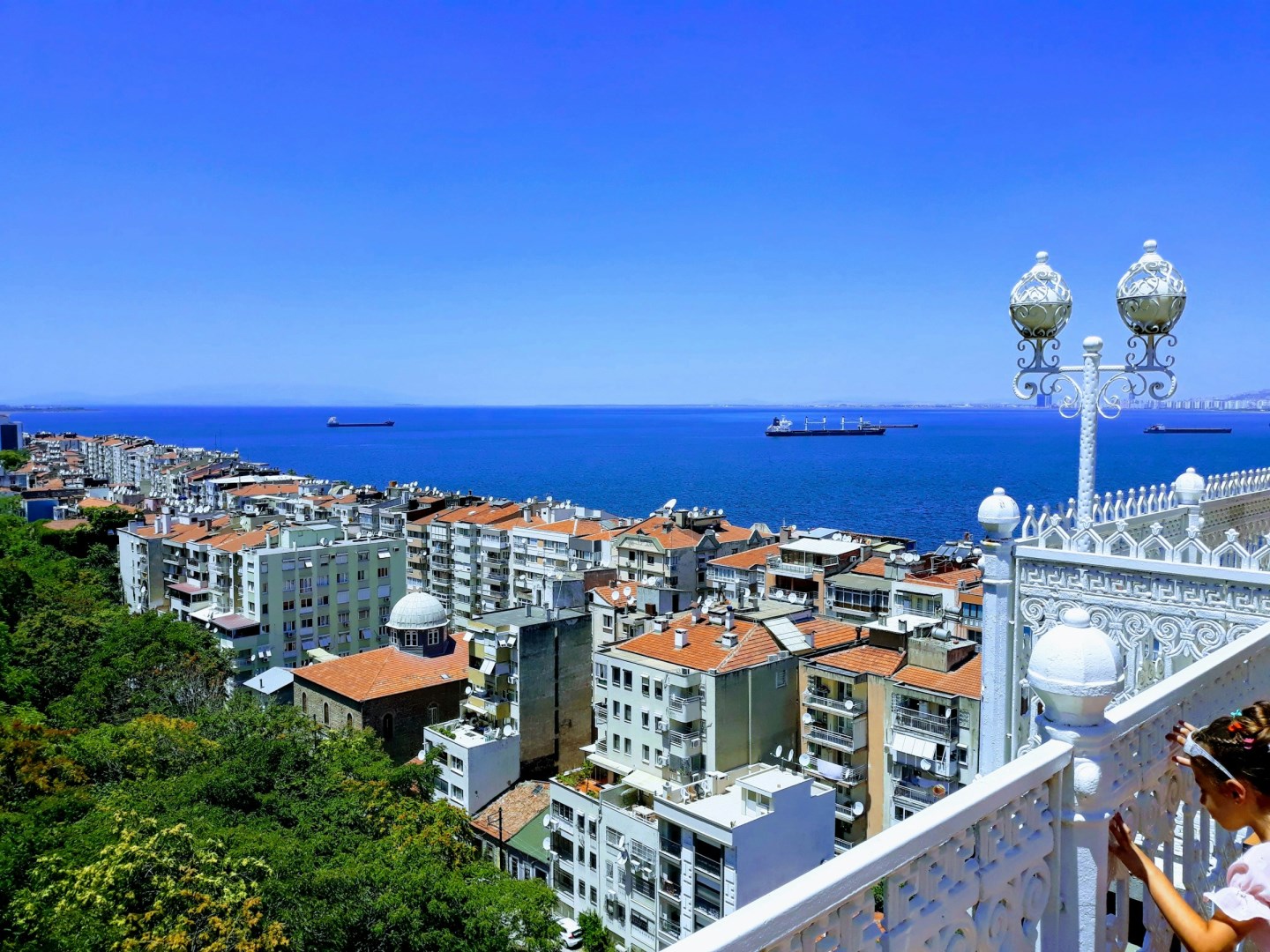
Izmir
The third largest city in Turkey, a cosmopolitan and lively city all year round, during the International Arts Festival (June/July) and the international Fair (August/September), Izmir bursts with an added vibrancy.
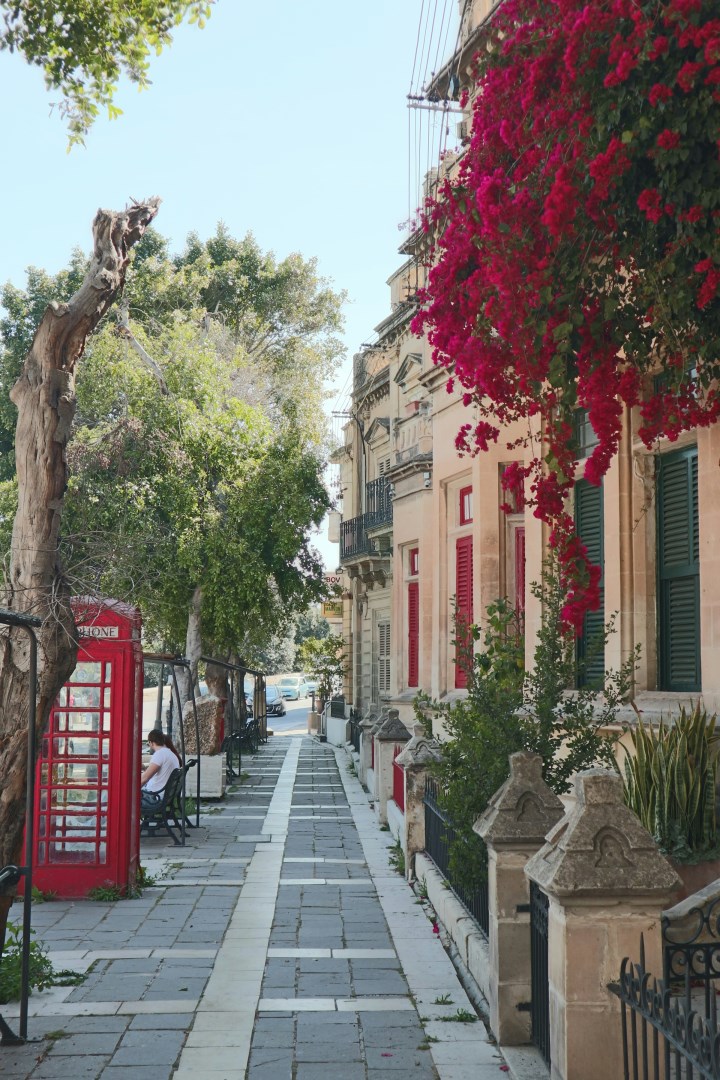
Rabat
Rabat is a historic town in central Malta, adjoining the fortified city of Mdina and extending across a landscape shaped by limestone, fields, and ancient settlements. Its name means “suburb,” reflecting its position outside the walls of the former capital. The town has a distinctly local character, with narrow streets, traditional limestone buildings, small squares, and churches interspersed with archaeological sites.
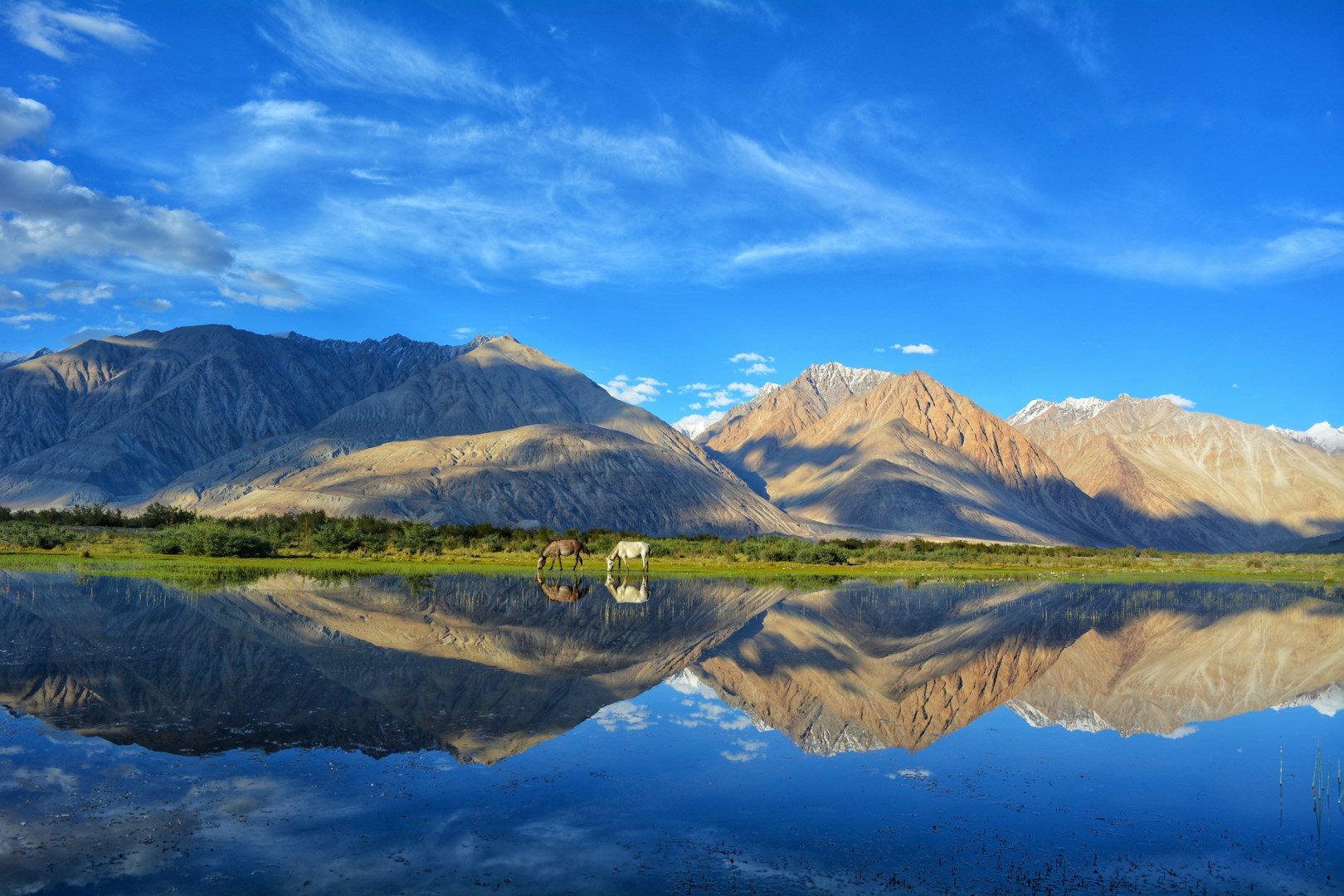
Leh
Leh is the principal town of Ladakh, set in a high mountain valley surrounded by the Ladakh Range and shaped by the Indus River system. At an elevation of roughly 3,500 metres, it is known for its dry climate, rugged mountains, clear skies, and compact old town of whitewashed buildings. Leh also serves as a major base for journeys into Nubra Valley, Pangong Lake, and other parts of Ladakh. Its location between major Himalayan ranges has long influenced settlement, trade, agriculture, and the dis
