

Puerto Madryn
Puerto Madryn is a seaside city on the eastern coast of Argentina. Facing Golfo Nuevo and the South Atlantic Ocean, this coastal destination is popular for its beaches, marine life, nature preserves, and Patagonian museums.
Dunedin
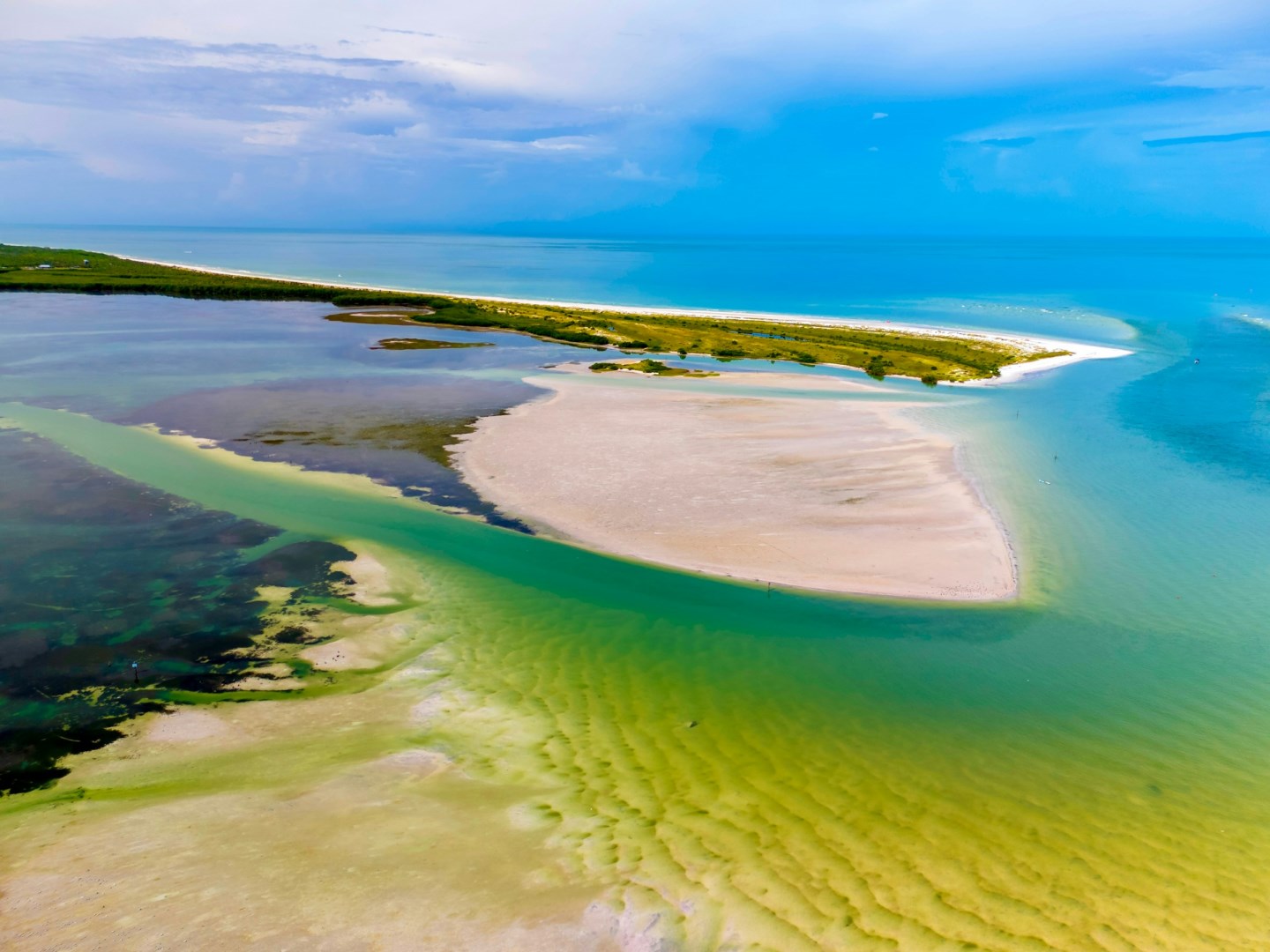
Dunedin is a coastal city on Florida’s Gulf Coast in Pinellas County, positioned along St. Joseph Sound and surrounded by barrier islands, beaches, and waterways. Its compact downtown is known for independent shops, restaurants, breweries, galleries, and a walkable main street, while the Pinellas Trail provides a popular route for cycling and walking through the community.
Black Forest
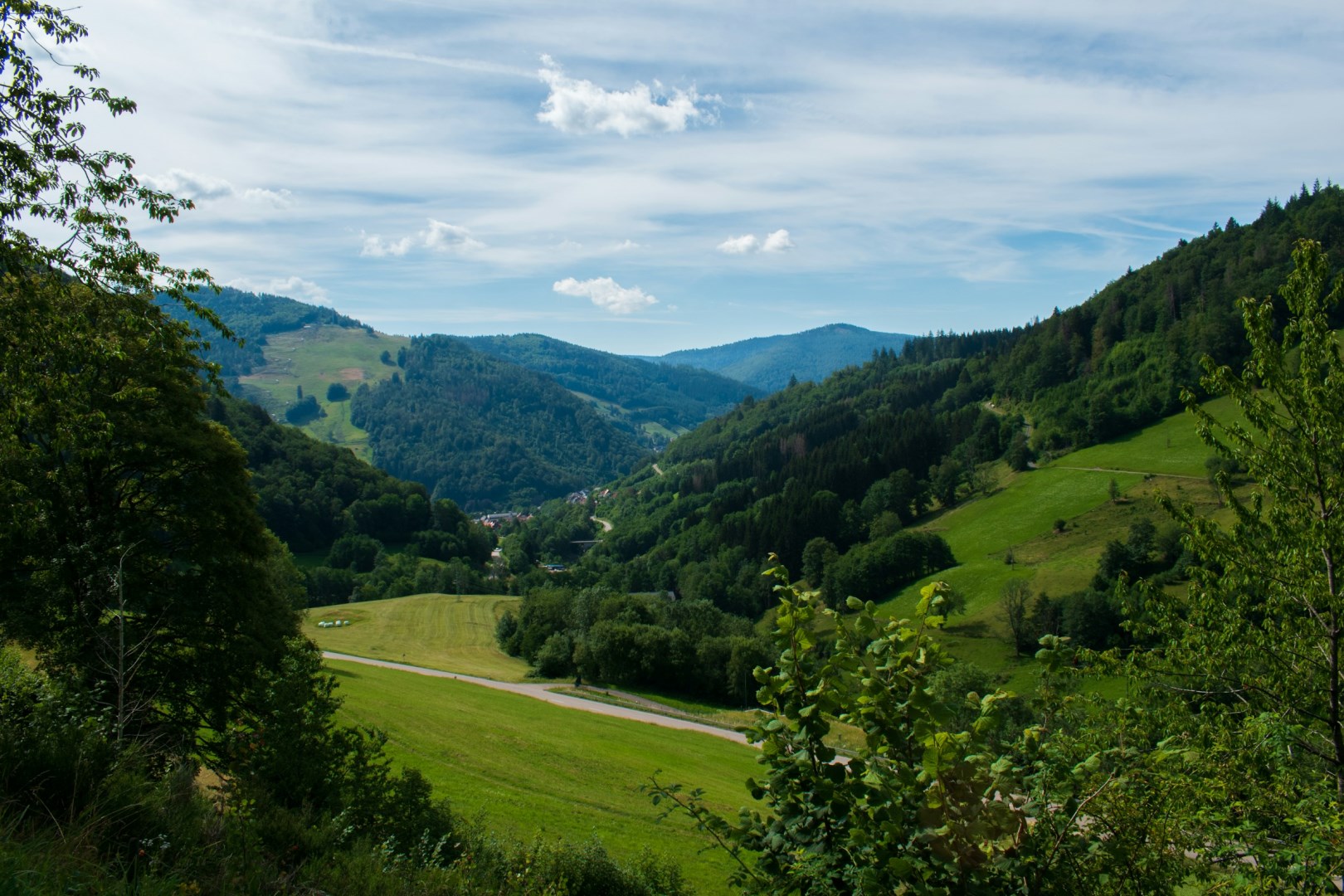
The Black Forest is a mountainous region of southwest Germany between the Rhine and Neckar rivers, near Baden and Wurtemburg. A part of the ancient Hercynian forest, it is a year-round resort area that is famous for its clock and toy industries.

Lithuania
Lithuania offers visitors a chance to explore a country where medieval traditions and modern culture meet. Vilnius, the capital, is known for its well-preserved Old Town, a UNESCO World Heritage site filled with winding streets, baroque churches, and cozy squares. Visitors can climb the hill to Gediminas’ Tower for a sweeping view of the city, or visit the Gates of Dawn, an important religious and historical monument that has welcomed travelers for centuries.

Monteverde
Monteverde, located in the Tilarán Mountains of northwestern Costa Rica, is known for its cloud forests, winding trails, and biodiversity that has drawn researchers and travelers for decades. The area was settled in the 1950s by Quakers from the United States who were looking for a peaceful place to raise dairy cattle. They also played a major role in preserving the local ecosystem, helping to establish the Monteverde Cloud Forest Reserve in 1972.
