

Albania
Albania offers travelers a surprising and diverse experience shaped by centuries of influence. Visitors can explore the ancient city of Butrint, a UNESCO World Heritage Site with Greek, Roman, Byzantine, and Venetian ruins set against a lagoon. In Berat and Gjirokastër stone houses stack along steep hillsides, giving visitors the sense of walking through a living museum. These towns offer an authentic window into daily Albanian life.
Aurangabad
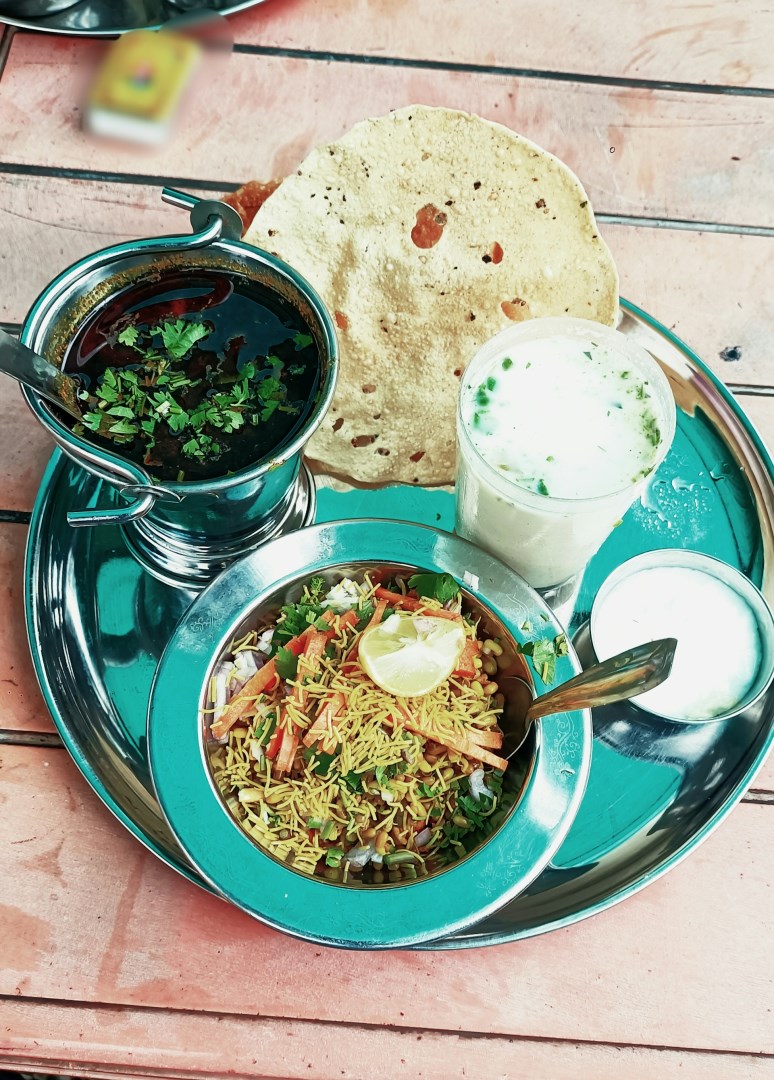
Aurangabad, now officially known as Chhatrapati Sambhajinagar, is a historic city in Maharashtra’s Deccan region, surrounded by dry hills, agricultural land, and the basalt landscapes of the Deccan Plateau. It is best known as a gateway to some of India’s most important rock-cut monuments, including the UNESCO-listed Ajanta and Ellora Caves. The city itself combines Mughal-era architecture, Buddhist cave sites, historic gateways, and traditional craft industries. I
Tokushima
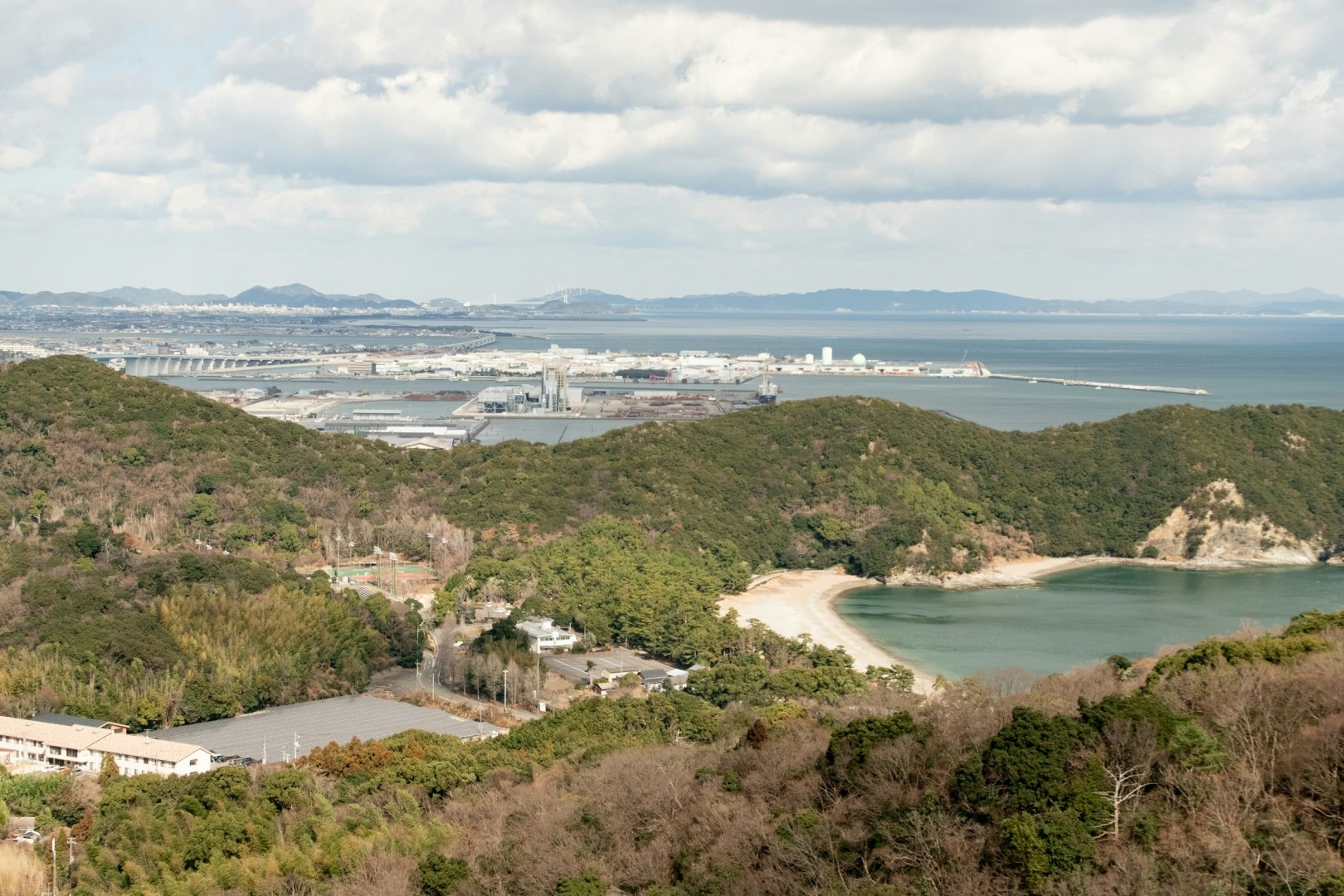
Tokushima is the capital of Tokushima Prefecture on the eastern side of Shikoku, where several rivers meet the sea and mountains rise beyond the urban area. The city is closely identified with Awa Odori, a traditional dance that fills streets with performers and musicians during its annual festival. Tokushima also serves as a useful base for exploring the wider prefecture, including the Naruto Strait, the Iya Valley, and sections of the Shikoku pilgrimage.

Harstad
Harstad is a coastal town in northern Norway, located on Hinnøya, the country’s largest island, and overlooking the strategic waters of Vågsfjorden. Its history spans from Viking settlements to modern fishing and shipping, giving the town a blend of maritime heritage and regional importance.
Thar Desert
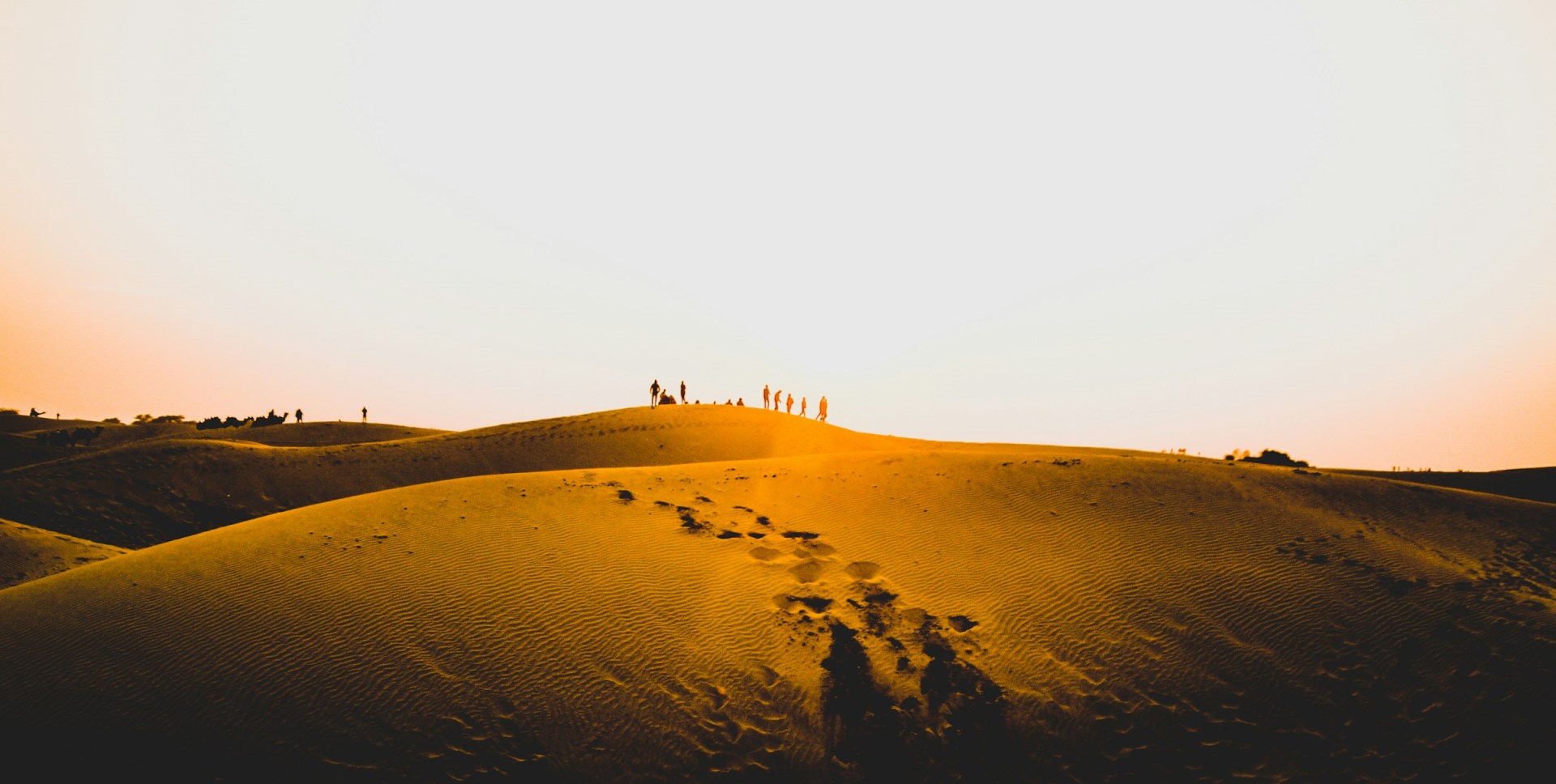
The Thar Desert stretches across northwestern India, with its largest Indian expanse lying in Rajasthan and extending toward the borders of Gujarat, Punjab, and Haryana. It is a dry landscape of sand dunes, gravel plains, rocky ground, thorn scrub, and scattered grasslands rather than an entirely sandy wilderness. Jaisalmer, Jodhpur, and Bikaner are among the best-known gateways to the desert, while smaller settlements reveal how people have adapted to scarce water and extreme temperatures. The
