
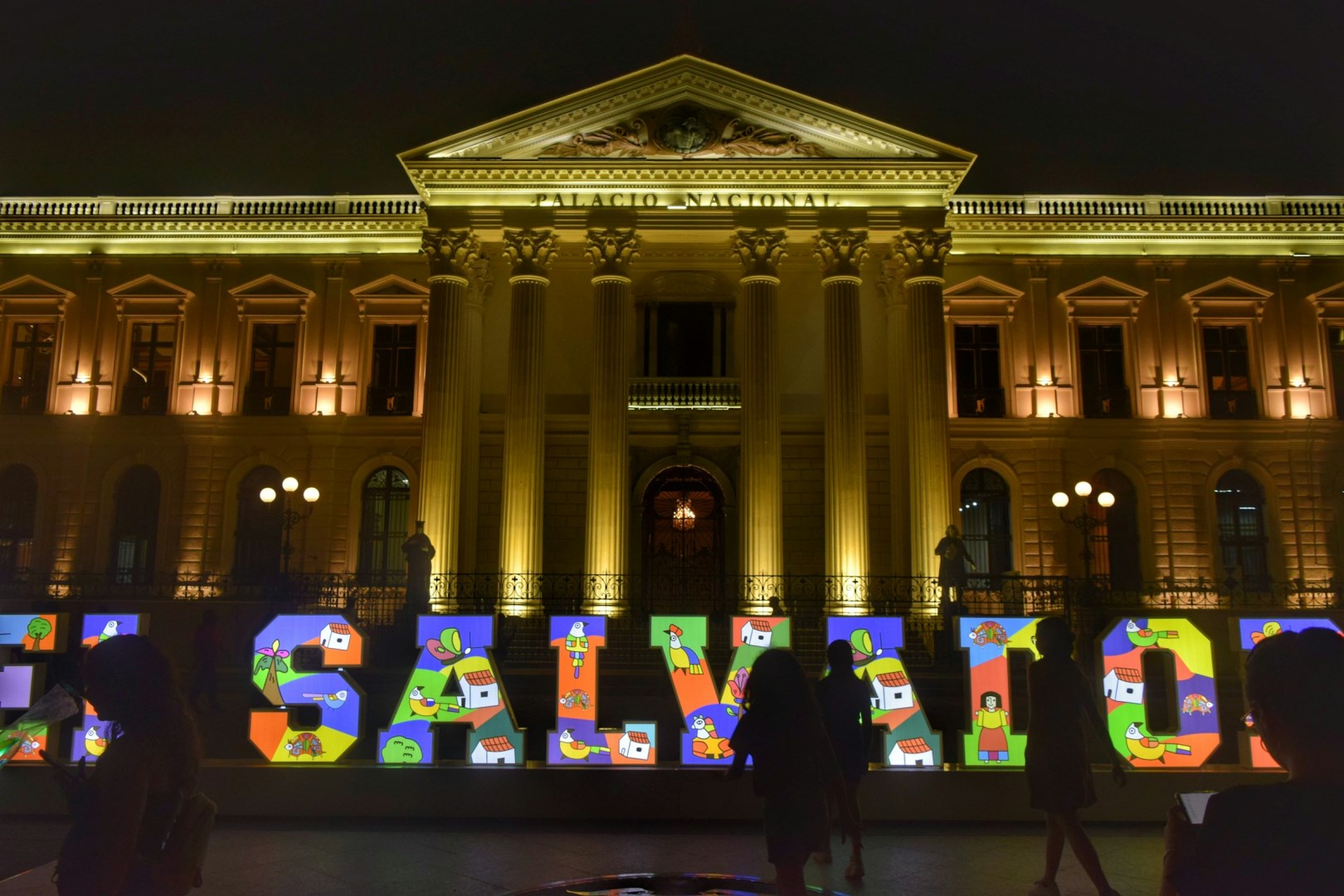
San Salvador
El Salvador's capital and largest city lies in a valley at the foot of the large San Salvador volcano. Shanty towns abound and the streets are lined with people selling everything.
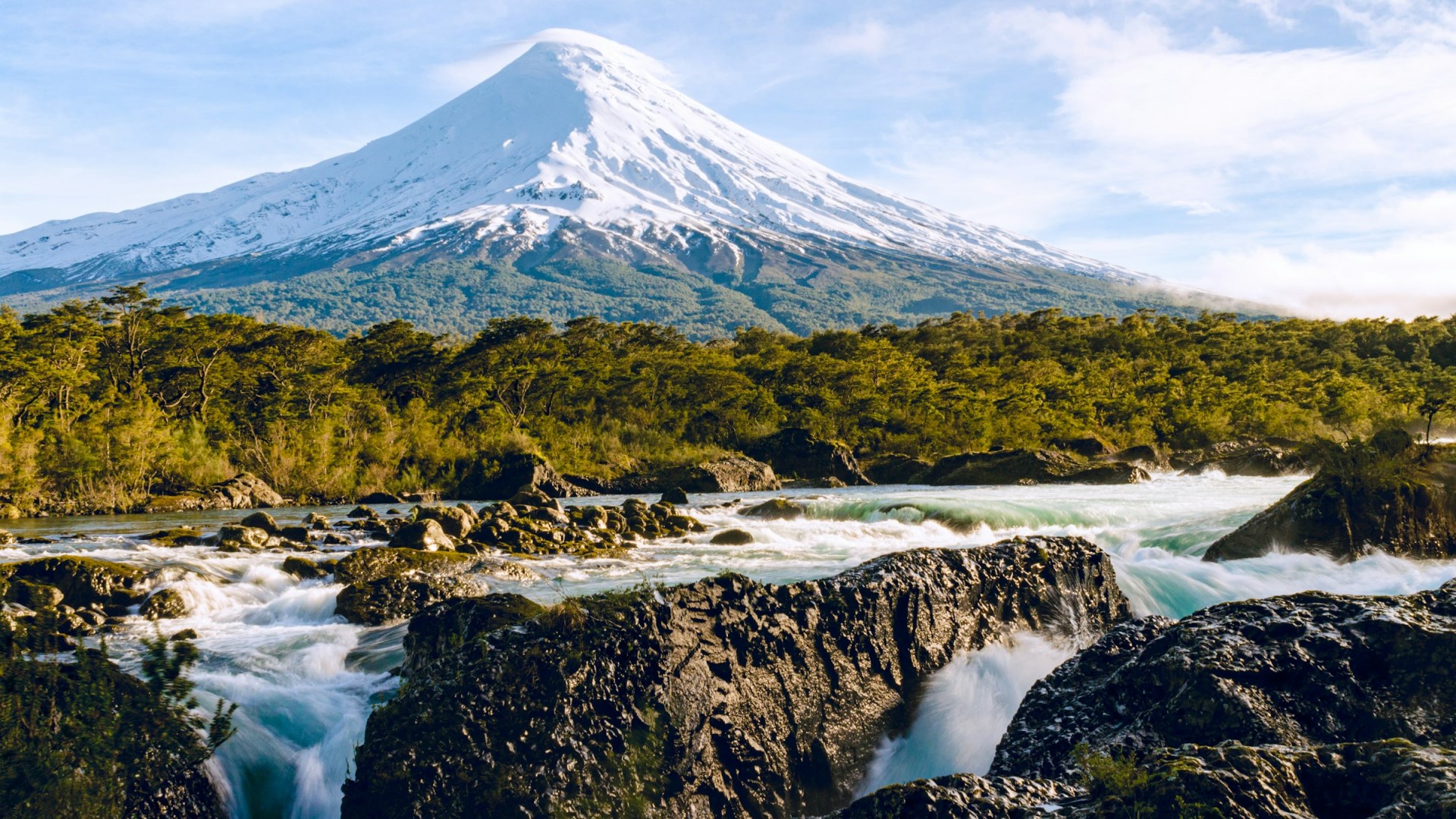
Puerto Varas
Puerto Varas is a lakeside city in Chile’s Los Lagos Region, set on the southern shore of Lake Llanquihue with views toward the volcanoes Osorno, Calbuco, Puntiagudo, and Tronador. The waterfront, with its promenade and gardens, forms the center of the city’s relationship with the lake, while wooded hills and agricultural land extend beyond the urban area.
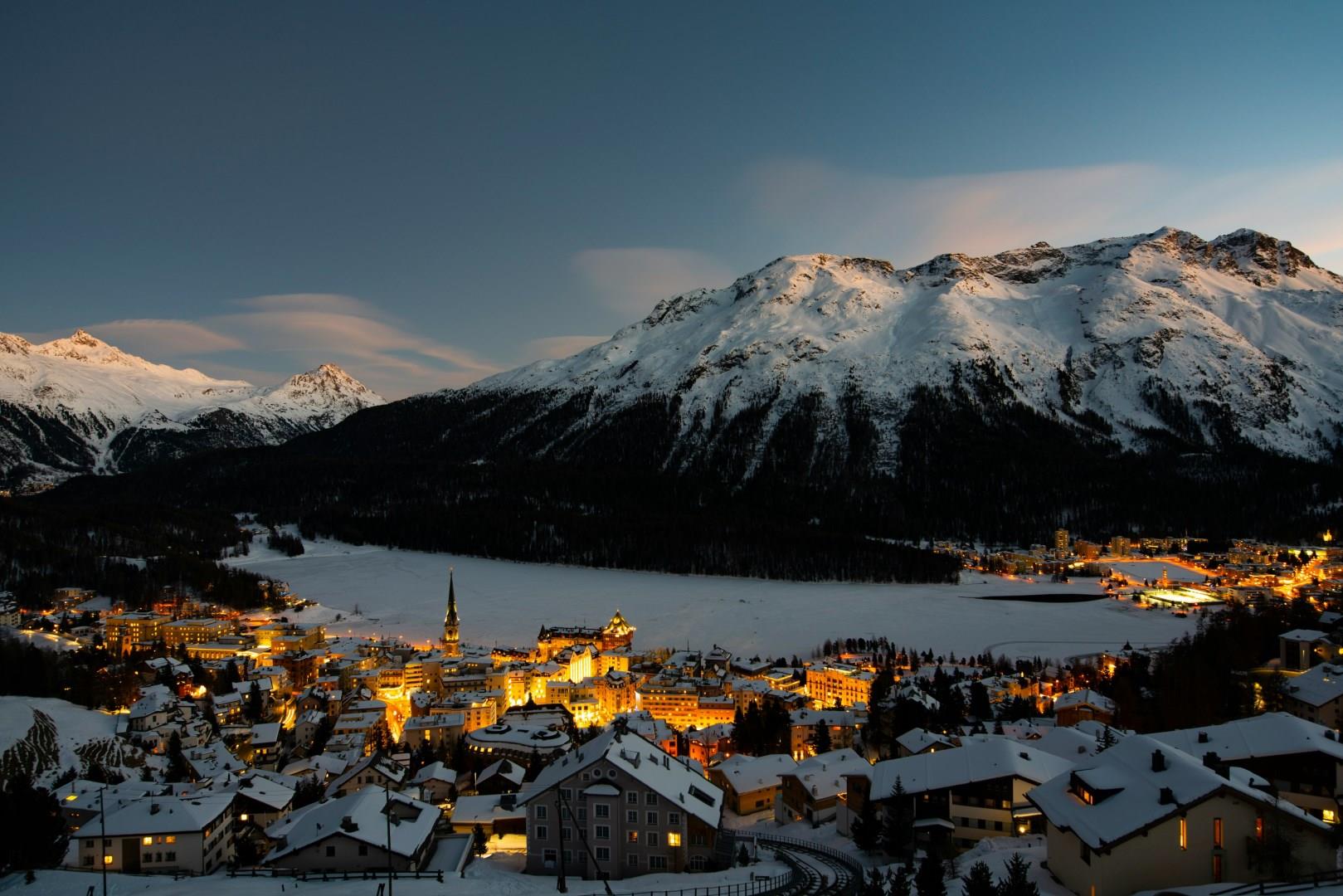
St. Moritz
St. Moritz, located in Switzerland’s Engadin Valley, has been attracting visitors for over 150 years, long before the term "alpine resort" became common. It was here in 1864 that winter tourism was born, when a hotelier made a wager with British guests that they would enjoy the snow just as much as the summer sun. They returned, and the rest is history. The town has since hosted the Winter Olympics twice (in 1928 and 1948) and remains a favorite for skiing, snowboarding, and ice sports.
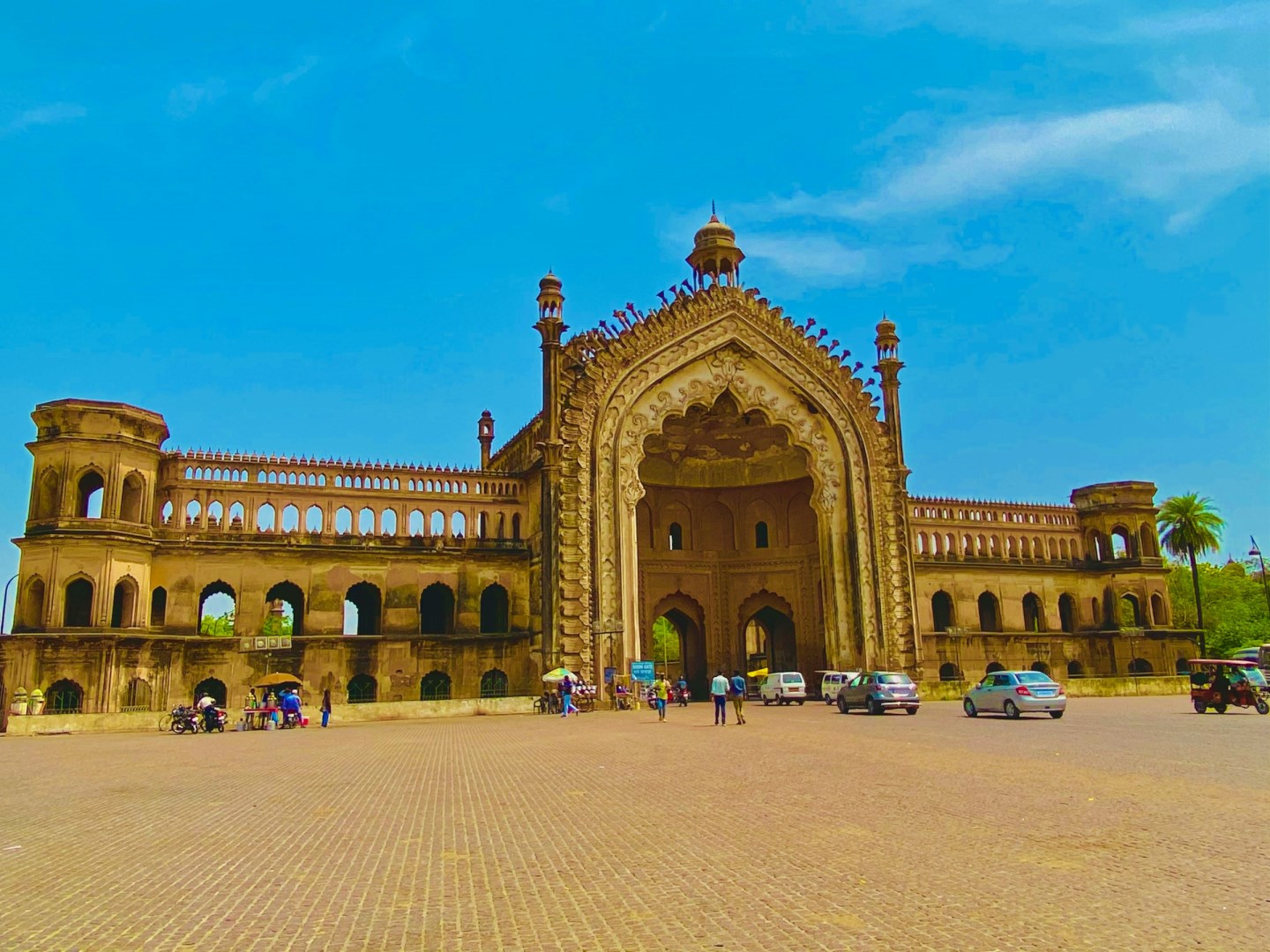
Lucknow
Lucknow, the capital of Uttar Pradesh, stands on the banks of the Gomti River and is widely associated with the cultural heritage of Awadh. The city is recognized for its distinctive architecture, refined traditions of etiquette, historic markets, and celebrated cuisine. Its built landscape ranges from grand religious complexes and gateways to colonial-era structures and modern urban districts. Lucknow is also an important centre for traditional crafts, particularly chikankari embroidery. Togeth
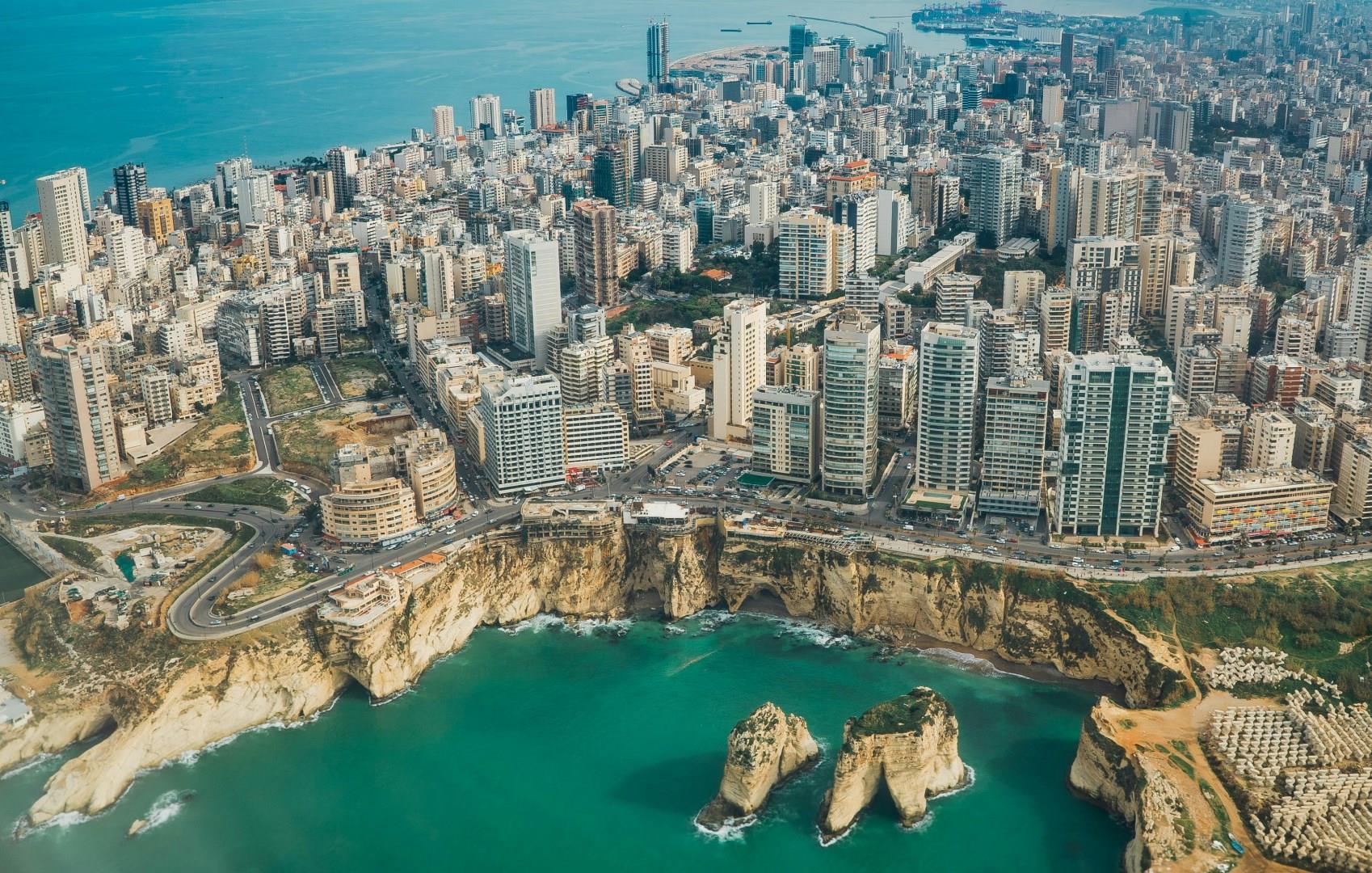
Beirut
Beirut traces its roots back over 5,000 years. Once called Berytus during the Roman era, it grew into a key port of the Mediterranean. Today’s visitors can follow the Beirut Heritage Trail, a 2.5 km walking route marked with bronze medallions, that links archaeological sites, historic courtyards, and restored Ottoman buildings. The path unveils layers of the city's past one block at a time.
