

Dominica
Dominica, known as the “Nature Island of the Caribbean,” is a haven for eco-tourists and adventure seekers. Nestled between the French islands of Guadeloupe and Martinique, this lush island boasts a remarkable landscape of volcanic mountains, dense rainforests, and stunning waterfalls. Dominica’s most iconic natural wonder is the Boiling Lake, the second-largest hot spring in the world.
Santa Cruz de la Sierra
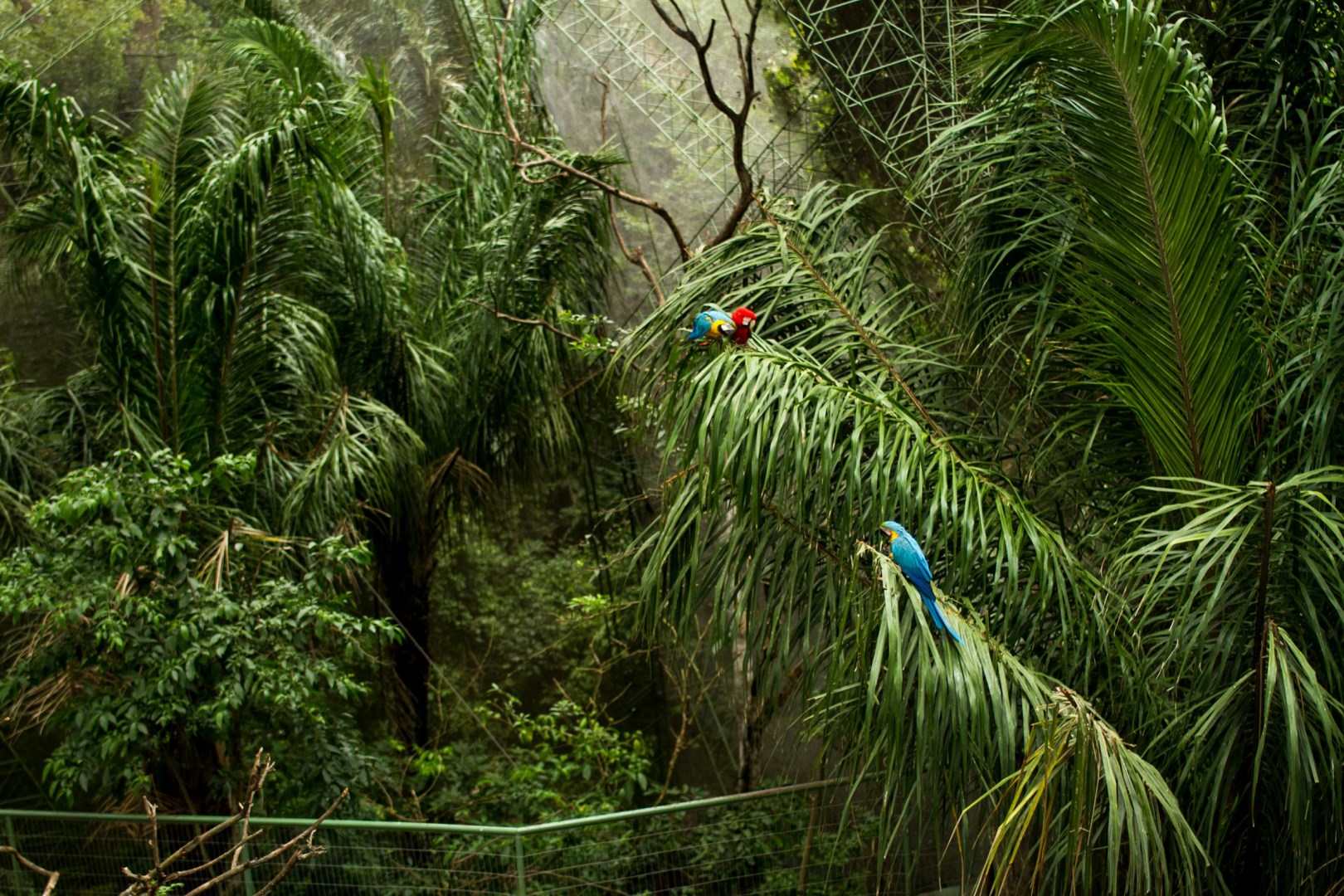
Santa Cruz is in stark contrast to La Paz. Climate is tropical and altitude is only 1,250 feet. It is on the eastern lowland side of the Andes mountain range and one of the gateways to Bolivia's jungle area. Trinidad is the other. Much of Bolivia's natural resources, including agricultural products, are found in this area. Although Santa Cruz has grown tremendously some parts of downtown still retain a look of an Old West frontier town. Carnival is an especially happy time to be in Santa C

Lima
Lima's sprawling size and unique embrace of both past and present make it an unforgettably unique destination. Colonial architecture, gastronomical delights, and art are all part of the fabric of this city.
Meknes
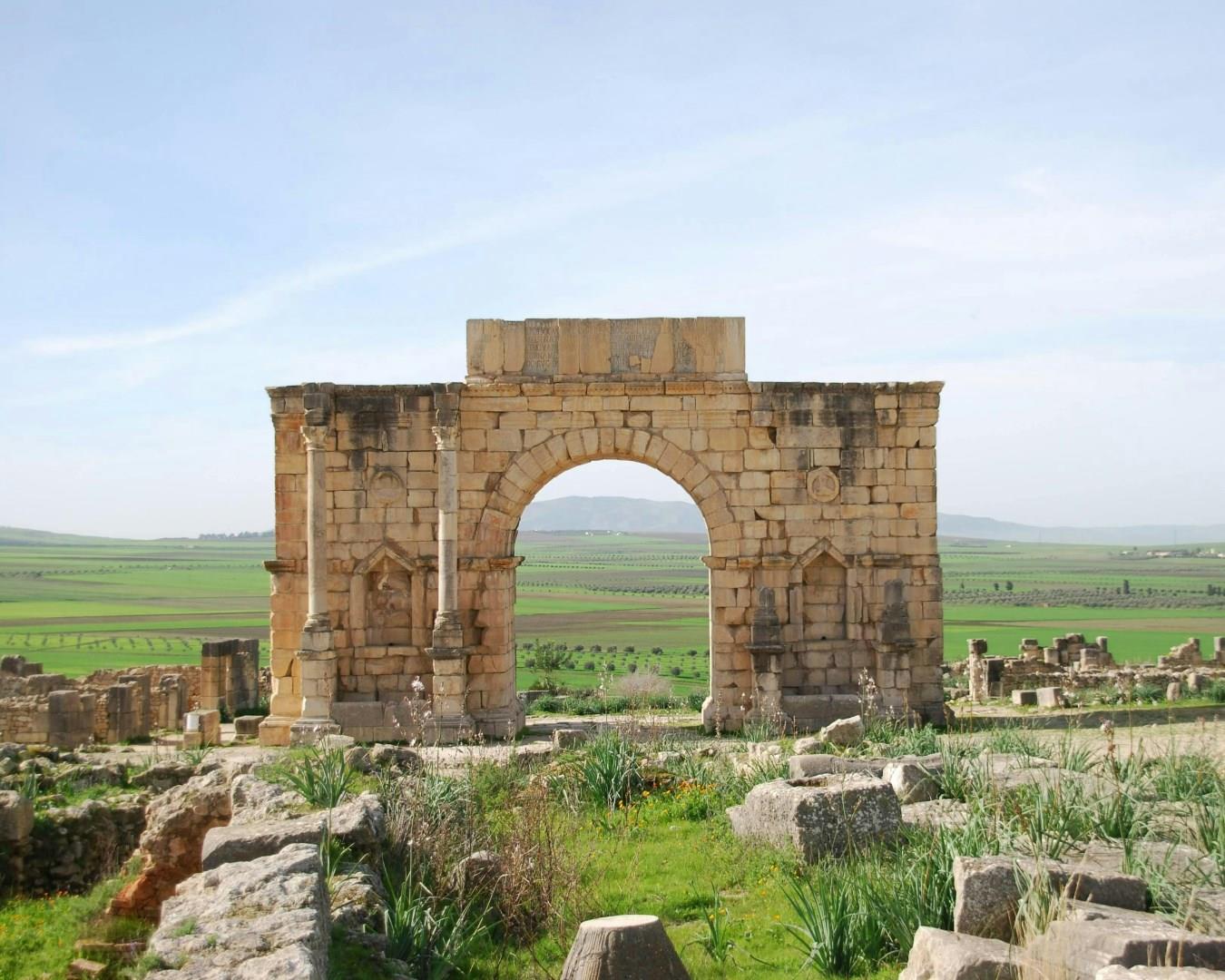
Meknes, one of Morocco’s four imperial cities, is a historic jewel known for its blend of grandeur and tradition. Once the capital under Sultan Moulay Ismail in the 17th century, the city was envisioned as the “Versailles of Morocco,” filled with monumental gates, sprawling walls, and lavish palaces.
Fortaleza
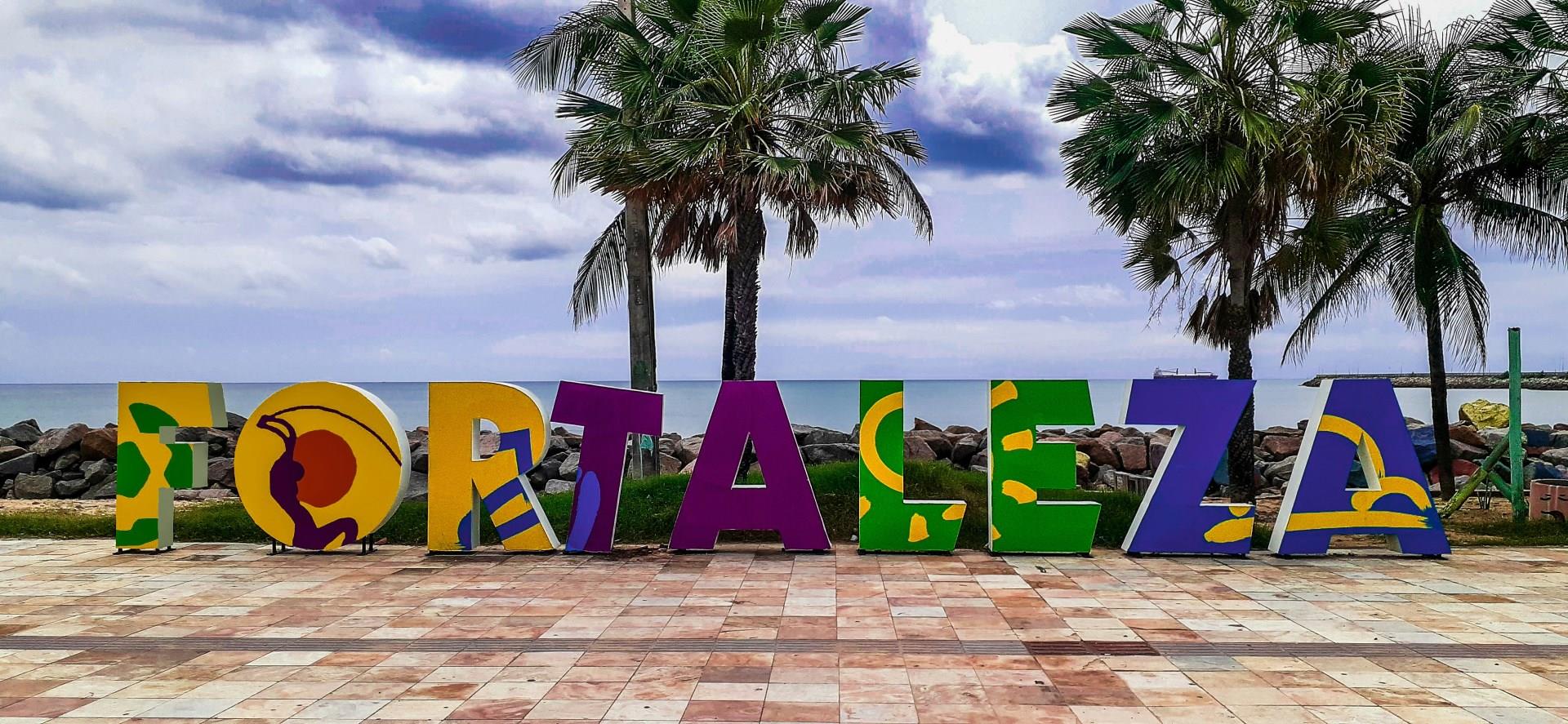
Fortaleza, on Brazil’s northeastern Atlantic coast, greets visitors with wide sandy beaches that stretch for miles along warm, blue water. Beyond the city’s shoreline, dramatic dunes and inviting waters make Fortaleza an ideal base for exploring nearby beach towns like Cumbuco and Canoa Quebrada, each with its own rhythms and landscapes.
