
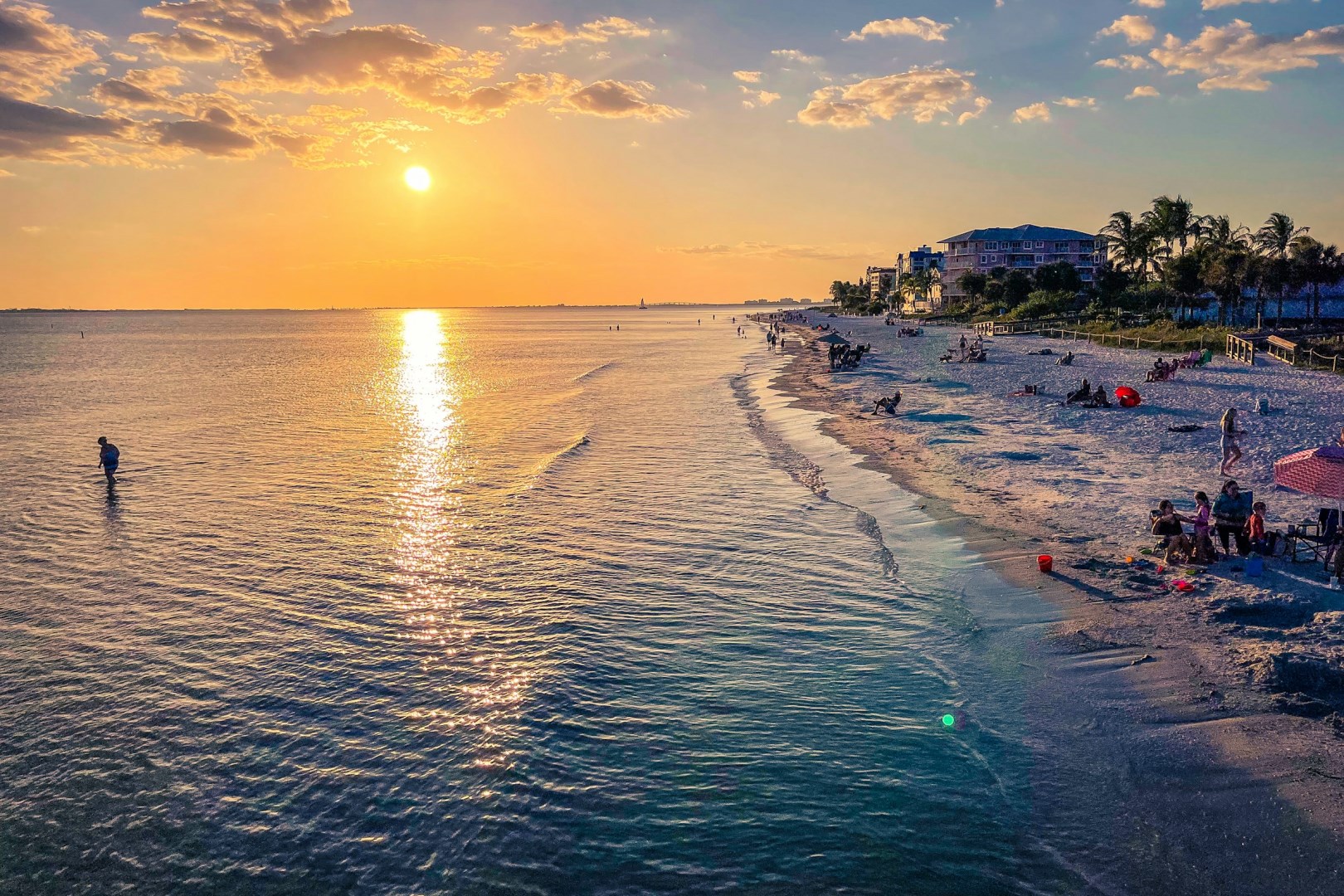
Fort Myers
Fort Myers is a city on Florida’s southwest Gulf Coast, located along the Caloosahatchee River near its entrance to the Gulf of Mexico. The city combines a historic downtown, riverfront parks, residential neighborhoods, and access to beaches and coastal islands. Its location makes waterways central to recreation, with boating, fishing, kayaking, and wildlife viewing available on the river and nearby Gulf waters. Fort Myers is also known for the winter estates of Thomas Edison and Henry Ford.

Punakha
Punakha sits in one of Bhutan’s most fertile valleys, cradled where the Mo Chhu and Pho Chhu rivers meet. For centuries it served as the kingdom’s capital and remains a place rich with stories woven through its fields, temples, and riverbanks. The city’s low elevation brings warmer weather than much of Bhutan’s highland regions, and rice paddies fill the landscape with vivid green during planting and golden hues at harvest.
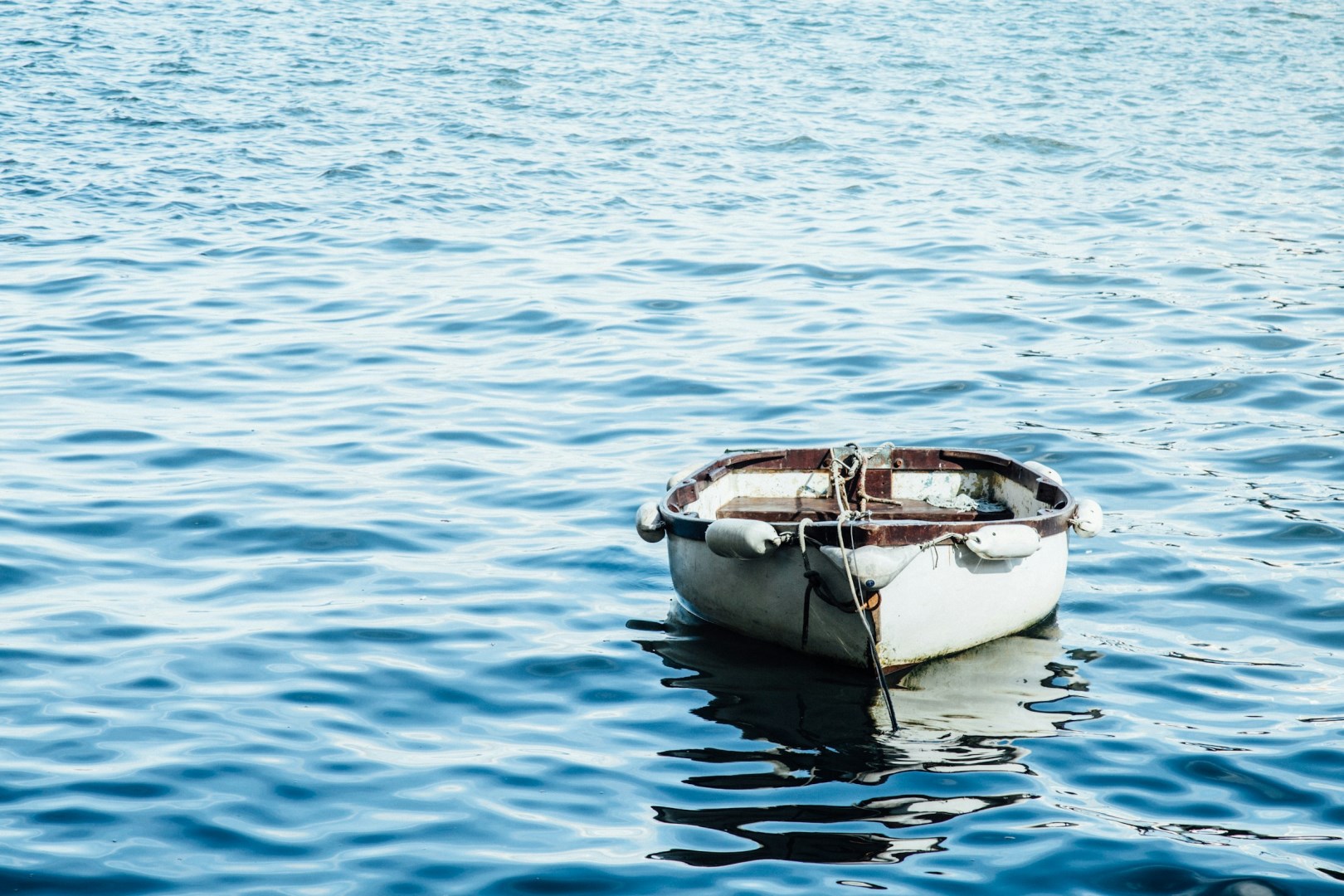
Falmouth
Falmouth, on Cornwall’s south coast, grew around one of the world’s largest natural harbors, a feature that has shaped its maritime identity for centuries. The town expanded during the age of sail, serving as a key port for packet ships, and landmarks like Pendennis Castle still anchor Falmouth firmly in its naval past.
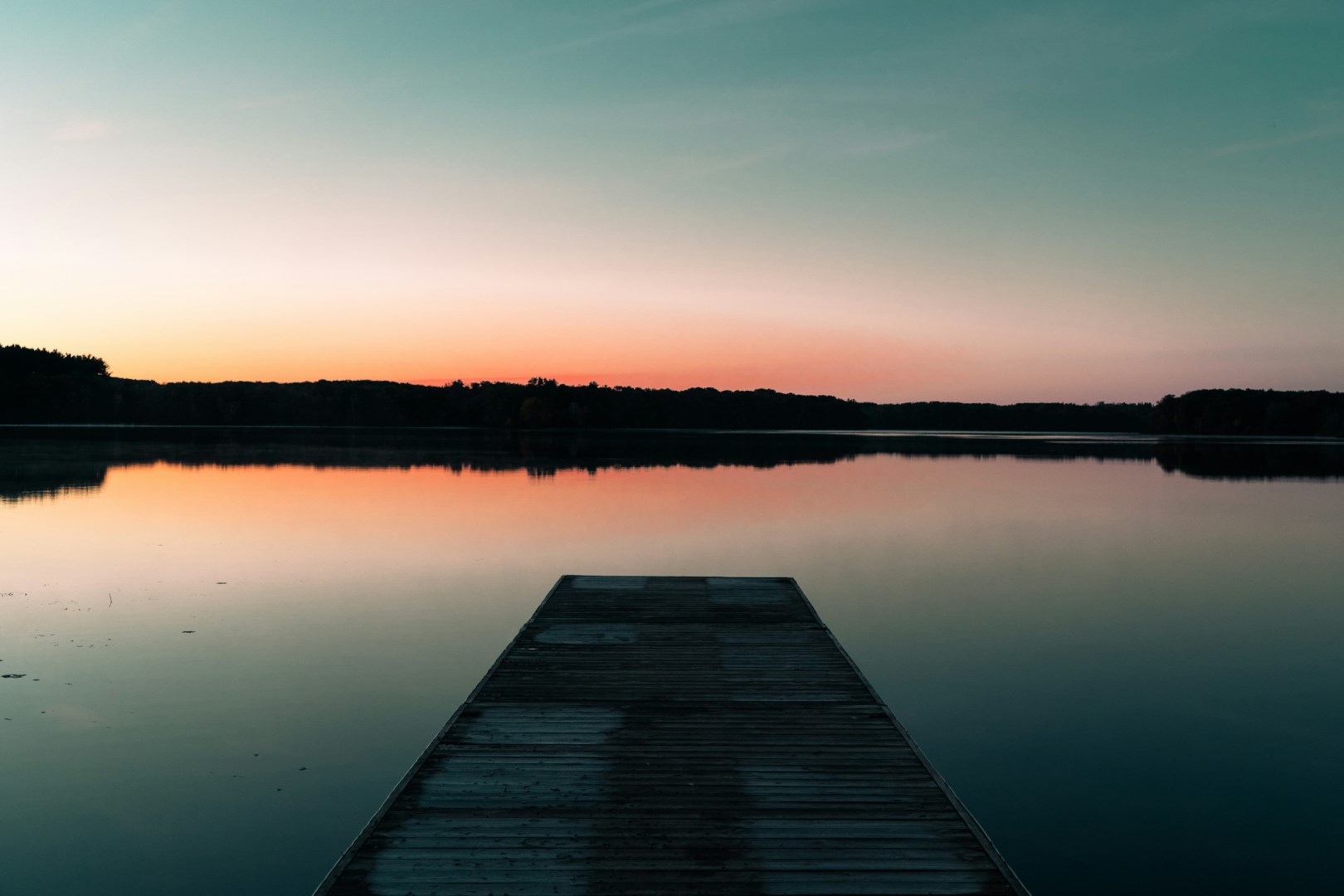
Minnesota
Minnesota, often known as the "Land of 10,000 Lakes," offers an array of natural and cultural attractions that make it a must-visit destination. In Minneapolis, the largest city, you'll find a vibrant arts scene complemented by the picturesque beauty of the Chain of Lakes. The Minneapolis Institute of Arts houses a diverse collection ranging from ancient to contemporary works, while the Walker Art Center's Sculpture Garden showcases iconic pieces like the Spoonbridge and Cherry.
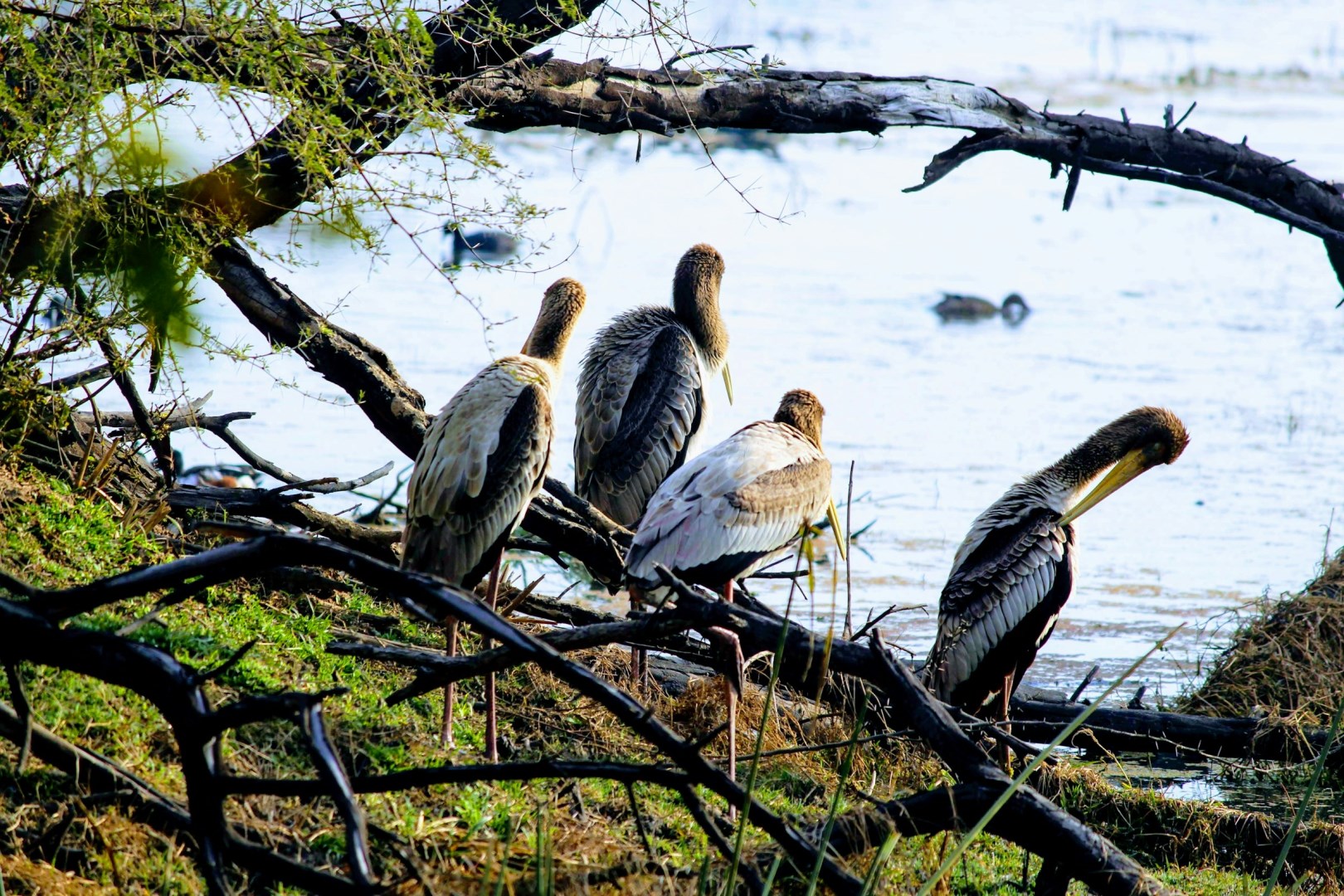
Bharatpur
Keolodeo Ghana Bird Sanctuary at Bharatpur is famous for a large variety of migratory and resident birds, including the Siberian Crane.
