
Somalia
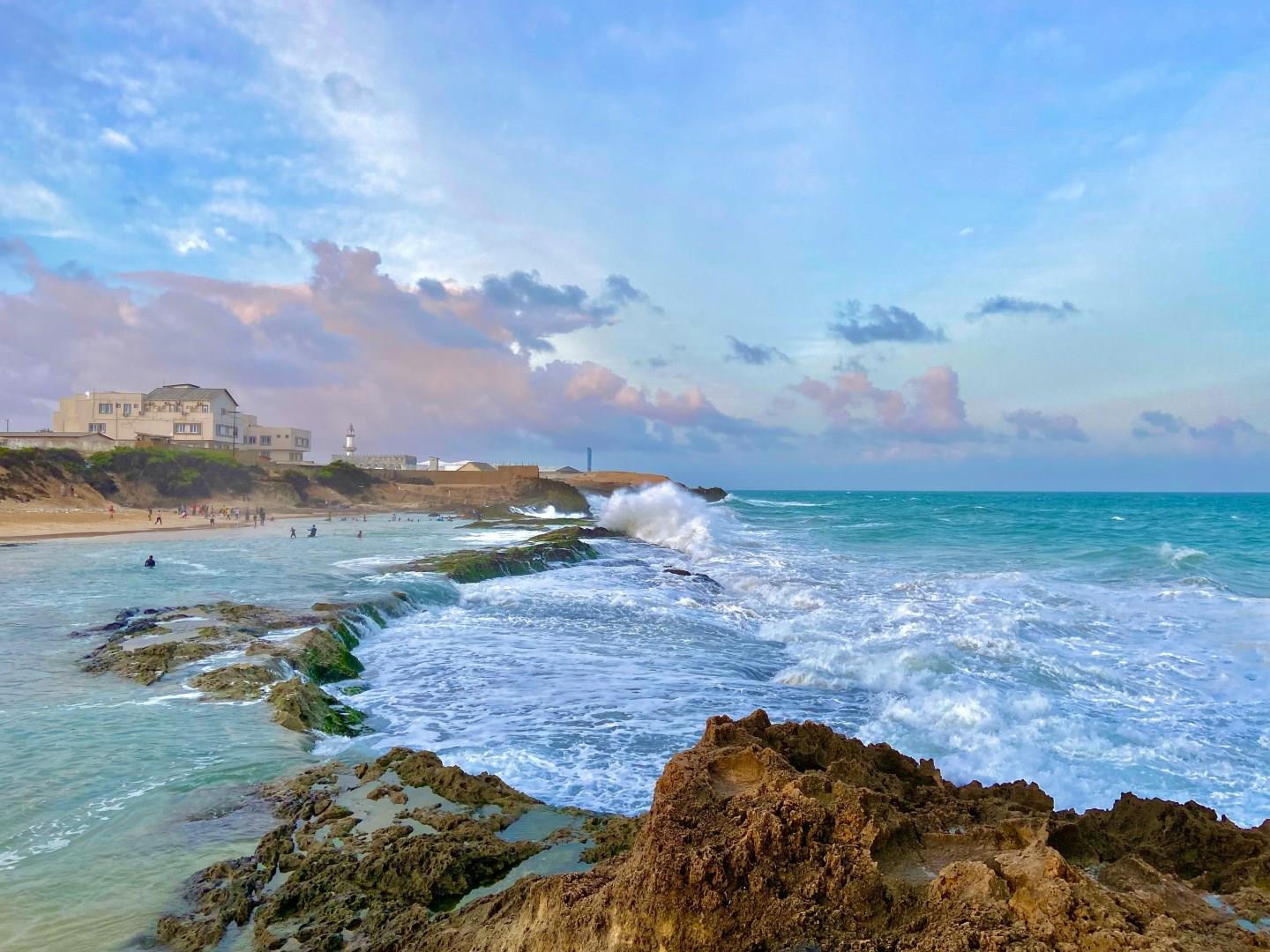
Somalia, located on the Horn of Africa, is a land defined by its coastline, culture, and long history as a crossroads of trade. With the Indian Ocean and Gulf of Aden shaping much of its identity, Somalia has one of the longest coastlines in Africa, stretching over 1,800 miles.

Giant's Causeway
Giant’s Causeway is a remarkable coastal formation on the north coast of County Antrim, Northern Ireland, where roughly 40,000 interlocking basalt columns extend from the foot of the cliffs into the sea. Most columns have a distinctive polygonal shape, created as layers of molten basalt cooled and contracted. The site forms part of the Giant’s Causeway and Causeway Coast UNESCO World Heritage Site and is protected as an important geological landscape.

Frederiksted
Frederiksted is a historic coastal town on the western end of St. Croix in the U.S. Virgin Islands, set beside a deep-water bay and a long waterfront. Pastel-colored buildings, palm-lined streets, the Frederiksted Pier, and nearby beaches give the town a distinctly maritime setting. The compact community is closely associated with Fort Frederik, a red-brick Danish fort overlooking the harbor.
Grand Cayman
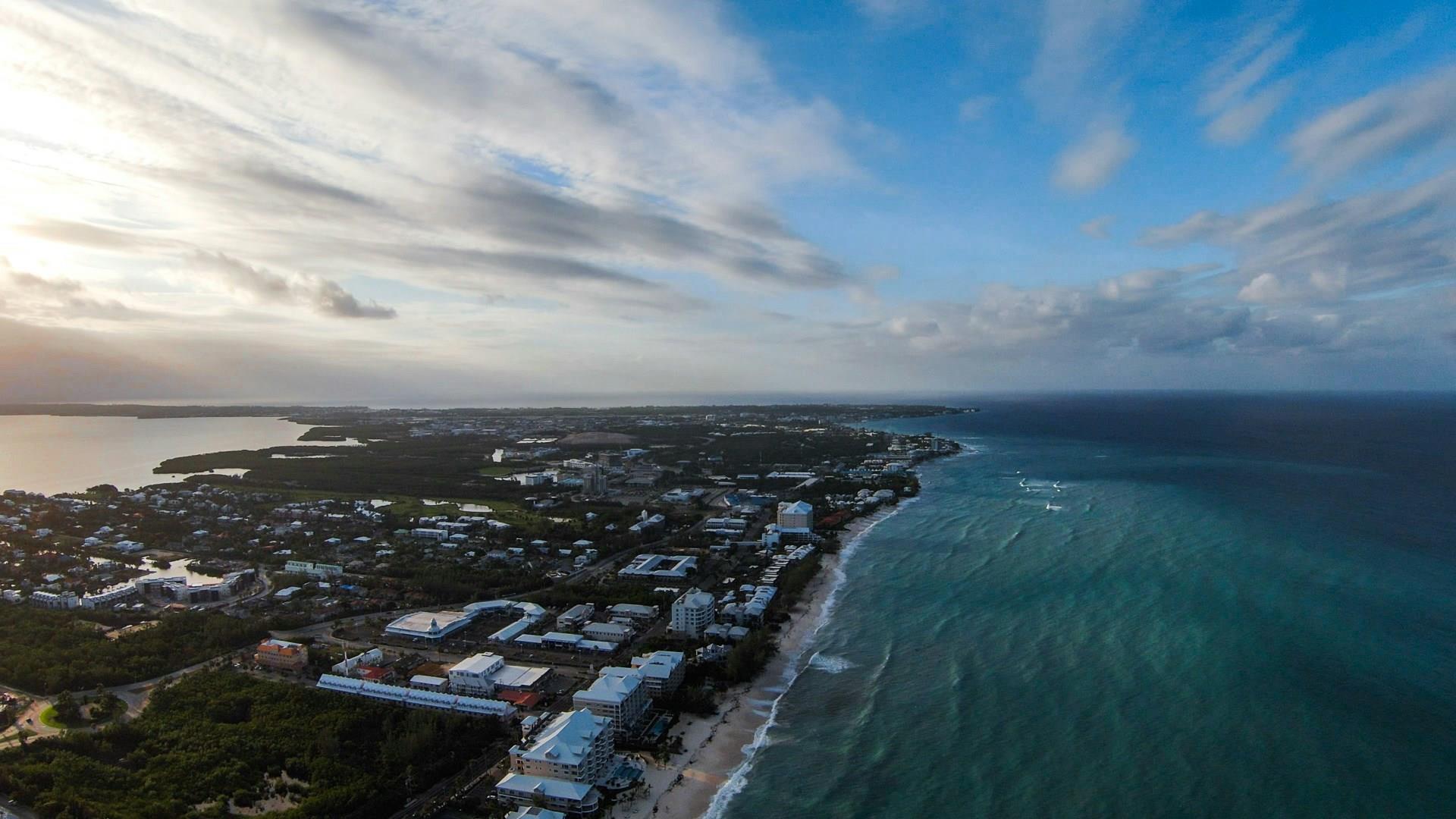
Grand Cayman, the largest of the Cayman Islands, is a Caribbean paradise offering stunning beaches, world-class diving, and a rich blend of culture and luxury. Seven Mile Beach, often ranked as one of the most beautiful beaches in the world, is the island’s crown jewel. Its powdery white sands and crystal-clear waters are perfect for swimming, snorkeling, or simply relaxing under the sun. Luxury resorts and beachfront restaurants dot the coastline, providing both indulgence and accessibility to

New Orleans
New Orleans is unlike any other city in the United States. Founded in 1718, it carries layers of French, Spanish, African, and Caribbean influence that can be felt in everything from its architecture to its street music. The French Quarter, the oldest neighborhood in the city, is full of iron-laced balconies, gas lamps, and narrow streets that echo with the sounds of live jazz.
