

Franschhoek
Nestled in the heart of South Africa’s Cape Winelands, Franschhoek is a charming village renowned for its exquisite vineyards and rich history. Founded by French Huguenots in the late 17th century, the village’s French heritage is palpable in its architecture, cuisine, and local culture.

Lake Titicaca
Lake Titicaca, perched at over 3,800 meters above sea level, is the highest navigable lake in the world and a place where ancient stories still echo across the water. Shared by Bolivia and Peru, this lake has long been considered sacred by the Andean peoples. According to Inca legend, it was from Titicaca’s deep blue waters that the first humans were created. Today, the lake remains a center of cultural tradition, spiritual significance, and daily life for many who live along its shores.
Corn Islands
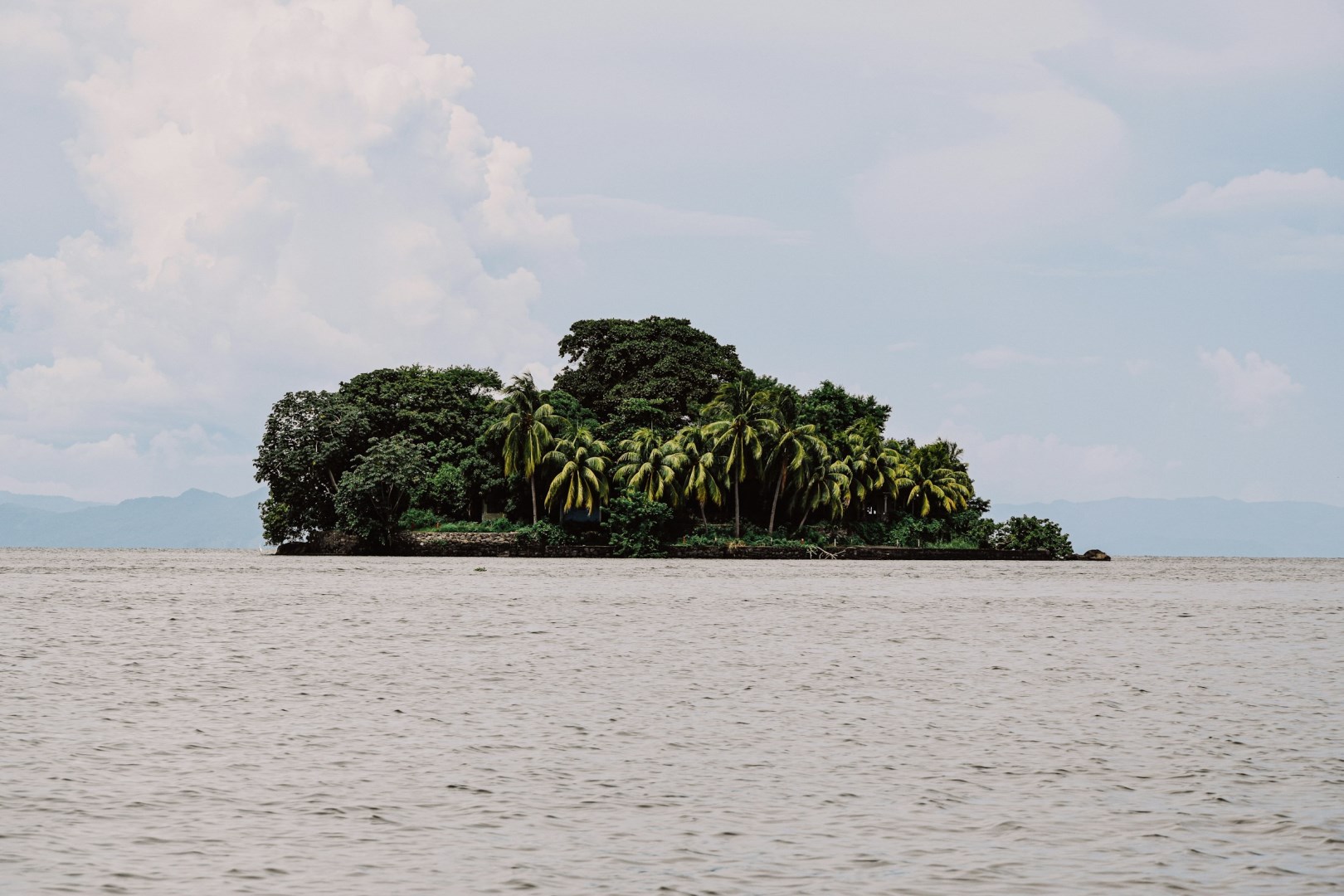
Corn Islands are a small Caribbean archipelago off Nicaragua's southeastern coast, made up of Great Corn Island and Little Corn Island. The islands are surrounded by clear Caribbean waters, coral reefs, sandy beaches, and tropical vegetation.
Akhaltsikhe
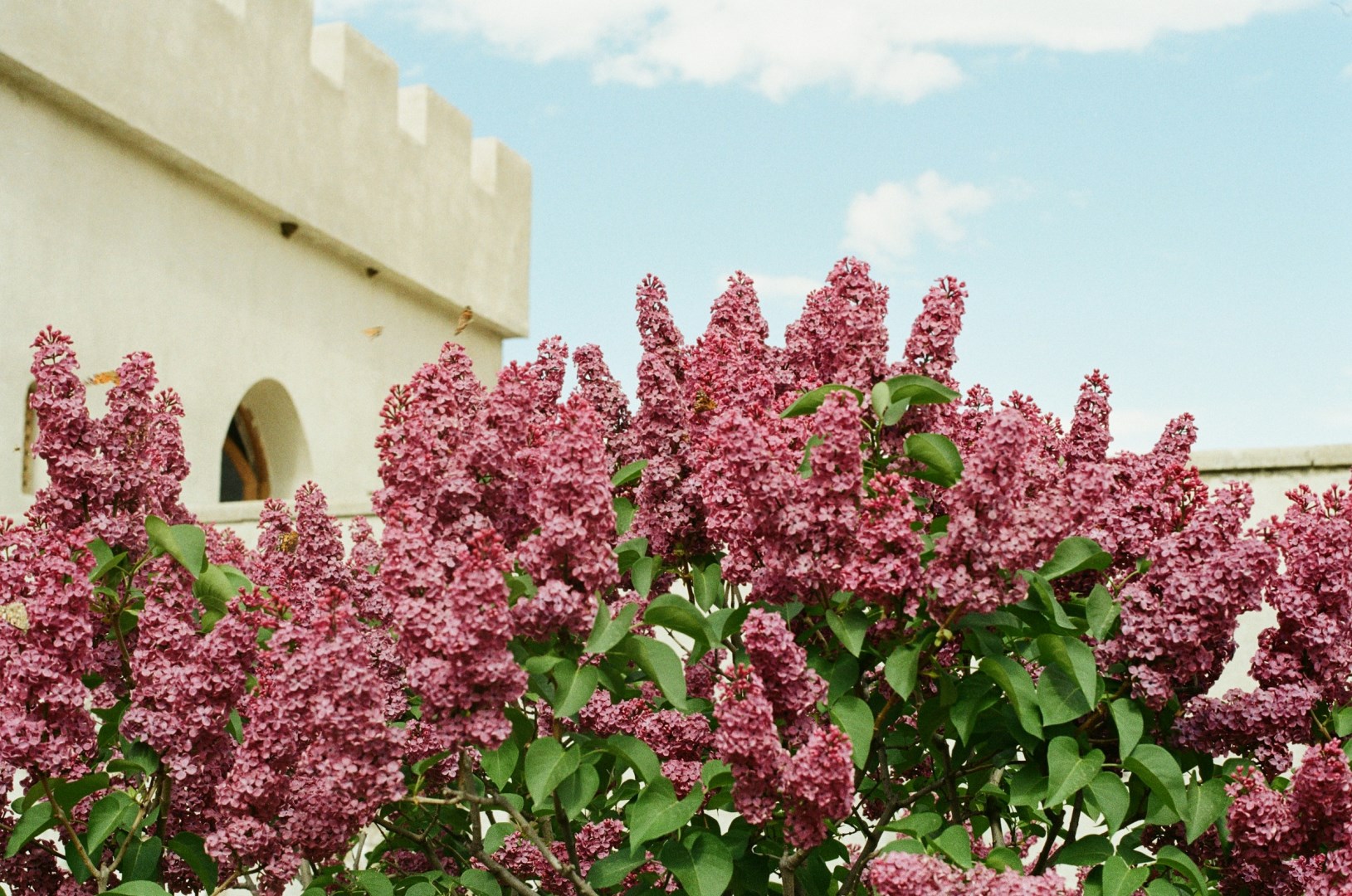
Akhaltsikhe is a regional center in southern Georgia's Samtskhe-Javakheti region, situated in a broad valley along the Potskhovi River. The city is best known for Rabati, its hilltop fortress complex, but its identity extends into an older quarter of stone houses, religious buildings, and traditional streets. The name Akhaltsikhe means “new fortress,” reflecting the city's long association with its fortified center.

Washington
Washington State offers travelers a dynamic mix of landscapes, cultures, and experiences shaped by volcanoes, forests, coastline, and innovation. Seattle, the state’s largest city, is home to the iconic Space Needle, buzzing Pike Place Market, and holds deep roots in music history. Visitors can stand on the original floor of the first Starbucks, explore interactive exhibits at the Museum of Pop Culture, or catch a ferry from the city’s waterfront for a scenic ride across Puget Sound.
