

French Guiana
French Guiana, tucked between Brazil and Suriname on the northeast coast of South America, offers an unexpected blend of Amazonian wilderness, colonial intrigue, and French flair. As an overseas department of France, it uses the euro, speaks French, and has croissants alongside cassava bread at breakfast. Yet just beyond the cafés of Cayenne, vast rainforest stretches for hundreds of kilometers, home to rare wildlife, remote rivers, and Indigenous communities.

Uluru
Located in Australia's Northern Territory, Uluru is an iconic sandstone formation and UNESCO World Heritage site. This red rock monolith, believed to be over 500 million years old, has been considered sacred by Australia's indigenous peoples for thousands of years and is one of the country's most well-known natural landmarks. This spiritual destination will astound you at sunrise and sunset, when the warm sunlight turns Uluru to deep hues of red and orange.
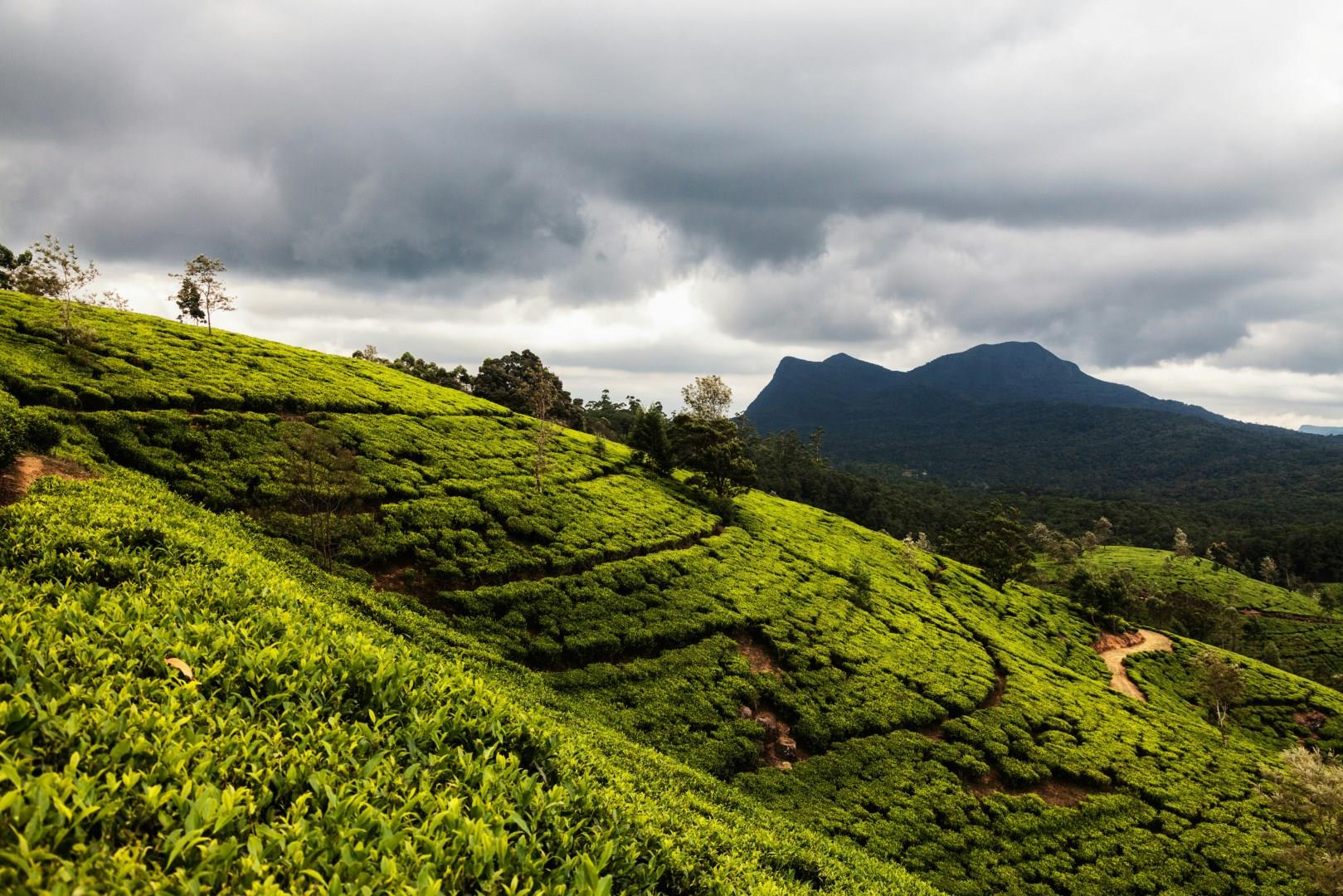
Nuwara Eliya
Nuwara Eliya sits high in Sri Lanka’s central highlands, above the plains at nearly 1,900 meters, with a climate that remains refreshingly mild year-round, which is a sharp contrast to the tropical warmth found elsewhere on the island. For those looking to explore the outdoors, Lake Gregory has long been a place for boating, walking, and watching the mist drift across the water at dawn.
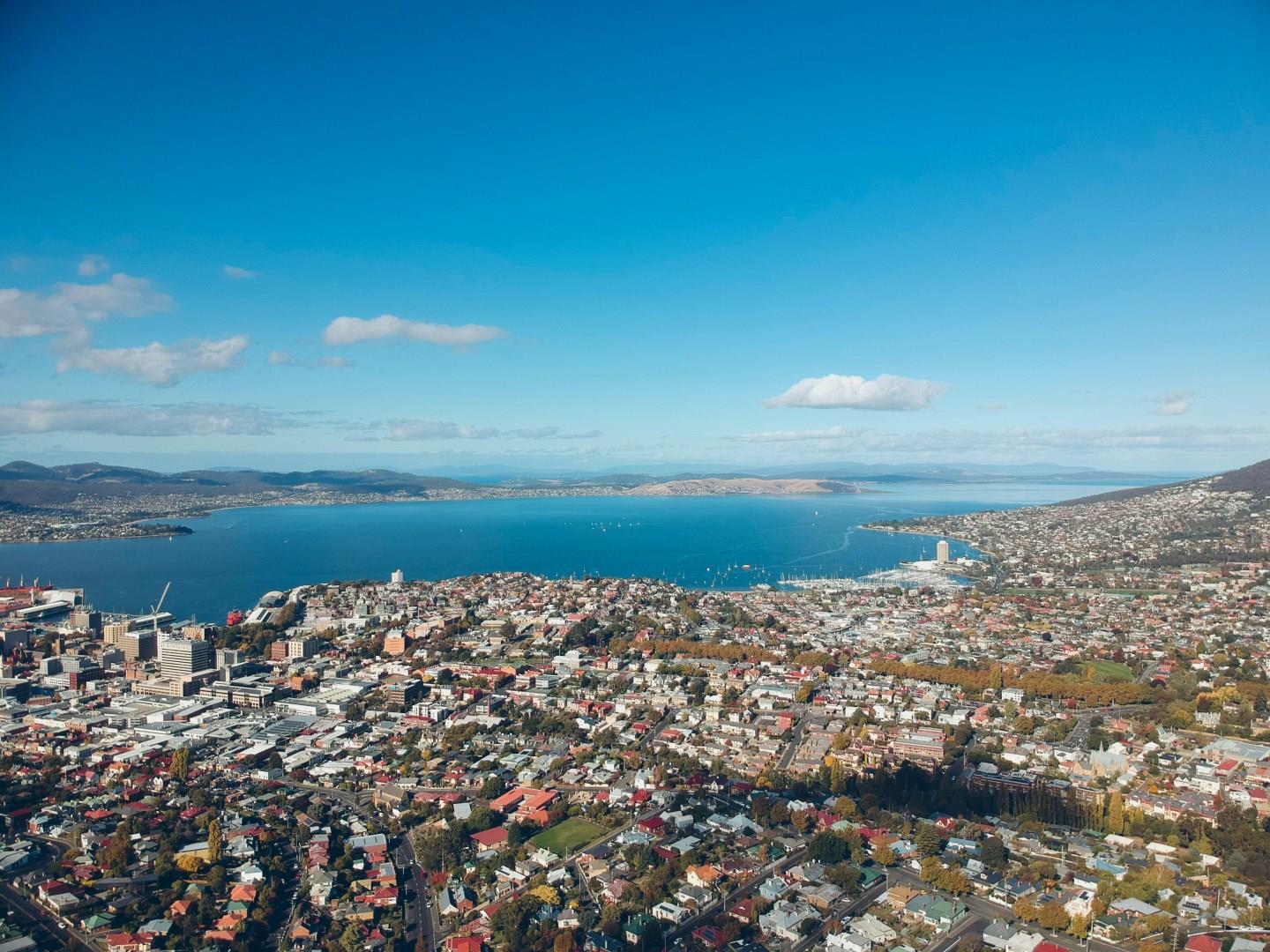
Hobart Tasmania
Hobart, the vibrant capital of Tasmania, Australia, is a city where history and natural beauty intertwine seamlessly. Nestled on the banks of the Derwent River and framed by the rugged peaks of Mount Wellington, Hobart is a captivating destination for those seeking both cultural richness and stunning landscapes.
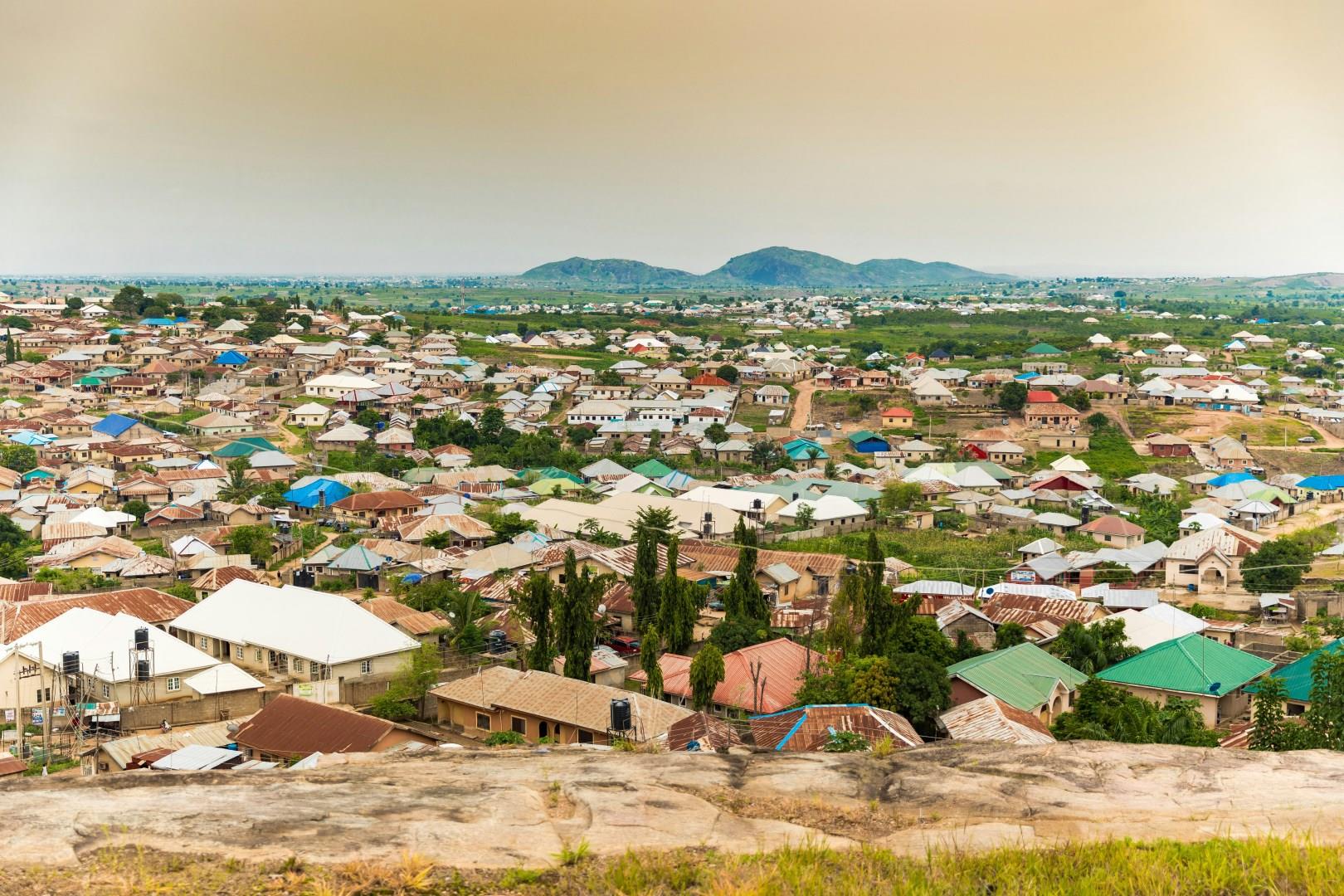
Nigeria
Nigeria, located in West Africa, is a country known for its diversity in culture, language, and landscapes. It is home to over 200 million people, making it the most populous country in Africa.
