
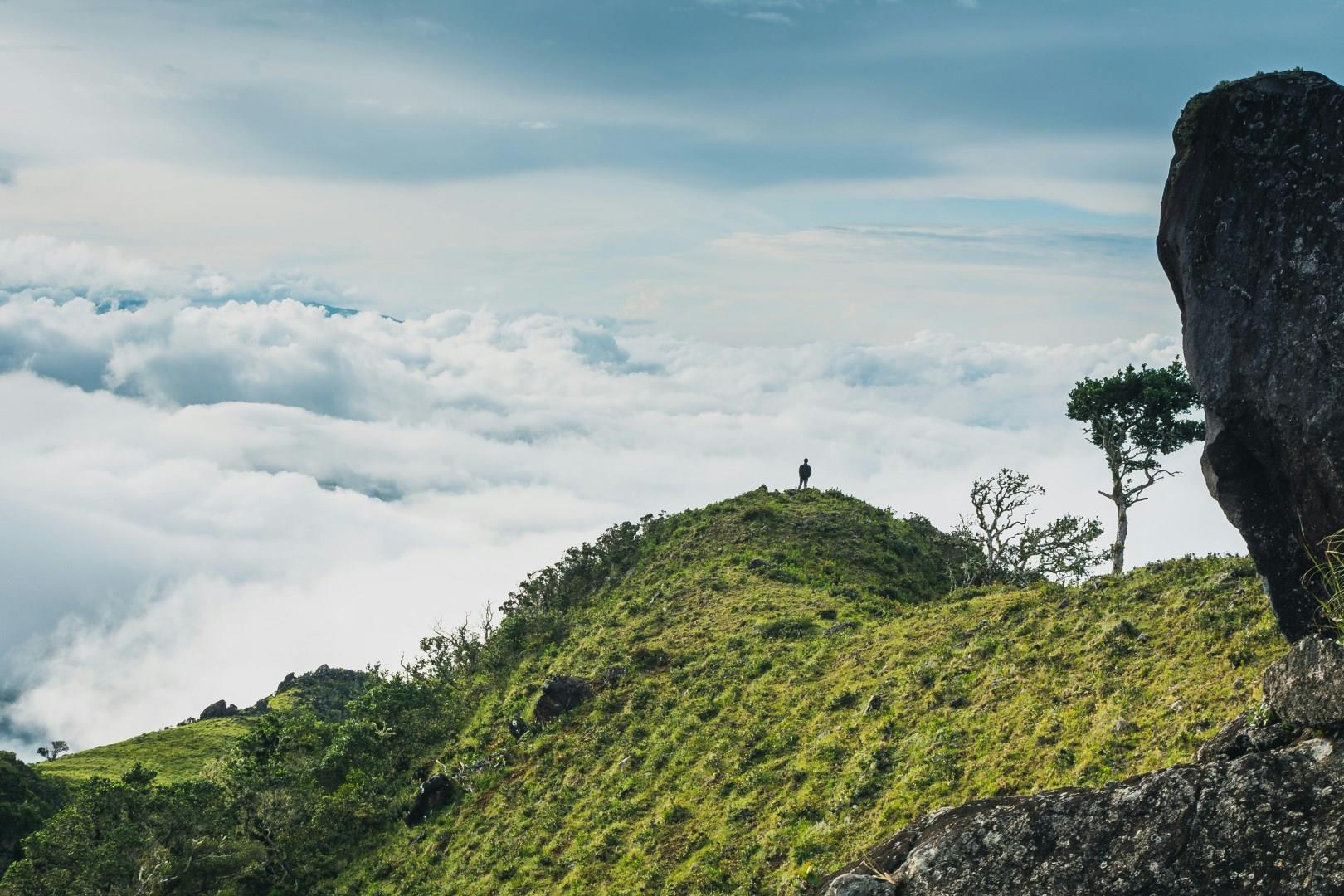
Boquete Valley
Boquete Valley, nestled in the highlands of Panama near the Baru Volcano, is a lush retreat known for its cool climate, verdant hills, and coffee plantations.
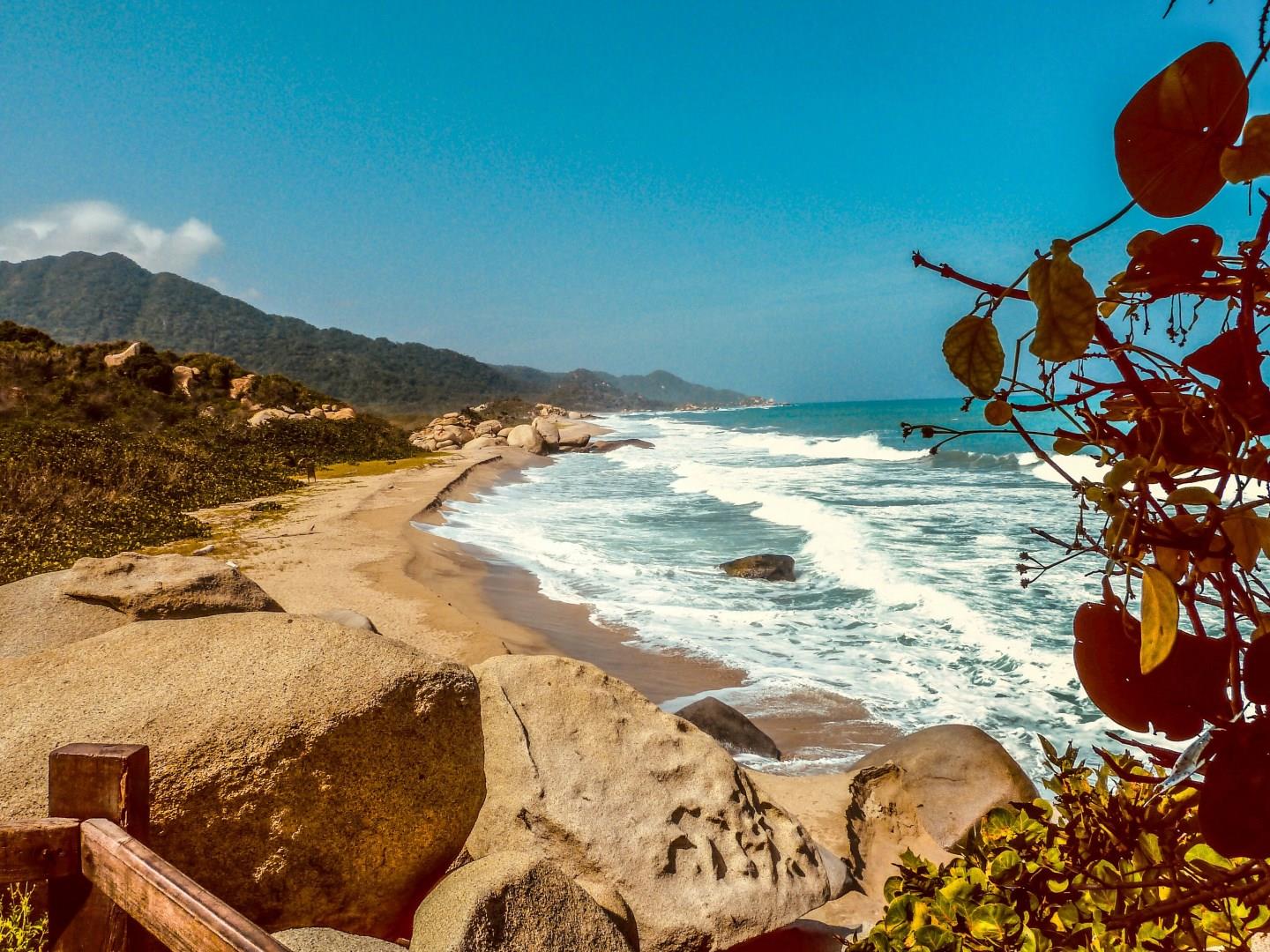
Tairona National Park
Tayrona National Natural Park, located on Colombia’s northern Caribbean coast, is where the Sierra Nevada mountains plunge into the sea, creating a landscape of wild beaches, dense rainforest, and ancient archaeological sites. Just an hour from Santa Marta, this protected area stretches over 150 square kilometers of land and marine territory. Its coastline is dotted with hidden coves, palm-fringed bays, and massive boulders sculpted by wind and time.

Aït Ben Haddou
Aït Benhaddou, located in southern Morocco along the former caravan route between the Sahara and Marrakesh, is one of the country’s most iconic historic sites. This fortified village, or ksar, is recognized as a UNESCO World Heritage Site and is admired for its striking earthen clay architecture that rises dramatically from the desert landscape.
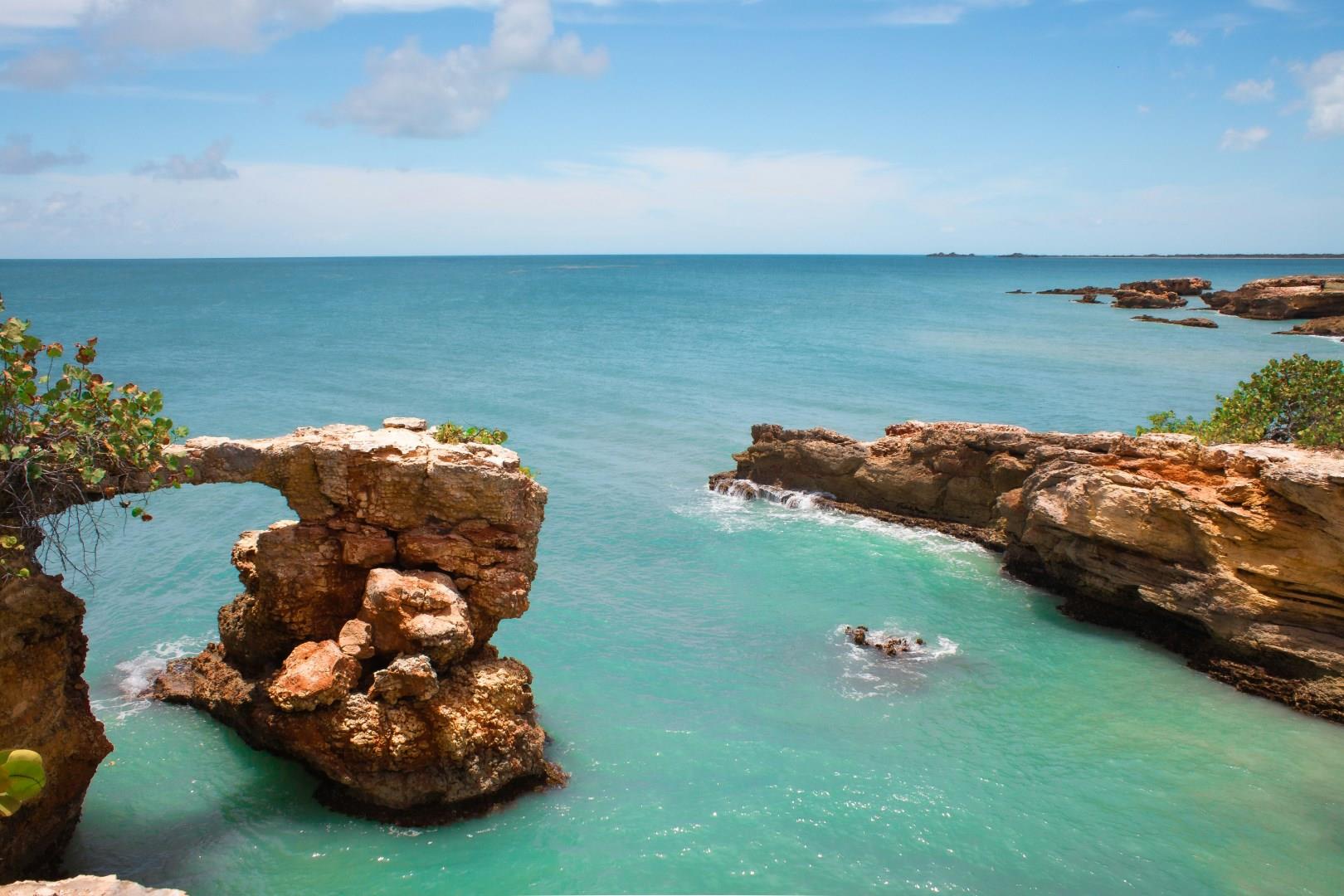
Cabo Rojo
Cabo Rojo, located on the southwestern coast of Puerto Rico, is a region of striking natural contrasts where salt flats, mangroves, and limestone cliffs meet the sparkling Caribbean Sea. Its most iconic feature is the Cabo Rojo Lighthouse perched on dramatic cliffs overlooking the ocean, offering panoramic views of turquoise waters and nearby beaches.
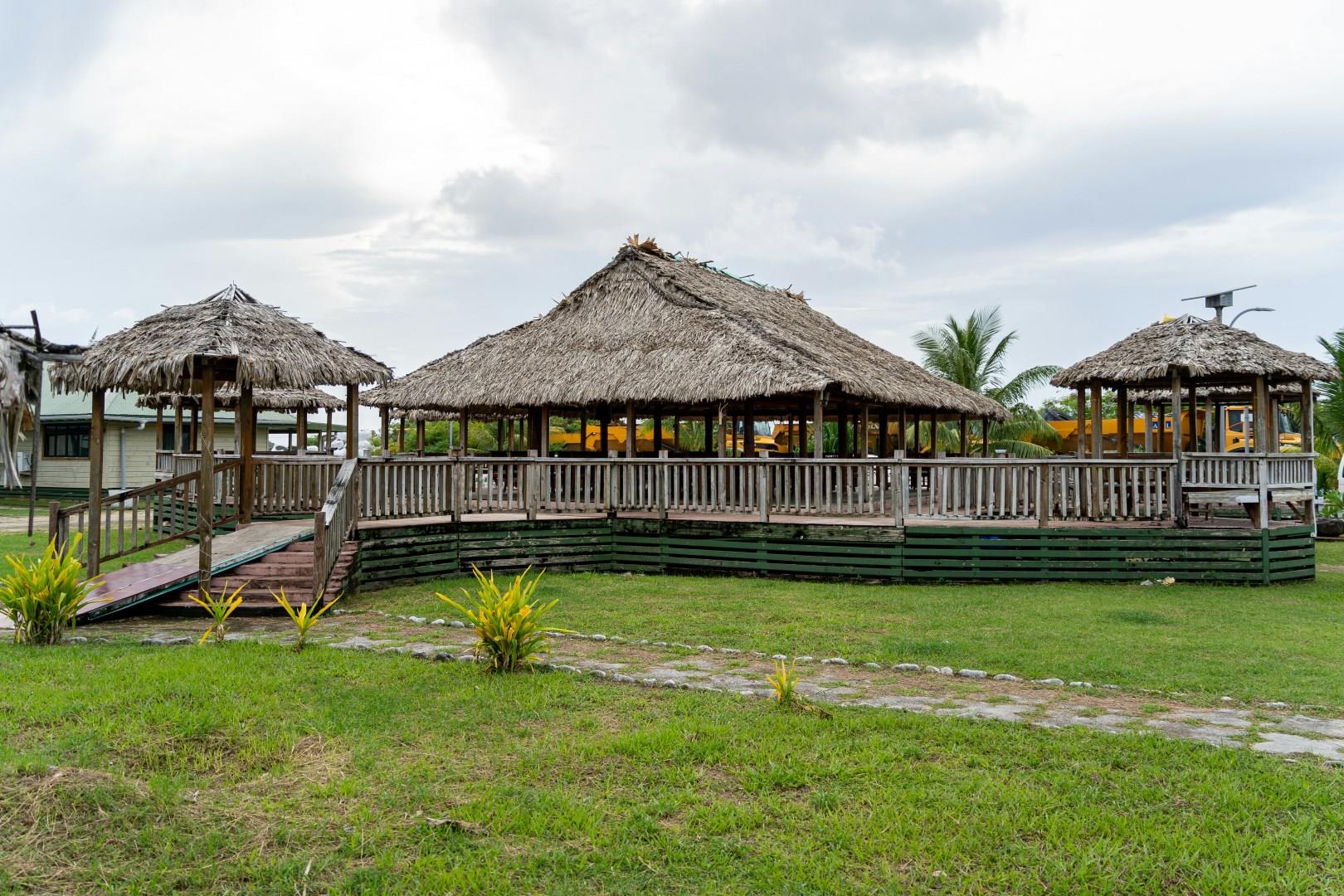
Funafuti Atoll
Funafuti Atoll, the capital of Tuvalu, is a narrow strip of land wrapped around a brilliant turquoise lagoon that stretches over 20 kilometers across. Despite being just 600 meters at its widest point, Funafuti is the heartbeat of the country, where government buildings, homes, schools, and the island’s only airport all coexist along sandy roads lined with coconut trees.
