
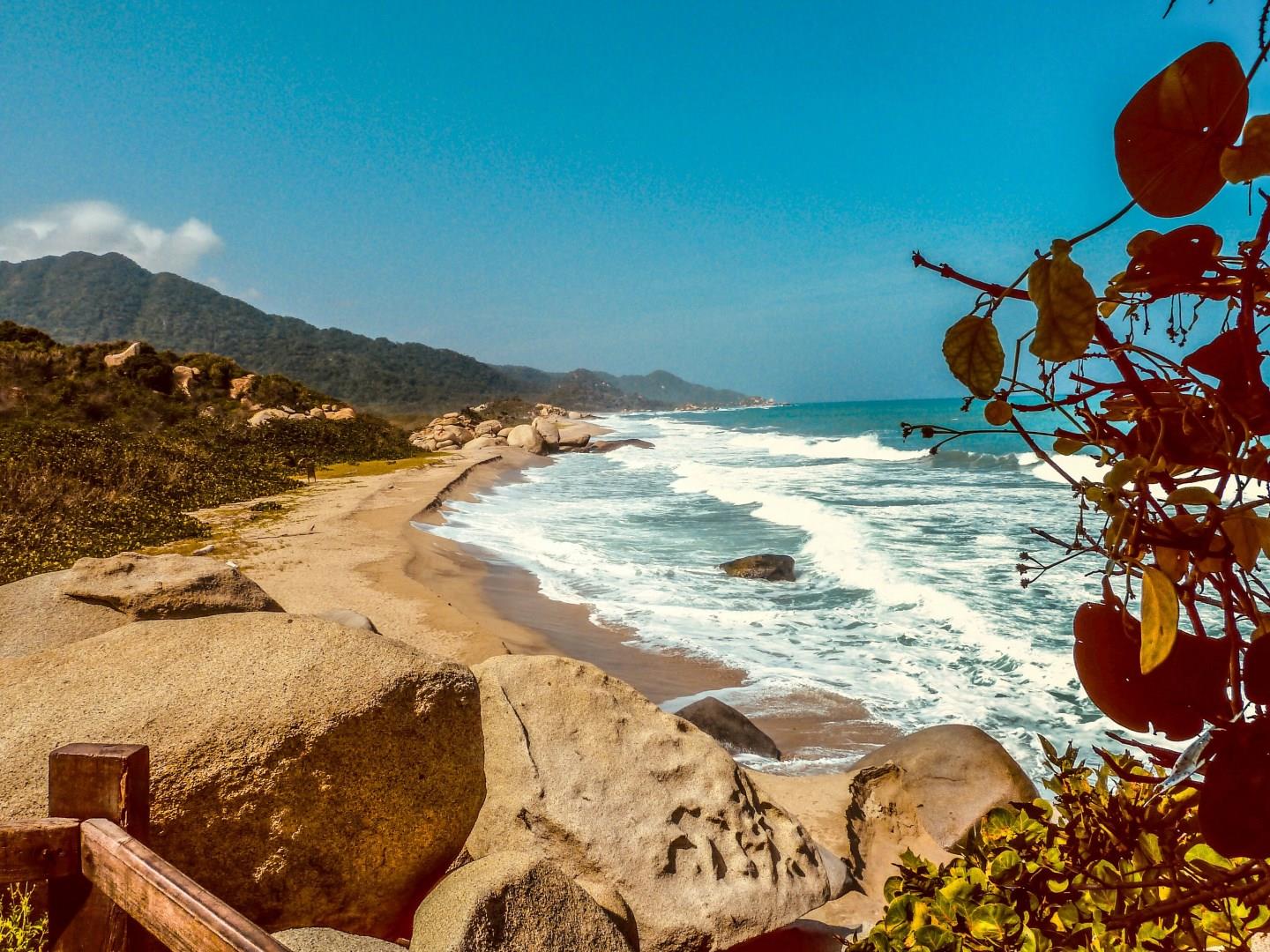
Tairona National Park
Tayrona National Natural Park, located on Colombia’s northern Caribbean coast, is where the Sierra Nevada mountains plunge into the sea, creating a landscape of wild beaches, dense rainforest, and ancient archaeological sites. Just an hour from Santa Marta, this protected area stretches over 150 square kilometers of land and marine territory. Its coastline is dotted with hidden coves, palm-fringed bays, and massive boulders sculpted by wind and time.
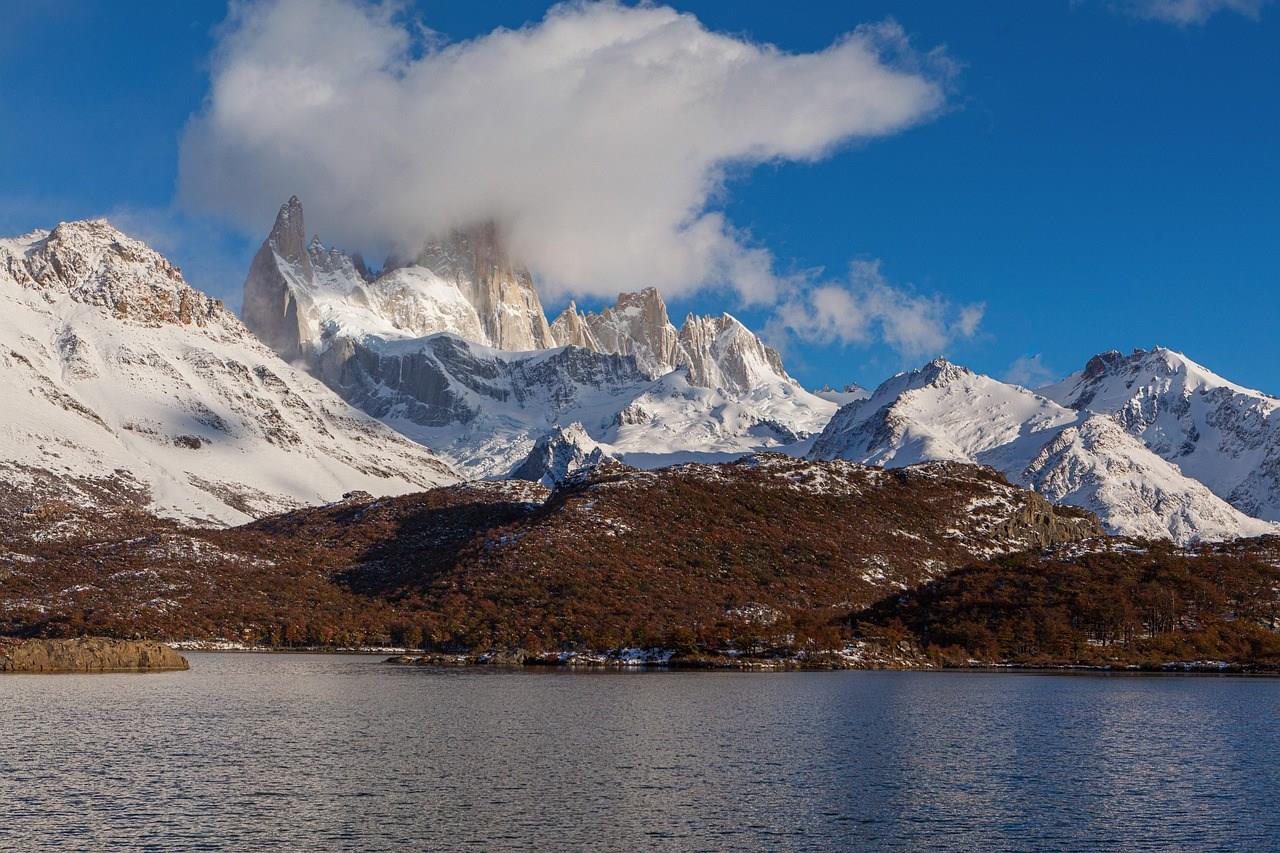
El Chaltén
El Chaltén sits at the edge of Los Glaciares National Park in Argentina’s Patagonia region, framed by the iconic peaks of Cerro Fitz Roy and Cerro Torre. Its remote location beside the Río de las Vueltas makes it a gateway to dramatic landscapes of granite spires, glacial streams and wide steppe plains.

Virginia
Virginia is a state where past and present share the same ground. In places like Colonial Williamsburg, costumed interpreters walk the same streets once frequented by American revolutionaries, while nearby Jamestown and Yorktown complete what's known as the Historic Triangle. Outside its historic corridors, Virginia surprises visitors with its changing landscapes, from the rolling horse farms of Middleburg to the rugged terrain of the Blue Ridge Mountains.

Molde
Nestled along the fjord-studded coastline of Norway, Molde is renowned for its breathtaking natural beauty and rich cultural heritage.
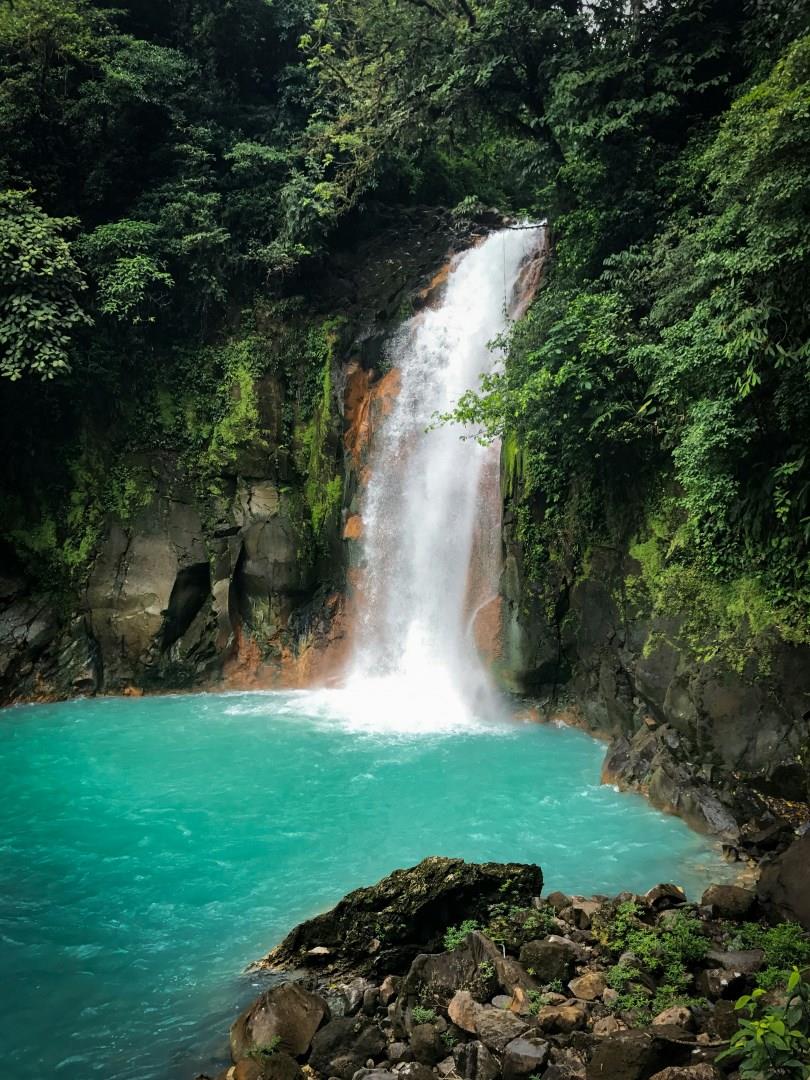
Celeste River
Hidden in the northern region of Costa Rica, the Celeste River (Río Celeste) winds through Tenorio Volcano National Park with a color so vivid it seems unreal. The river’s striking turquoise hue is caused by a natural chemical reaction between two mineral-rich streams, Quebrada Agria and Río Buena Vista, which merge at a point known as "El Teñidero." This one-of-a-kind phenomenon creates the illusion that the water has been dyed blue, even though no pigments are present.
