
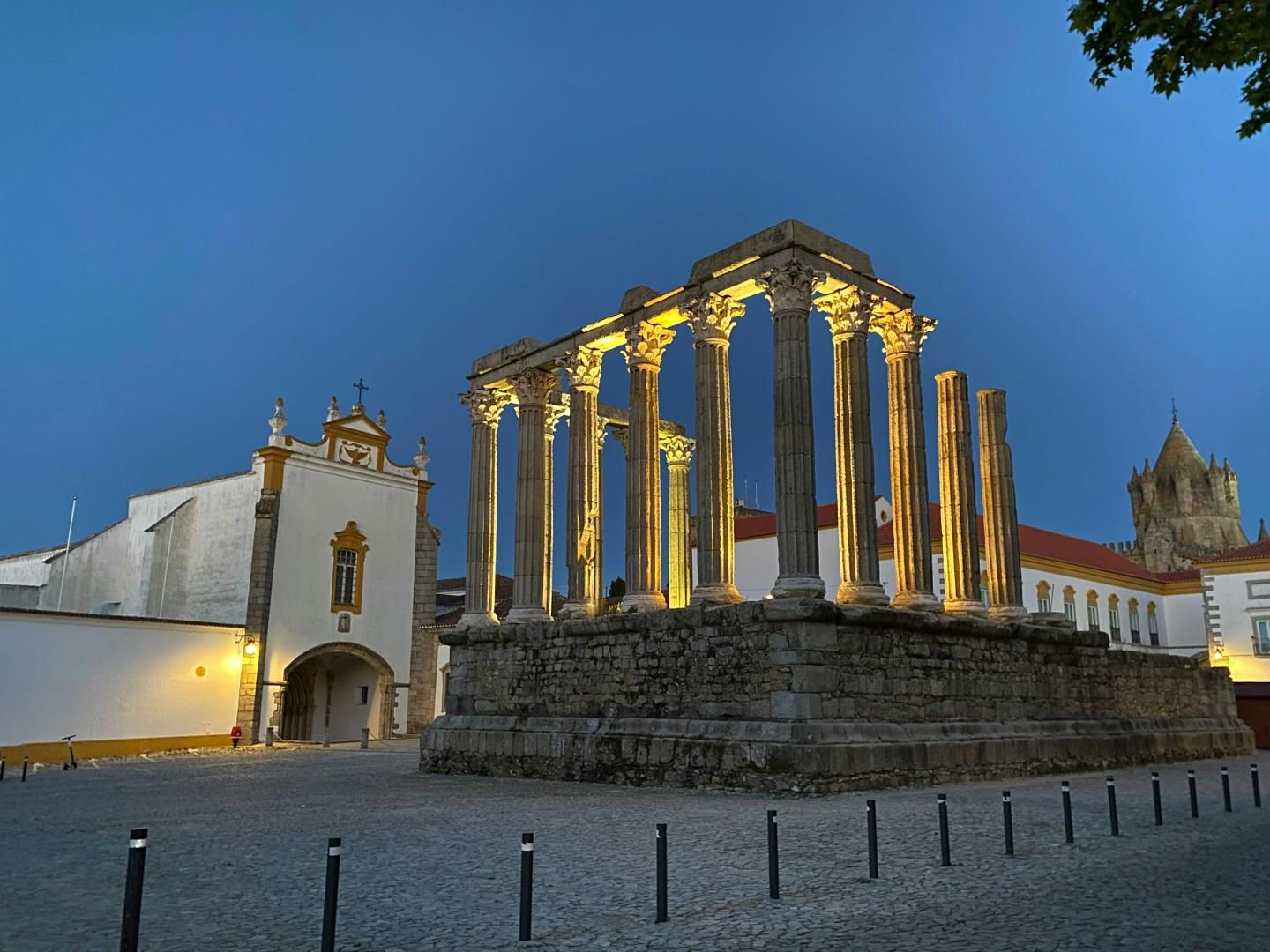
Evora
Évora, in Portugal’s Alentejo region, feels like stepping into a story that spans more than two thousand years. Its Historic Centre was named a UNESCO World Heritage Site for good reason with its ancient walls, homes with wrought-iron balconies, and narrow streets quietly preserve traces of Roman, Moorish, and medieval life. Beyond architecture and monuments, Évora reveals lesser-known treasures that reward exploration.

Dominica
Dominica, known as the “Nature Island of the Caribbean,” is a haven for eco-tourists and adventure seekers. Nestled between the French islands of Guadeloupe and Martinique, this lush island boasts a remarkable landscape of volcanic mountains, dense rainforests, and stunning waterfalls. Dominica’s most iconic natural wonder is the Boiling Lake, the second-largest hot spring in the world.
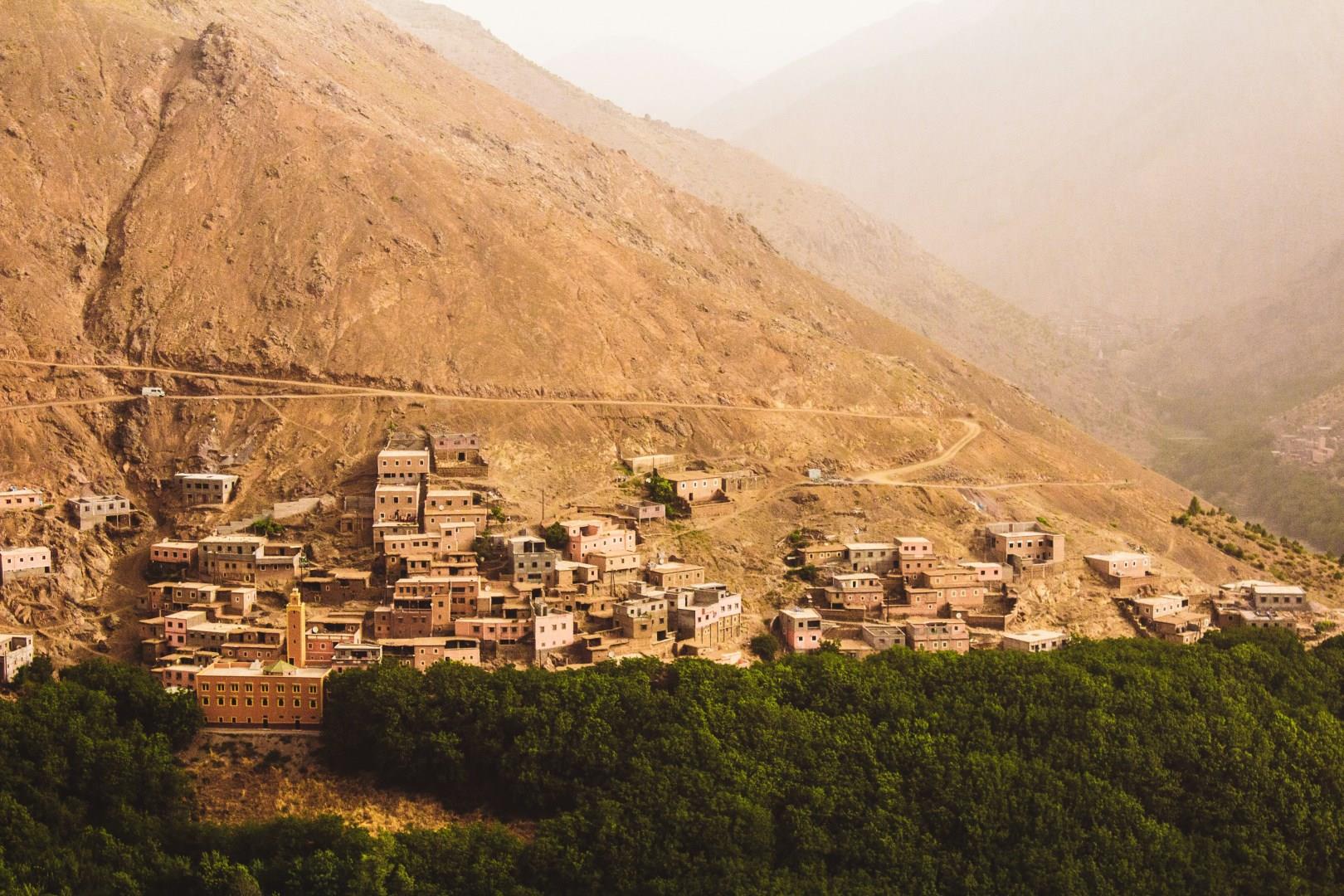
Imlil
Imlil is a small Berber village nestled in the High Atlas Mountains of Morocco, serving as a gateway to the Toubkal National Park. Its history is tied to mountain agriculture and traditional life, with stone houses and terraced fields reflecting centuries of adaptation to the rugged terrain.

Arequipa
Arequipa, known as the "White City," is built from sillar, a pale volcanic stone that glows in the sunlight. This architectural detail gives the historic center its striking appearance and has earned it recognition as a UNESCO World Heritage Site. Towering above the city is the perfectly symmetrical Misti Volcano, which, along with two neighboring peaks, forms a dramatic backdrop.

El Calafate
El Calafate, a small town in southern Patagonia, serves as the main gateway to one of Argentina’s most spectacular natural wonders, the Los Glaciares National Park. Sitting on the shores of Lake Argentino, El Calafate was once a quiet outpost known mainly for sheep farming and the hardy calafate berry. Today, it attracts travelers from around the world who come to witness massive ice formations and the shifting blue walls of nearby glaciers.
