

Papeete
The capital of French Polynesia, Papeete is a veritable island paradise with bright cerulean waters, iconic overwater bungalows, and palm trees galore.

Beaune
Located in the Burgundy Region of France, Beaune has the most prestigious vineyards in the country. This is the place to be if the words "grand cru" make your mouth water. Add to this the great gastronomique specialties of the region, gothic cathedrals, medieval villages and golden landscapes and you have many great reasons to get to know this province.

Dunedin
Dunedin is the second largest city in New Zealand and home to the world's only mainland-breeding albatross colony, the Royal Albatross Centre.
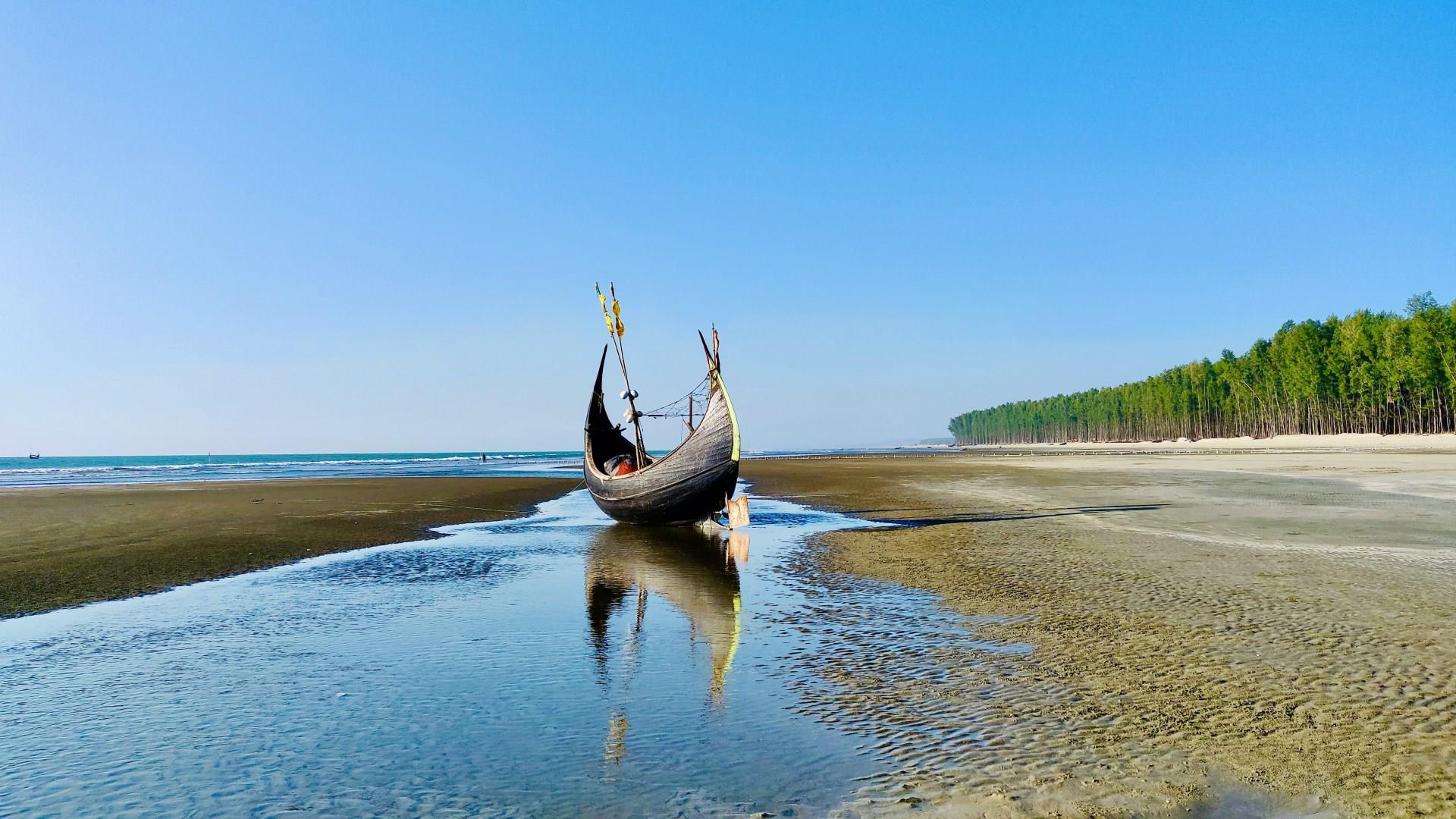
Bangladesh
Bangladesh, set in the heart of South Asia, is known for its lush greenery and waterways. It is often described as the “land of rivers,” with the Ganges, Brahmaputra, and Meghna weaving through its landscapes.

Naples
Naples, Florida, embodies the essence of coastal charm and luxury on the Gulf of Mexico. Renowned for its stunning beaches and pristine waters, Naples offers visitors a quintessential Florida experience. The city’s Naples Pier is a local landmark and a must-visit spot for panoramic views, fishing, and beautiful sunsets. Whether you’re strolling along the pier or relaxing on the sandy shores, the scenic beauty of Naples is sure to captivate.
