
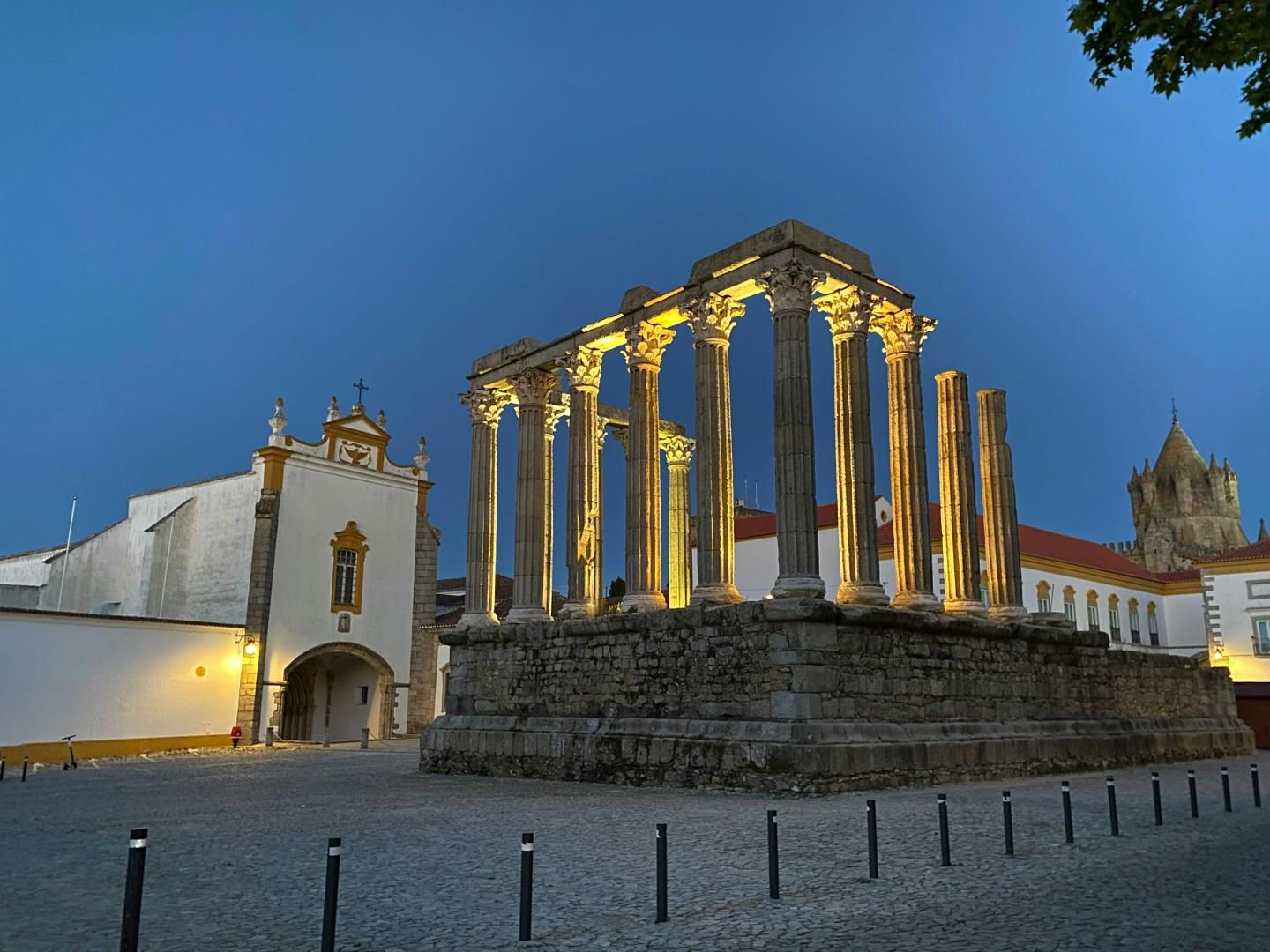
Evora
Évora, in Portugal’s Alentejo region, feels like stepping into a story that spans more than two thousand years. Its Historic Centre was named a UNESCO World Heritage Site for good reason with its ancient walls, homes with wrought-iron balconies, and narrow streets quietly preserve traces of Roman, Moorish, and medieval life. Beyond architecture and monuments, Évora reveals lesser-known treasures that reward exploration.

Skopje
Skopje, the capital of North Macedonia, offers a fascinating blend of ancient history and modern transformation. A walk through the city reveals layers of Roman, Byzantine, and Ottoman influences, making it a treasure trove for history lovers. Begin your journey at the iconic Stone Bridge, a symbol of the city that dates back to the 15th century, linking the Ottoman Old Bazaar with Skopje’s modern city center.

Austria
Austria is located just east of Switzerland; northeast of Italy. The foremost attraction is skiing or hiking the Alps--equally breathtaking whether you're among its glorious peaks or at ground level. Visit the capital of Vienna, with its original coffee houses and the opera; or take a country drive and visit its charming villages.

Cortina D'Ampezzo
Nestled in the heart of the Dolomites, Cortina d'Ampezzo is Italy's premier alpine destination, renowned for its breathtaking natural beauty and world-class ski resorts. Known as the "Queen of the Dolomites," this charming town has long been a magnet for outdoor enthusiasts and luxury travelers alike. Cortina offers some of the best skiing in Europe, all set against the dramatic backdrop of UNESCO World Heritage-listed mountains .

South Georgia
Remote, windswept, and bursting with wildlife, South Georgia is a sub-Antarctic island that surprises nearly everyone who steps ashore. Though uninhabited by civilians, the island hosts a small British research station and welcomes visitors via expedition cruises. What draws people here is not luxury or convenience, but the scale of its wildness.
