
Vesteralen
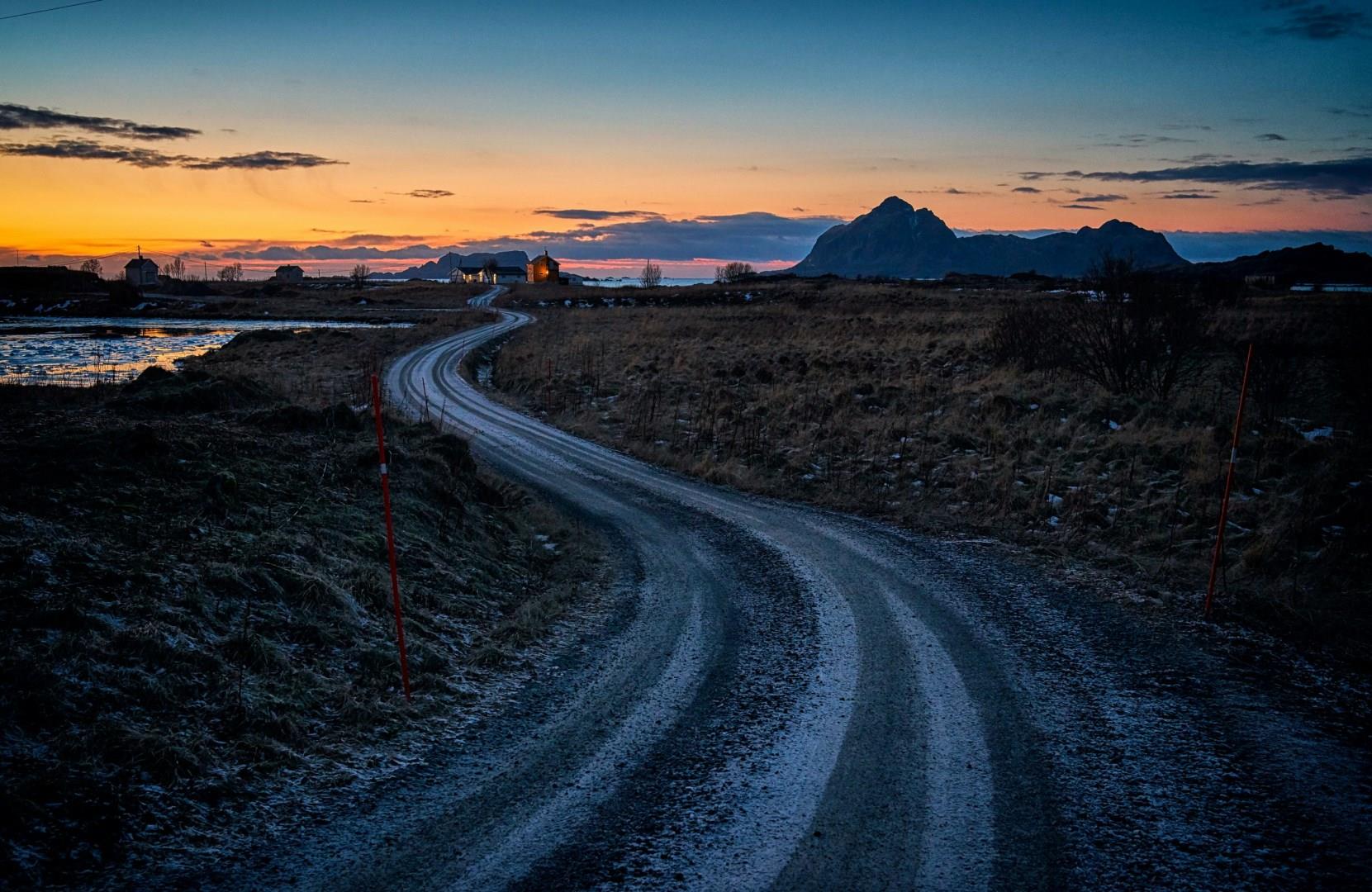
Vesteralen is a coastal archipelago in northern Norway, located just north of the Lofoten Islands, known for its wide-open landscapes, dramatic skies, and strong ties to the sea. Historically shaped by fishing and seafaring, the region’s communities developed around sheltered harbors and seasonal fisheries, particularly for cod.
Chihuahua
In northern Mexico, it is the capital of Chihuahua State and known most for the hairless dogs that bear the same name. Pancho Villa operated out of the surrounding mountains. It is a major mining and cattle raising center. The smelting plant employs many of the citizens.

Uruguay
Uruguay may be one of South America's smallest countries, but it packs a striking variety of experiences into its compact borders. From the cobbled streets of Colonia del Sacramento to the avant-garde coastline of José Ignacio, Uruguay blends old-world charm with modern personality. Montevideo, the capital, offers a glimpse into everyday life with its seaside promenade, called the “Rambla,” which stretches over 20 kilometers along the Río de la Plata.

Vancouver Island
Vancouver Island, British Columbia, is a nature lover's paradise, offering a diverse landscape that ranges from rugged coastlines to lush rainforests. The island’s stunning natural beauty is best explored through its extensive network of parks and outdoor spaces, such as the iconic Pacific Rim National Park Reserve and Strathcona Provincial Park, British Columbia’s oldest provincial park.
Pamplona
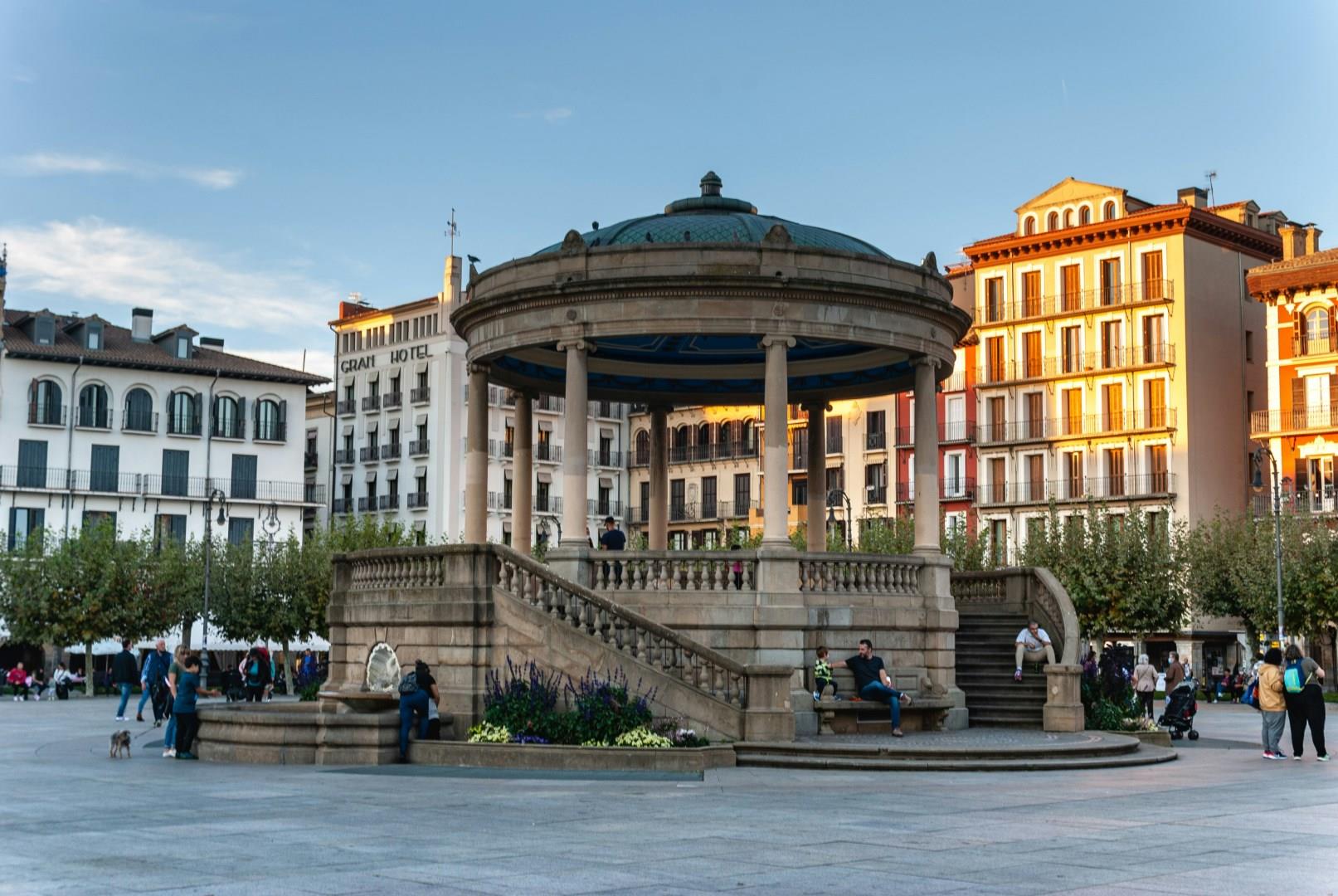
Pamplona, the capital of Spain’s Navarre region, is best known worldwide for the Running of the Bulls during the San Fermín festival each July. But beyond the brief rush of that event lies a city steeped in medieval history, Basque influence, and a slower pace that surprises many visitors. One of the most significant aspects of Pamplona is its place on the Camino de Santiago, the ancient pilgrimage route to Santiago de Compostela.
