
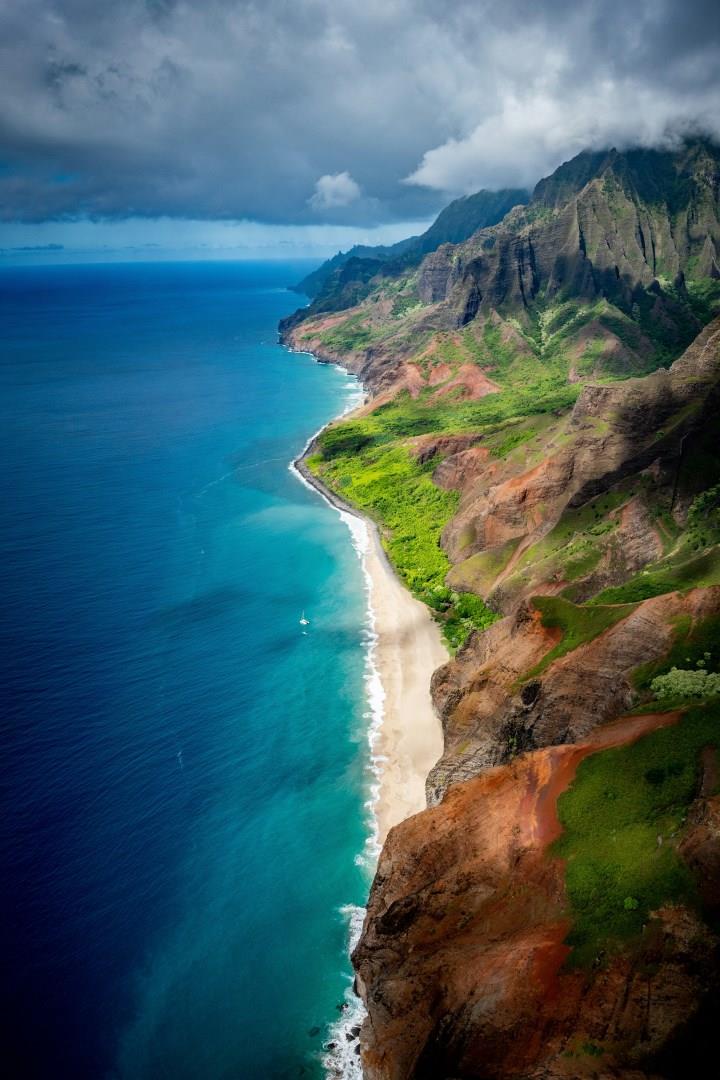
Napali Coast State Wilderness Park
Napali Coast State Wilderness Park, located on the northwestern edge of Kauai, is one of Hawaii’s most visually dramatic landscapes. The coastline stretches for 17 miles and is defined by towering cliffs, known locally as "pali," that rise over 4,000 feet above the Pacific Ocean. These rugged ridges are carved by centuries of rainfall and volcanic activity, creating a landscape only accessible by foot, boat, or air.
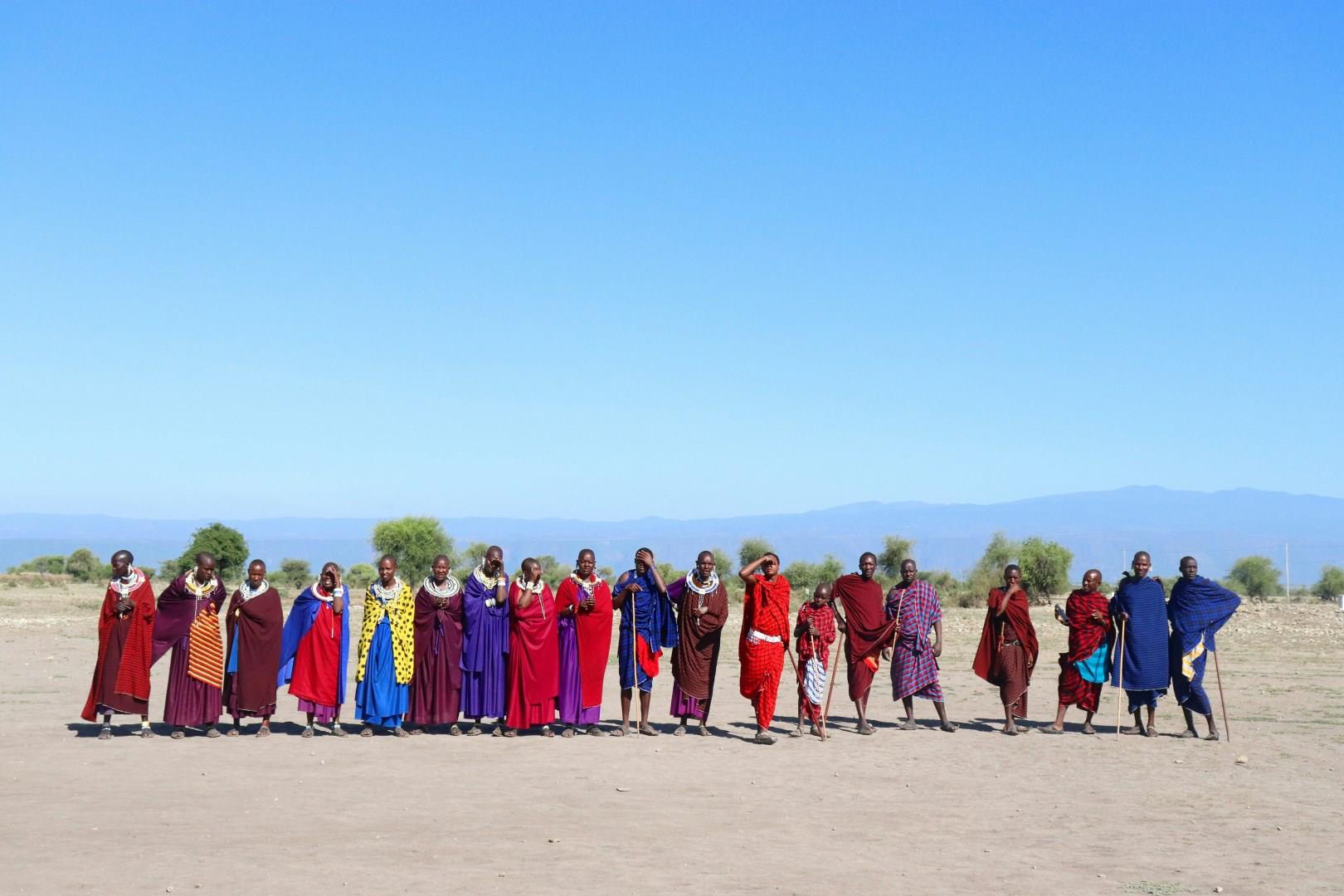
Karatu
Karatu, located in northern Tanzania between Lake Manyara and the Ngorongoro Crater, is more than just a stopover for safari-goers. This highland town, surrounded by rolling farmland and volcanic hills, offers travelers a closer look at daily life in the region. The area is home to the Iraqw people, known for their terraced farming, traditional homesteads, and unique language unrelated to most other East African tongues.
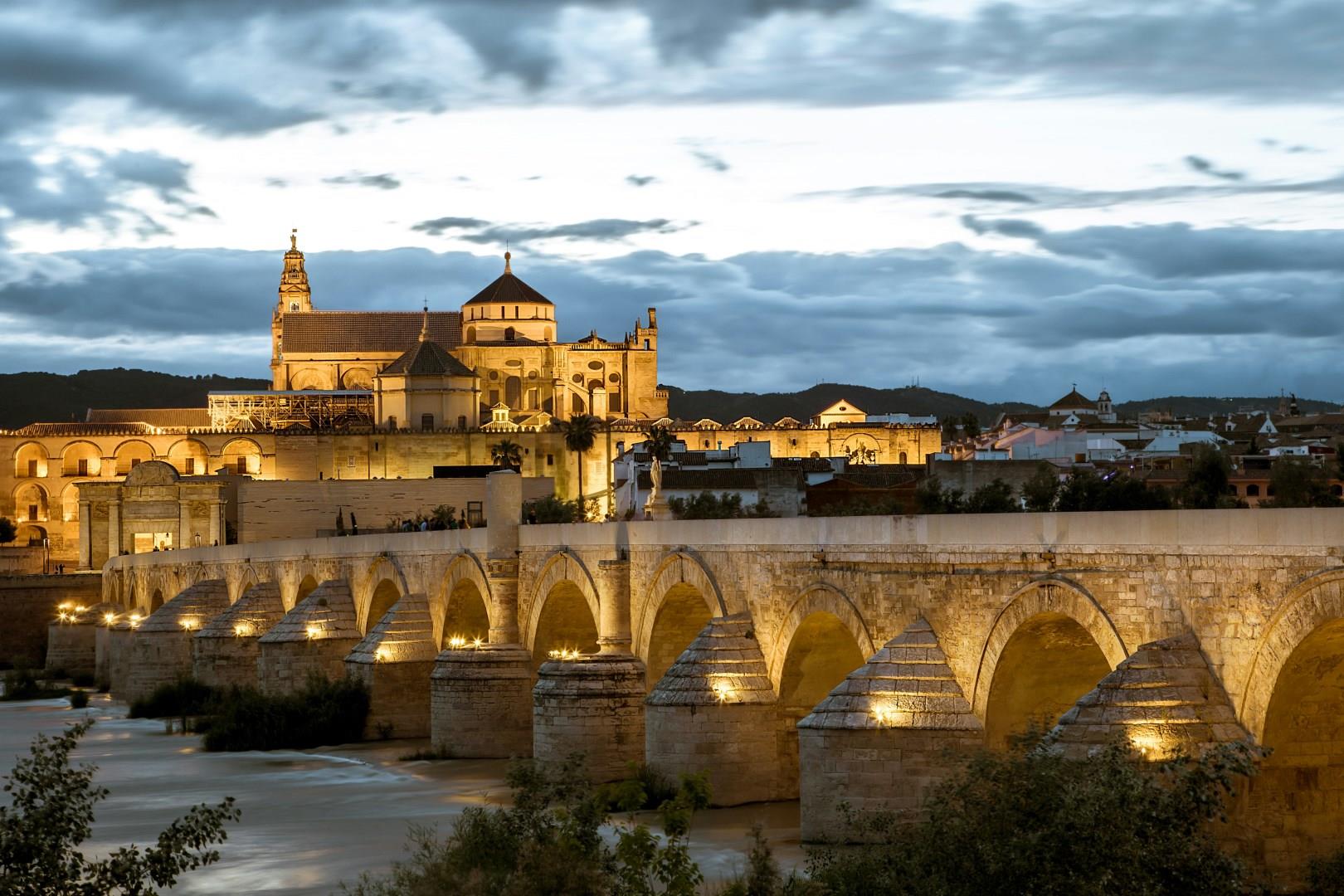
Córdoba
Córdoba, located in the heart of Andalusia, was once the most advanced city in Western Europe. During the 10th century, it served as the capital of Al-Andalus and was a center for learning, science, and art. Today, visitors walk the same streets that philosophers, poets, and physicians once crossed. The city’s most famous landmark, the Mezquita-Catedral, reflects its layered past. The red and white horseshoe arches inside are one of the most photographed interiors in Spain.
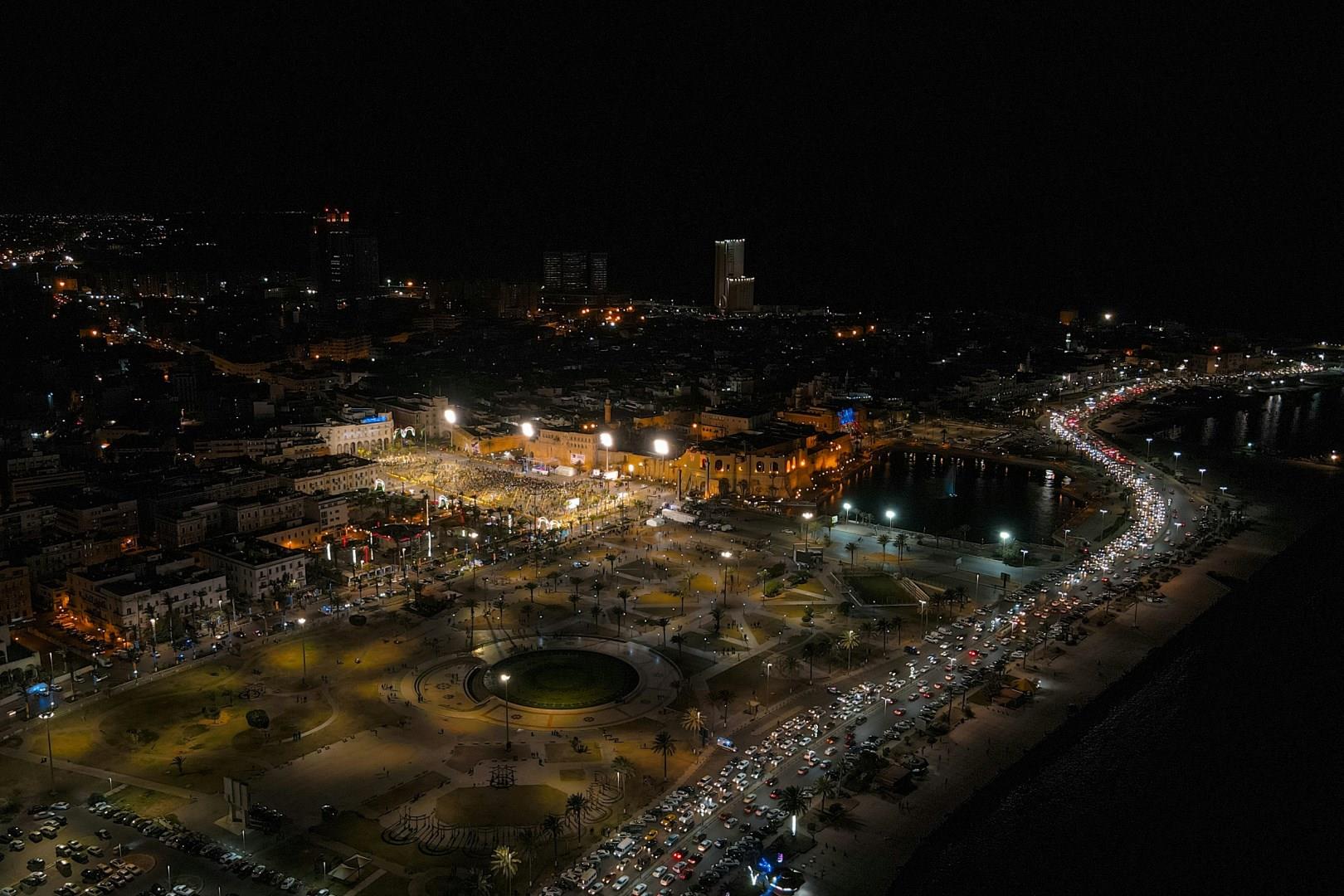
Libya
Libya, located in North Africa along the Mediterranean coast, is a country of vast deserts, ancient history, and dramatic landscapes. Much of its terrain is dominated by the Sahara Desert, with sand dunes, rocky plateaus, and oases shaping life across the country.

Bruges
Bruges, often referred to as the "Venice of the North," is a city where medieval charm meets modern allure. Nestled in the heart of Belgium's Flanders region, Bruges is renowned for its well-preserved medieval architecture, winding canals, and cobblestone streets that invite visitors to step back in time.
