

Münich
Munich is known for its architecture, fine culture, the annual Oktoberfest beer celebration, its vibrant cultural scene and its museums. But there is much more to Munich than Oktoberfest! For traditional Bavarian beauty, don't miss out on Neuschwanstein Castle, one of the most visited castles in Germany.
Corcovado
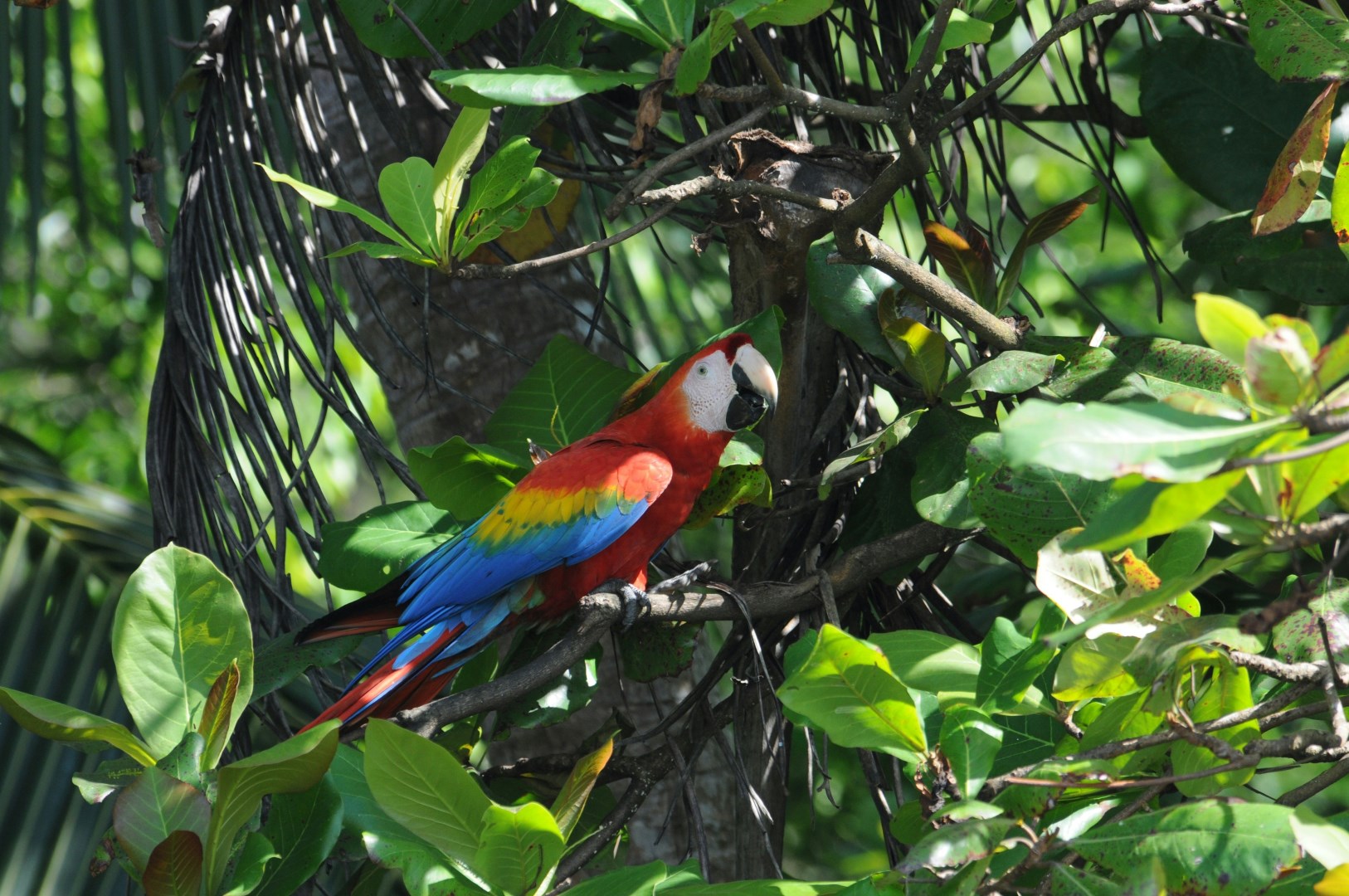
On the remote Osa Peninsula, Corcovado National Park unfolds as a vast stretch of rainforest meeting the Pacific Ocean. This protected area covers a large portion of the peninsula and is often described by scientists as one of the most biologically intense places on Earth. Dense jungle, quiet beaches, and winding rivers sit side by side, creating a landscape where visitors may walk from thick forest into open coastline within minutes.
Fuengirola
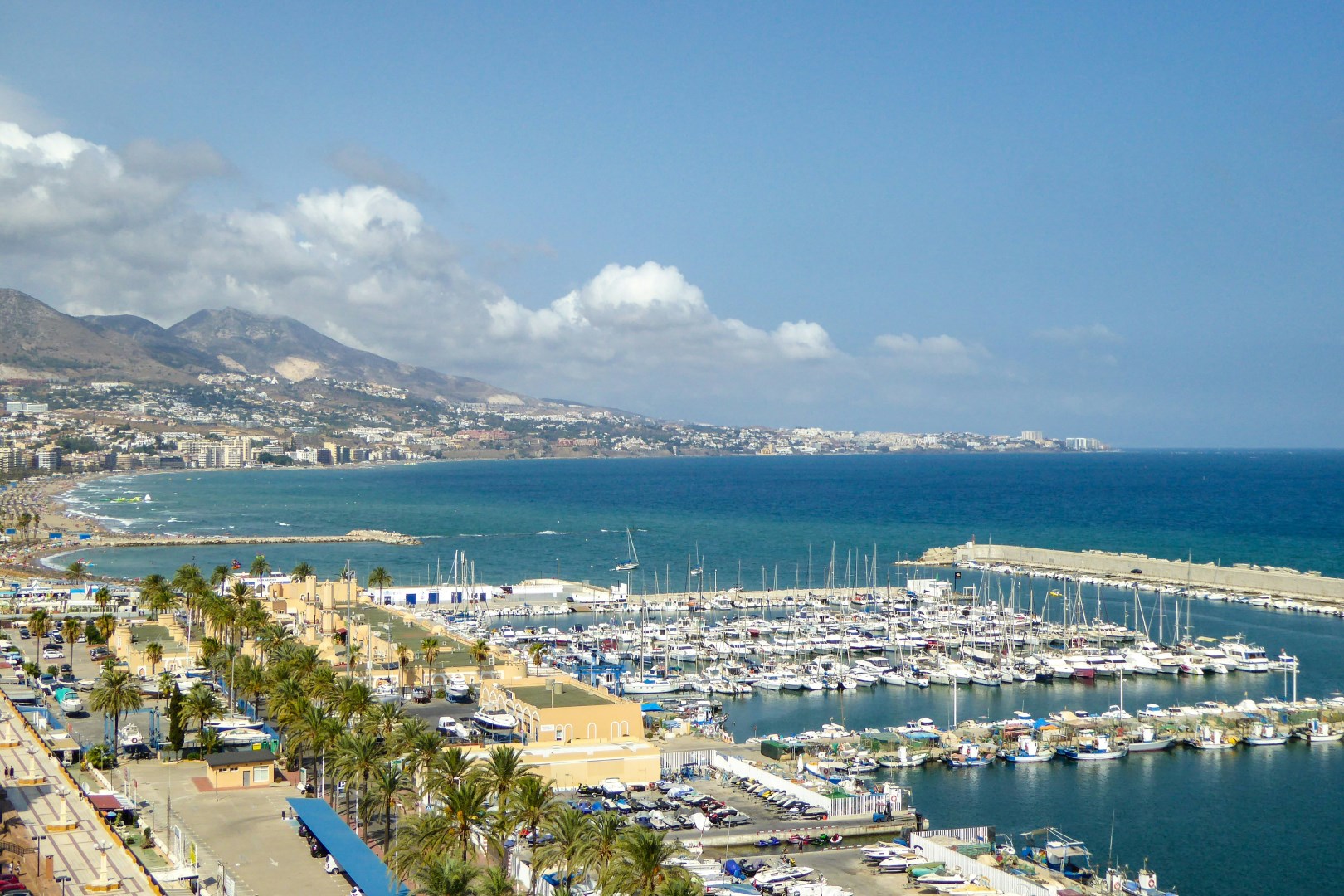
Fuengirola is a coastal town in southern Spain, located on the Costa del Sol in the province of Málaga. It stretches along a wide sandy shoreline backed by a dense urban area of apartments, hotels, and promenades.

Cuenca
Nestled in the Andes Mountains, Cuenca, Ecuador, is a city that seamlessly blends colonial charm, cultural richness, and natural beauty. Known as the “Athens of Ecuador” due to its vibrant intellectual and cultural life, Cuenca's historic center is a UNESCO World Heritage Site that delights visitors with its cobblestone streets, whitewashed buildings, and red-tiled roofs.
Orpheus Island
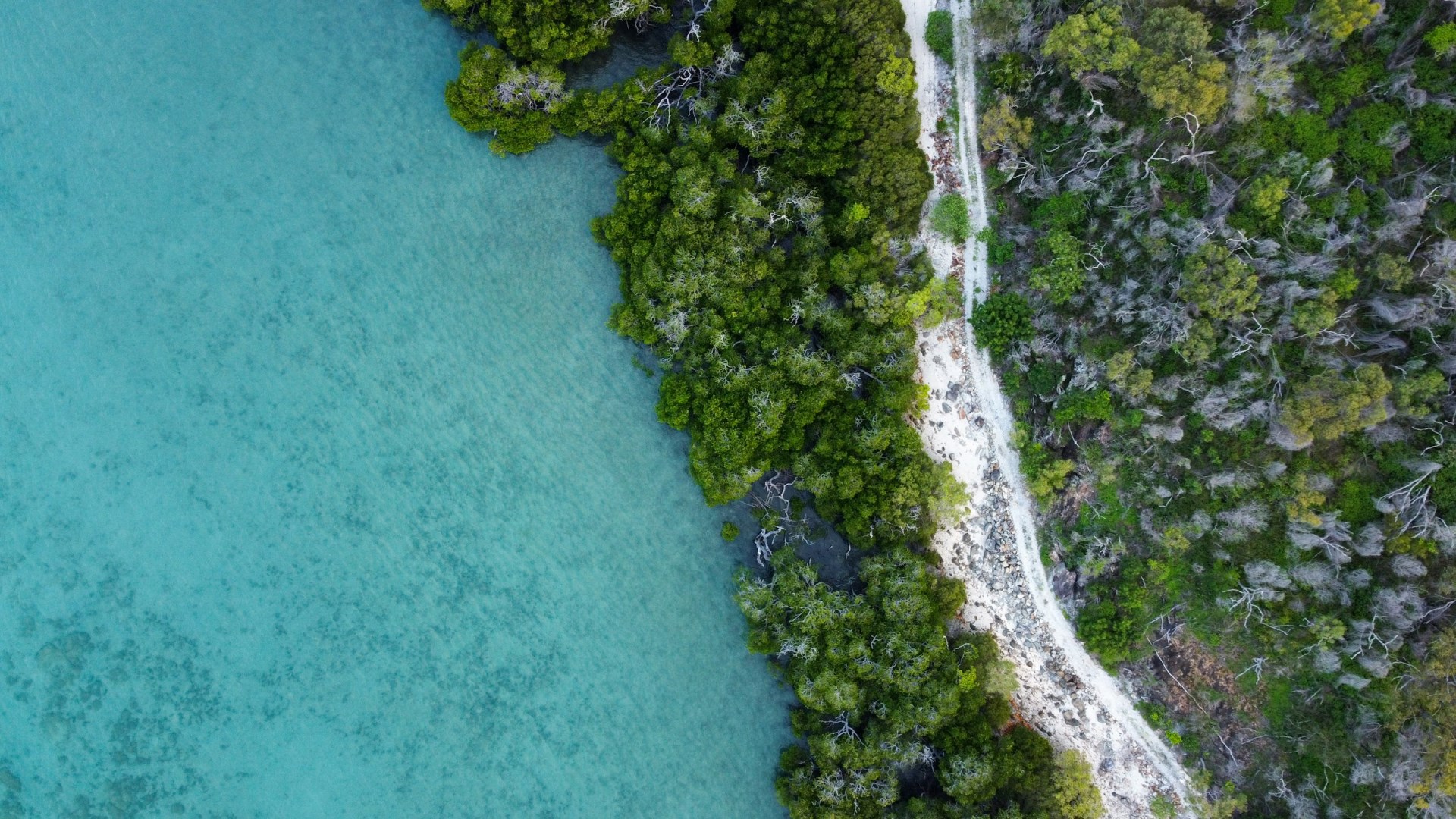
Orpheus Island is totally unspoilt and has its own National Park. Beautiful sunny beaches offer you total seclusion. You can also enjoy sailing, windsurfing, snorkeling and coral viewing. A choice of beach-front bures or studios, along with some of the fines food and wine selections in Australia, make Orpheus a great choice for your island stop over.
