
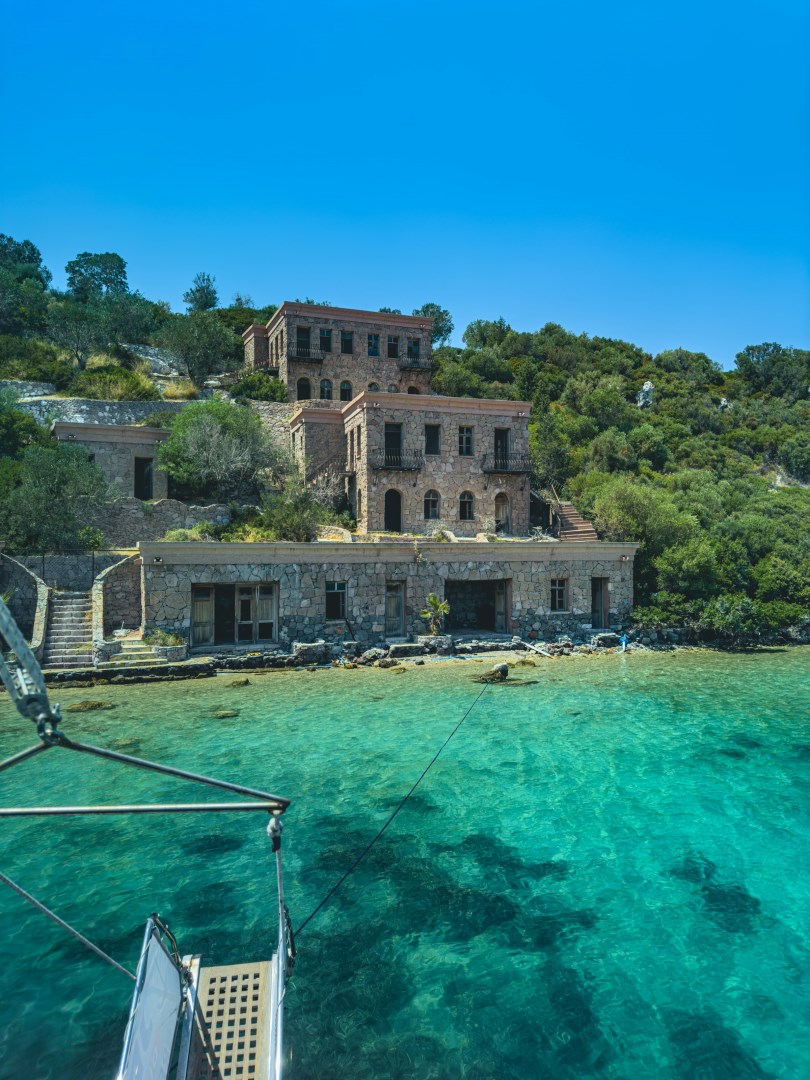
Dikili
Dikili leads the way to the ancient city of Pergamum, also known as Bergma. This city thrived under the Romans from the 2nd century BC to the 2nd century AD. One of the most fascinating aspects of the ancient site is the medical complex, Asklepieon, where advanced psychological treatments were practiced.
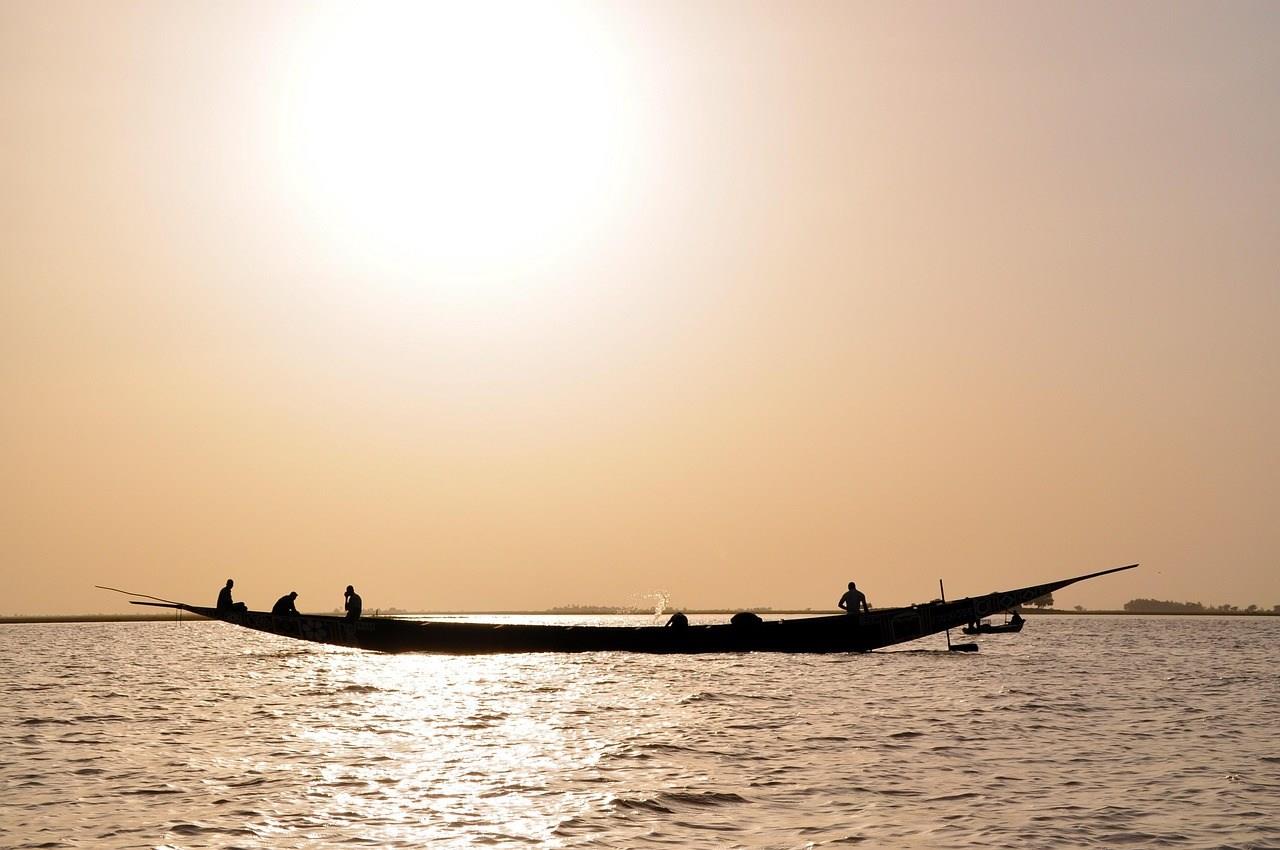
Niger
Niger, located in West Africa, is a country of vast landscapes and diverse cultures. Much of its territory is covered by the Sahara Desert, with rolling sand dunes, rocky plateaus, and oasis towns defining the northern regions.
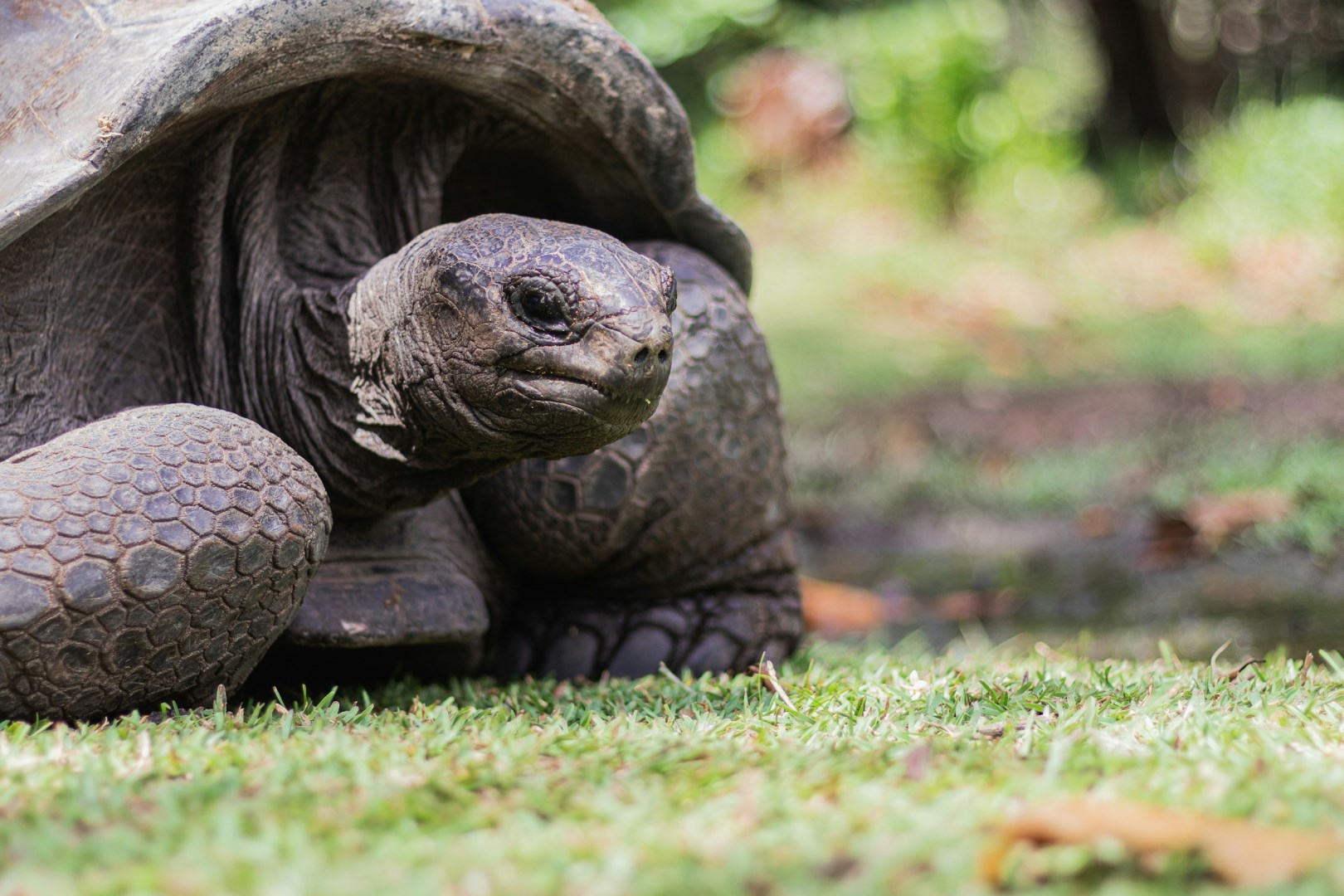
Alphonse Atoll
Alphonse Atoll, located in the Seychelles, is a true paradise for nature lovers and adventure seekers. This remote atoll, part of the Outer Islands of the Seychelles, is renowned for its stunning coral reefs, pristine white-sand beaches, and crystal-clear waters. The atoll is a haven for marine life, including vibrant coral formations and diverse fish species, making it an ideal destination for snorkeling and diving enthusiasts.
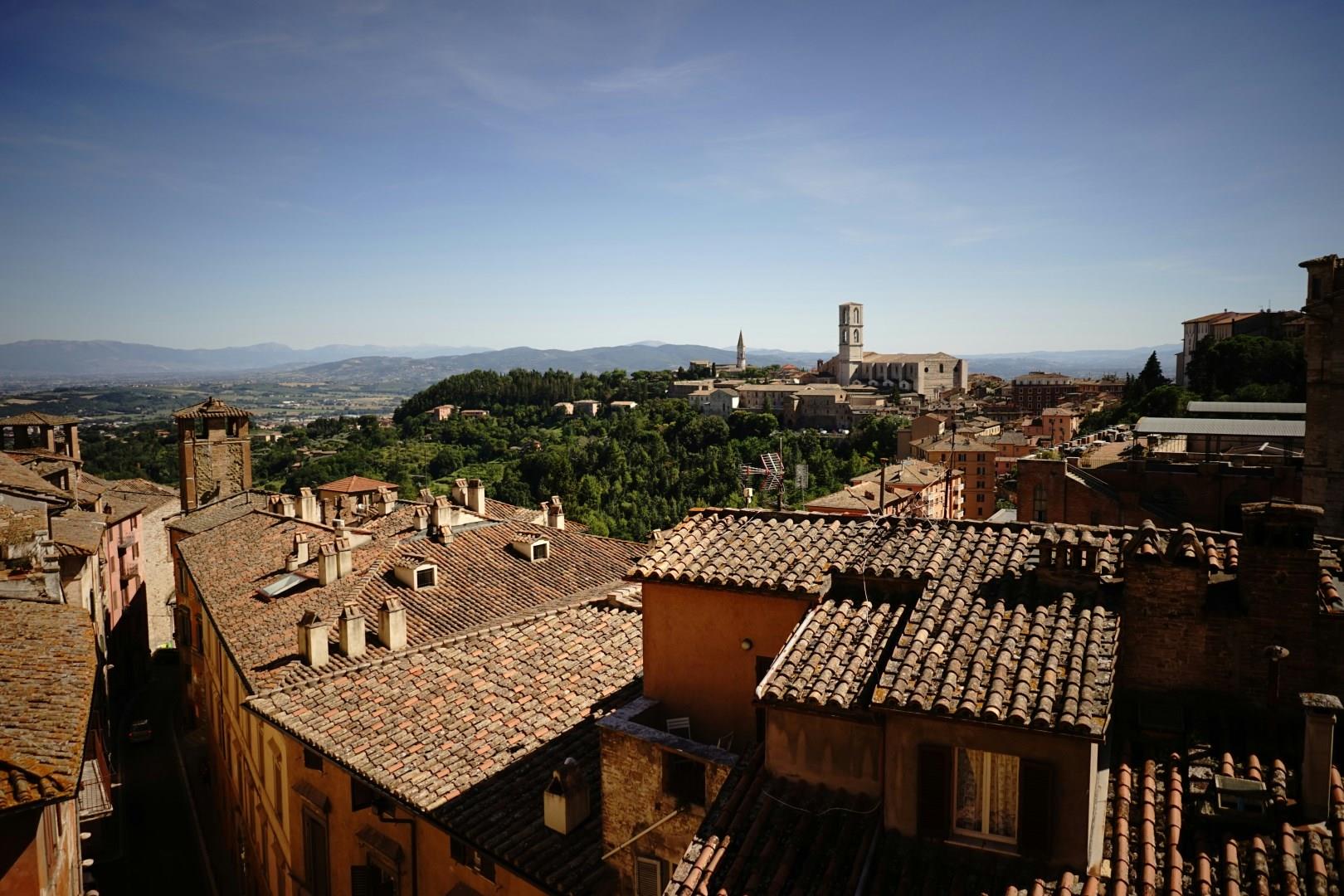
Perugia
Perugia, the capital of Italy’s Umbria region, is a city built across hills and centuries. Originally settled by the Etruscans more than 2,500 years ago, it still holds remnants of their civilization, including one of the largest surviving Etruscan arches in Italy named Arco Etrusco, which greets visitors at the city’s entrance. Walking through the narrow streets of the historic center reveals layers of Roman, medieval, and Renaissance architecture, all woven together within ancient stone walls.

Bar
Bar, a coastal town in Montenegro, is known for its scenic beaches and centuries-old landmarks. One of the town’s most significant historical sites is Stari Bar, an ancient fortress settlement set against the dramatic backdrop of Mount Rumija.
