
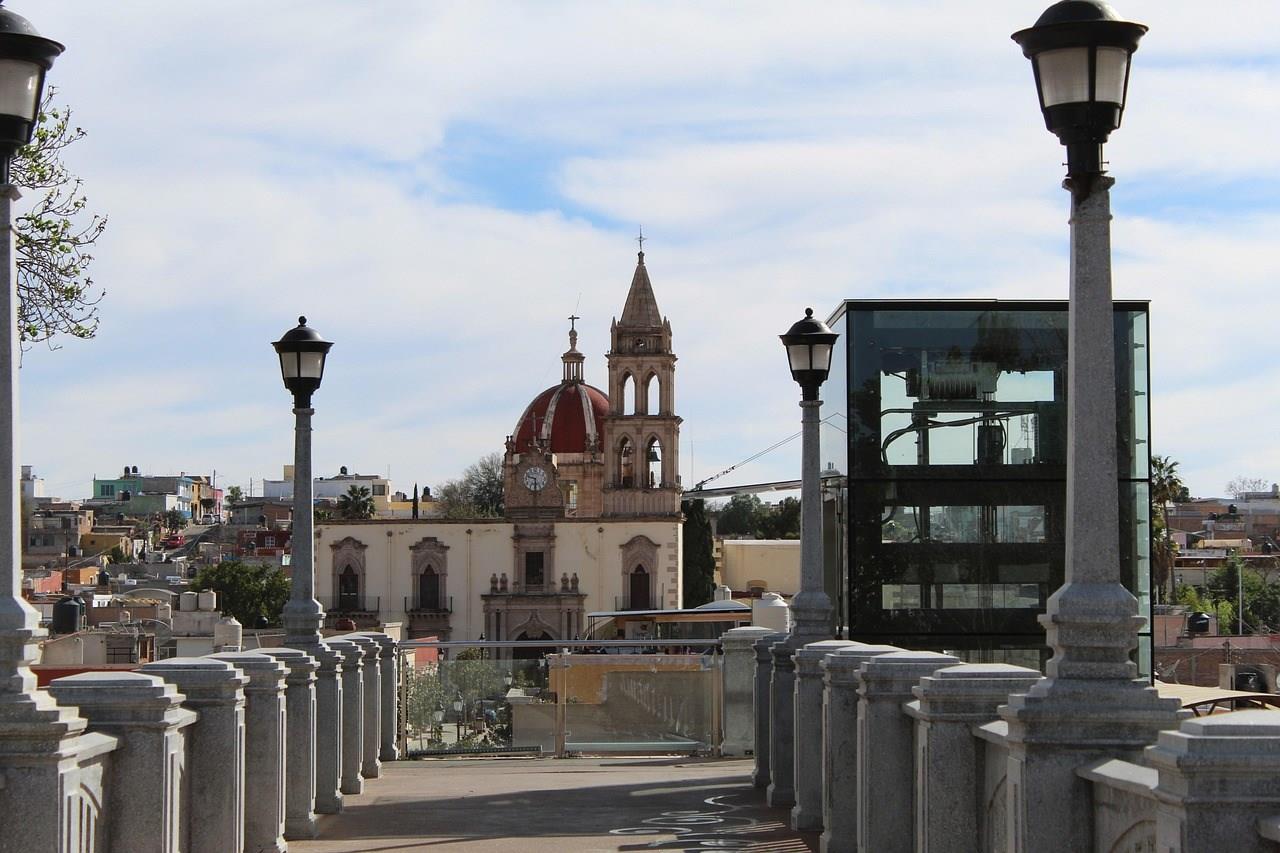
Durango
Victoria de Durango rises on a high plateau Mexico’s Sierra Madre Occidental, founded in 1563 by Francisco de Ibarra. Its streets trace layers of history: the historic center holds the most listed buildings in northern Mexico and remains a notable stop on the Camino Real de Tierra Adentro, now a UNESCO World Heritage route.

Borgarfjörður
Borgarfjörður, nestled in the heart of West Iceland, offers a captivating blend of natural beauty and cultural heritage. The fjord, surrounded by dramatic mountains and lush green landscapes, provides a picturesque setting for outdoor enthusiasts and nature lovers. One of the highlights of the area is the magnificent Hraunfossar waterfalls, where crystal-clear water cascades over lava fields into the Hvítá River, creating a breathtaking spectacle.

Saint-Tropez
Saint-Tropez, located on the glamorous French Riviera, epitomizes luxury and allure. Once a quaint fishing village, this iconic destination has evolved into a playground for celebrities and discerning travelers. Visitors are greeted by the picturesque Old Port, lined with elegant yachts and vibrant cafés where you can savor the Mediterranean ambiance. The colorful façades and narrow streets of the old town offer a charming backdrop for leisurely strolls and lively markets.

Vail
Nestled in the heart of the Colorado Rockies, Vail is a premier destination renowned for its world-class skiing and charming alpine ambiance. The town’s centerpiece is Vail Mountain, a sprawling 5,300-acre ski resort that offers an extensive network of trails for all skill levels. Whether you’re a seasoned skier or a first-timer, Vail’s slopes provide exhilarating experiences and breathtaking mountain views.

Takoradi
Sekondi-Takoradi, often referred to as the Western Region's commercial hub, is a dynamic urban area brimming with both historical charm and modern vibrancy. The twin cities, Sekondi and Takoradi, offer a unique blend of traditional culture and contemporary development.
