
Hambantota
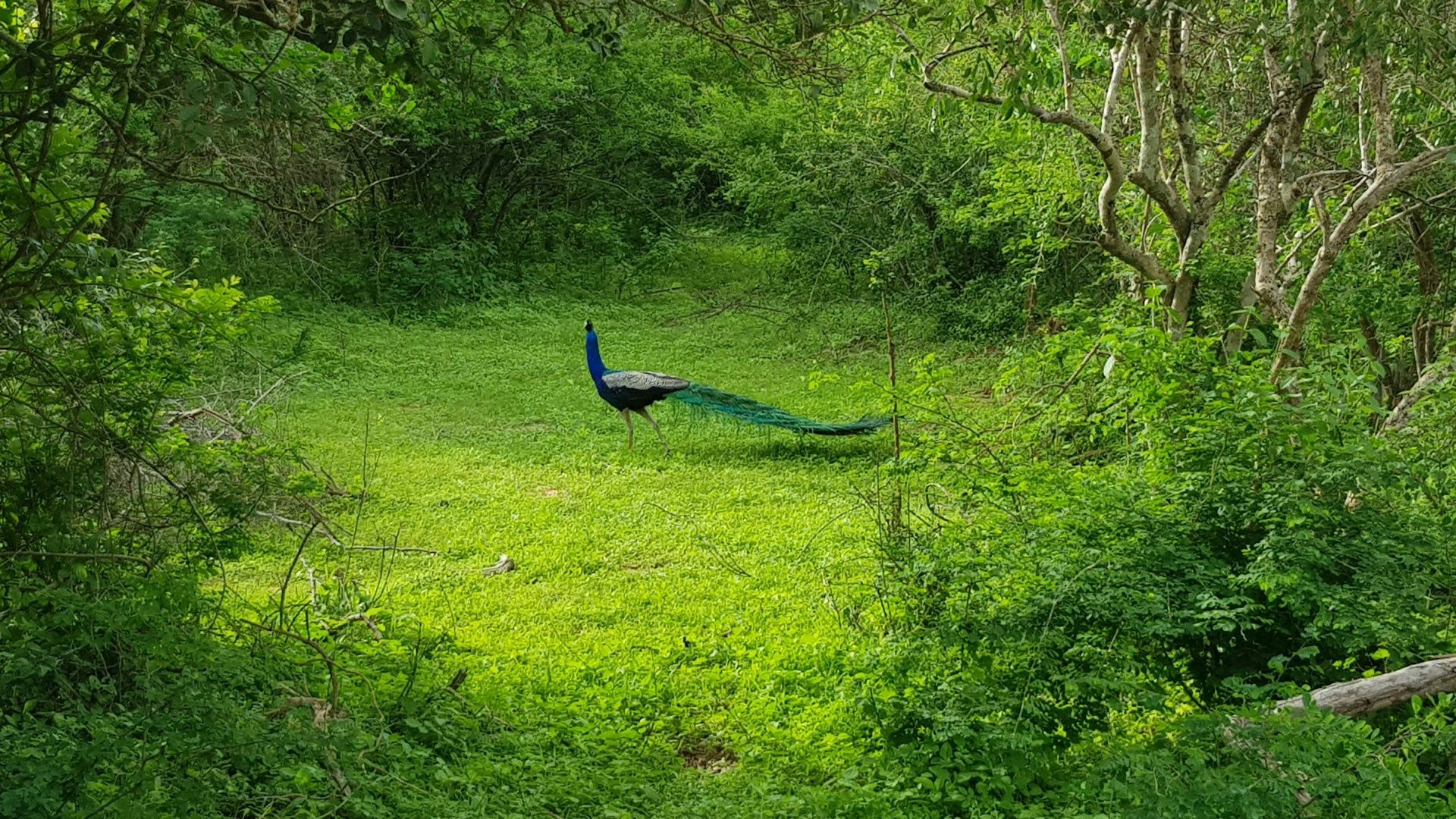
Hambantota is a coastal city in Sri Lanka’s Southern Province, set along a dry, sunlit stretch of the island’s southeastern coast. Its landscape combines the Indian Ocean, salt pans, scrubland, lagoons, and agricultural areas, giving the city a different character from the wetter coastal towns farther west. Hambantota is an important regional center and a gateway to several major wildlife destinations.

Dominica
Dominica, known as the “Nature Island of the Caribbean,” is a haven for eco-tourists and adventure seekers. Nestled between the French islands of Guadeloupe and Martinique, this lush island boasts a remarkable landscape of volcanic mountains, dense rainforests, and stunning waterfalls. Dominica’s most iconic natural wonder is the Boiling Lake, the second-largest hot spring in the world.
Chitwan National Park
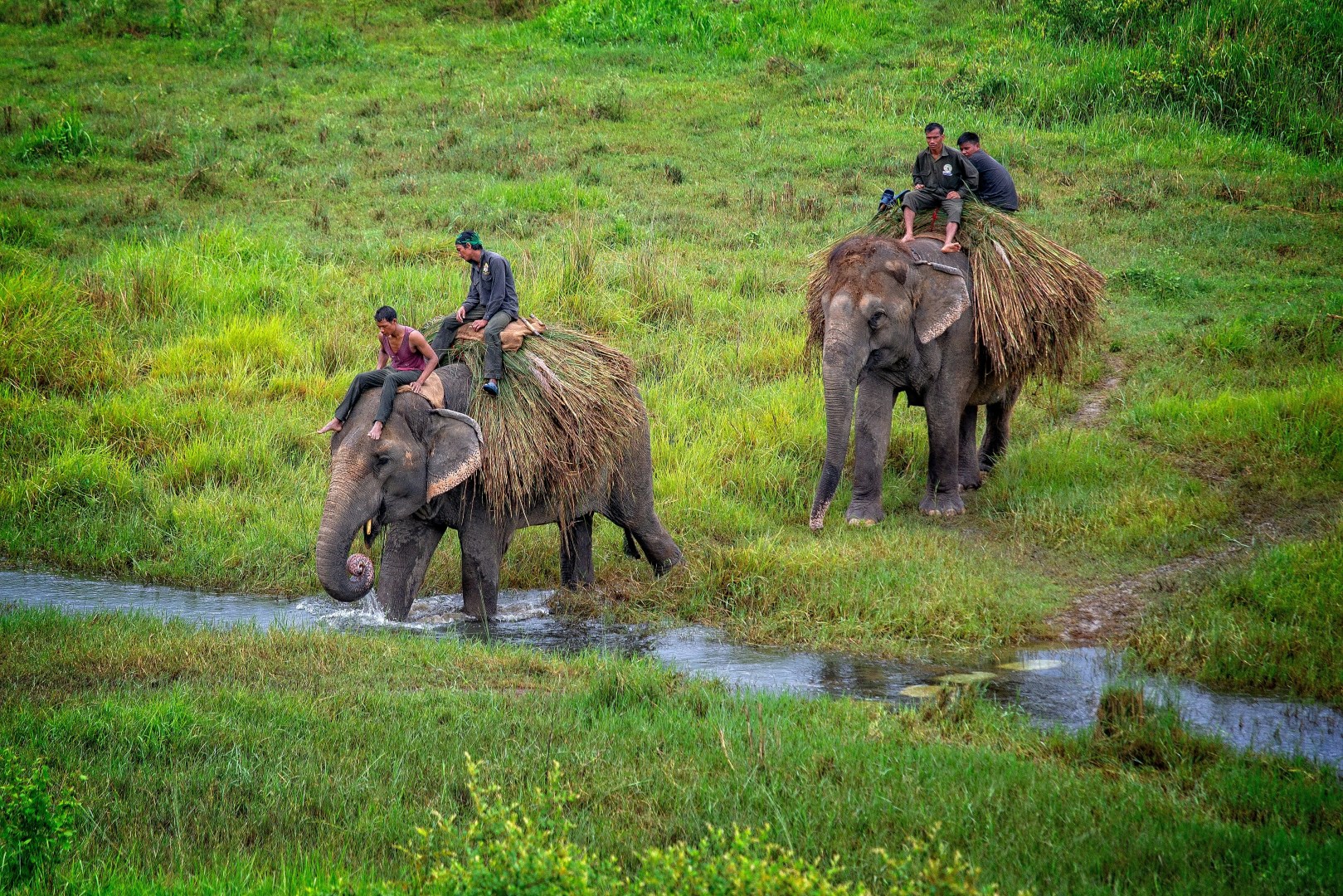
Chitwan National Park is one of Nepal’s most important protected natural areas. Located in the subtropical lowlands of southern Nepal, the park is known for dense sal forests, grasslands, rivers, and a large concentration of wildlife.

Granada
Granada, nestled at the foot of the Sierra Nevada mountains in southern Spain, is a city where history and culture converge in a mesmerizing blend. The jewel of Granada is the Alhambra, a stunning palace and fortress complex that dates back to the 13th century. This UNESCO World Heritage Site is a testament to the city's Moorish past, showcasing intricate Islamic art and architecture.

Viñales
Nestled in the lush landscapes of western Cuba, Viñales offers an enchanting escape into a world where time seems to slow down amidst breathtaking natural beauty. Renowned for its striking limestone formations, known as mogotes, the Viñales Valley is a UNESCO World Heritage Site and a paradise for nature enthusiasts. The valley's dramatic scenery provides an ideal backdrop for hiking, horseback riding, and exploring underground caves like the Cueva del Indio.
