
Kotka
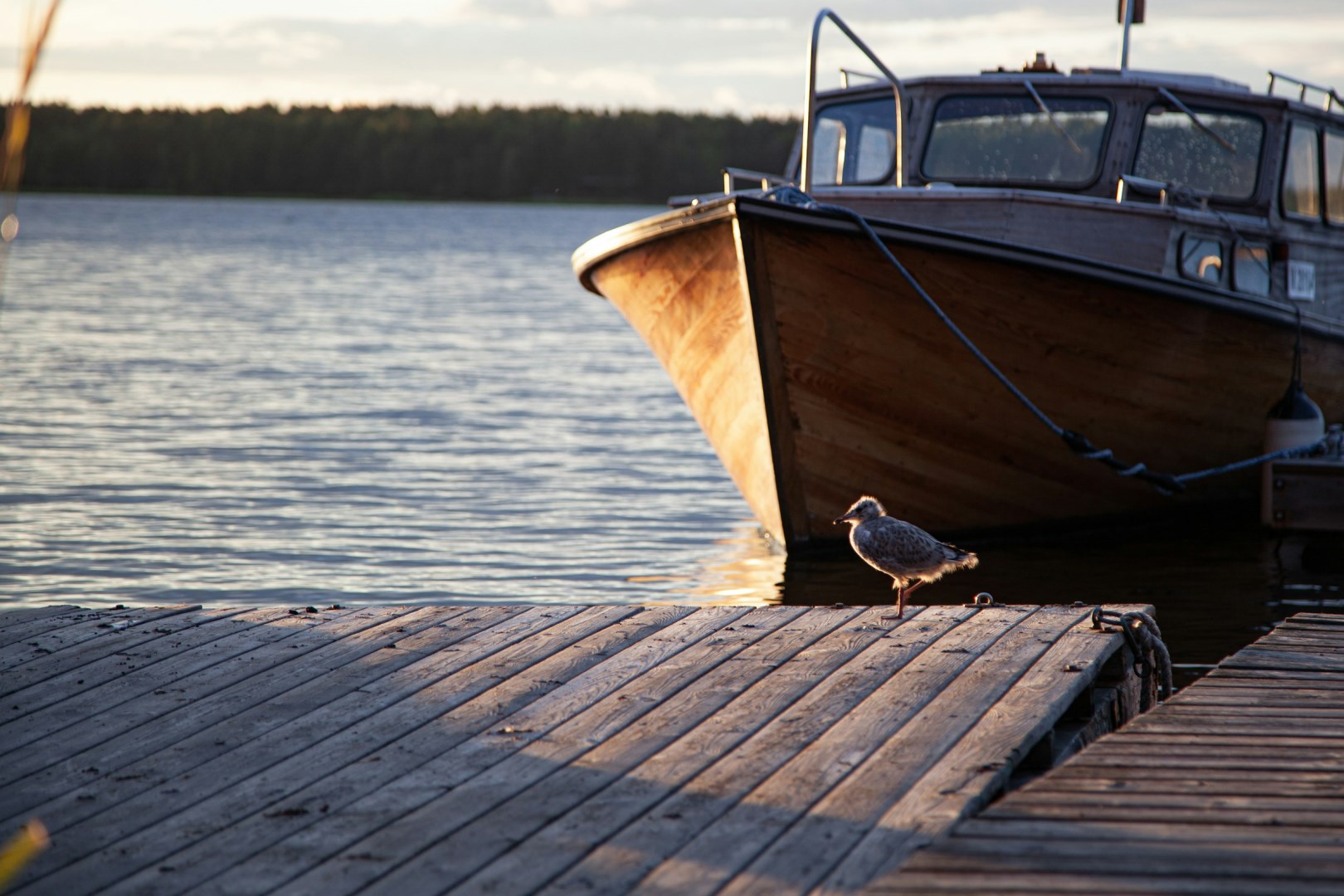
Located on the southern coast of Finland at the delta of the Kymi river, the city of Kotka is a major Finnish sea port. Perhaps the best-known attraction of this multicultural and creative city is the country's largest urban maritime festival, an annual celebration that includes boating events, dance and music performances, and Finland's largest parade which marks the beginning of the city-wide event.
Pinnawala Elephant Orphanage
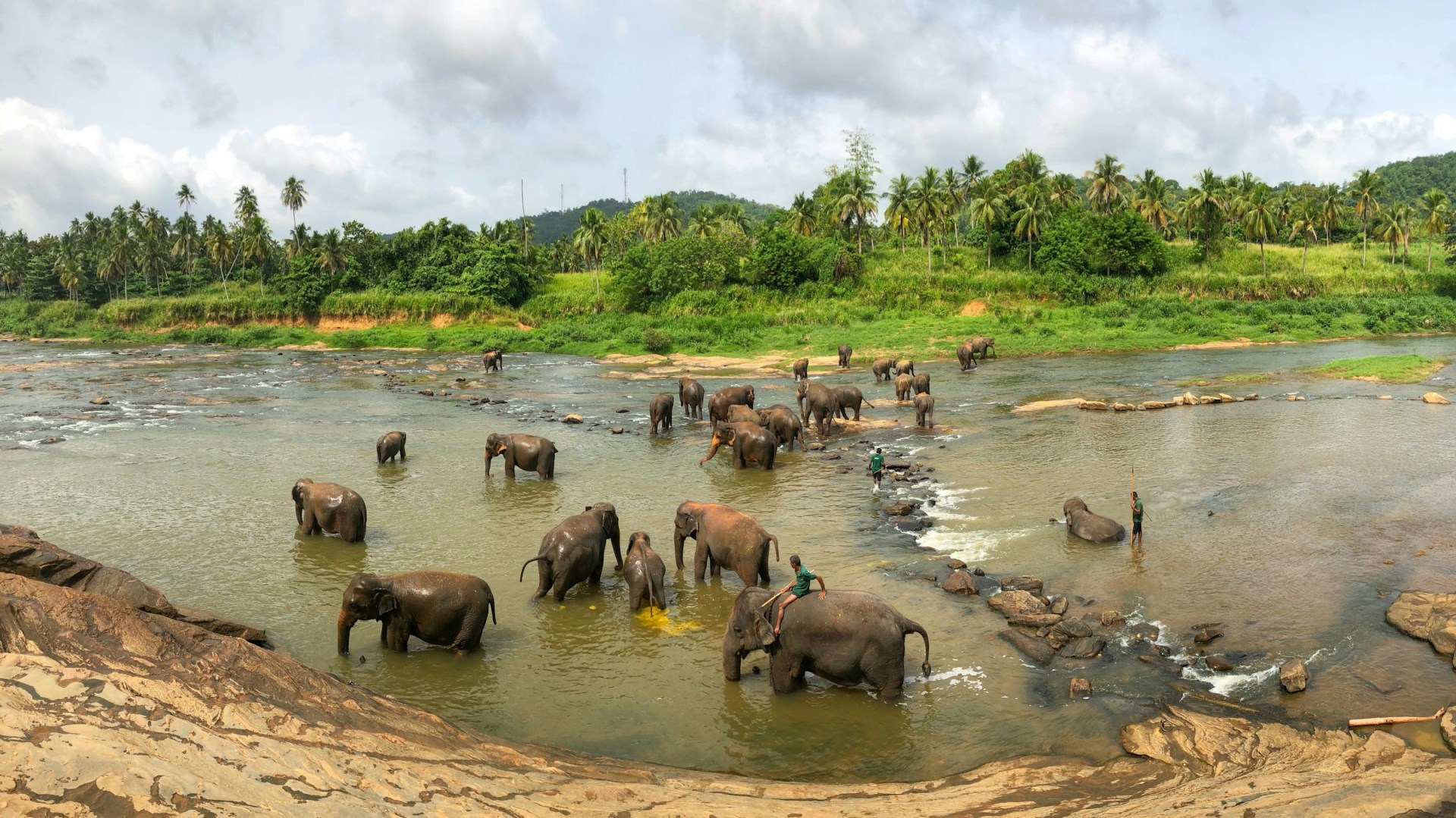
Pinnawala Elephant Orphanage is a well-known elephant care facility in Pinnawala village, in Sri Lanka’s Sabaragamuwa Province, about 13 kilometers northeast of Kegalle. Set on a large property beside the Maha Oya River, the facility provides care for Asian elephants and has become one of the country’s most recognized wildlife attractions. Its setting combines open grounds, coconut trees, and riverbanks where elephants can be observed during parts of their daily routine. The facility is managed
Scoresby Sund
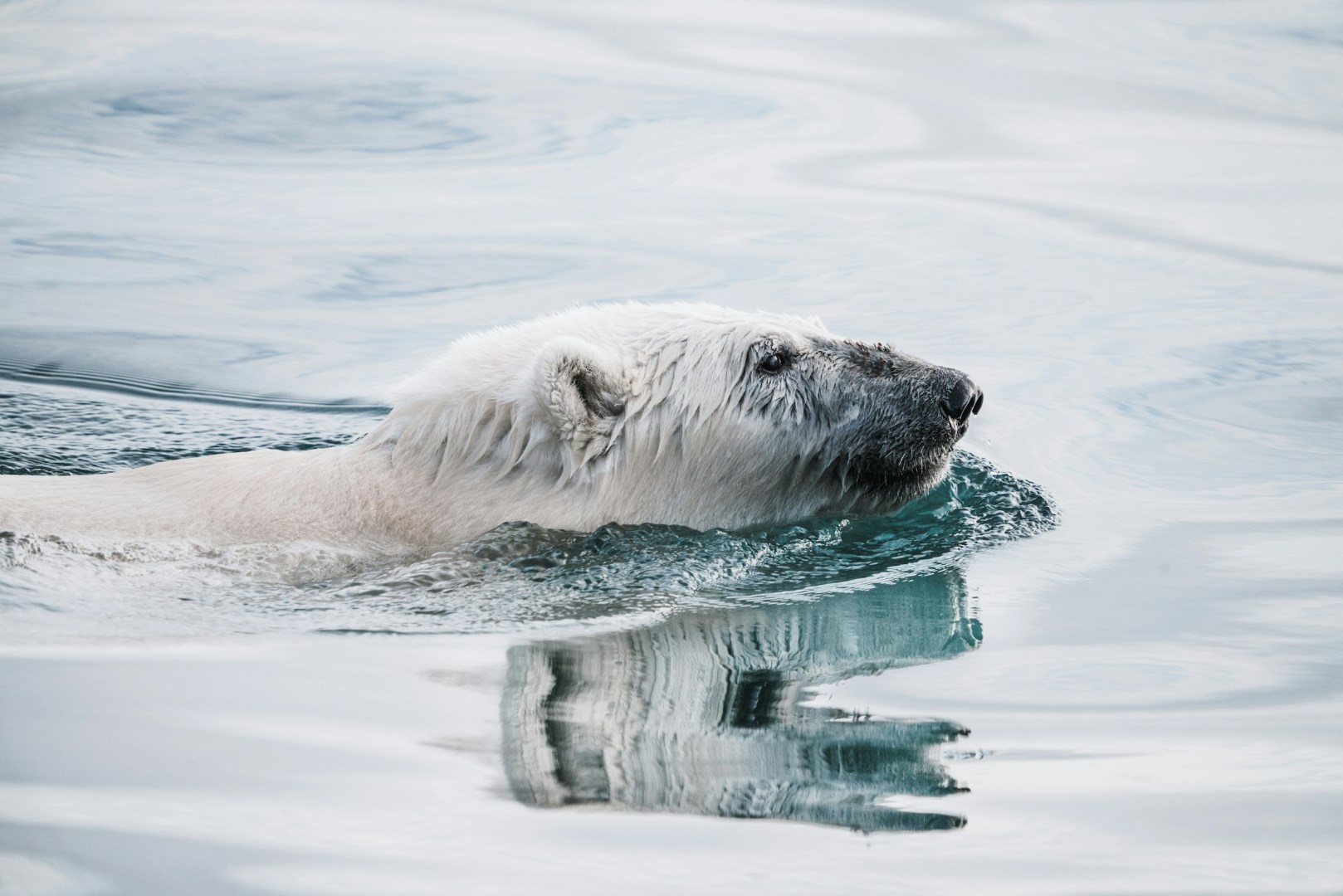
Scoresby Sund (Kangertittivaq in Greenlandic), on the eastern coast of Greenland, is the largest and longest fjord system in the world. On the northern side of the fjord's mouth sits Ittoqqortoormiit, the only permanent settlement in the region and home to less than 500 residents. The region is well-known for its Arctic flora and fauna.
Noosa Heads
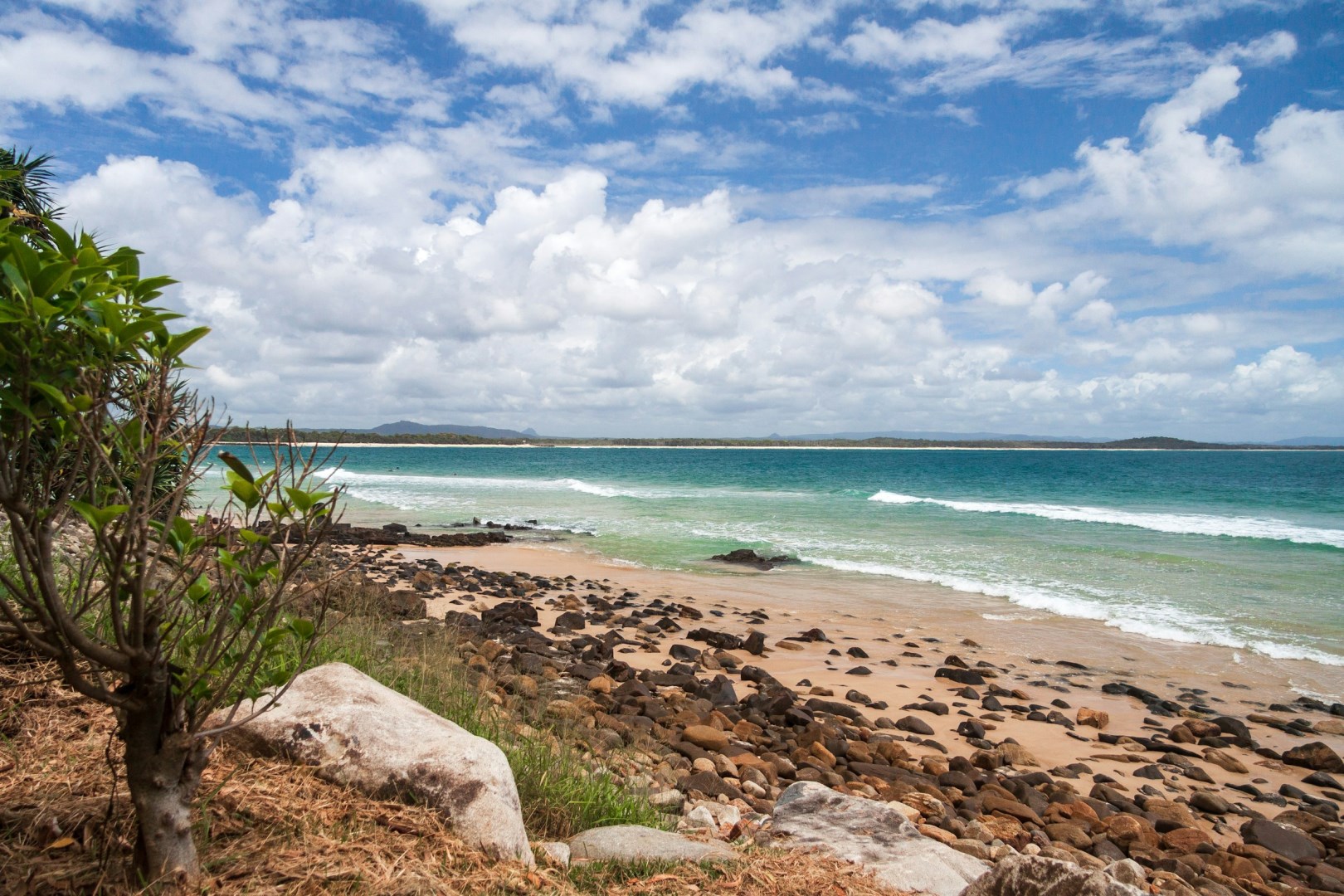
Noosa Heads, located on Queensland’s Sunshine Coast, is a coastal town renowned for its pristine beaches, lush hinterland, and relaxed yet sophisticated atmosphere. The town sits at the mouth of the Noosa River, where calm waterways meet the Pacific Ocean, creating ideal conditions for swimming, kayaking, and paddleboarding.
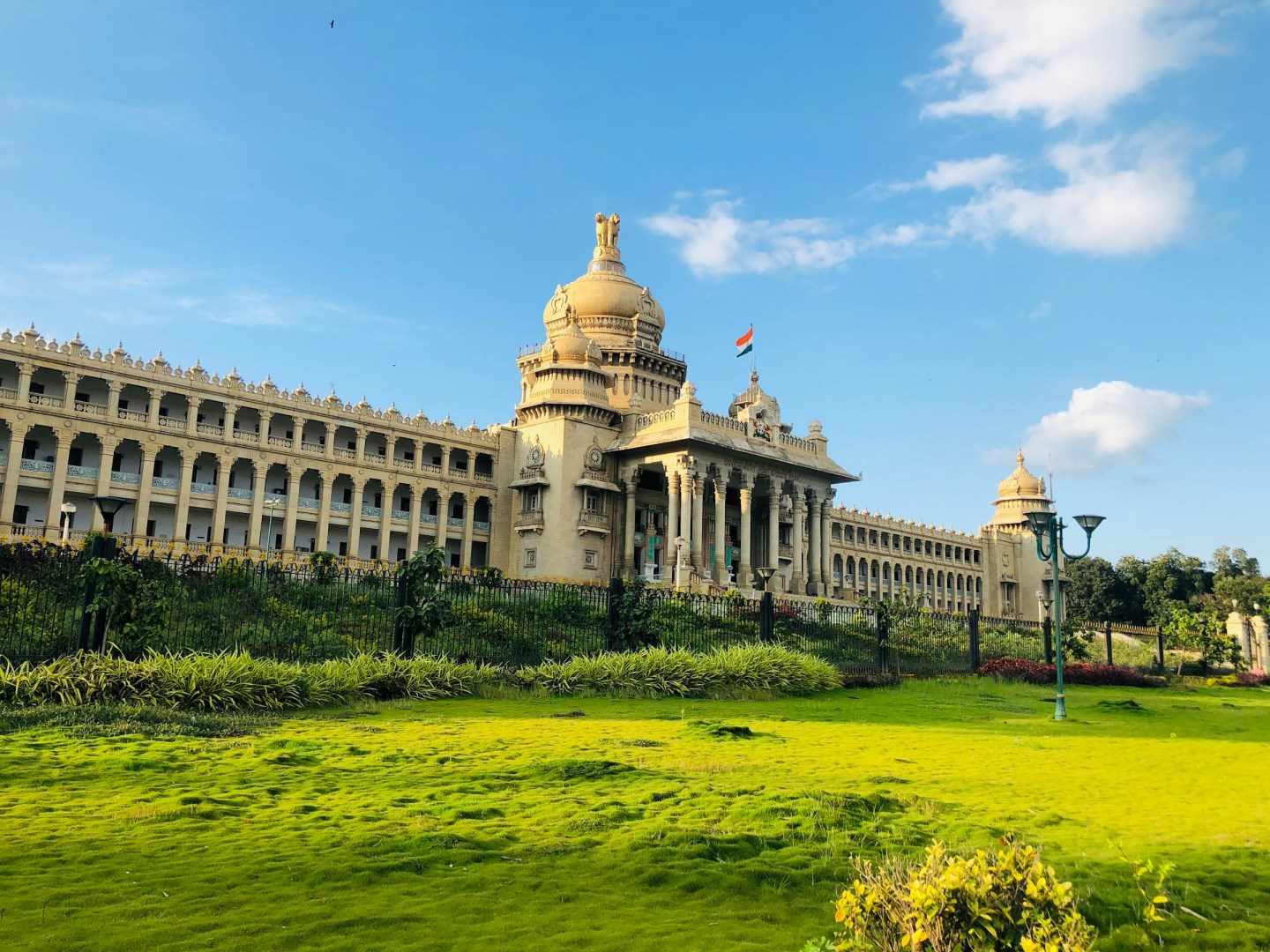
Bengaluru
The capital of Karnatika State, Bangalore is known as the "Garden City", and has a pleasant climate. Visit the Summer Palace of Tippu Sultan, the Bull Temple and the Botanical Gardens of Lal Bagh.
