

South America
South America is a continent of striking contrasts, where towering mountain ranges meet vast rainforests, arid deserts, and sprawling coastlines. From the icy fjords of the south to the tropical warmth of the north, each region offers its own landscapes, wildlife, and cultural expressions.

Arches National Park
Arches National Park, located in eastern Utah, is a mesmerizing landscape filled with more than 2,000 natural stone arches, pinnacles, and balanced rocks sculpted by centuries of wind and water erosion. One of the most iconic landmarks is Delicate Arch, a freestanding red rock formation that has become a symbol of Utah itself.
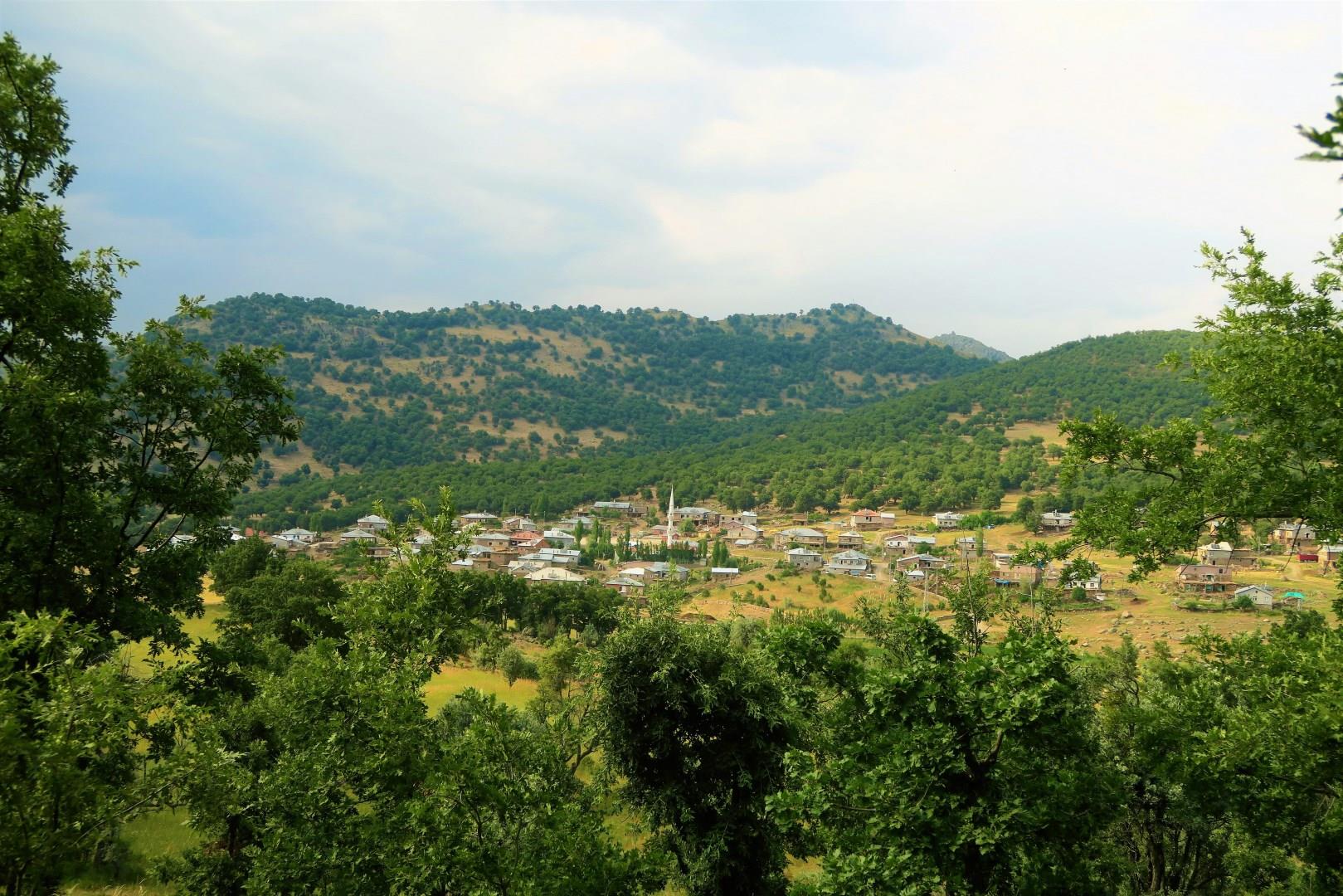
Konya
Konya has served as a spiritual center for centuries. Every December, the Şeb‑i Arûs festival marks the passing of Rumi, the Persian mystic, and draws Sufis and visitors from around the world to witness the Sema. Whirling dervish dance is performed to the sound of ney flutes and drums. In one of the country's most hushed and vivid traditions, performers spin in unison in flowing white skirts, a scene that blends meditation with graceful motion in a way found nowhere else.
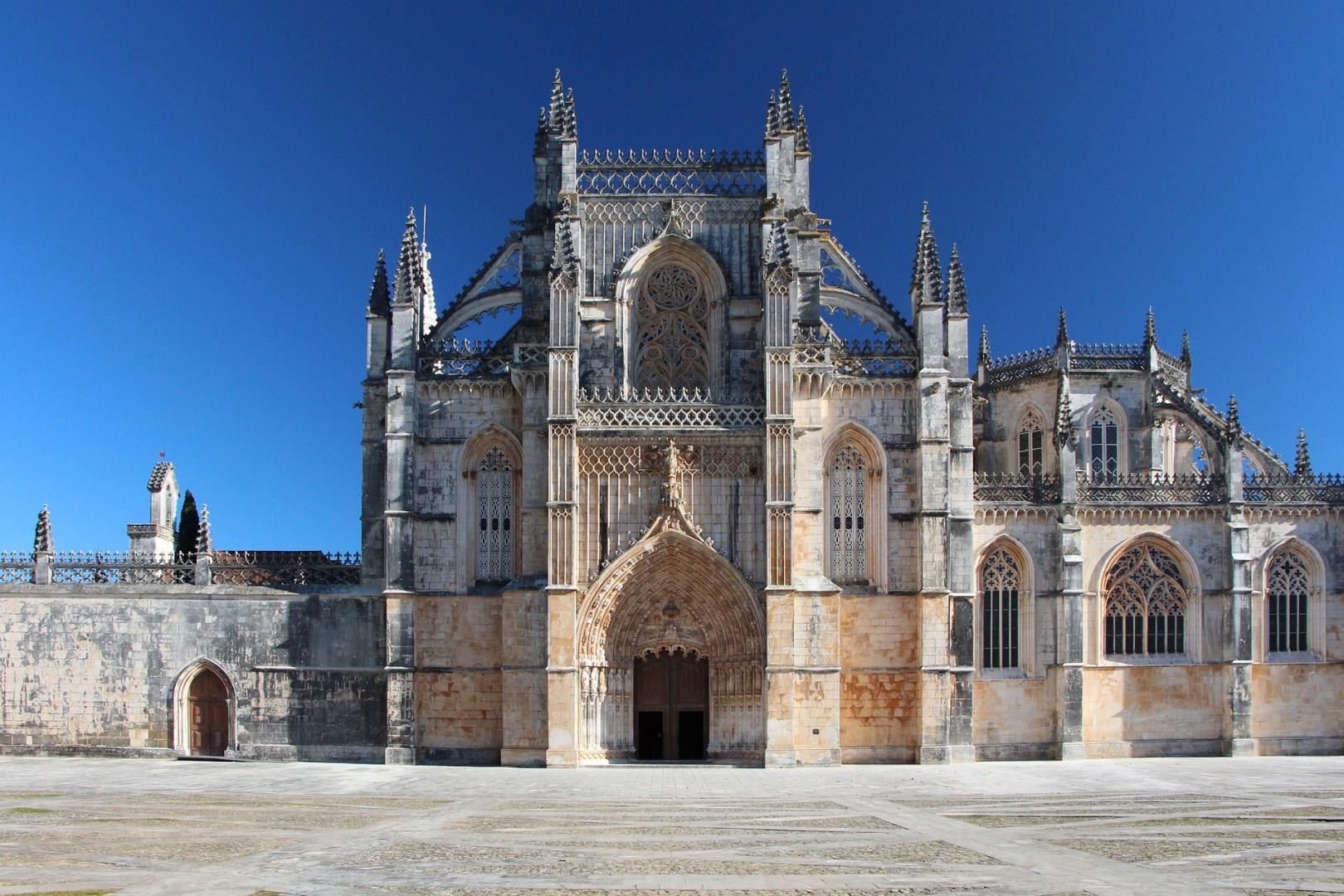
Batalha
Batalha, a small town in central Portugal, is steeped in history and home to one of the country’s most magnificent monuments, the Batalha Monastery. This UNESCO World Heritage Site, also known as the Monastery of Santa Maria da Vitória, was built to commemorate the Portuguese victory over Castile at the Battle of Aljubarrota in 1385. I
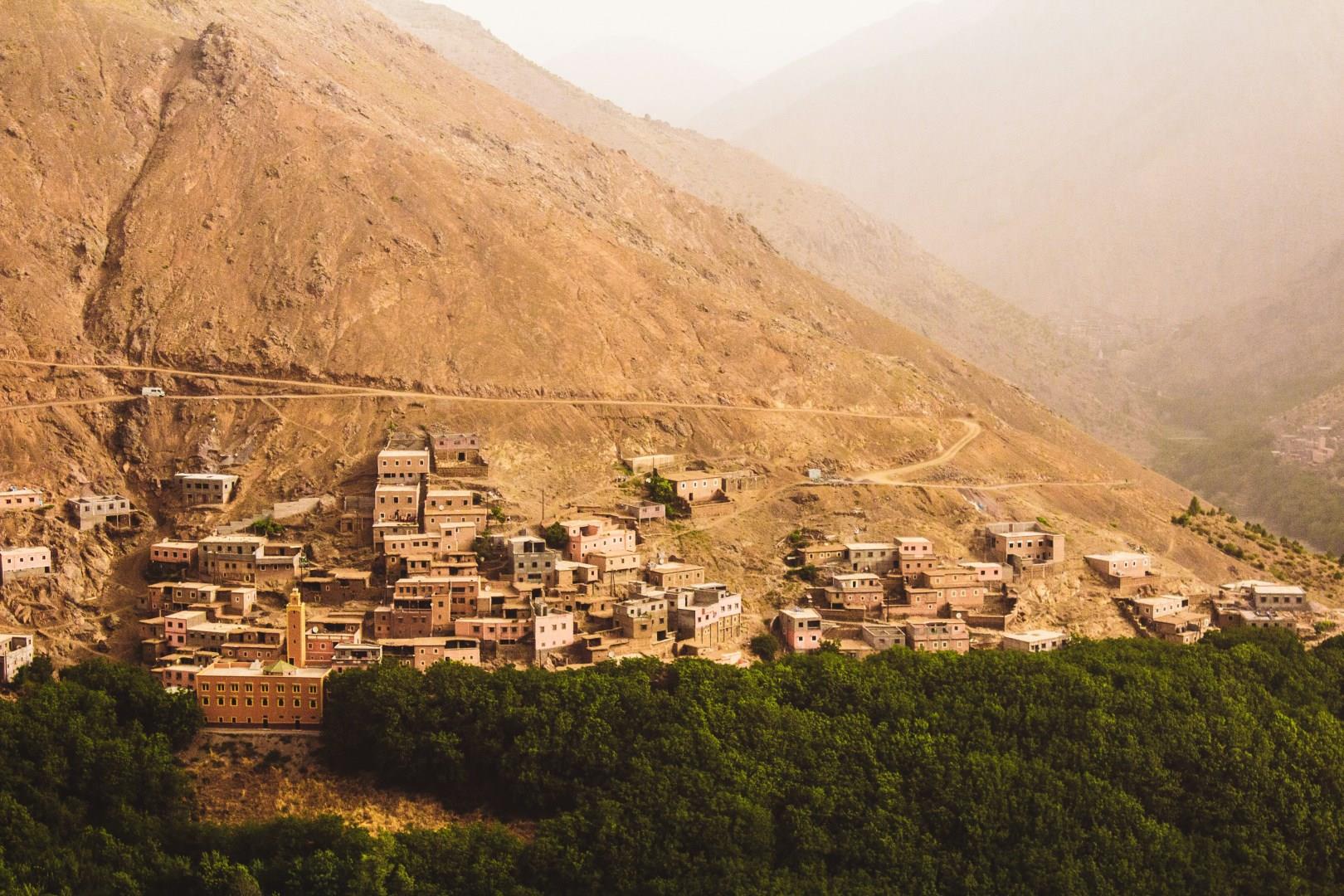
Imlil
Imlil is a small Berber village nestled in the High Atlas Mountains of Morocco, serving as a gateway to the Toubkal National Park. Its history is tied to mountain agriculture and traditional life, with stone houses and terraced fields reflecting centuries of adaptation to the rugged terrain.
