
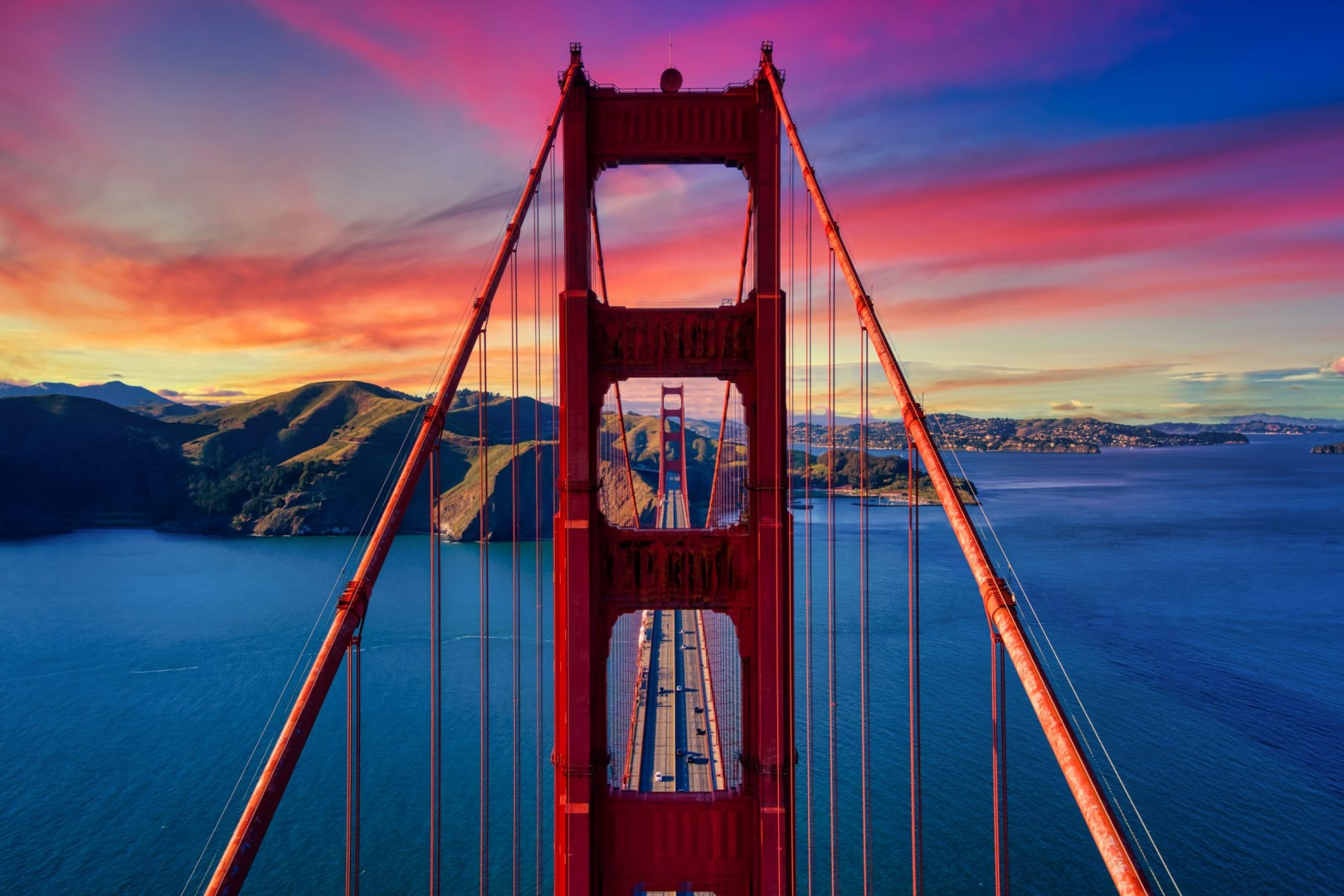
San Francisco
San Francisco offers something for everyone. Whether it's exploring world-famous landmarks, discovering hidden gems in its neighborhoods, or enjoying the coastal breeze by the bay, this vibrant city promises a memorable experience for all who visit.
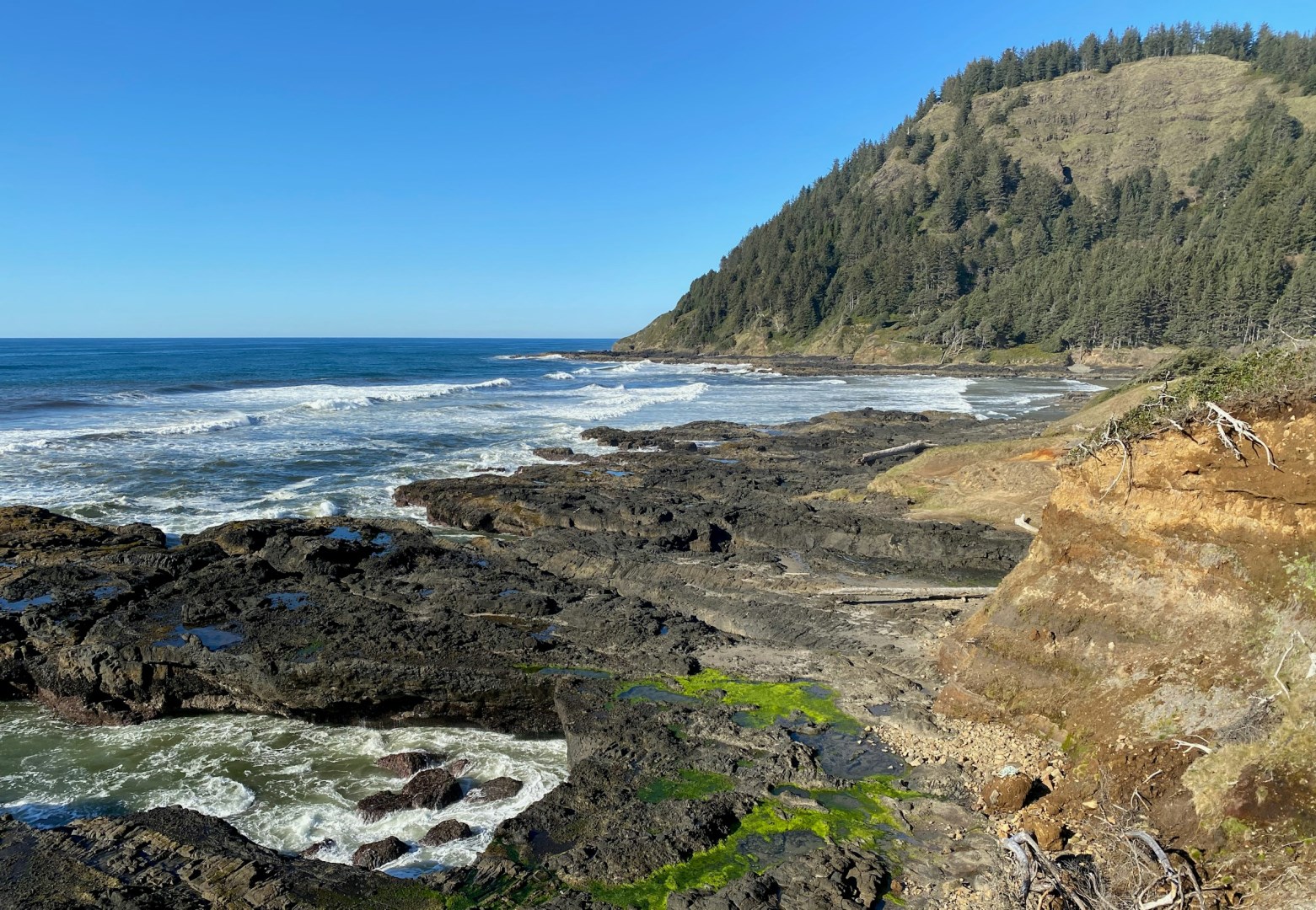
Cape Perpetua
Cape Perpetua is a rugged headland on the central Oregon Coast, rising above the Pacific Ocean south of Yachats. The area is part of the Siuslaw National Forest and combines dense coastal forest with steep cliffs, rocky beaches, tide pools, and open ocean views.
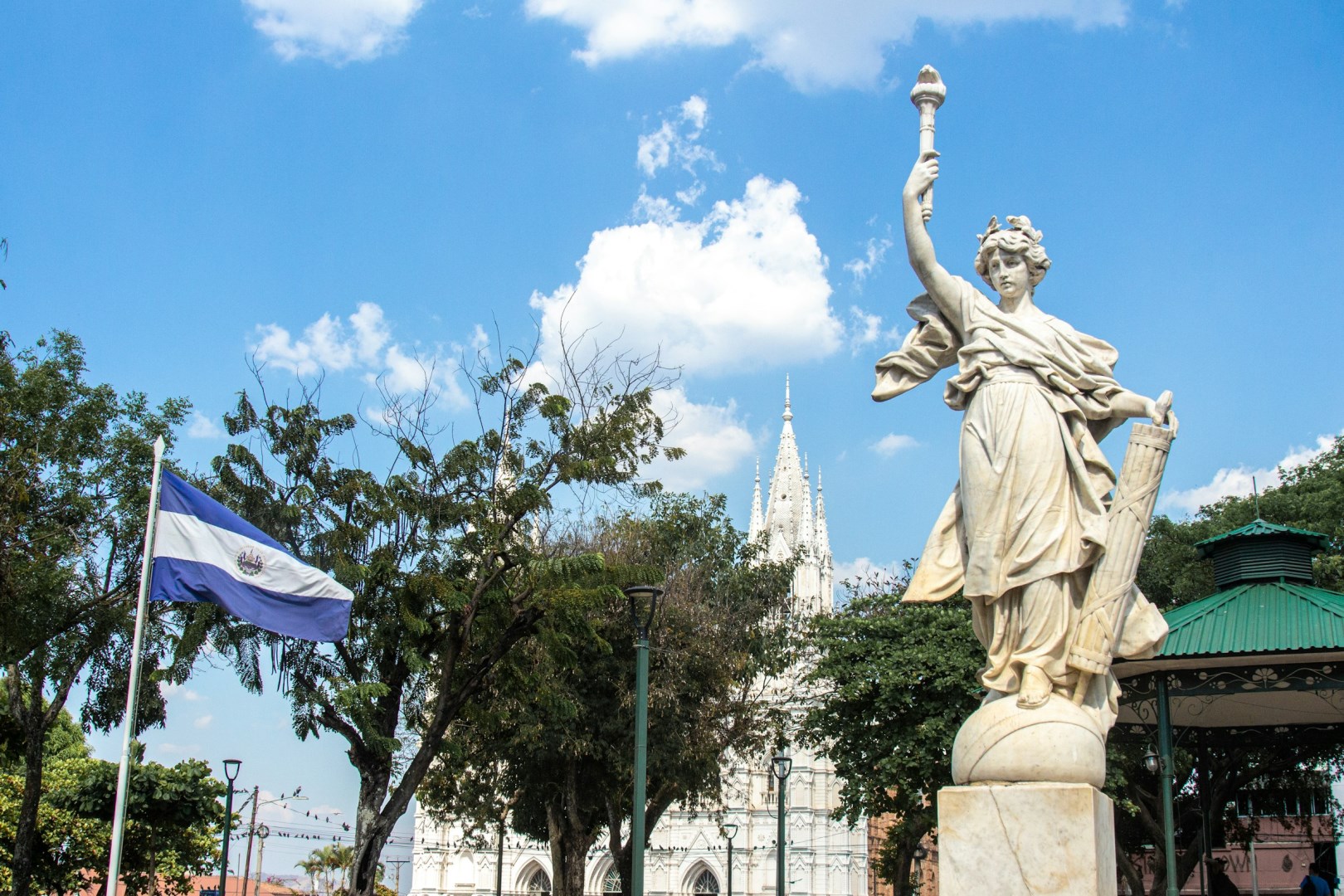
Santa Ana
Santa Ana is a major city in western El Salvador, known for its historic center, grand public buildings, and location near several of the country's volcanic and lake landscapes. The city developed around Parque Libertad, where the distinctive Cathedral of Santa Ana stands alongside the Municipal Palace and National Theater.
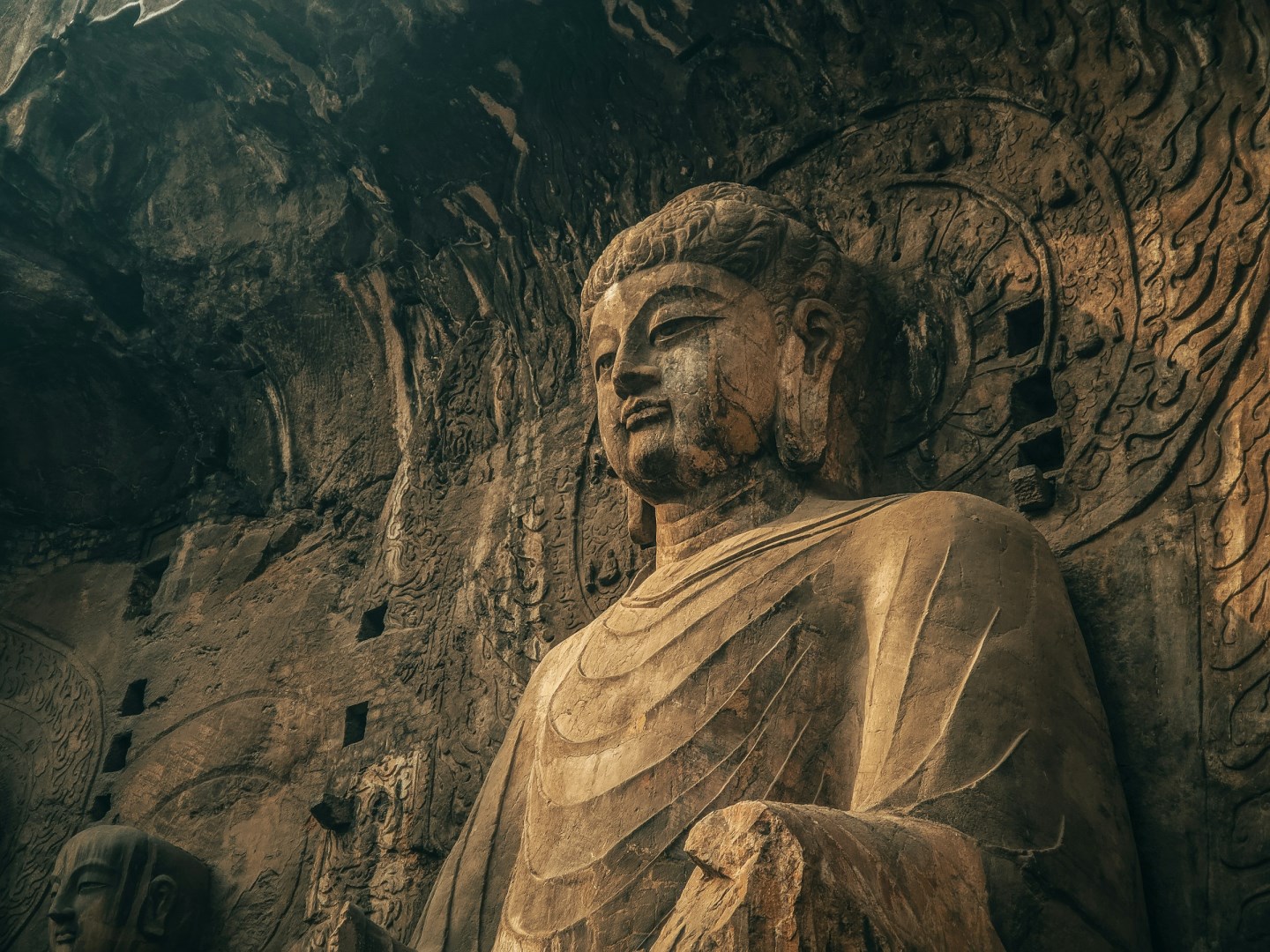
Luoyang
Repository of splendid Buddhist sculptures. Also visit the Longmen Grottoes, dating back more than 400 yeaers and renowned as one of the three great treasure houses of the legendary Chinese art of stone sculpture.
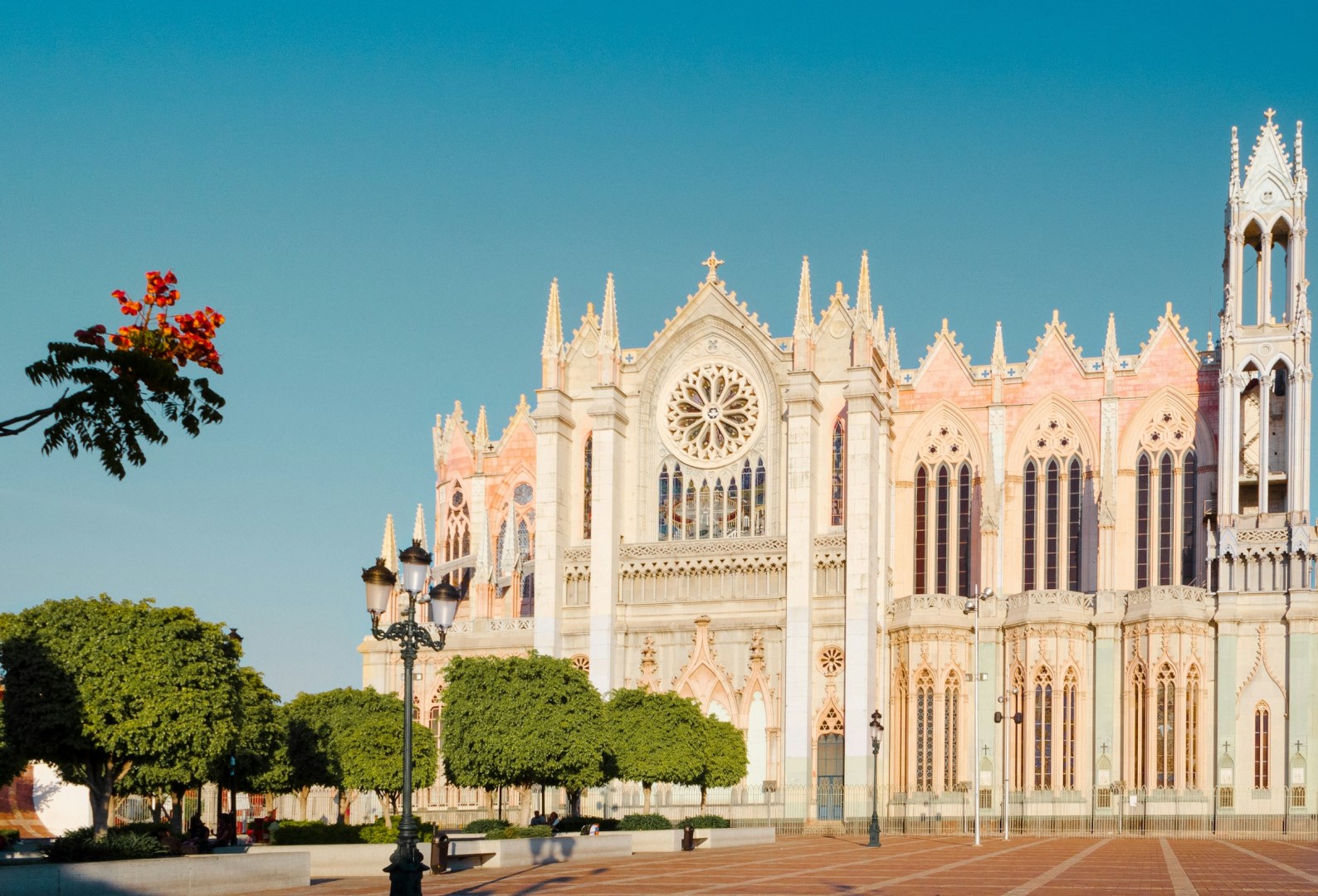
León
León, central Mexico, in Guanajuato State, in a fertile river valley, at an altitude of about 6000 ft. León is the industrial, commercial, and transportation center for a rich agricultural region and is a shoe-manufacturing center. Founded in 1576, León was a Spanish colonial administrative center.
