
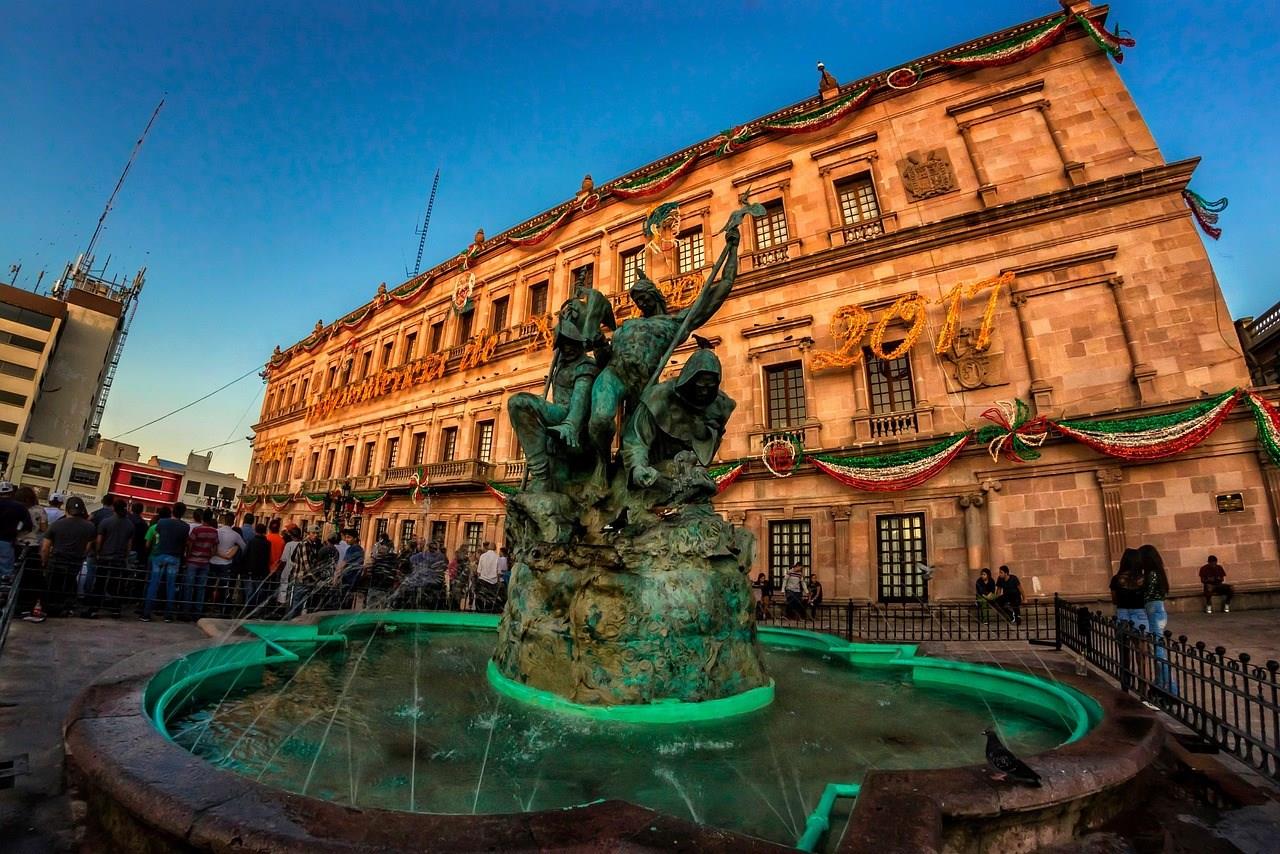
Saltillo
Saltillo, the capital of Coahuila, blends centuries of tradition with a quiet confidence that rewards travelers looking for something different. Founded in 1577, the city’s colonial heritage is on full display in its well-preserved downtown, where the Catedral de Santiago towers above Plaza de Armas. Just steps away, the Alameda Zaragoza park offers shaded paths and fountains, providing a peaceful break between stops at nearby museums.

Lake Louise
Nestled within the stunning Banff National Park in Alberta, Canada, Lake Louise is a paradise for nature lovers and adventure seekers alike. This world-renowned destination is famous for its striking turquoise lake, surrounded by the majestic Rocky Mountains. The lake, often described as one of the most beautiful in the world, is fed by the melting glaciers, creating its characteristic vibrant blue hue.
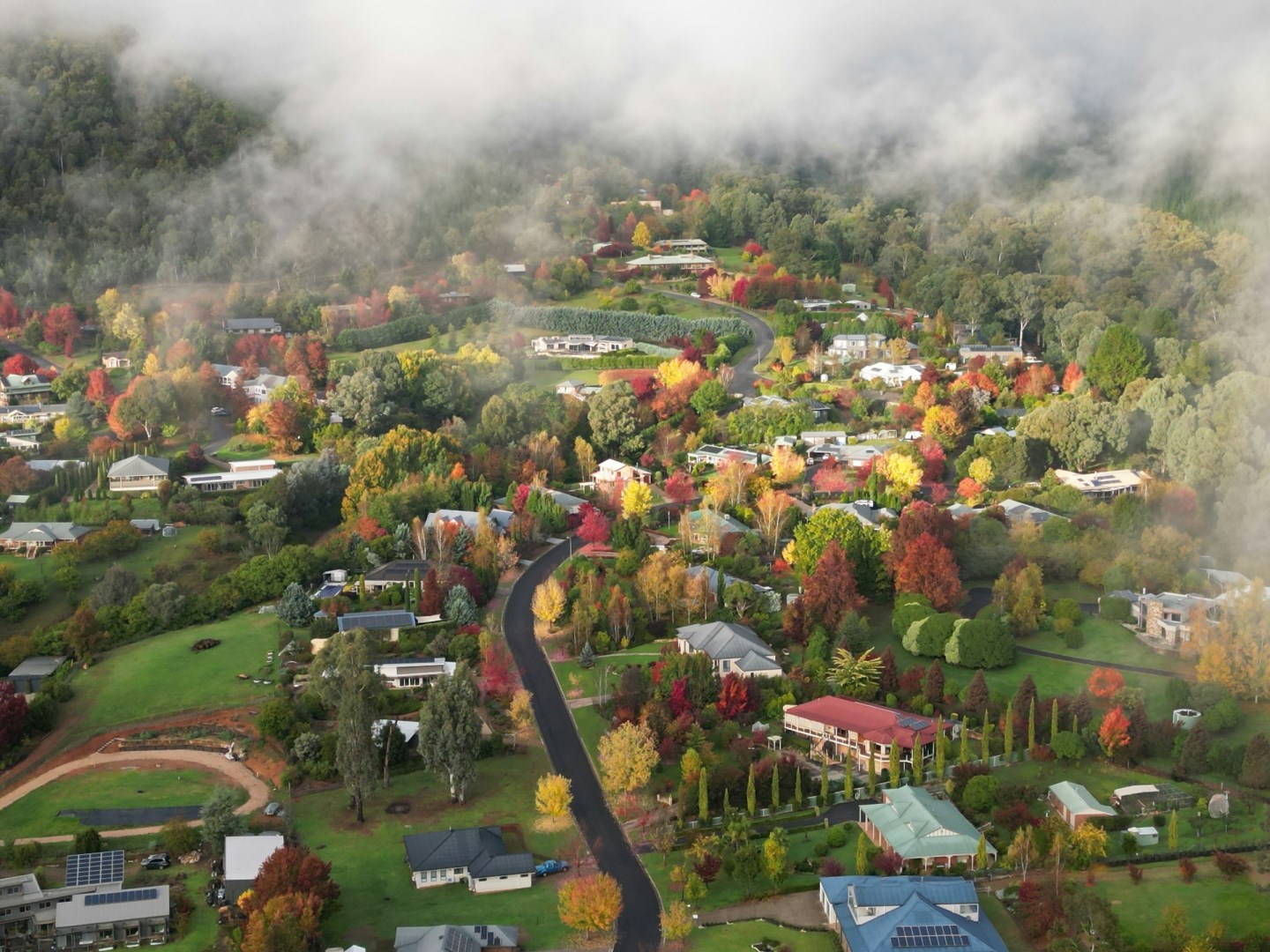
Bright
Bright is situated in the Ovens Valley and offers beautiful scenery and landscape. There are many ski resorts surround Bright, with Mt Buffalo National Park being the closest. This is obviously one attraction to the area, although Bright offers various activities all year around
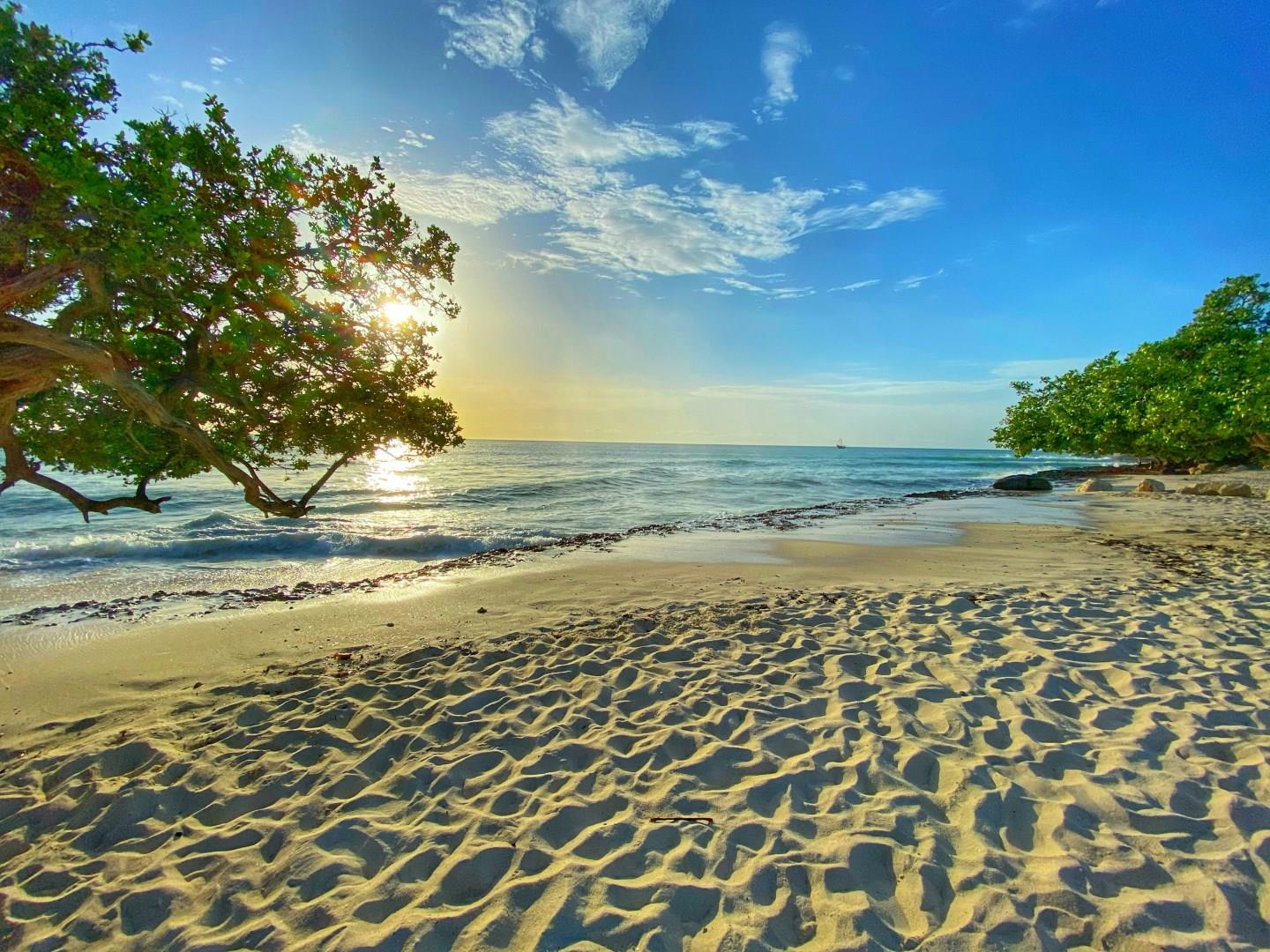
Eagle Beach
Eagle Beach, on Aruba’s western coast, is often celebrated as one of the most beautiful beaches in the Caribbean. Known for its wide stretch of soft white sand and calm turquoise waters, it offers a peaceful setting away from the livelier resort areas.
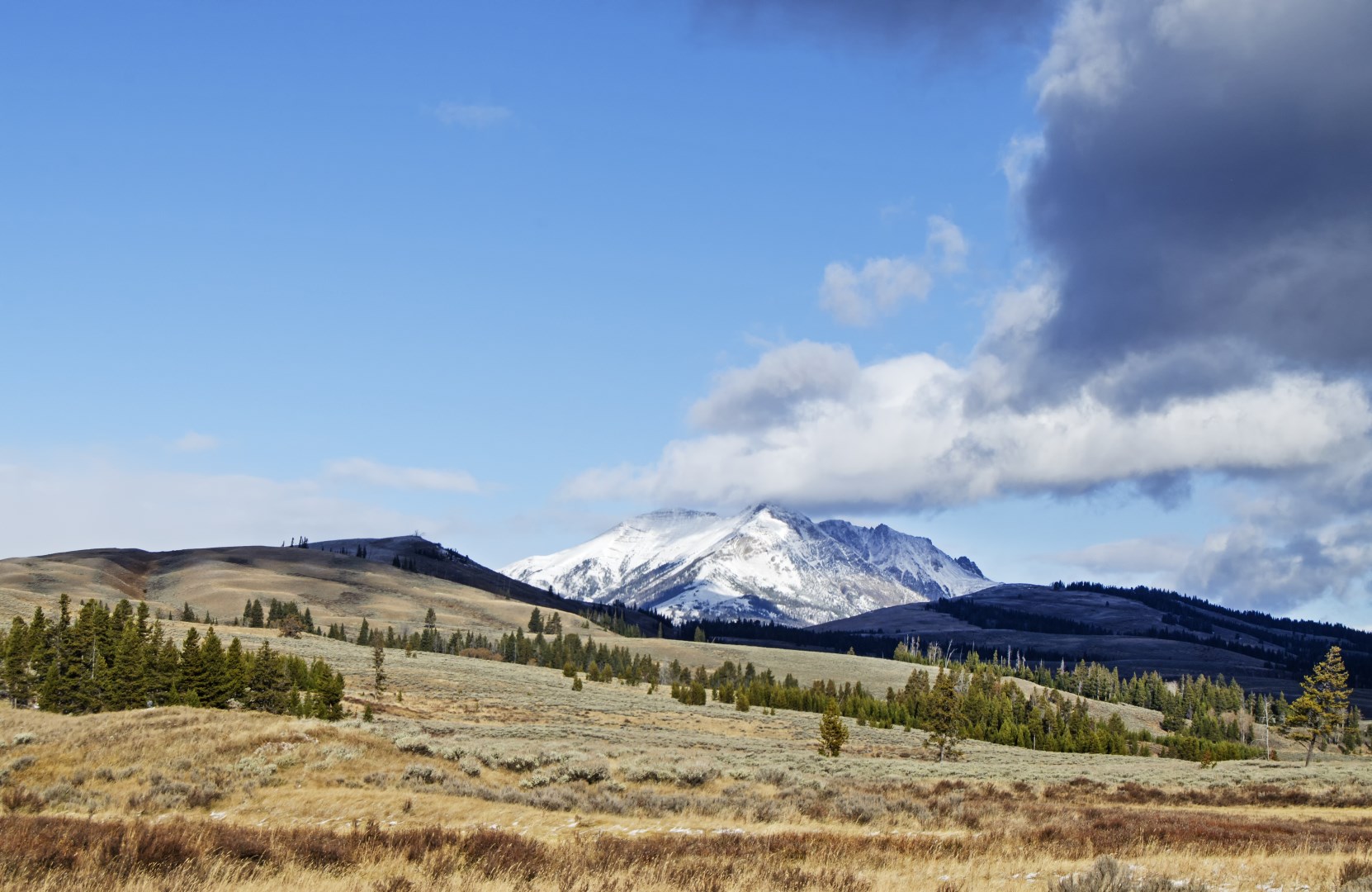
West Yellowstone
West Yellowstone, Montana sits right at the edge of one of the most visited protected landscapes in the United States, serving as a gateway to vast forests, geothermal fields, and wide open valleys. The town is built around travel into nearby wilderness, with simple log-style buildings, outdoor gear shops, and easy access points that lead directly toward major park entrances.
