

Brno
Brno, the vibrant heart of the Czech Republic's Moravian region, offers a captivating blend of historical charm and modern dynamism. As the second-largest city in the country, Brno is known for its striking architecture, including the Špilberk Castle, which overlooks the city from its hilltop perch. Originally a medieval fortress, Špilberk Castle has evolved into a cultural and historical museum, showcasing exhibits on the city’s rich past and providing panoramic views of Brno.

México
Mexico offers the best beaches, scuba diving, nightlife, cultural attractions and cuisine in the world. Millions of people flock to this country every year for a well-needed vacation. Archaeological ruins, inexpensive shopping, and festive music are its foremost attractions.
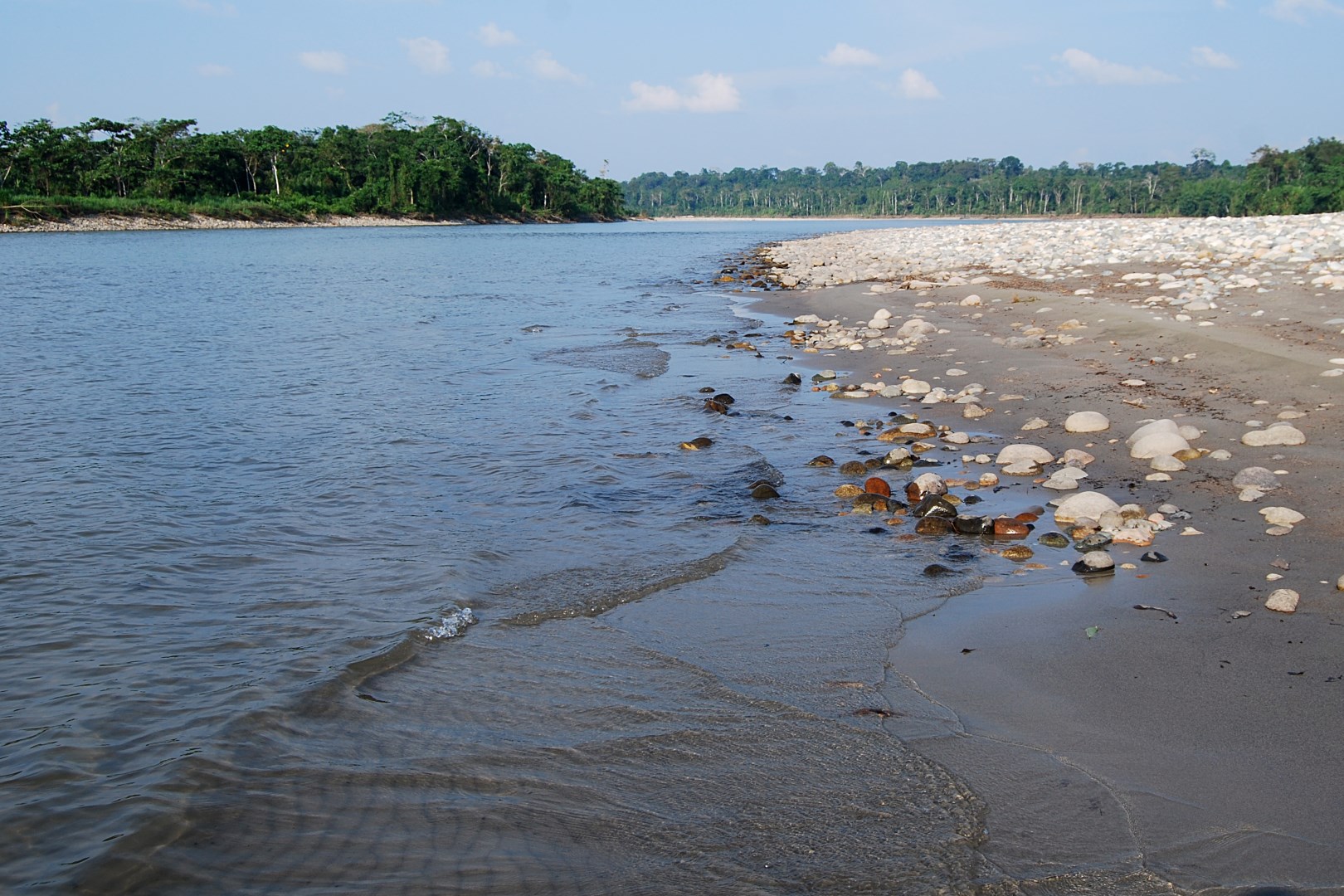
Napo River
A tributary of the Amazon, the Napo River (Río Napo) originates in the east Andes mountains. It flows east through Ecuador, then southeast into Peru, where it joins the larger river roughly 50 miles downstream from Iquitos.
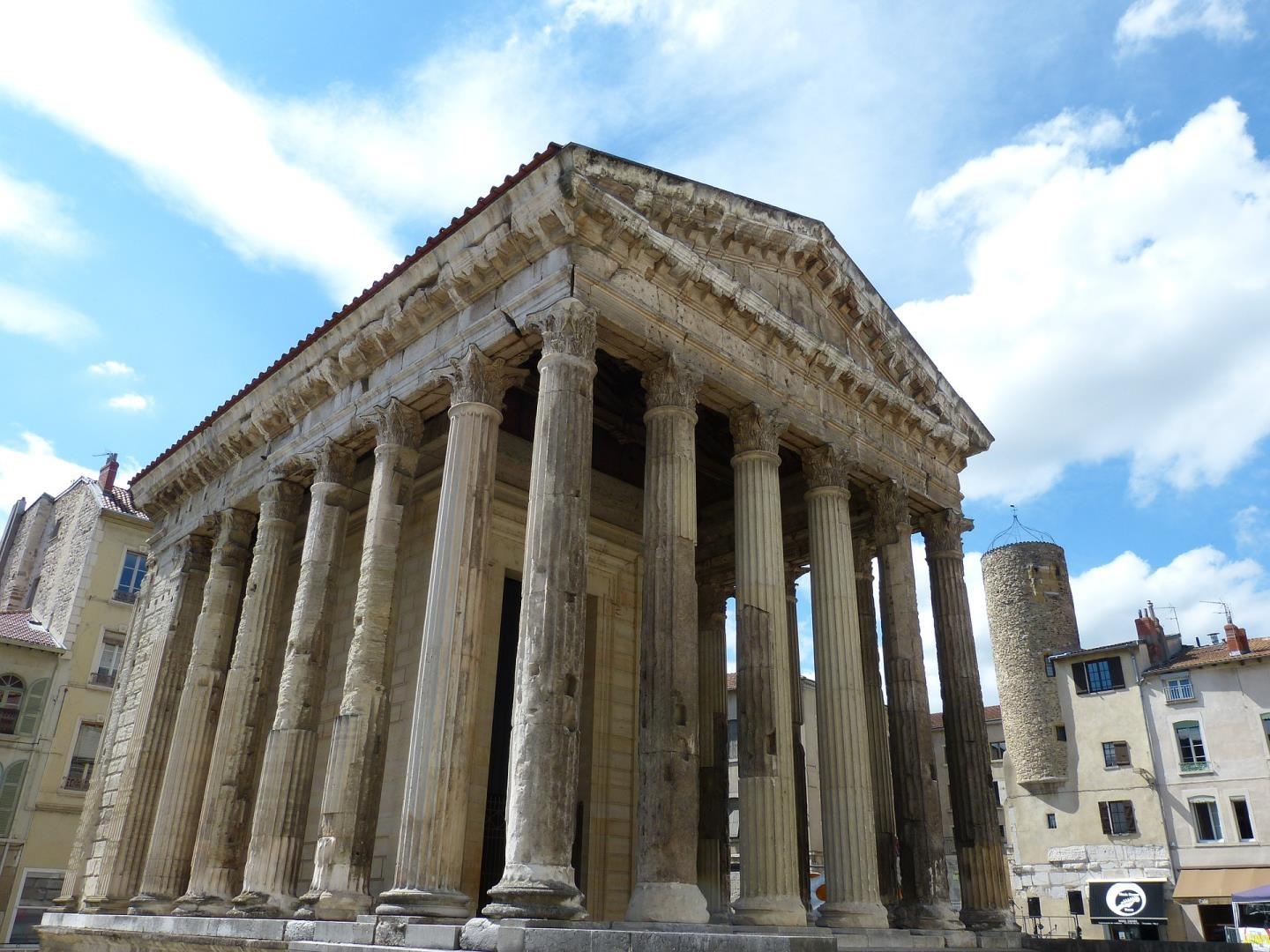
Vienne
Vienne, France sits along the wide bend of the Rhône River in southeastern France, where stone bridges, riverbanks, and steep hills shape the view from nearly every angle. The old town is filled with narrow streets that open suddenly into squares lined with cafés and small shops. One of the most striking sights is how Roman ruins appear in unexpected places, blending into daily life rather than standing apart as distant monuments.

Nuku Hiva Island
Nuku Hiva is the largest of the Marquesas Islands in French Polynesia, a place where scale and isolation shape both history and daily life. Long before European contact, the island supported complex Marquesan societies known for stone architecture, tattoo traditions, and ceremonial sites, many of which remain scattered across its valleys.
