

Turks and Caicos Islands
The Turks and Caicos Islands, a British Overseas Territory in the Atlantic, are celebrated for their luminous turquoise waters and powder-soft beaches. Grace Bay on Providenciales is the most famous stretch of sand, consistently ranked among the world’s best, where calm seas and vibrant reefs invite both relaxation and adventure.

Reykholt
Nestled in the scenic Borgarfjörður region of Iceland, Reykholt is a quaint village steeped in historical significance and natural beauty. While it is well known as a center of learning and culture during the medieval period, Reykholt is also famed for its stunning landscapes and geothermal activity. The town's nearby hot springs, including the historic Snorralaug, a medieval bathhouse, offer a unique opportunity to soak in waters that have been enjoyed for centuries.
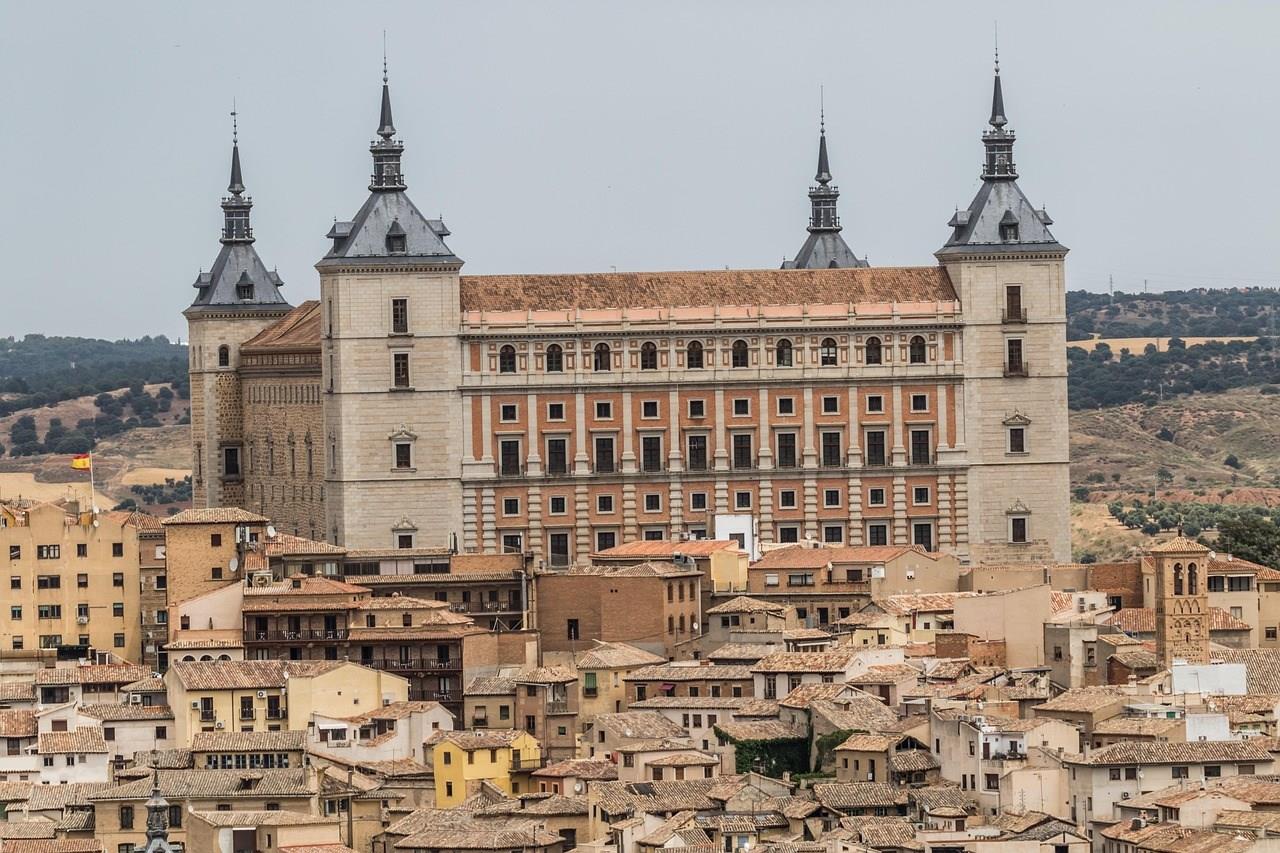
Toledo
Toledo, high above the Tagus River in central Spain, is a city where layers of history are visible around every corner. For centuries it was an important Roman settlement, a Visigothic capital, and later a stronghold during the medieval Christian reconquest, before becoming the seat of royal power and a crossroads of cultures. Because of this long span of stories and architectural richness, the whole old town has been recognized as a UNESCO World Heritage Site.
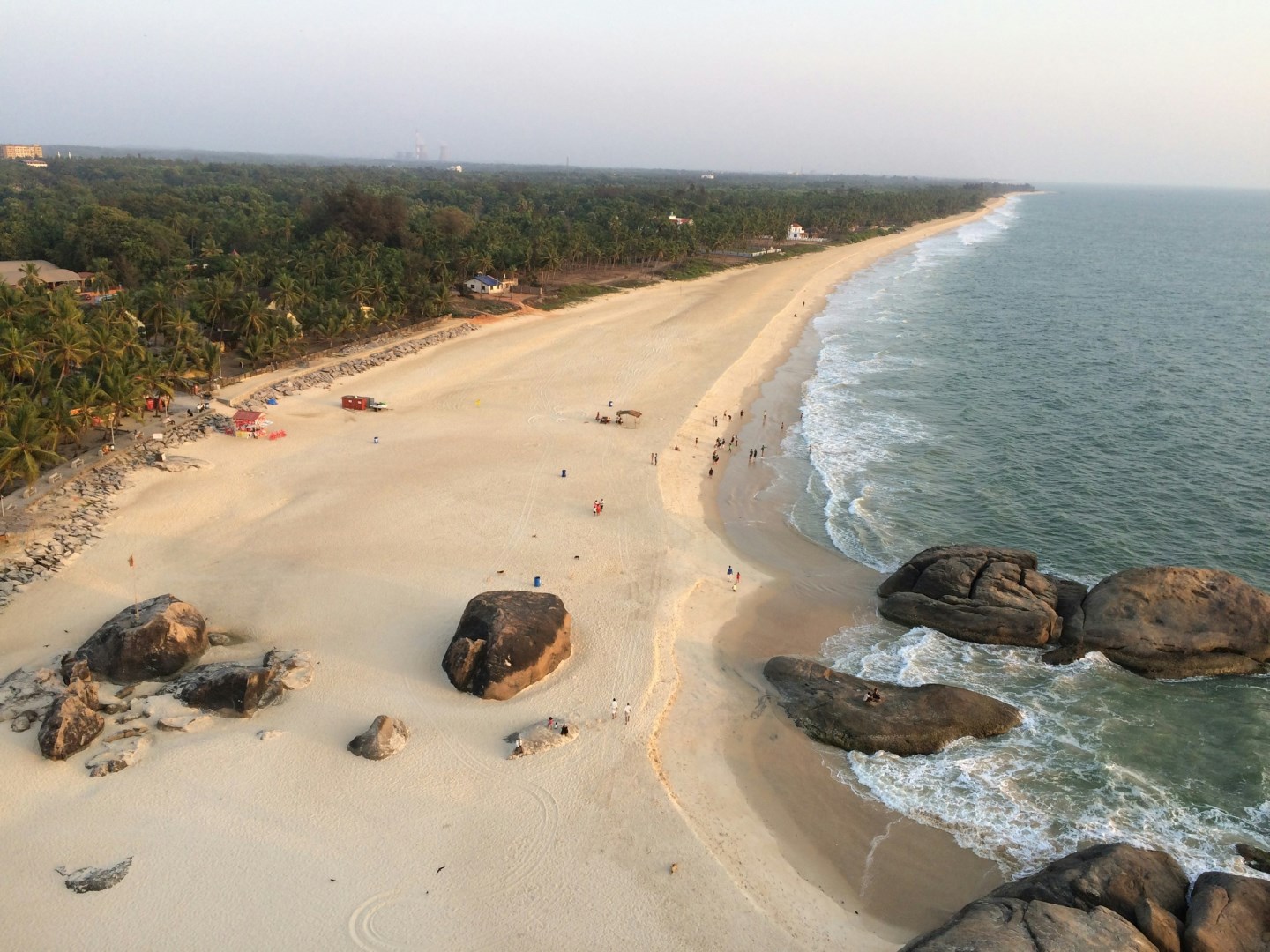
Mangalore
Mangalore is a beautiful port city in the southern most tip of the state of Karnataka. Due to its proximity to the Arabian Sea, Mangalore is incredibly picturesque, and quickly becoming a hub of activity and the fastest growing city in India.
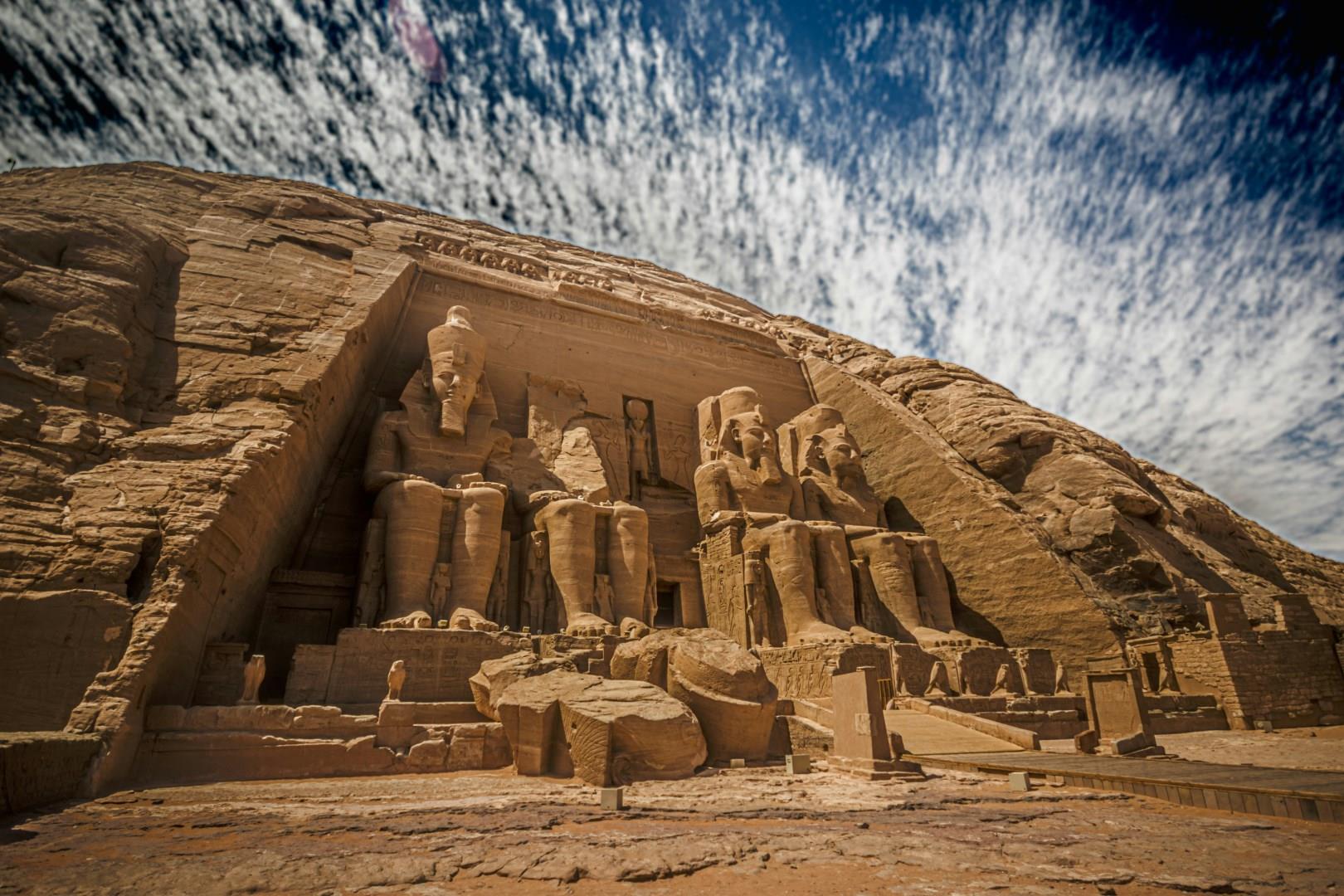
Abu Simbel
Abu Simbel, in southern Egypt near the border with Sudan, is one of the most awe-inspiring archaeological sites of the ancient world. Built during the reign of Pharaoh Ramses II in the 13th century BCE, the twin temples were carved directly into the sandstone cliffs overlooking the Nile. The Great Temple, with its four colossal statues of Ramses II seated at the entrance, was designed not only to honor the pharaoh but also to project his power to neighboring Nubia.
