
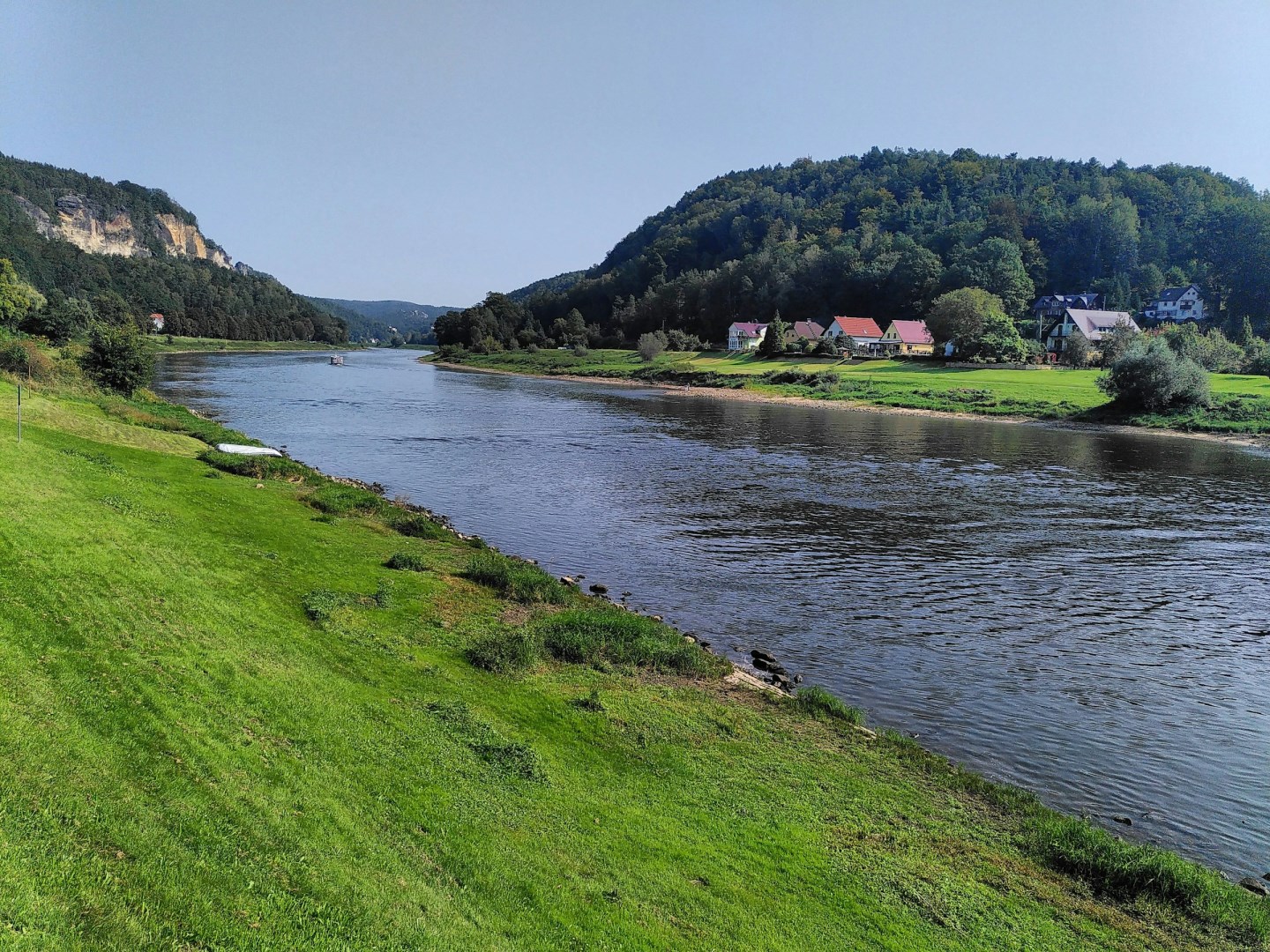
Elbe River
The Elbe is one of the Central Europe's greatest rivers, rising in the northern Czech Republic, traversing through Bohemia and Germany, and flowing into the North Sea not far from Hamburg. The river and its route have been largely untouched, so wildlife visibly abounds along its wetlands and wooded regions. Other scenery includes terraced vineyards and charming wine villages.

Peru
Peru is a country that tells its story through stone, soil, and flavor. From the ancient Inca citadel of Machu Picchu to the bustling food markets of Lima, every region reveals a different chapter of its heritage. One of the country’s most iconic sites, Machu Picchu, continues to draw visitors from around the world to see its stone terraces and cloud-kissed scenery, as well as the sense of wonder that accompanies the journey there.
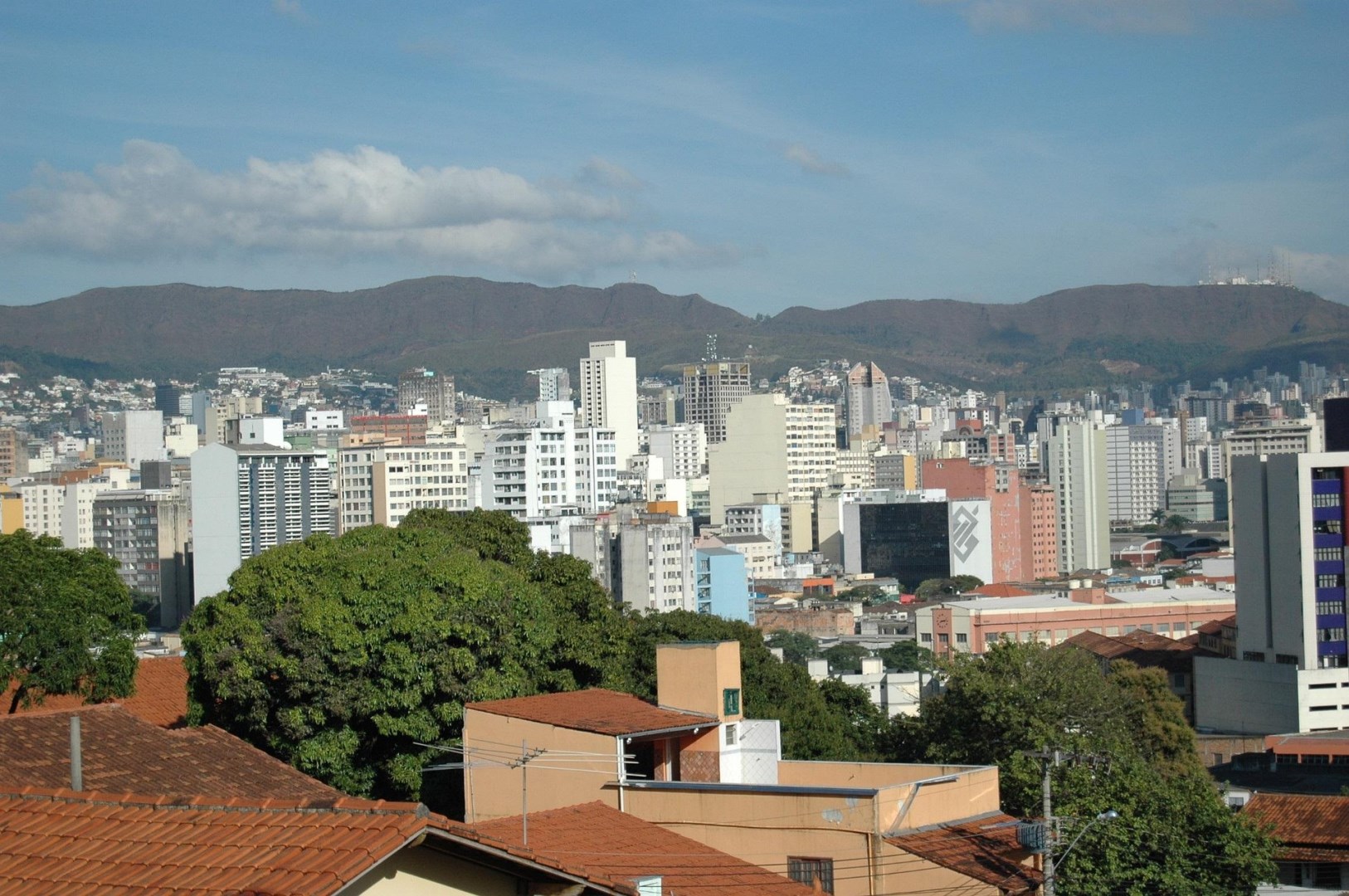
Belo Horizonte
Brazil's third largest city, Belo Horizonte was founded in 1897. Most of Brazil's gems and semi-precious stones are mined in this area and it is where you can find the best bargains, from aquamarines to imperial topaz. It is just 59 miles from Brazil's most historic colonial city, Ouro Preto.
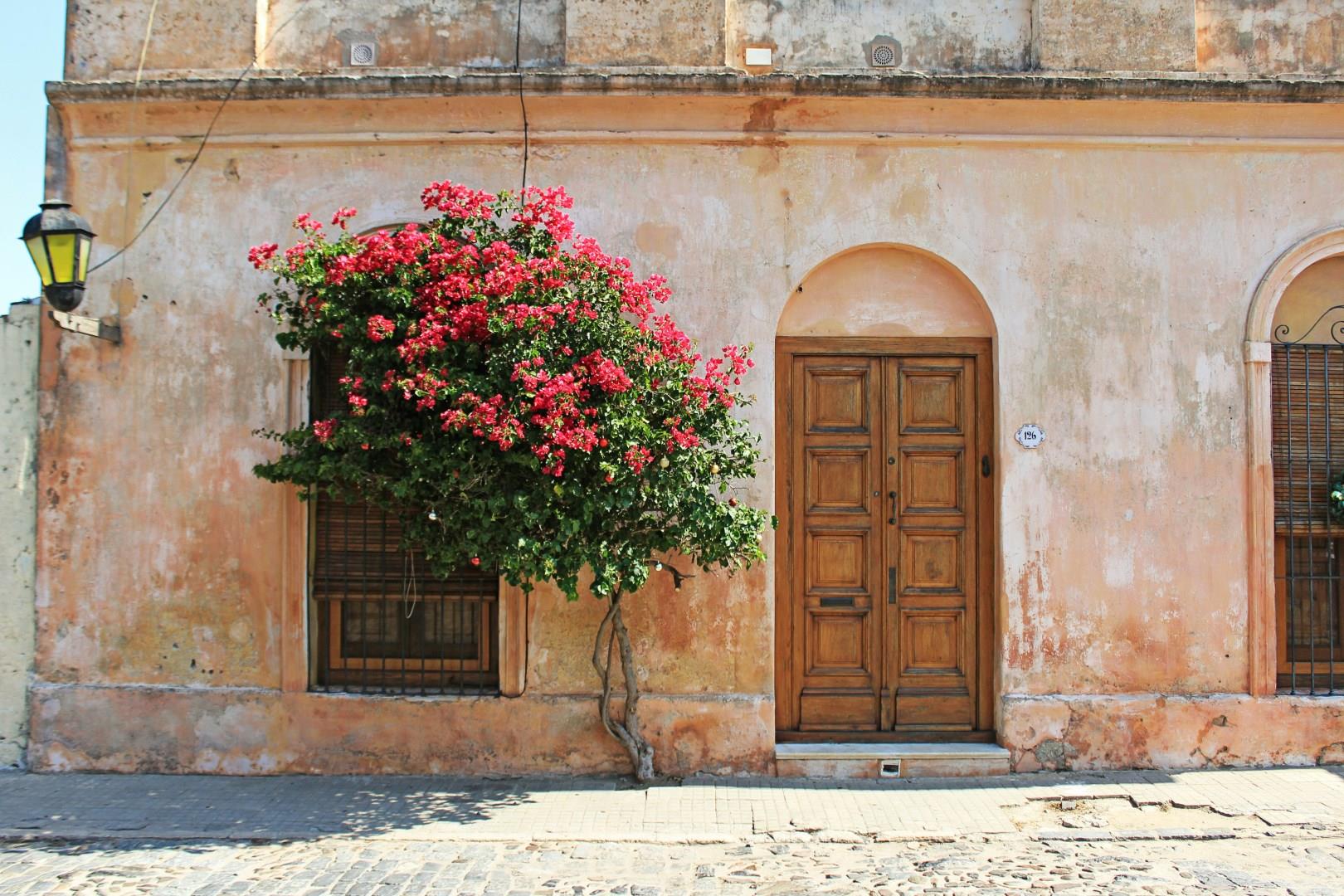
Colonia del Sacramento
Colonia del Sacramento is where time lingers. Founded in 1680 by the Portuguese and later contested by the Spanish, the town’s past is etched into its cobblestone streets and weathered facades. The Barrio Histórico, a UNESCO World Heritage Site, is compact enough to walk in an afternoon yet layered with centuries of stories. Visitors can explore remnants of the original city walls and climb the iconic lighthouse for sweeping views of the Río de la Plata.
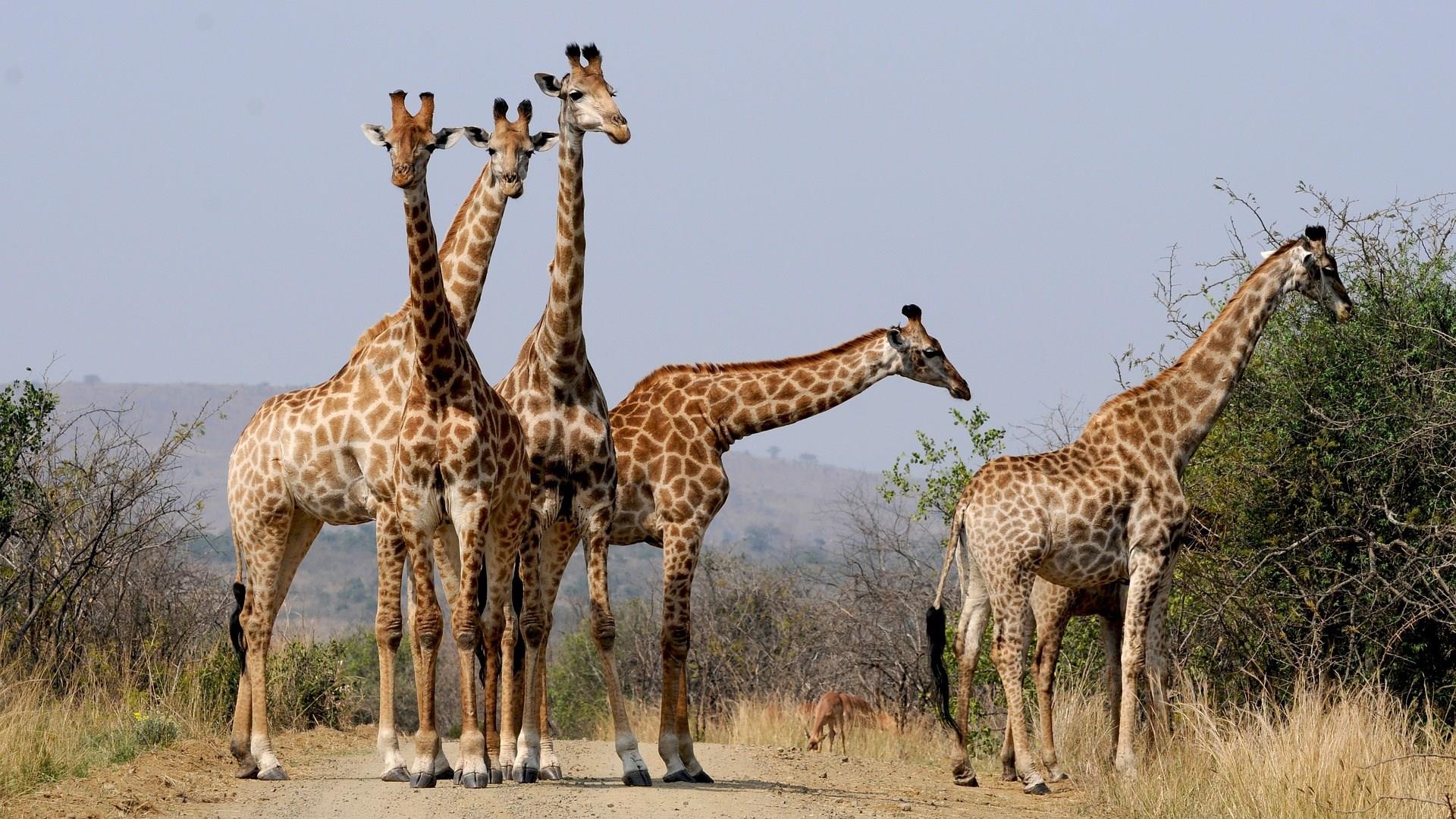
Hluhluwe
Nestled in the heart of KwaZulu-Natal, South Africa, Hluhluwe is a gateway to one of the country’s most remarkable conservation areas, the Hluhluwe-iMfolozi Park. This park, renowned for its successful rhino conservation efforts, offers visitors an unparalleled wildlife experience. As the oldest proclaimed reserve in Africa, Hluhluwe-iMfolozi Park is a haven for both the critically endangered white rhino and the more elusive black rhino.
