
Cayenne
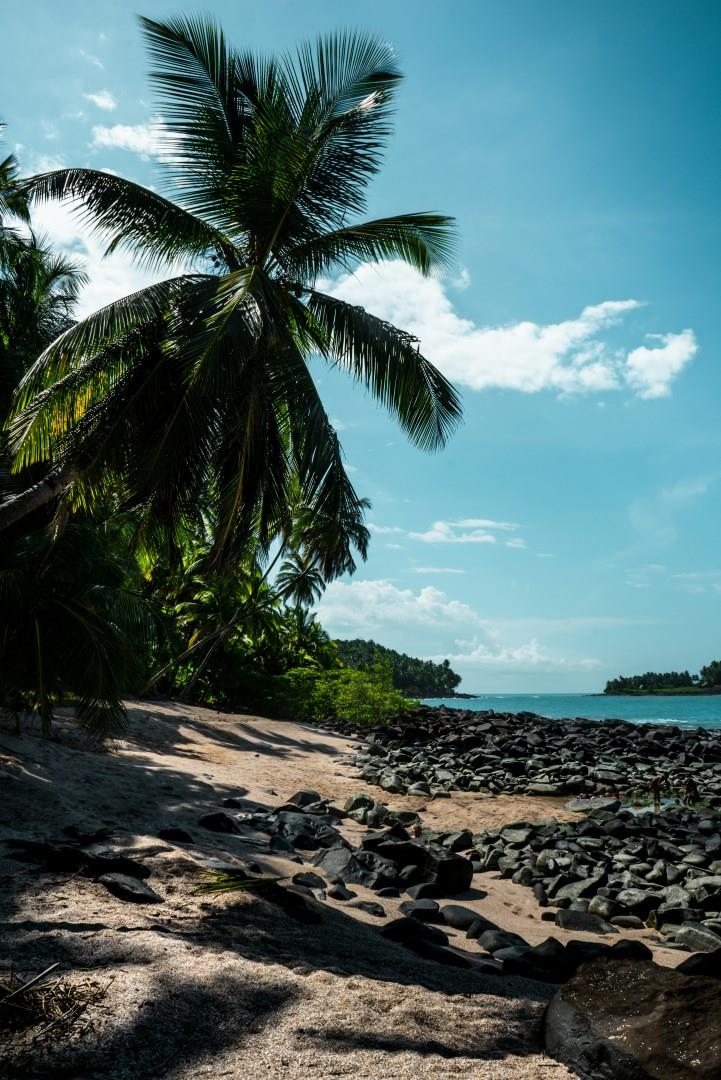
Cayenne, the lively capital of French Guiana, sits where the Cayenne River meets the Atlantic Ocean, blending South American rhythms with French-Caribbean influence. While it's officially part of France, Cayenne feels worlds away from Paris, with colorful markets, colonial architecture, and a language mix that includes French, Creole, Portuguese, and Indigenous dialects.
Lake Powell
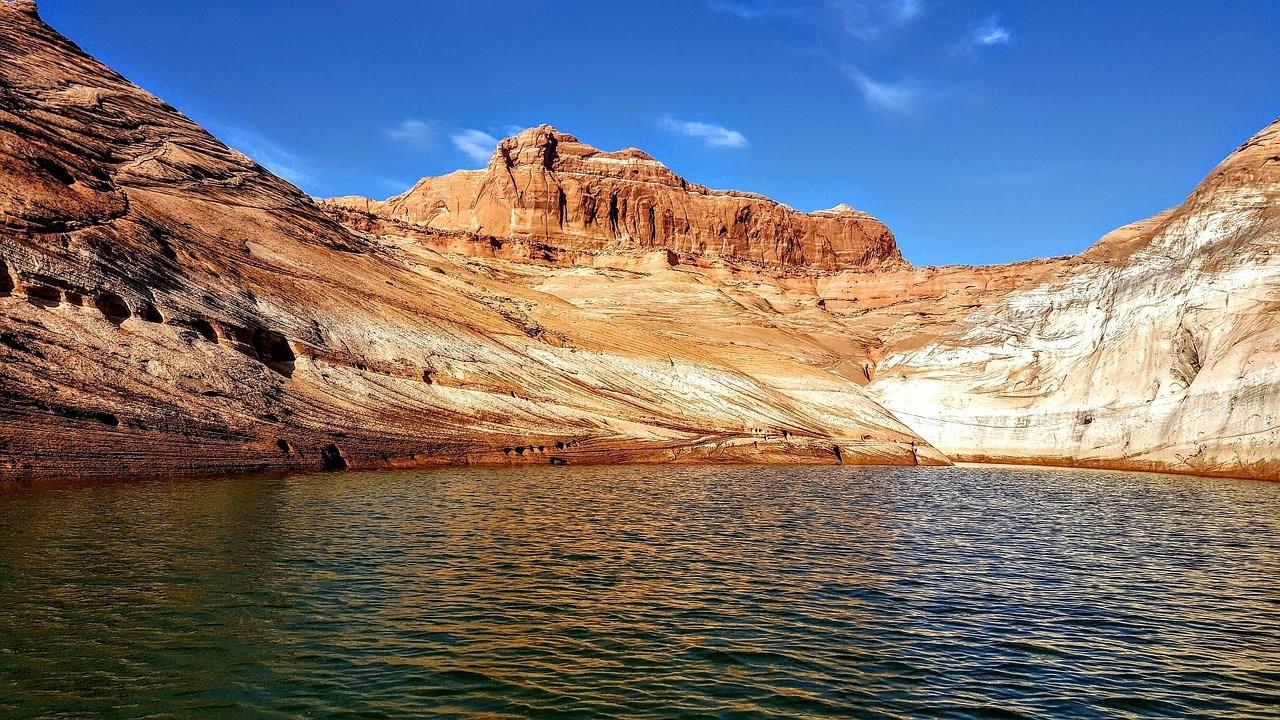
Lake Powell, stretching across the Utah-Arizona border, is one of the largest manmade reservoirs in the United States. Formed by the flooding of Glen Canyon after the completion of the Glen Canyon Dam in 1963, it covers over 180 miles in length and contains nearly 2,000 miles of shoreline, more than the entire West Coast of the U.S. Despite its modern origins, the area has long been home to the Ancestral Puebloans and later Navajo communities.
Philae
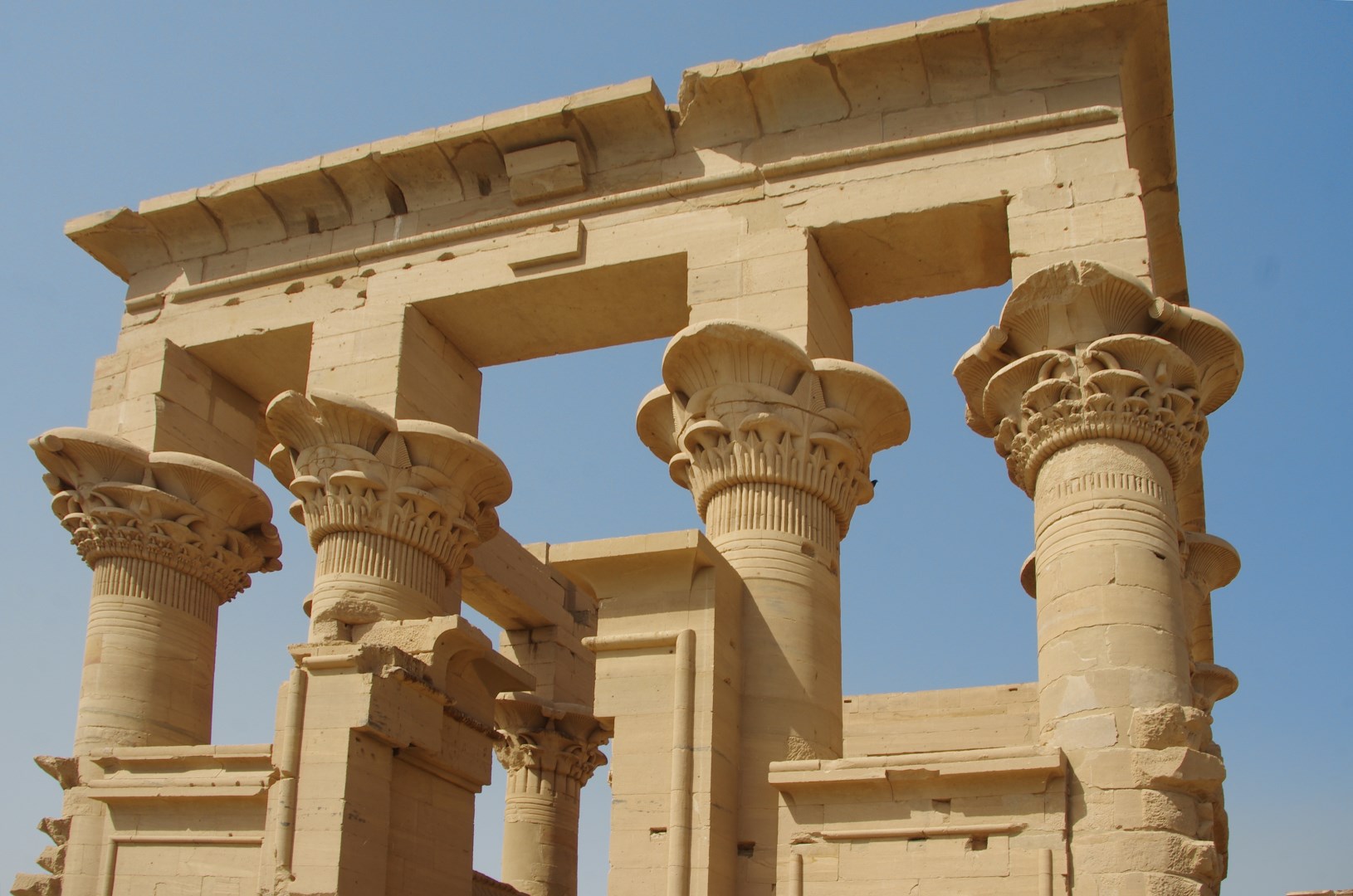
Philae Temple Complex sits on an island in the Nile near Aswan, where calm water and granite hills create a setting that feels carefully placed in the river. The temple buildings rise from the island like carved stone reflections of the cliffs around them, and reaching the site requires a short boat ride across still waters. This approach is part of the experience, as visitors leave the shore behind and glide toward an island that seems built for slow discovery.
San Jose
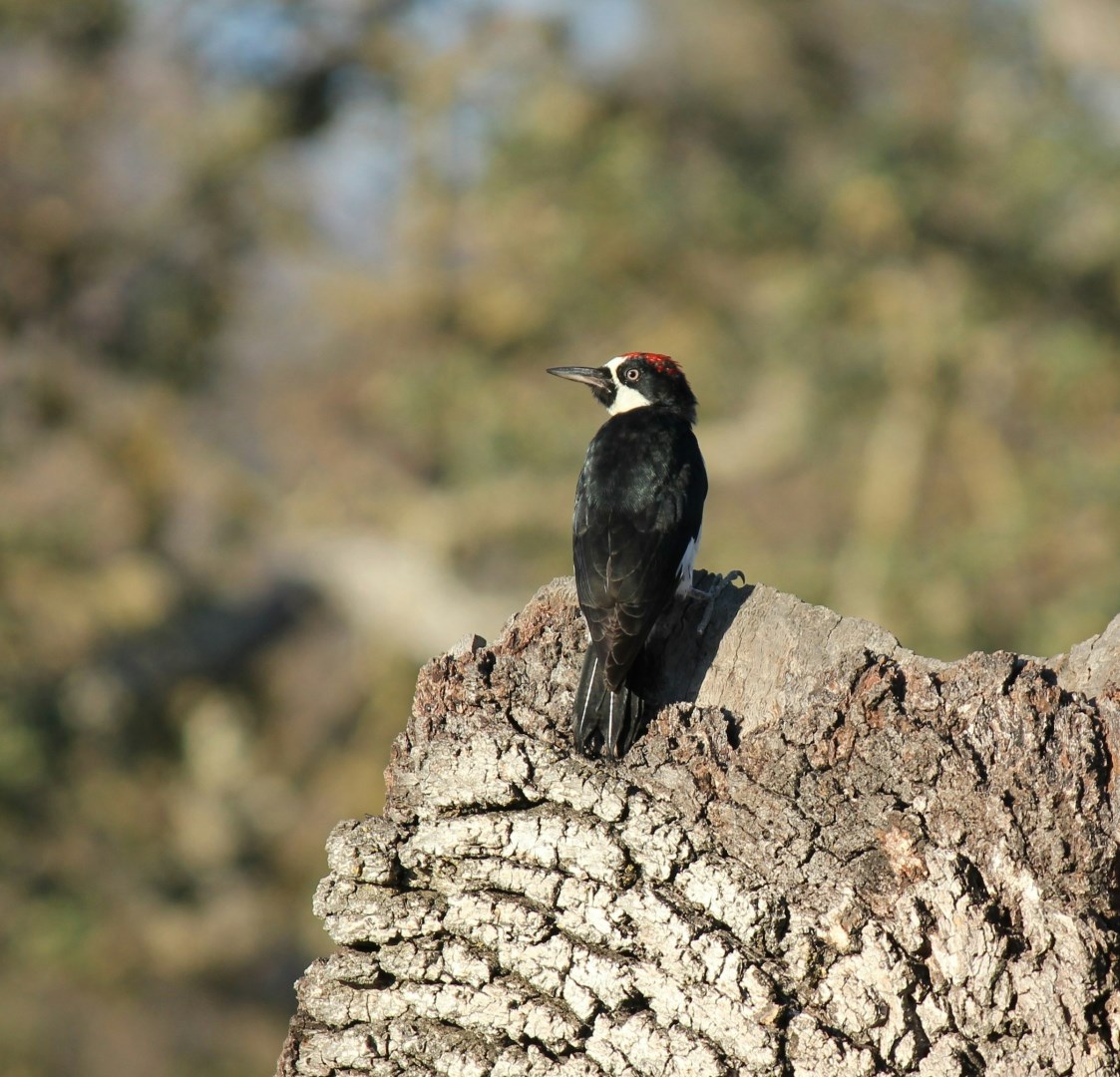
Located south of San Francisco, California, this area is known as the "Silicon Valley" because of the concentration of computer companies. It is also home to Great American amusement park.
Ouarzazate
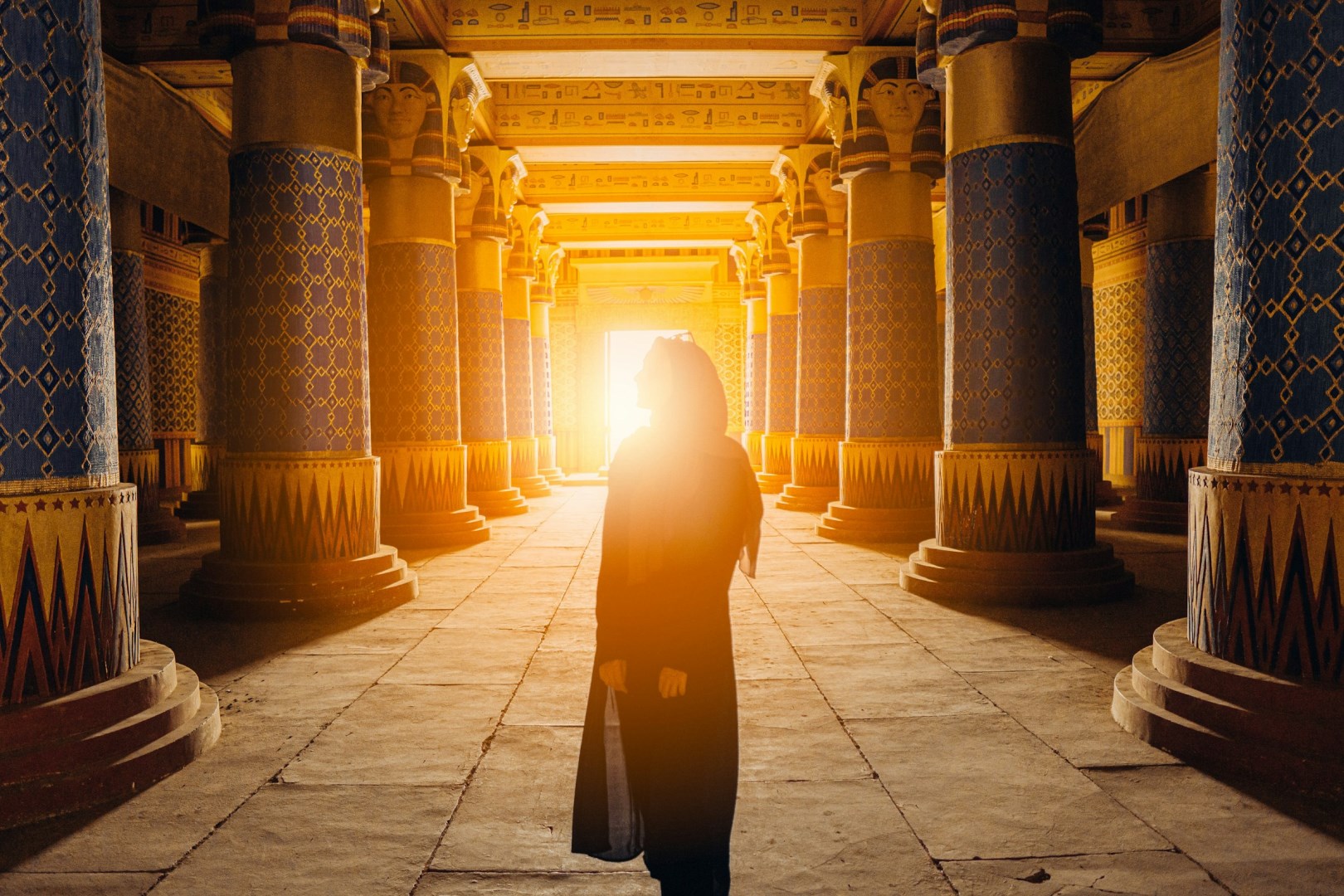
The whole south of Morocco is summarized in the historical, traditional and exotic sounding word "Ouarzazate". In Ouarzazate everything is calm, beautiful and fresh - the very image of the authentic south of Morocco, where time has stood still for centuries. The town has been located in three different places during its existence, two of them still inhabited
today.
today.
