
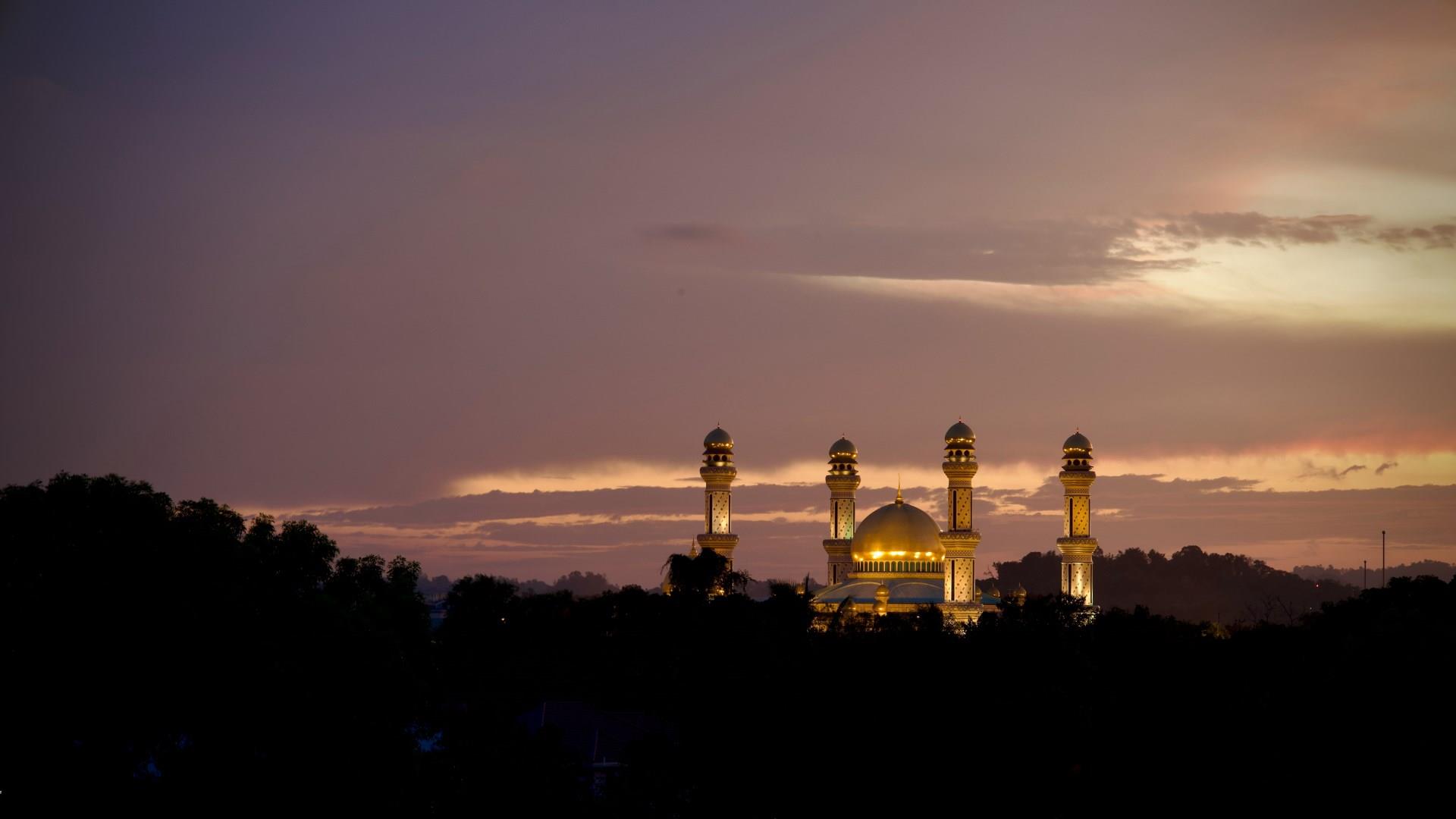
Bandar Seri Begawan
Bandar Seri Begawan, the capital of Brunei, sits along the Brunei River and combines traditional charm with modern infrastructure. The city is known for its stunning Islamic architecture, including the Sultan Omar Ali Saifuddien Mosque, with its golden dome and marble minarets reflecting in the surrounding water.

Frederiksted
Frederiksted is a historic coastal town on the western end of St. Croix in the U.S. Virgin Islands, set beside a deep-water bay and a long waterfront. Pastel-colored buildings, palm-lined streets, the Frederiksted Pier, and nearby beaches give the town a distinctly maritime setting. The compact community is closely associated with Fort Frederik, a red-brick Danish fort overlooking the harbor.
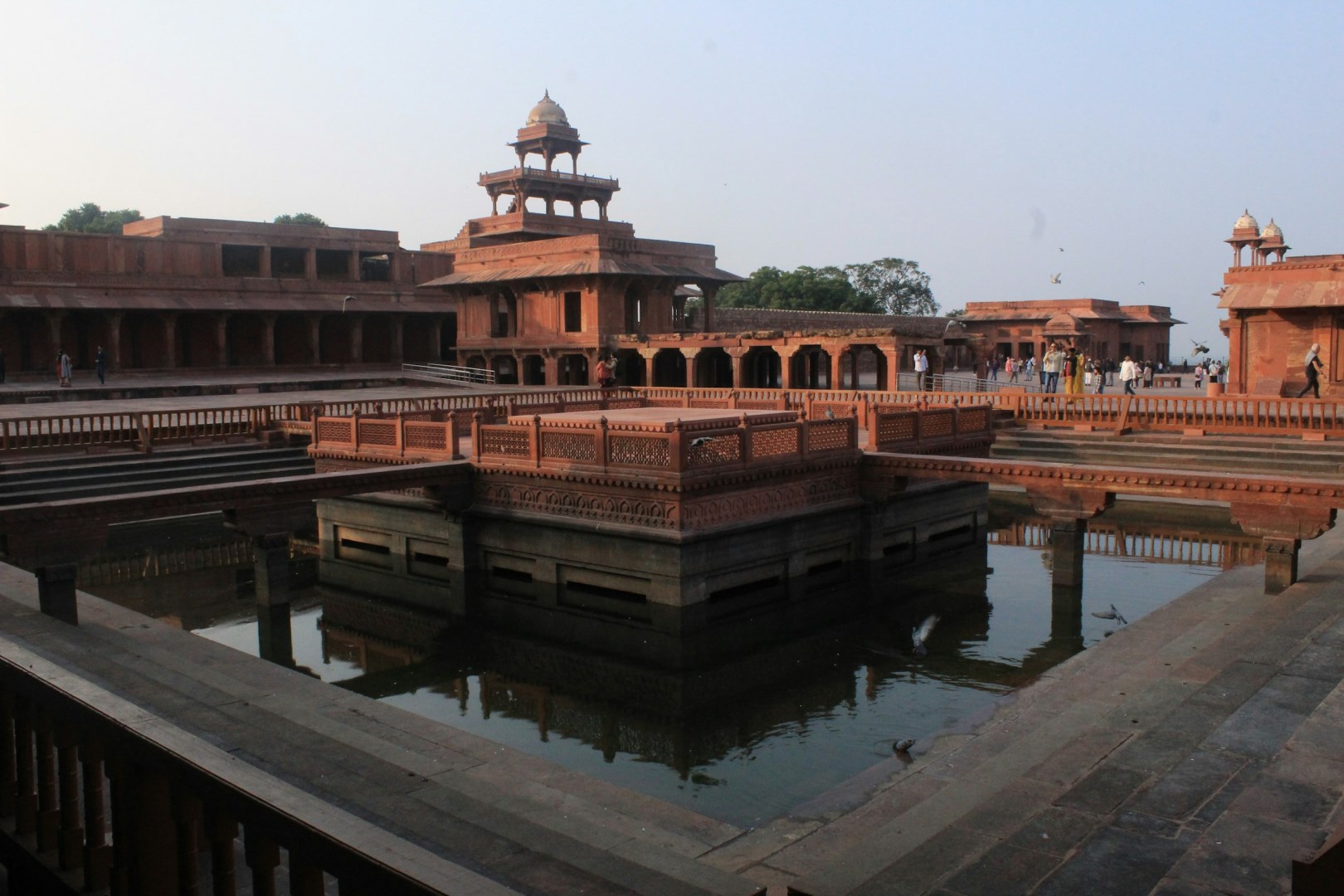
Fatehpur Sikri
Fatehpur Sikri is a historic city in Uttar Pradesh, located near Agra and known for its grand red sandstone architecture and carefully planned urban layout. Built around a ridge, the former imperial city contains palaces, courtyards, audience halls, religious buildings, and gateways arranged within a fortified complex. Its architecture combines Islamic, Hindu, Jain, and regional design elements, reflecting the cultural setting of the Mughal court.

Memphis
Visit the ancient city of Memphis and take in the wonders of the recumbent statue of Ramses II and the 80-ton Alabaster Sphinx.
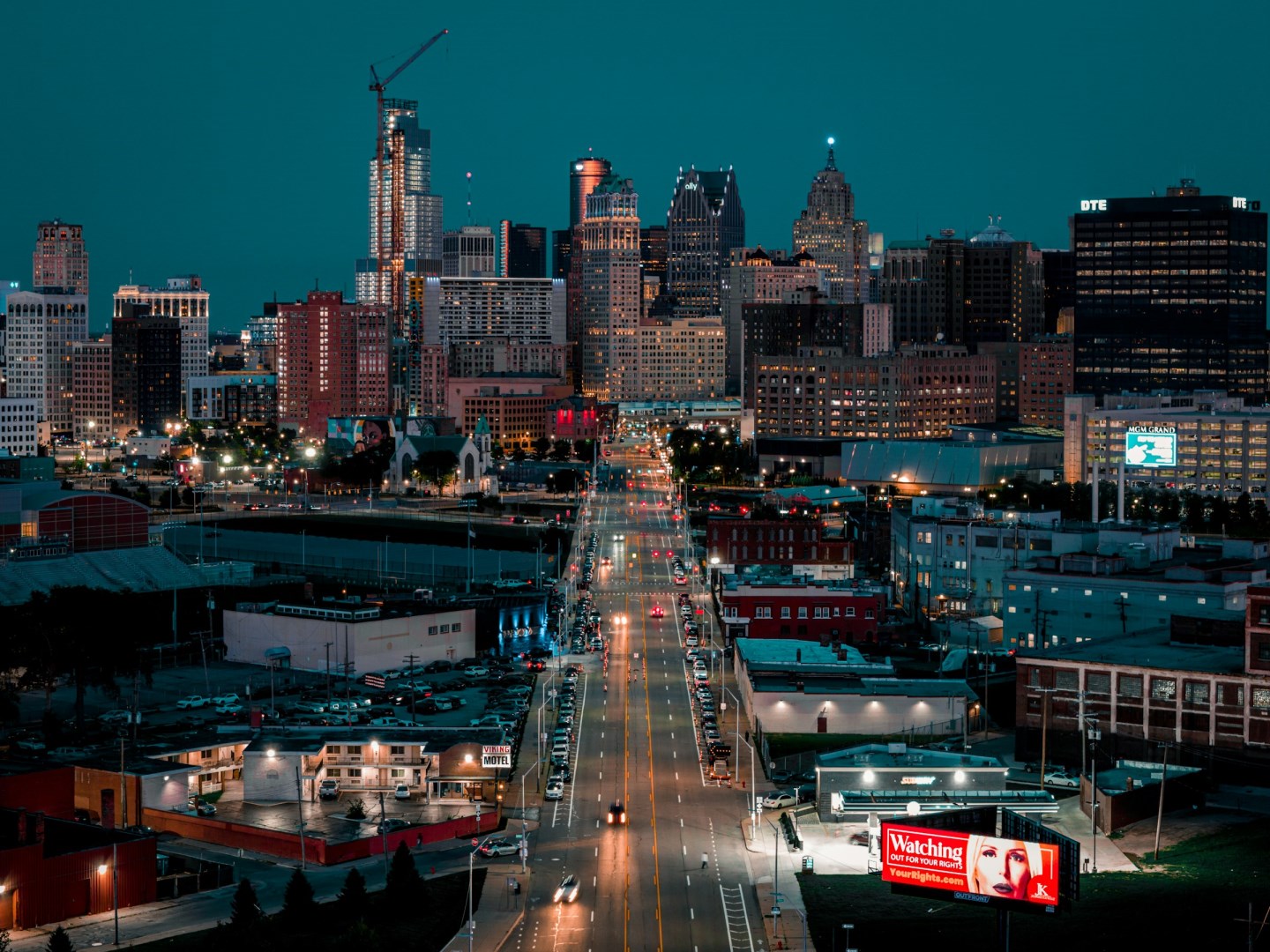
Detroit
Located in southeast Michigan state between Lake Erie and Lake Huron, this is the "Motor City" - it is the center of the American Car industry.
