
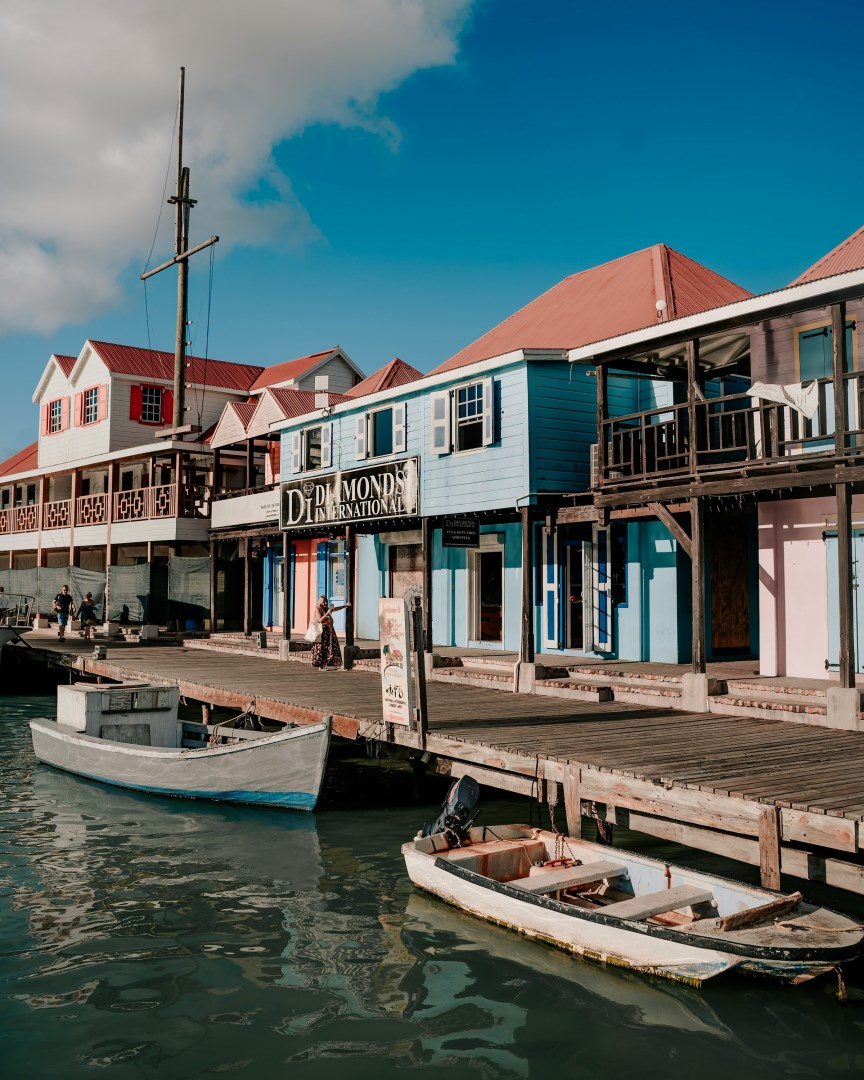
St. John's
Saint John, the vibrant capital of Antigua and Barbuda, is a captivating destination known for its colorful colonial architecture. The city offers visitors a charming mix of history, culture, and natural beauty.

Shimizu
Shimizu, a picturesque port in Shizuoka City, offers stunning views of Mount Fuji on clear days. Shimizu is known for its rich maritime history, and a culinary highlight is its fresh seafood, particularly tuna. The port boasts the highest tuna catch in Japan, making it a prime destination for sushi fans.
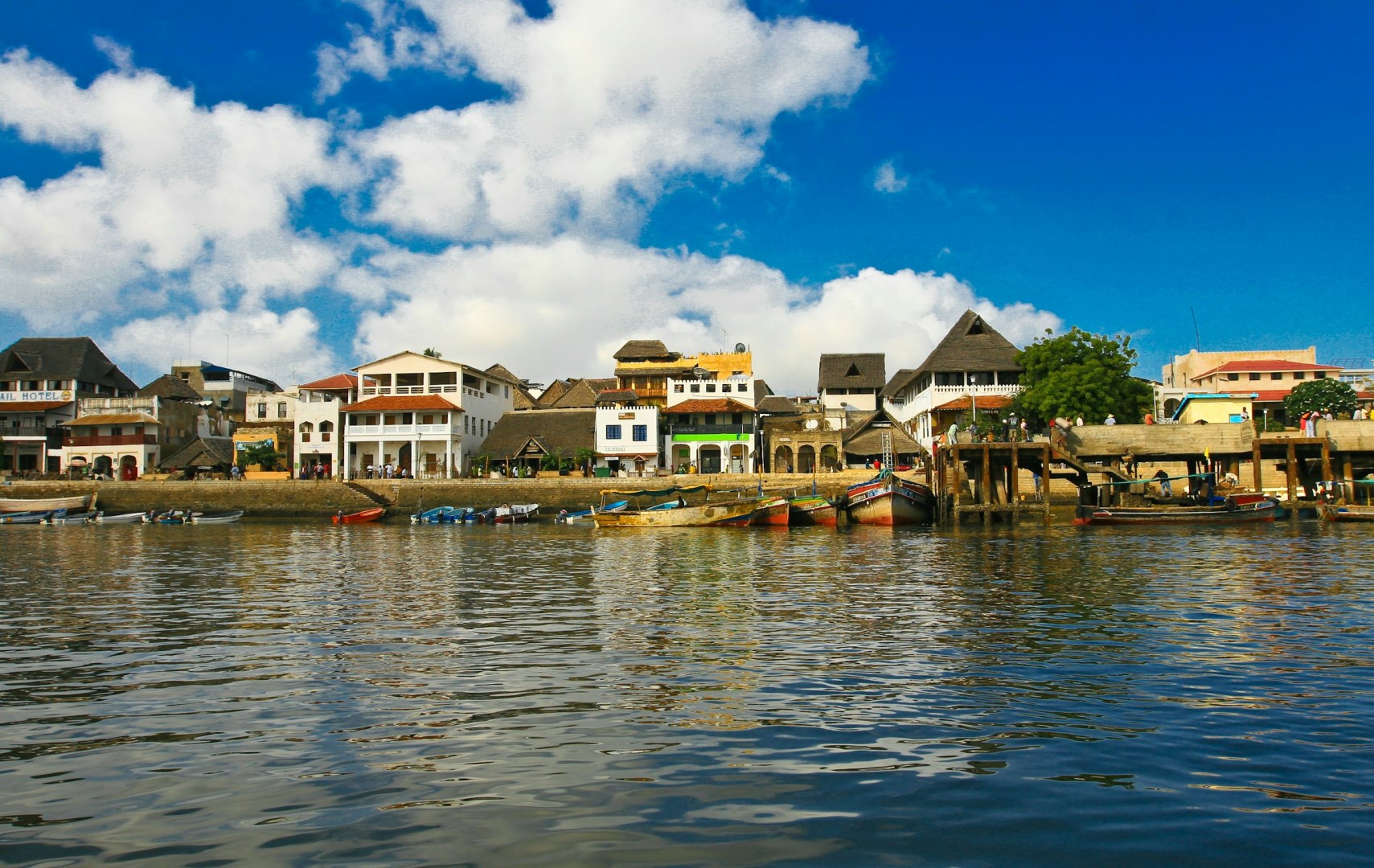
Lamu
Lamu is a place of fantasy and other-worldliness wrapped in a cloak of medieval romance. With an almost exclusively Muslim population, Kenya's oldest living town has changed little in appearance or character over the centuries. Remote and self-contained, this once thriving port town is now a gloriously relaxed and relaxing destination.
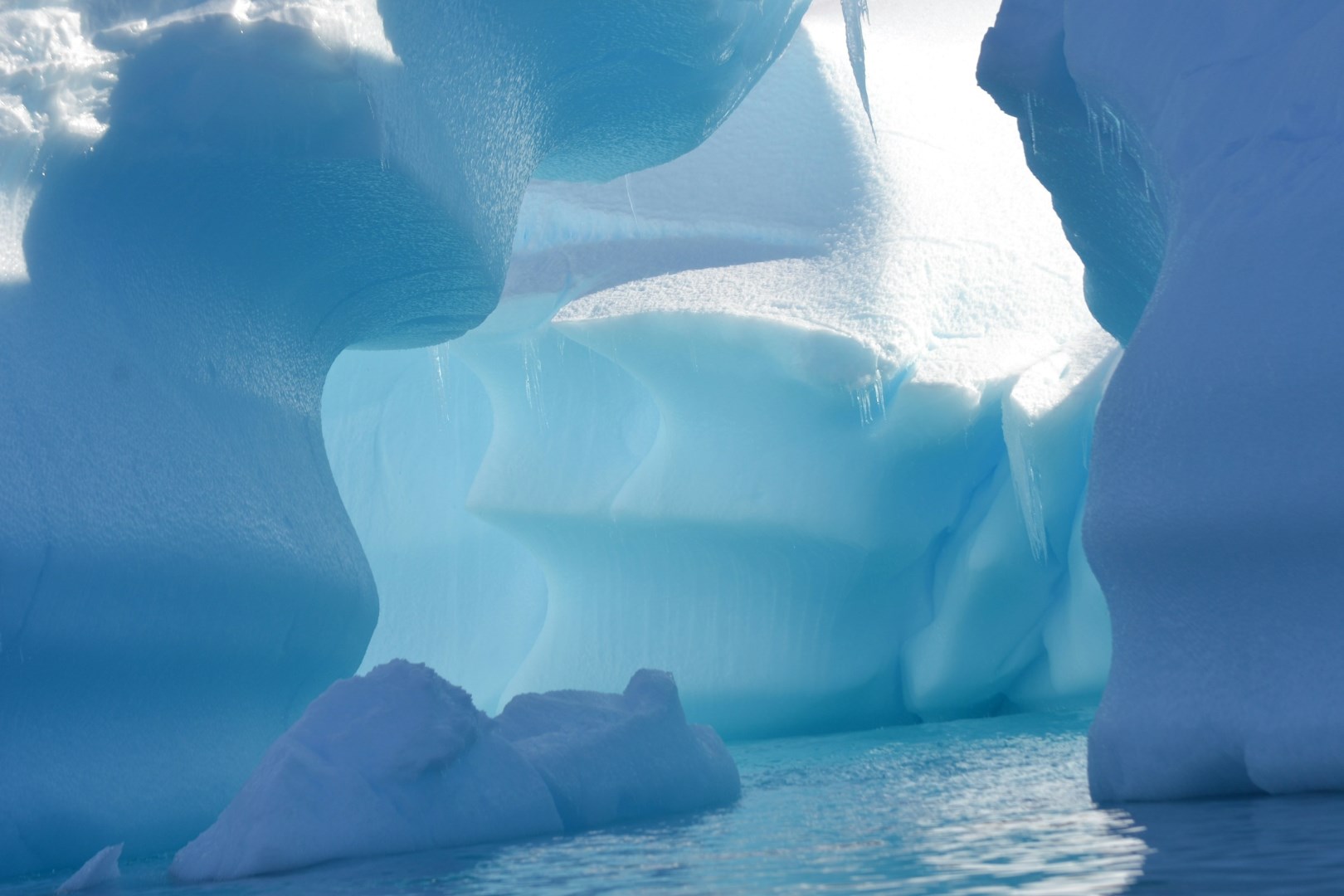
Scotia Sea
The Scotia Sea, nestled between the southern tip of South America and Antarctica, is a remote and captivating destination for those seeking adventure in the world’s southernmost waters.

Stromboli
Stromboli is a small volcanic island in the Tyrrhenian Sea, just off the north coast of Sicily. Referred to by some as the "Lighthouse of the Mediterranean," Stromboli is in a constant state of mild volcanic activity, so don't venture out on a hike without an experienced guide.
