

Beijing
Beijing, the capital of China, is a city where history and modern life intersect on a grand scale. Ancient landmarks like the Forbidden City, Tiananmen Square, and the Temple of Heaven reflect centuries of imperial heritage, while the Great Wall lies just outside the city, offering views of one of the most famous engineering feats in the world.

Tunis
Tunis' white-washed, blue-shuttered buildings hide a treasure trove of Arabic and Ottoman art. Inspect illuminated manuscripts from the Koran, follow the twists and turns of the fascinating old Medina (inner city), marvel at the ornate Palace of Dar Ben Abduallah and the magnificent Djamaa-Ez-Zitouna Mosque, whose 184 columns were "recycled" from the rocky ruins of Carthage.
Piombino
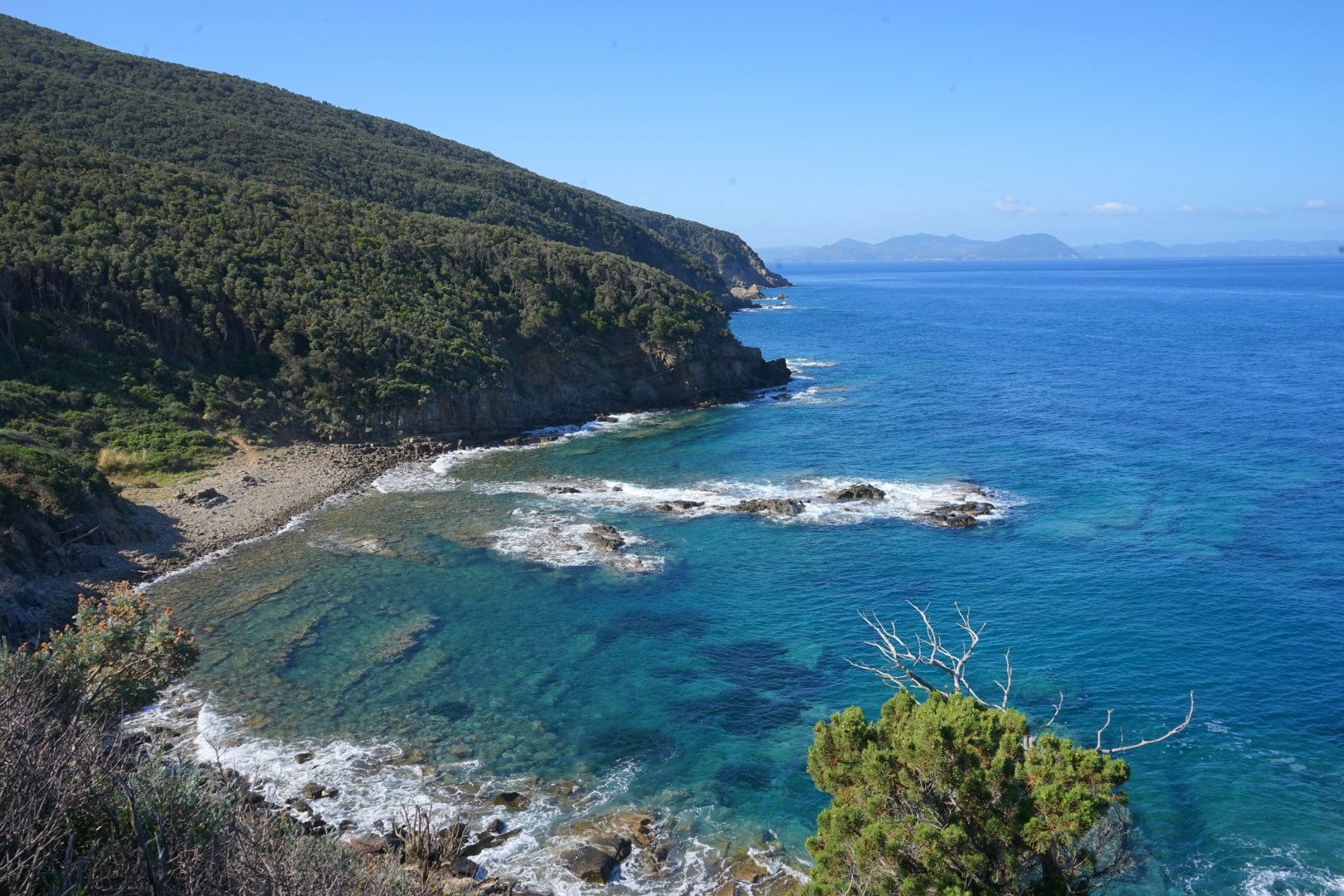
Piombino is a coastal city on a promontory in southern Tuscany, overlooking the Tyrrhenian Sea and the islands of the Tuscan Archipelago. Its position on the Etruscan Coast has shaped both its history and its modern identity, with a working port, maritime traditions, and access to beaches and protected coastal areas. The historic center occupies the older part of the promontory, where medieval and Renaissance buildings stand within sections of the former defensive walls.
Coimbra
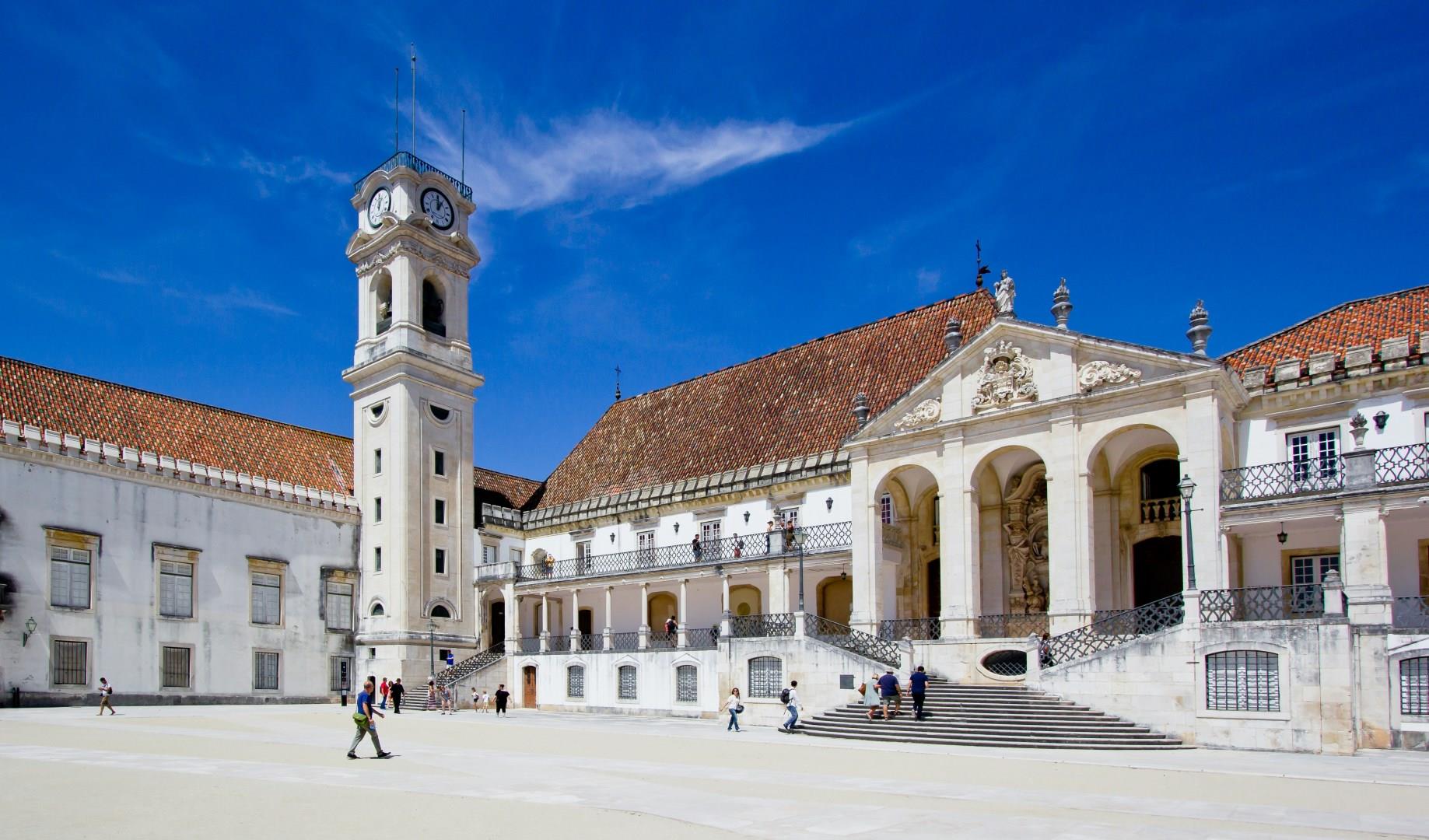
Coimbra, set along the banks of the Mondego River in central Portugal, is a historic city known for its academic legacy and old-world charm. Once the medieval capital of Portugal, it is home to the University of Coimbra, one of the oldest in Europe and a UNESCO World Heritage Site.
Amber Cove
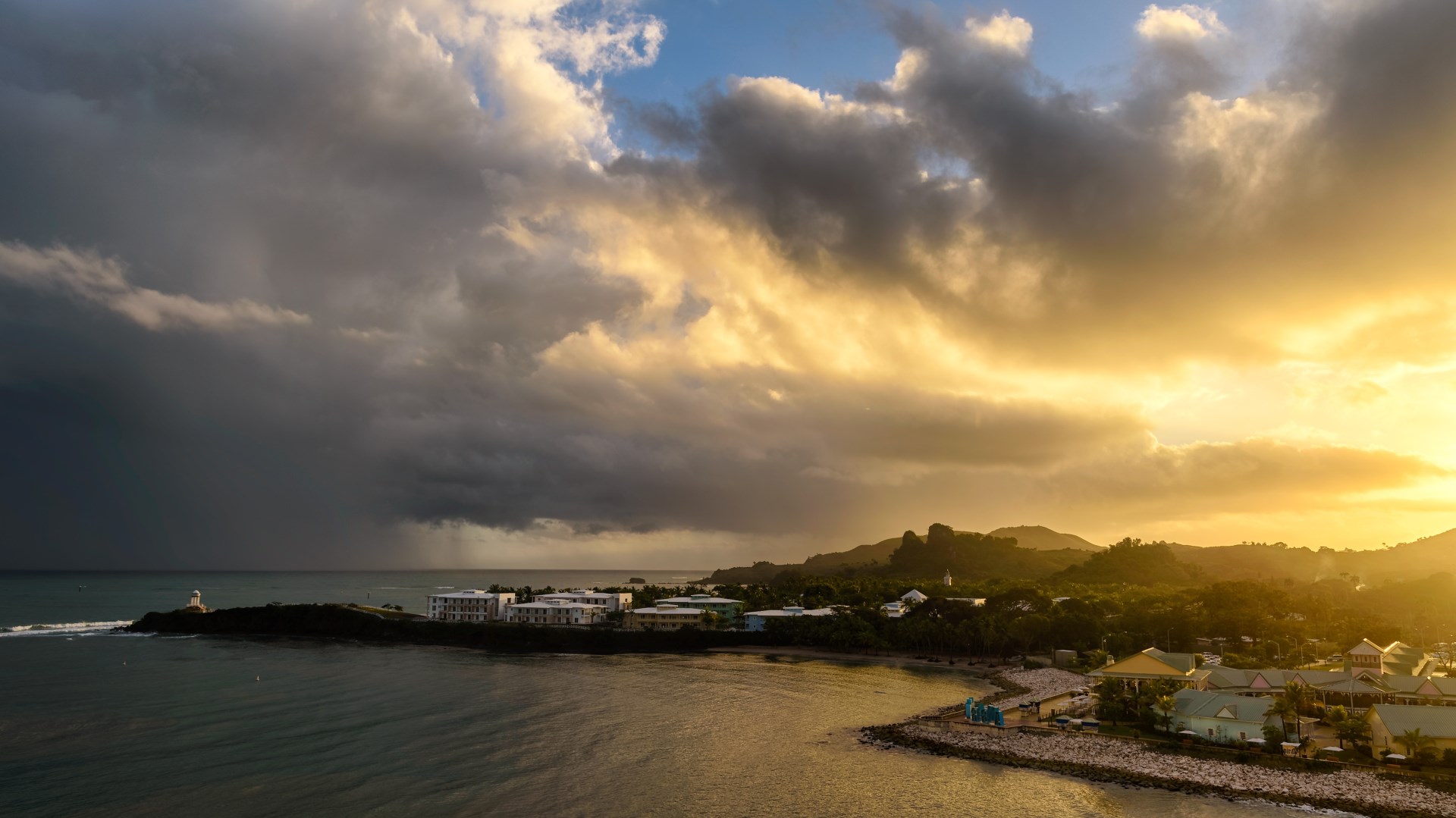
Located along the northern coast of the Dominican Republic, Amber Cove serves as a vibrant gateway to the region of Puerto Plata. Designed as a cruise port with a strong sense of place, the area reflects the island’s long connection to the sea and trade. Visitors often begin their experience with views of the harbor framed by green mountains, setting the tone for what lies beyond.
