

London
London, Ontario, nestled along the Thames River, is a city brimming with charm and diverse experiences. Known as the "Forest City," it boasts an impressive array of green spaces, including the expansive Springbank Park, which offers picturesque trails, gardens, and the renowned Storybook Gardens—a whimsical spot for families and children.
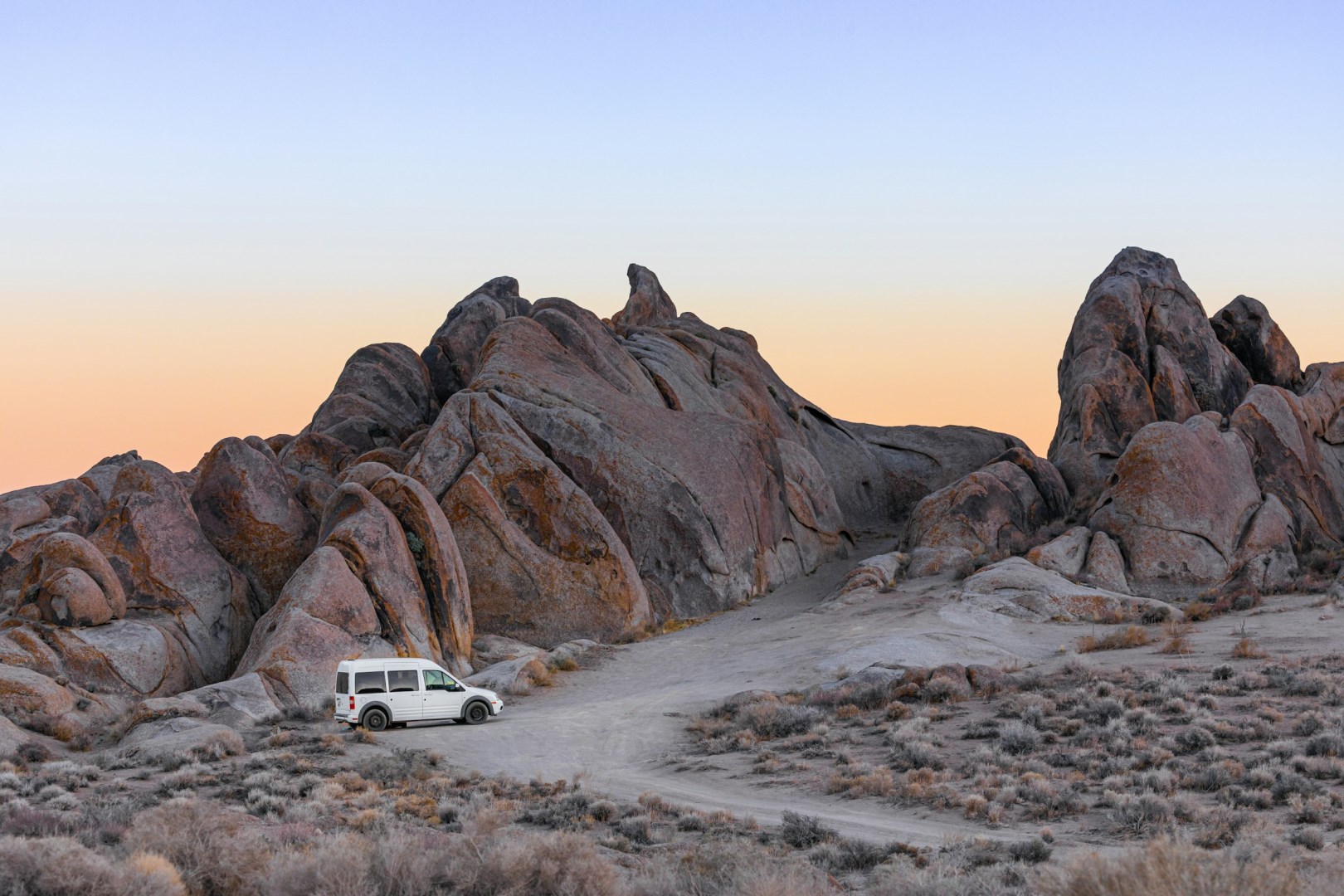
Lone Pine
The Alabama Hills are one of Lone Pine’s most recognizable attractions, with rounded orange and brown rock formations set against the steep Sierra Nevada. Numerous roads and trails provide access to arches, boulders, and viewpoints across the area. Mount Whitney, the highest summit in the contiguous United States, rises west of town, while the Inyo National Forest and surrounding wilderness areas provide opportunities for hiking, climbing, fishing, and wildlife observation.

Himalayas
The Himalayas are a vast mountain system stretching across several countries in South Asia, forming a high natural barrier between the Indian subcontinent and the Tibetan Plateau. The range contains many of the world's highest peaks, including Mount Everest, and encompasses glaciers, deep valleys, high plateaus, forests, and alpine meadows.
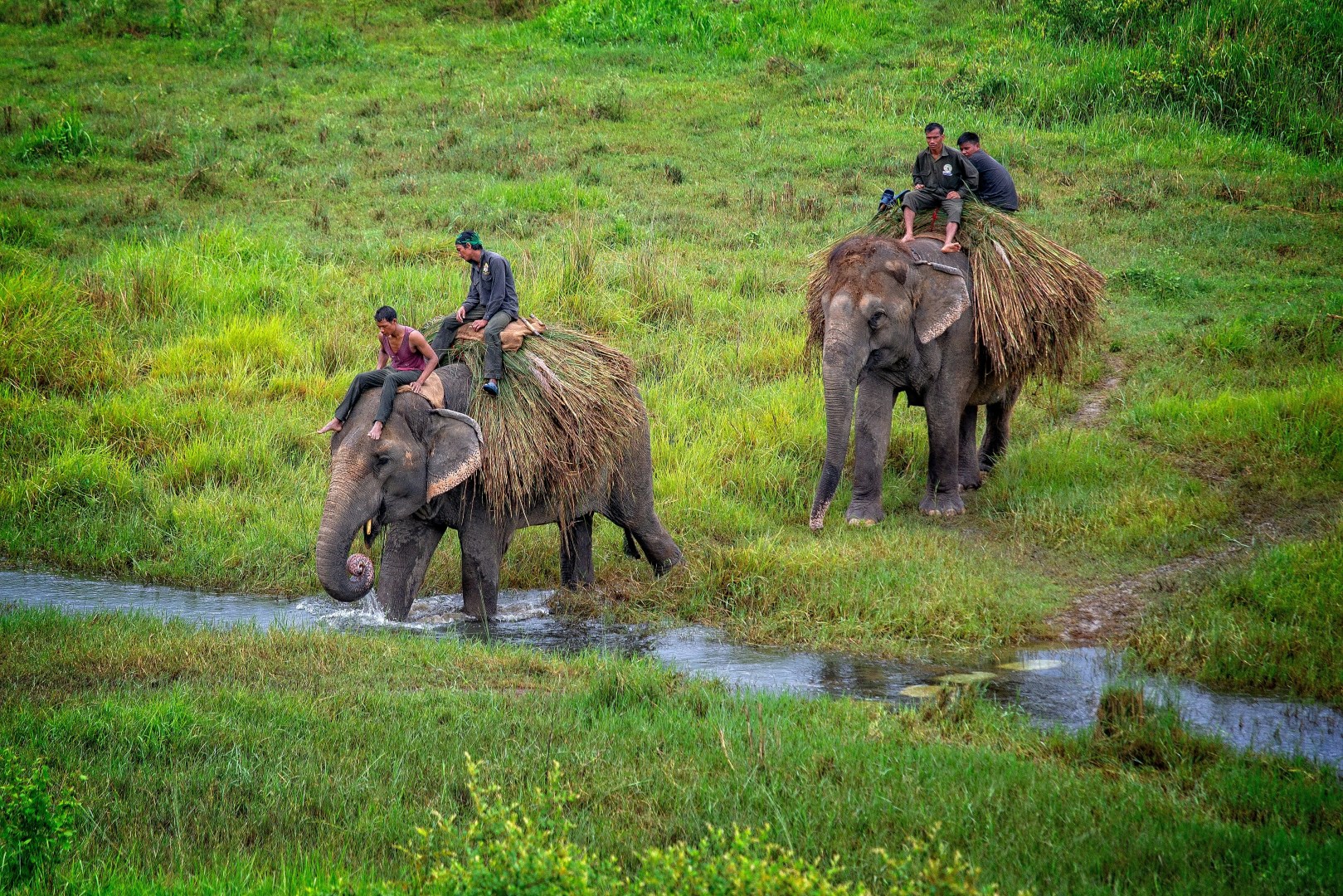
Chitwan National Park
Chitwan National Park is one of Nepal’s most important protected natural areas. Located in the subtropical lowlands of southern Nepal, the park is known for dense sal forests, grasslands, rivers, and a large concentration of wildlife.
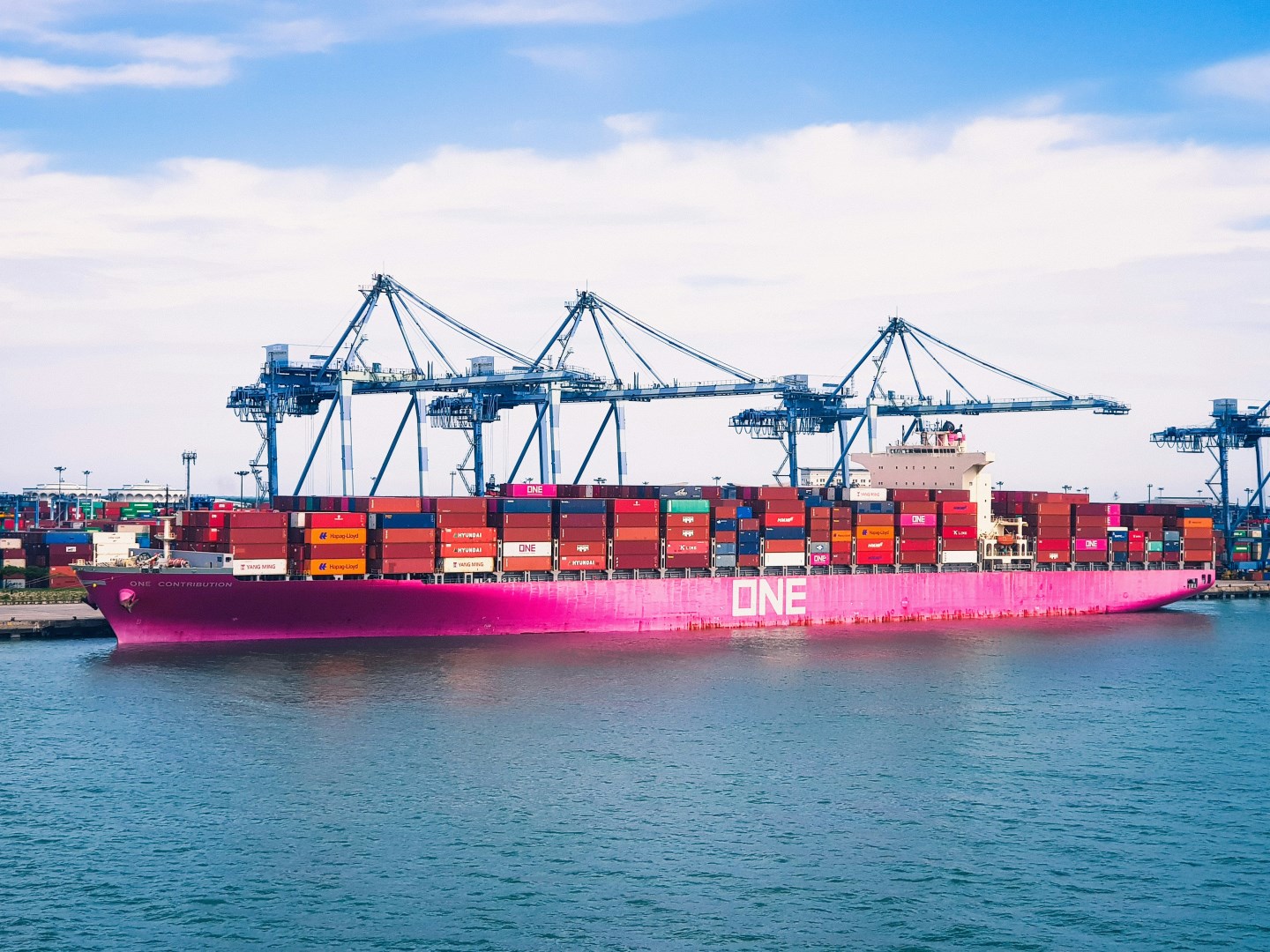
Port Kelang
Port Klang, Malaysia’s bustling port city, is a gateway to both vibrant urban life and serene coastal escapes.
