
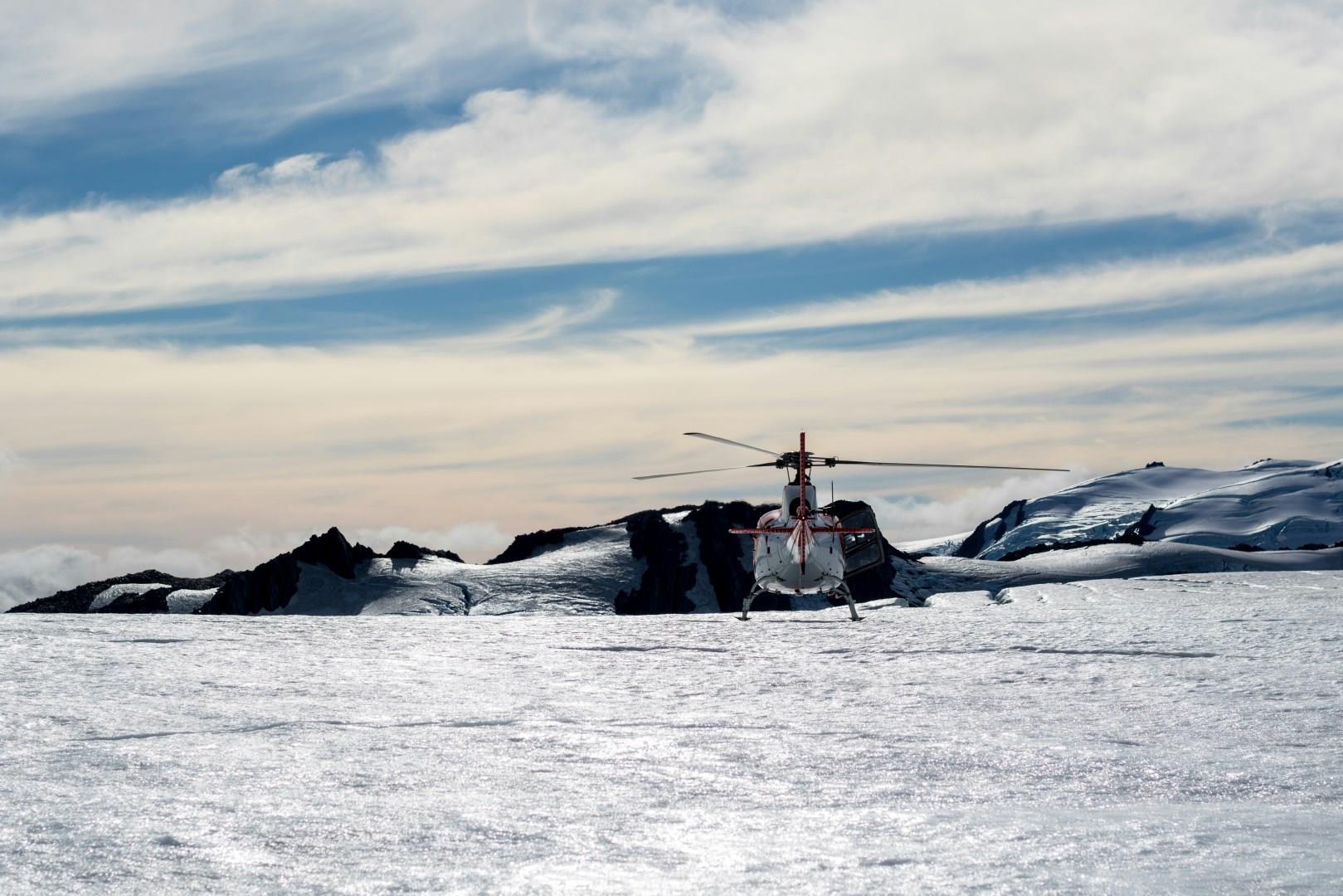
Fox Glacier
Fox Glacier, on New Zealand’s South Island, is one of the country’s most remarkable natural wonders, where icy landscapes meet lush rainforest. Named after Sir William Fox, a 19th-century Prime Minister of New Zealand, the glacier stretches from the high peaks of the Southern Alps down into temperate rainforest.

Sequoia National Park
Sequoia National Park, located in California’s Sierra Nevada mountains, is a natural wonderland famous for its giant sequoia trees, including the world-renowned General Sherman Tree. Standing at an astonishing 275 feet tall, the General Sherman is the largest tree on Earth by volume and a must-see for visitors.
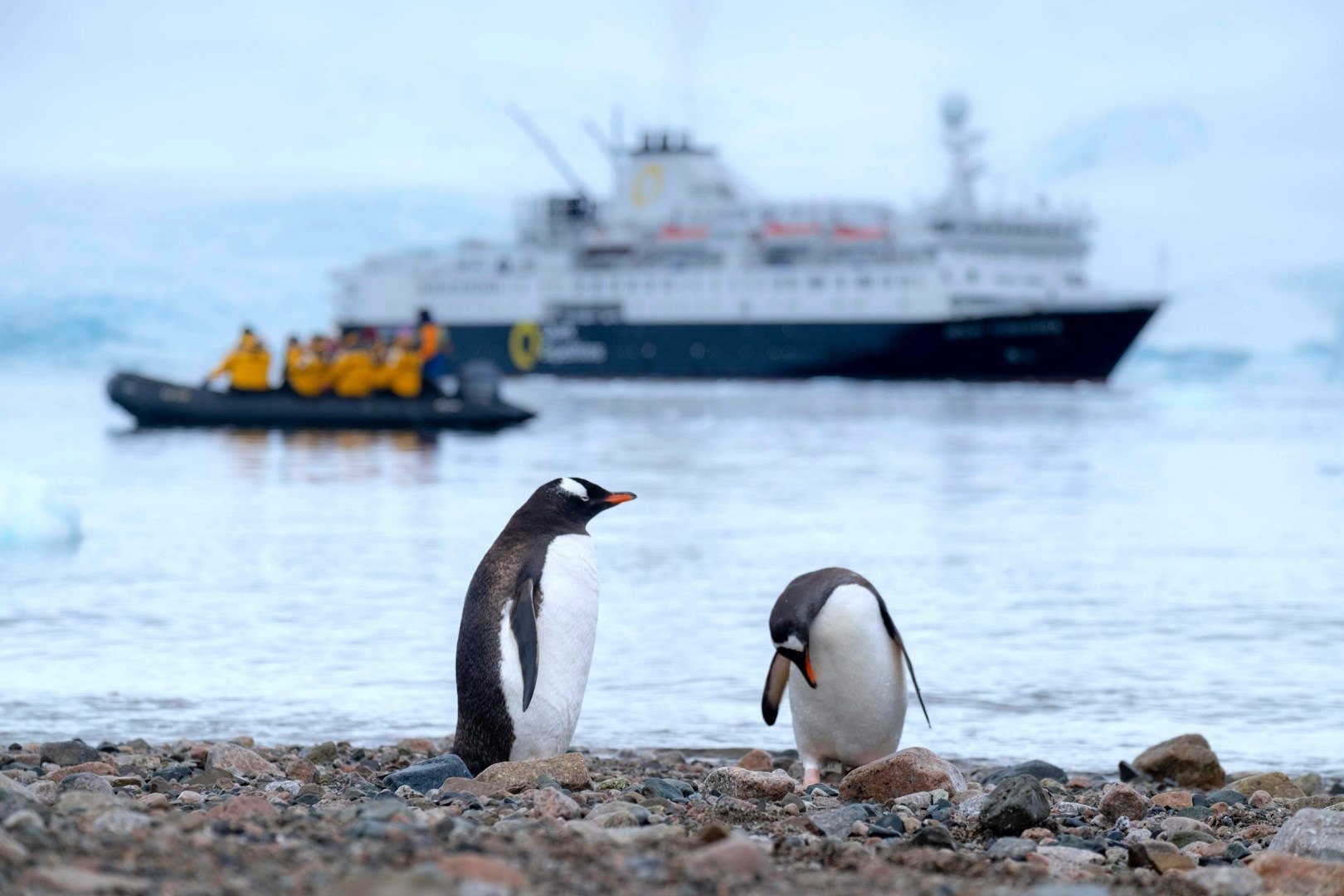
Danco Island
Danco Island also offers a close look at how Antarctic wildlife uses a small ice-covered island. Gentoo penguins establish colonies on rocky and snow-free areas, while the surrounding channel provides access to feeding grounds. The island’s exposed slopes and summit can be windy, and snow conditions may vary considerably between visits. Its compact landscape means that even a short excursion can reveal glaciers, mountains, sea ice, seabirds, and penguin colonies within a relatively small area.

Barcelona
To visit Barcelona is to embrace both the past and the future. There is much to do and see in this cosmopolitan capital of Catalonia, from medieval structures to beaches to UNESCO Heritage Sites by Antoni Gaudí and Lluís Doménech i Montaner.

Nosy Be
Nosy Be, often called the “Perfume Island” due to its fragrant ylang-ylang trees, is Madagascar’s largest and most popular tourist destination. Situated off the northwest coast of Madagascar, this tropical paradise boasts powdery white sand beaches, turquoise waters, and lush inland rainforests, making it an idyllic escape for beach lovers, nature enthusiasts, and adventure seekers alike. Nosy Be is renowned for its stunning marine life.
