

Coron
Coron is a coastal town in northern Palawan, part of the Calamian Islands, where steep limestone formations rise above clear bays, lagoons, and sheltered coves. The town sits on Busuanga Island and serves as a gateway to the surrounding islands and marine areas. Coron is particularly known for its combination of inland lakes and underwater landscapes, giving the destination a character that extends well beyond its beaches.

Budapest
The capital and largest city in Hungary, Budapest is a favorite European destination for millions of tourists each year. Once the center of the Austro-Hungarian Empire, this cosmopolitan city and UNESCO World Heritage site has plenty of historical and cultural landmarks to explore.
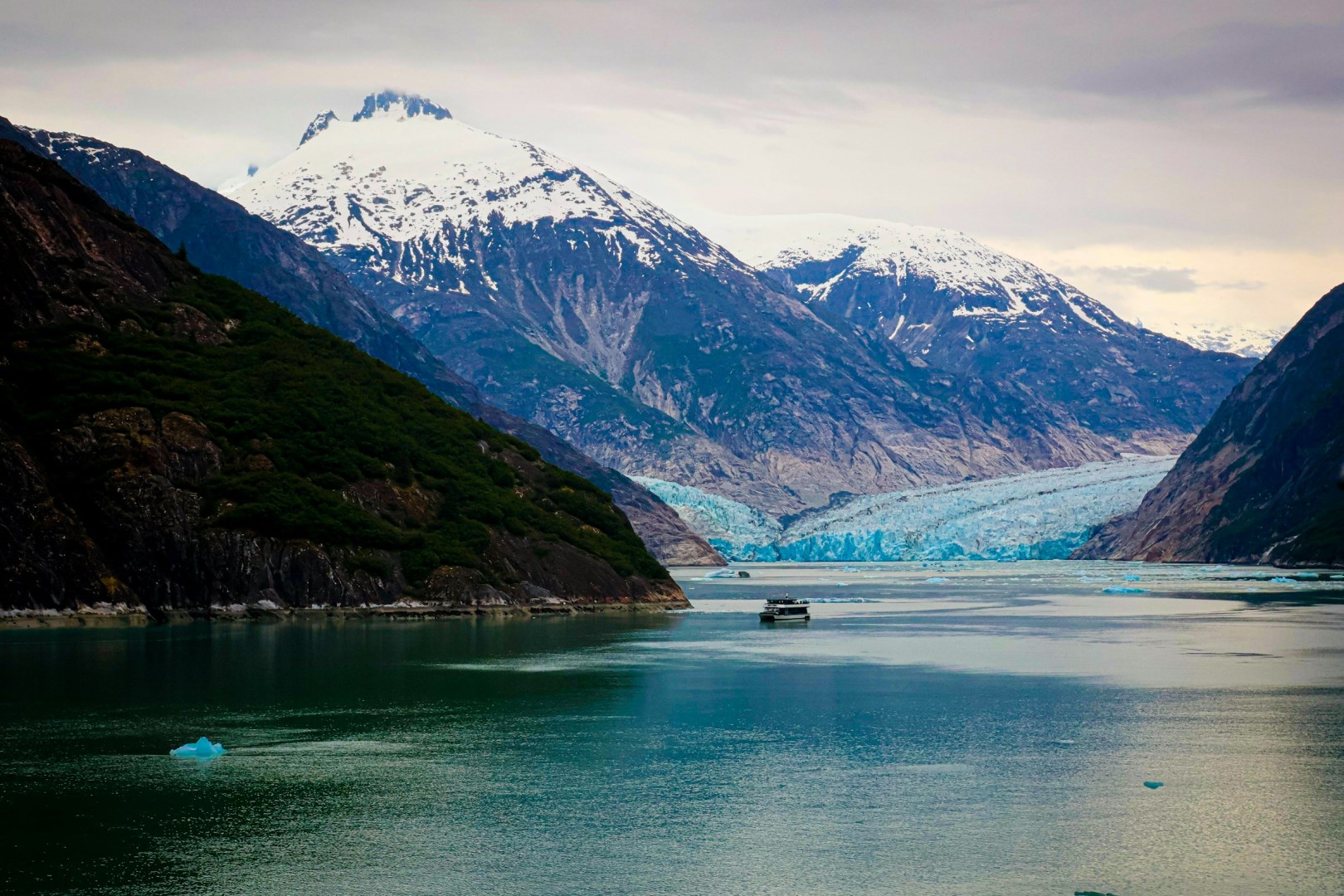
Dawes Glacier
Dawes Glacier is a tidewater glacier in Endicott Arm, a deep fjord branching from the waters of southeastern Alaska’s Tracy Arm-Fords Terror Wilderness. The glacier descends from the Coast Mountains toward the head of the fjord, where ice meets seawater at a broad calving face. Towering mountains, steep cliffs, waterfalls, and dense coastal forest surround the fjord, creating a dramatic setting that is best experienced from the water.

Latvia
Latvia invites visitors to explore a land where medieval streets meet vast forests and a lively coastline. Riga, the country’s capital, is home to one of the largest and best-preserved collections of Art Nouveau architecture in Europe. Walking through the Old Town, visitors can admire intricate facades and cobblestone streets that lead to landmarks like the House of Blackheads and St. Peter’s Church, whose tower offers panoramic views of the city.

Nile River
The River Nile, most often associated with Egypt and its ancient civilizations, actually flows through eight other countries including Uganda, Ethiopia, Sudan, and Kenya. It is formed by two major tributaries, the White Nile and Blue Nile, and is considered by many to be the longest river in the world when measured from its source waters in Rwanda and Burundi.
