
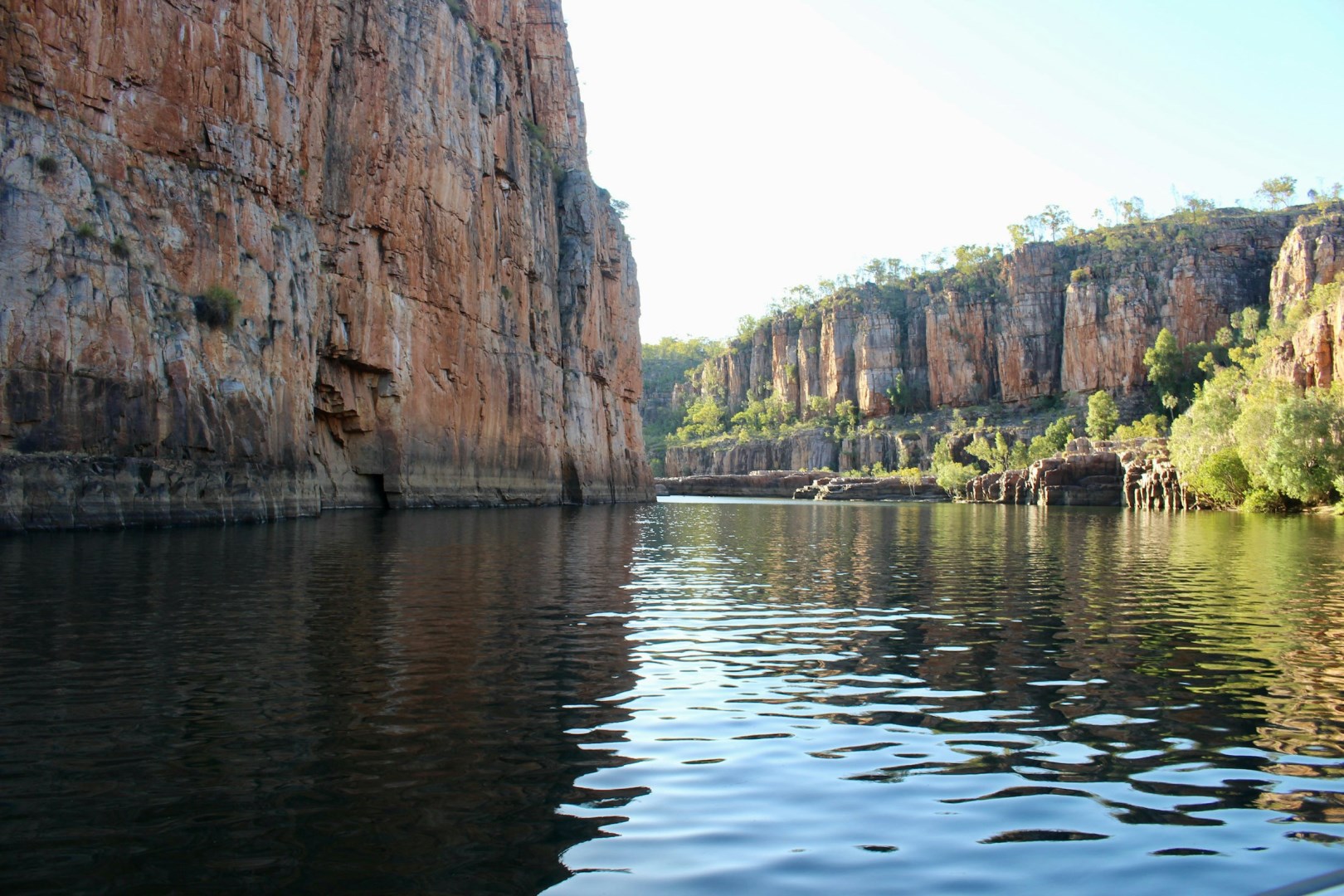
Katherine
Katherine, located in the Northern Territory of Australia, is a vibrant outback town that serves as a gateway to some of the region’s most striking natural landscapes. Situated along the Katherine River, the town has historically been a hub for agriculture, cattle farming, and Aboriginal communities, blending modern infrastructure with deep-rooted cultural heritage.
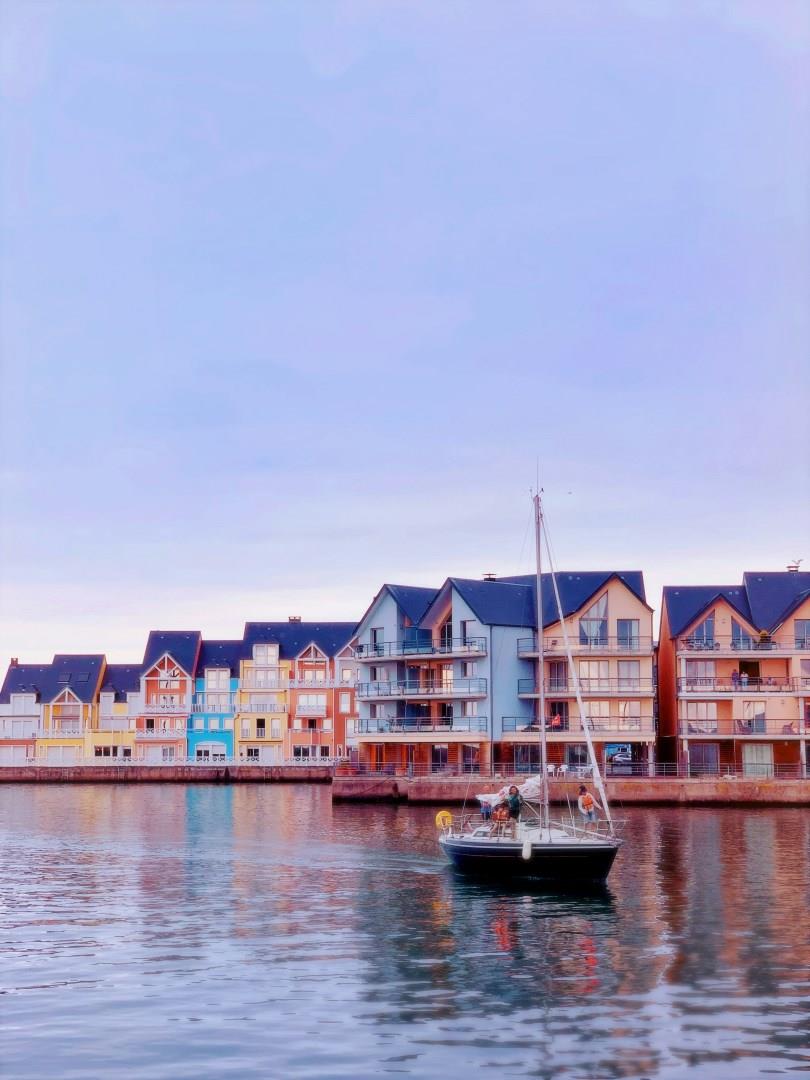
Deauville
Deauville sits on the Normandy coast of northern France and has long been associated with seaside leisure, elegance, and cultural life. Developed in the mid-19th century as a resort for Parisian society, the town quickly became a place where architecture, fashion, and social rituals shaped its identity.

New Jersey
New Jersey often surprises first-time visitors. It’s not just the gateway to New York or Philadelphia but a destination in its own right with deep Revolutionary War history, beach towns full of character, and some of the most diverse food offerings on the East Coast. Cities like Trenton and Morristown still carry the echoes of pivotal battles, while monuments and preserved buildings tell stories of George Washington’s winter encampments and early American resilience.

Ravello
Nestled high on the cliffs of Italy’s Amalfi Coast, Ravello is a gem of medieval charm and stunning vistas. This picturesque town is renowned for its breathtaking views of the Tyrrhenian Sea and its lush gardens, such as the famed Villa Cimbrone.

Skagen
Skagen, Denmark, is a picturesque coastal town where the North Sea meets the Baltic Sea, offering visitors a unique natural experience unlike any other. Known for its stunning light, which has attracted artists for centuries, Skagen is a place where art, nature, and history converge in perfect harmony.
