
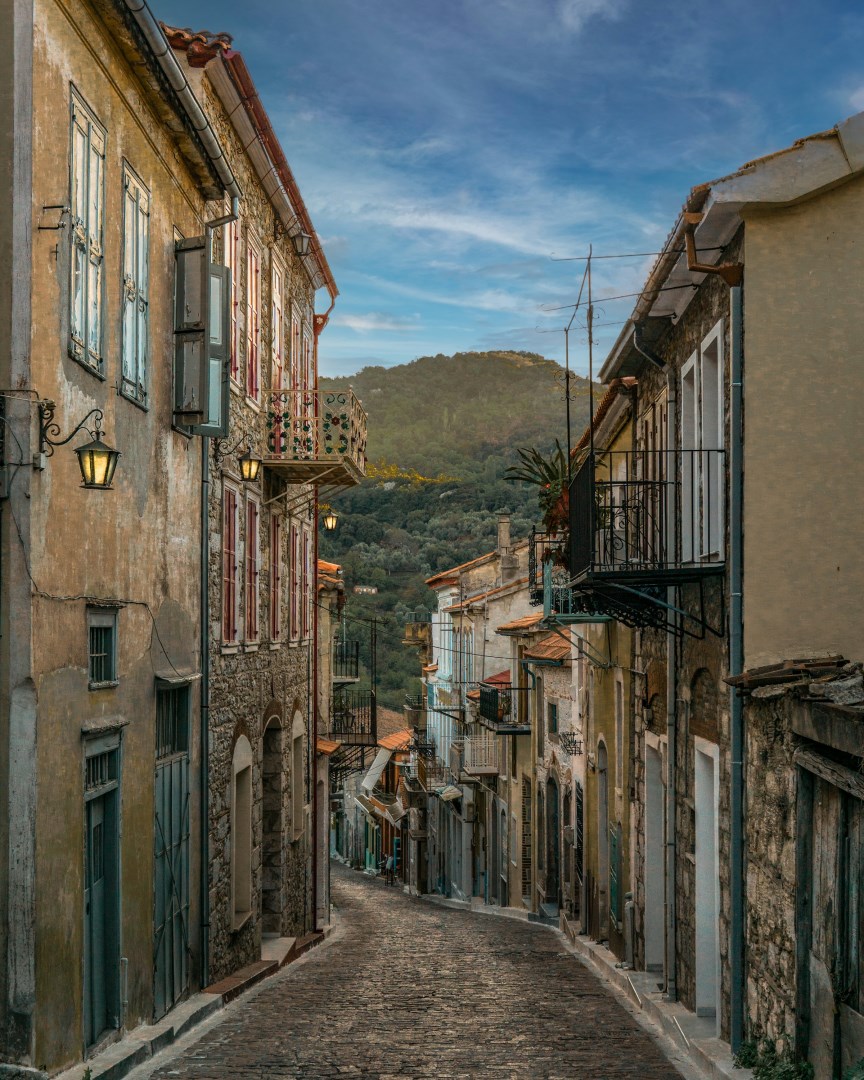
Mytilene
Mytilene, ancient Greek city, the capital of Lésvos (Lesbos), an island in the Aegean Sea. It was colonized in early times by the Aeolians and is known as the birthplace of the poet Sappho and the philosopher Theophrastus. The city became a great naval power and established colonies in Mysia and Thrace.
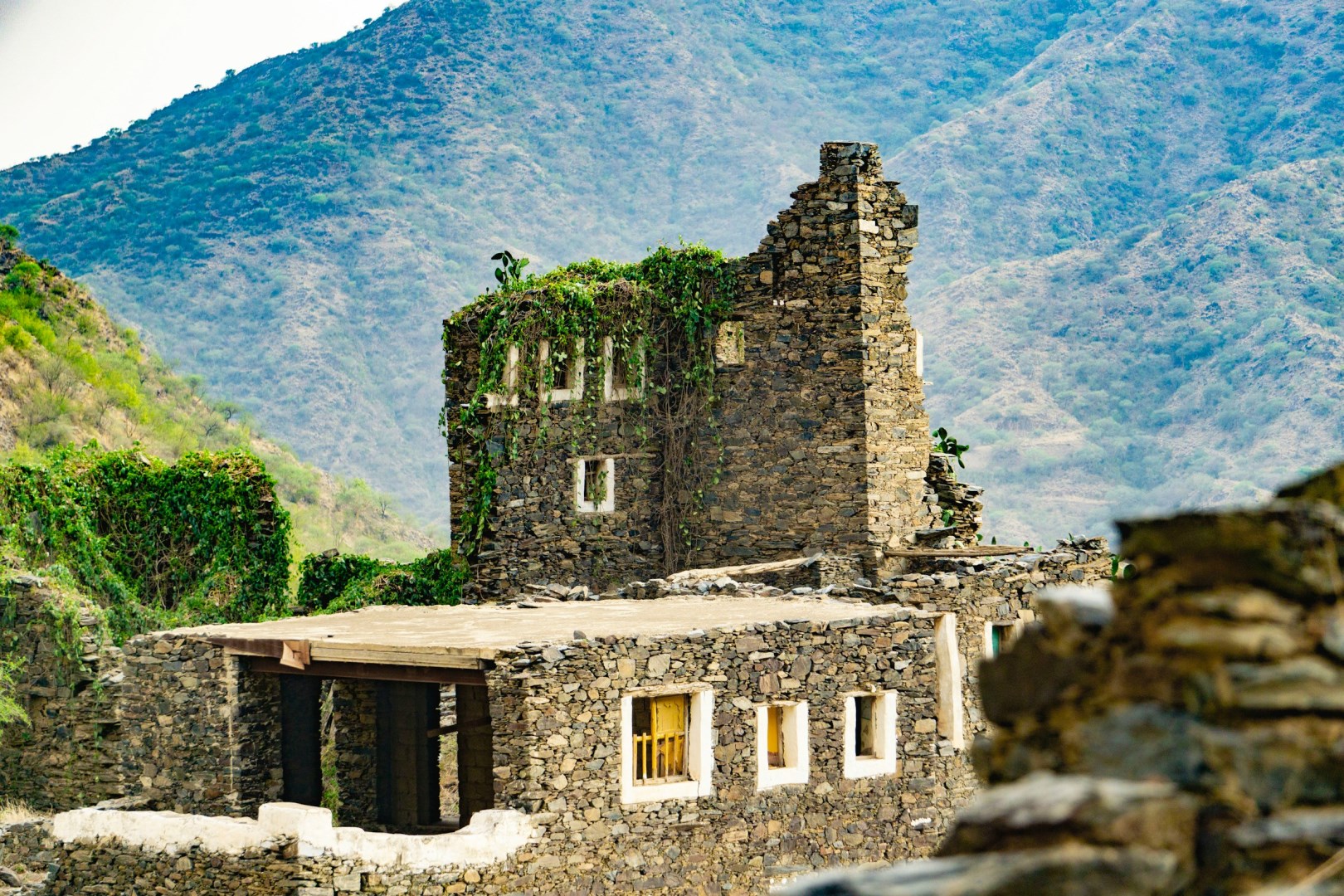
Abha
Abha, the capital of Saudi Arabia’s Asir Province, is a scenic mountain city set nearly 2,200 meters (7,200 feet) above sea level in the Sarawat Mountains. Known for its mild climate, lush green hills, and misty peaks, it stands in striking contrast to the country’s desert landscapes.
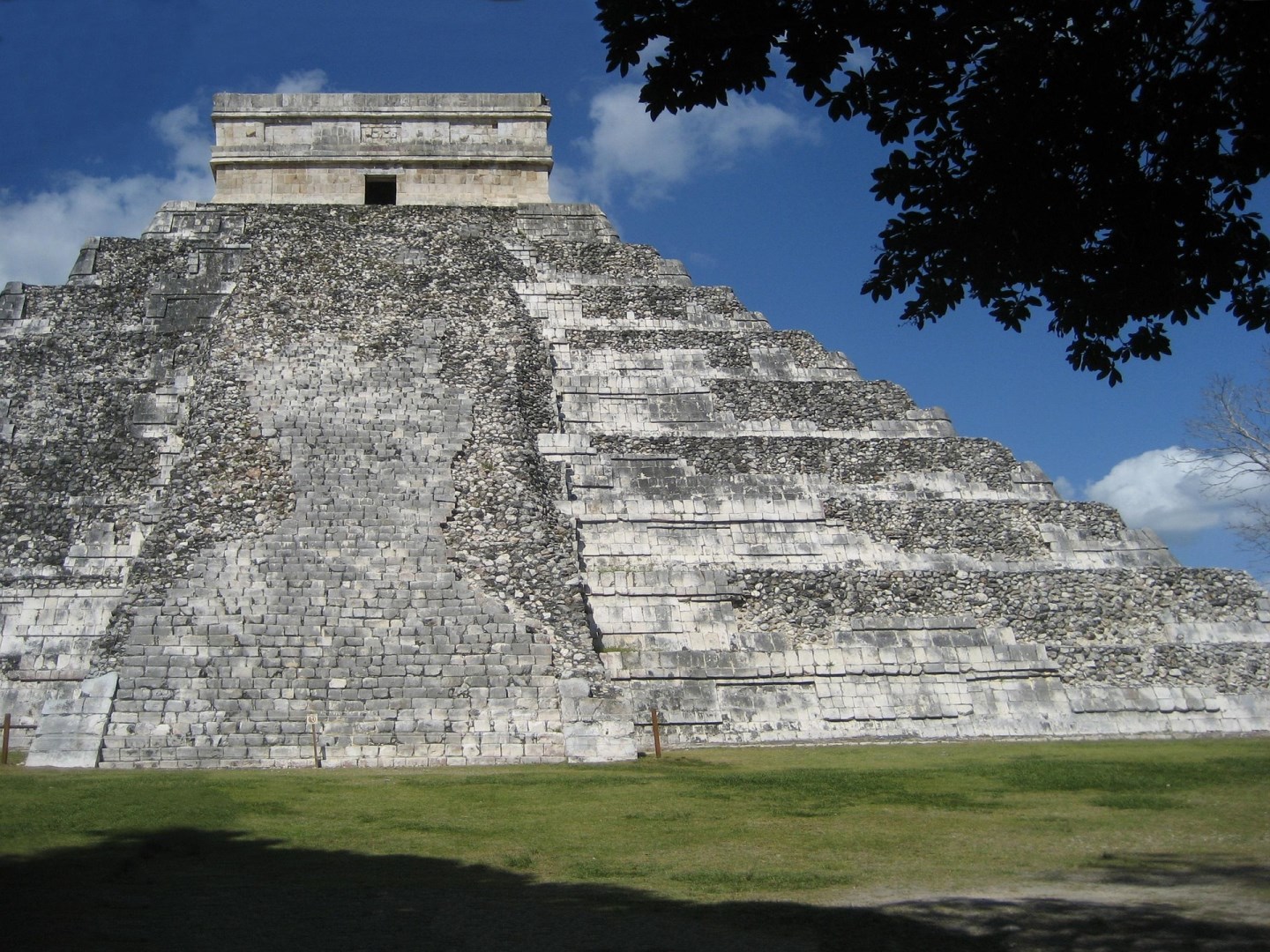
Chichén Itzá
Located on the Yucatan Peninsula of Mexico, Chichen Itza is the site a well preserved Mayan ruins, including several large pyramid structures and more.
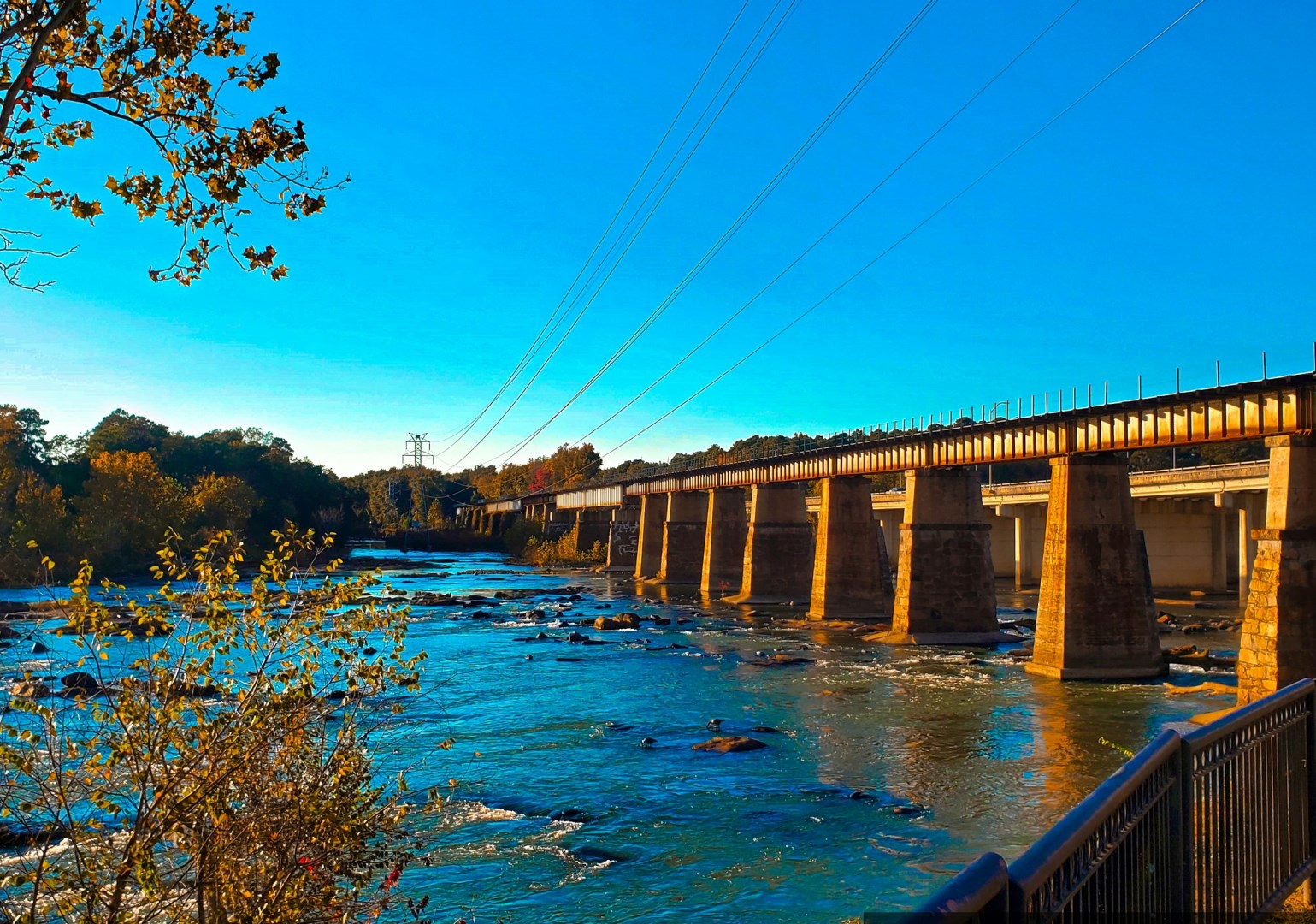
Columbia
Capital city of the state of South Carolina in the southeastern United States.
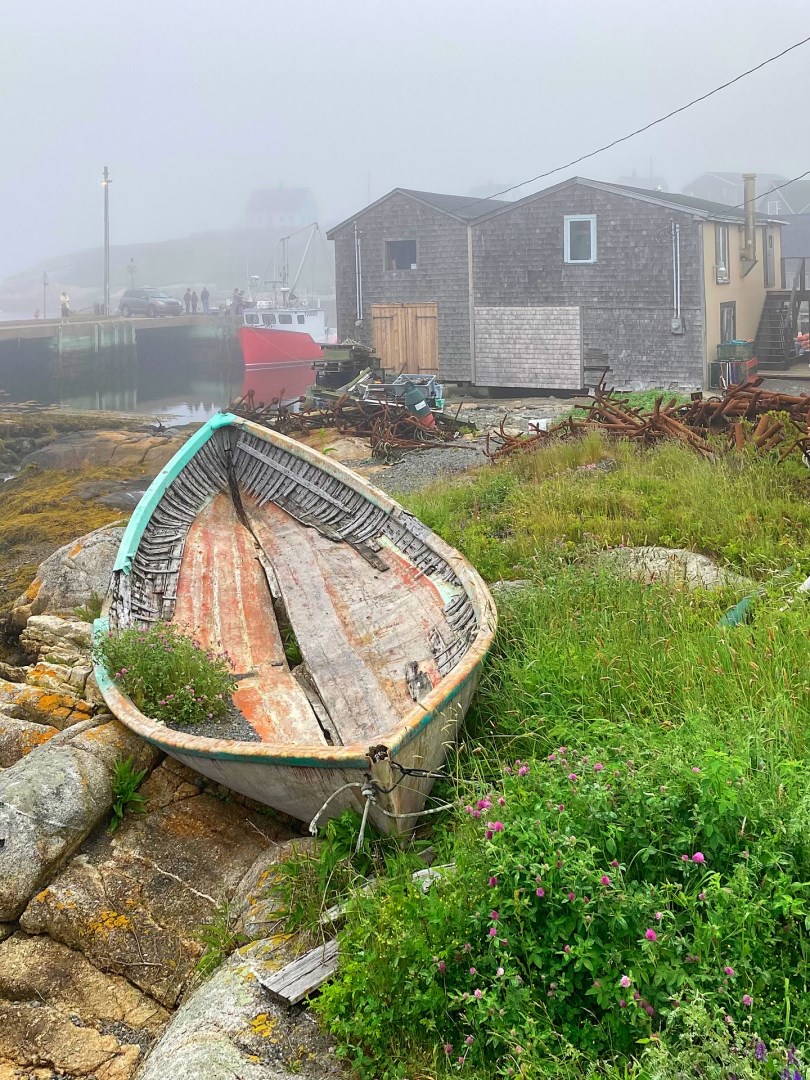
Peggy's Cove
Peggy's Cove is a small coastal community on the eastern shore of St. Margarets Bay in Nova Scotia, known for its granite shoreline, working harbour, and distinctive lighthouse. Large exposed rocks surround the village, shaped by glaciers and Atlantic weather, while spruce and fir forests cover the inland areas.
