

Molde
Nestled along the fjord-studded coastline of Norway, Molde is renowned for its breathtaking natural beauty and rich cultural heritage. Often called the "City of Roses" for its flourishing gardens and floral displays, Molde offers visitors a stunning panorama of 222 mountain peaks visible from its scenic viewpoints, including the renowned Varden Viewpoint. This spot provides an unparalleled vista of the surrounding fjords and peaks, making it a must-see for any nature enthusiast.
Guanajuato
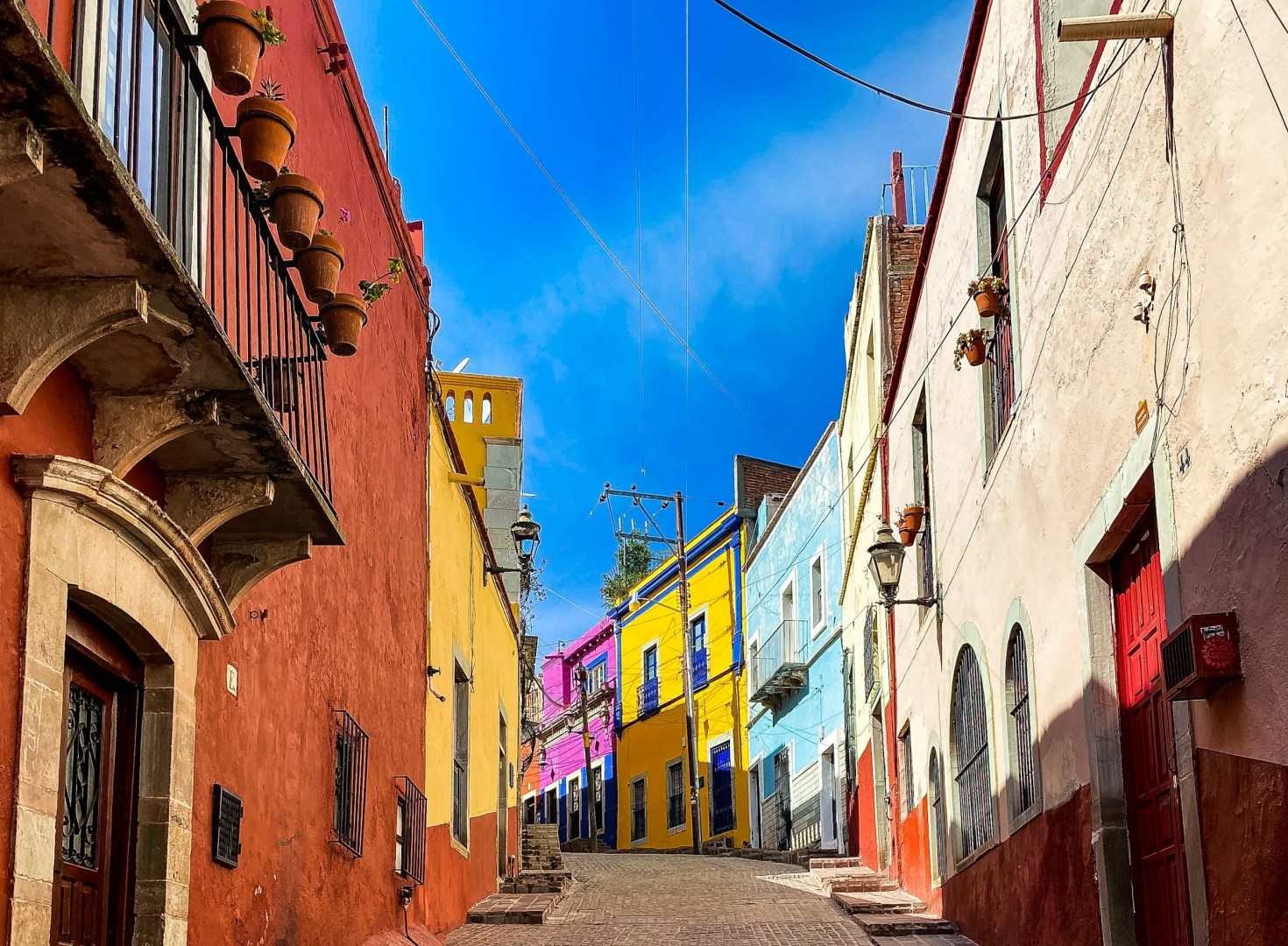
Guanajuato, a UNESCO World Heritage City nestled in the mountains of central Mexico, is a place where history is built into every hillside alley and underground tunnel. Today, visitors can still tour La Valenciana Mine, where centuries-old tunnels and original mining equipment offer a glimpse into the city's wealth-driven past. The nearby Templo de San Cayetano, built by mine owners in the mid-1700s, is a stunning example of baroque design, lined with gilded altars and intricate woodwork.

Coromandel Peninsula
The Coromandel Peninsula on New Zealand’s North Island is a place where coastline and culture come alive in ways that stay with visitors long after they’ve left. Stretching for about 110 kilometers between the Hauraki Gulf and the Bay of Plenty, this region has deep roots that go back to the arrival of Māori long before Europeans stepped ashore.

Tallinn
From grand castles to resplendent cathedrals, Tallinn’s Old Town neighborhood, a UNESCO World Heritage Site, is the perfect place to begin exploring. Enter through Viru Väravad, or Viru Gate, the former fortress whose remaining two towers beckon you into the heart of the city.
Yerevan
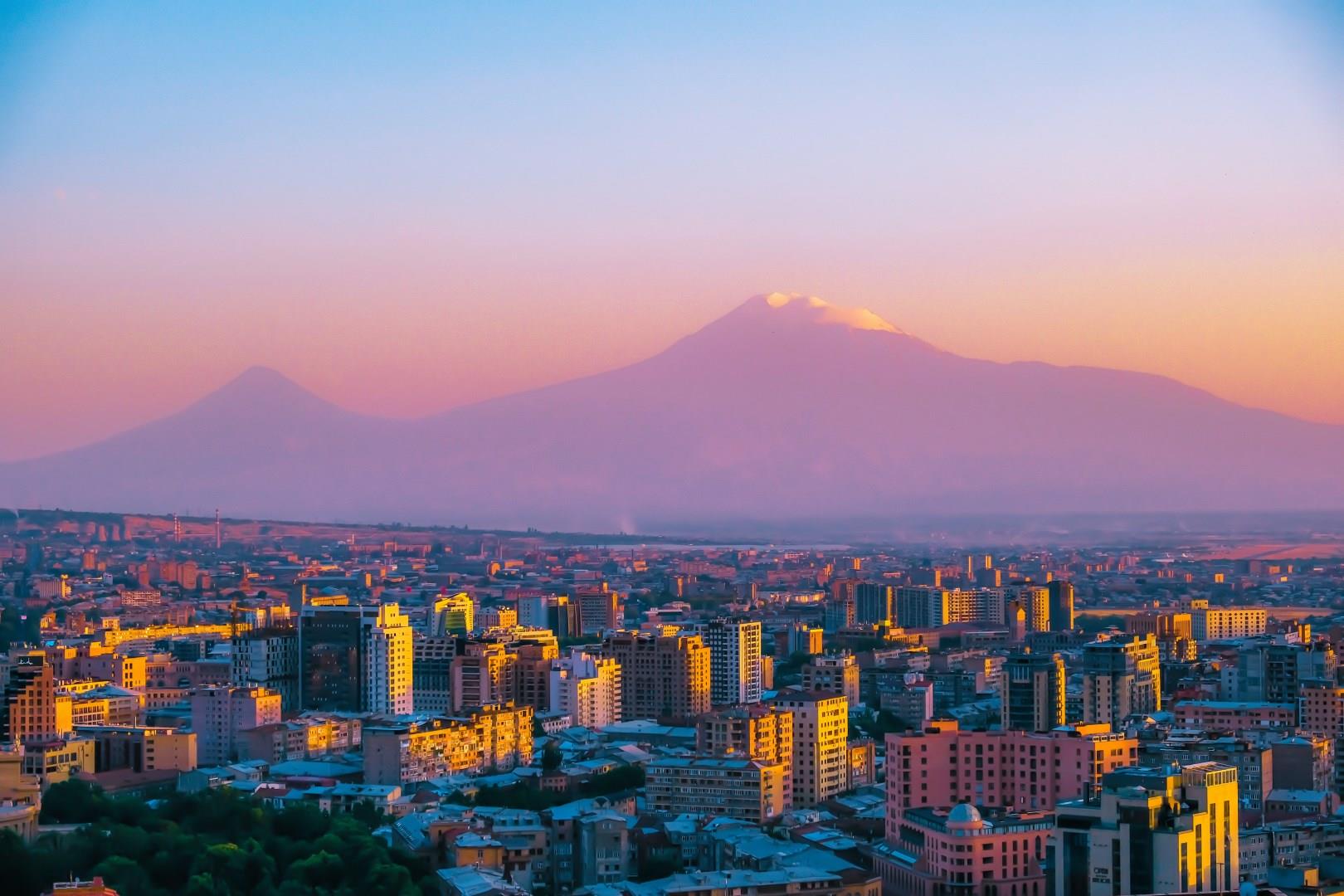
Yerevan, the capital of Armenia, is one of the oldest continuously inhabited cities in the world, with a history stretching back more than 2,800 years. Despite its ancient roots, it feels vibrant and modern, with wide boulevards, lively cafes, and an ever-present view of the majestic Mount Ararat on the horizon.
