
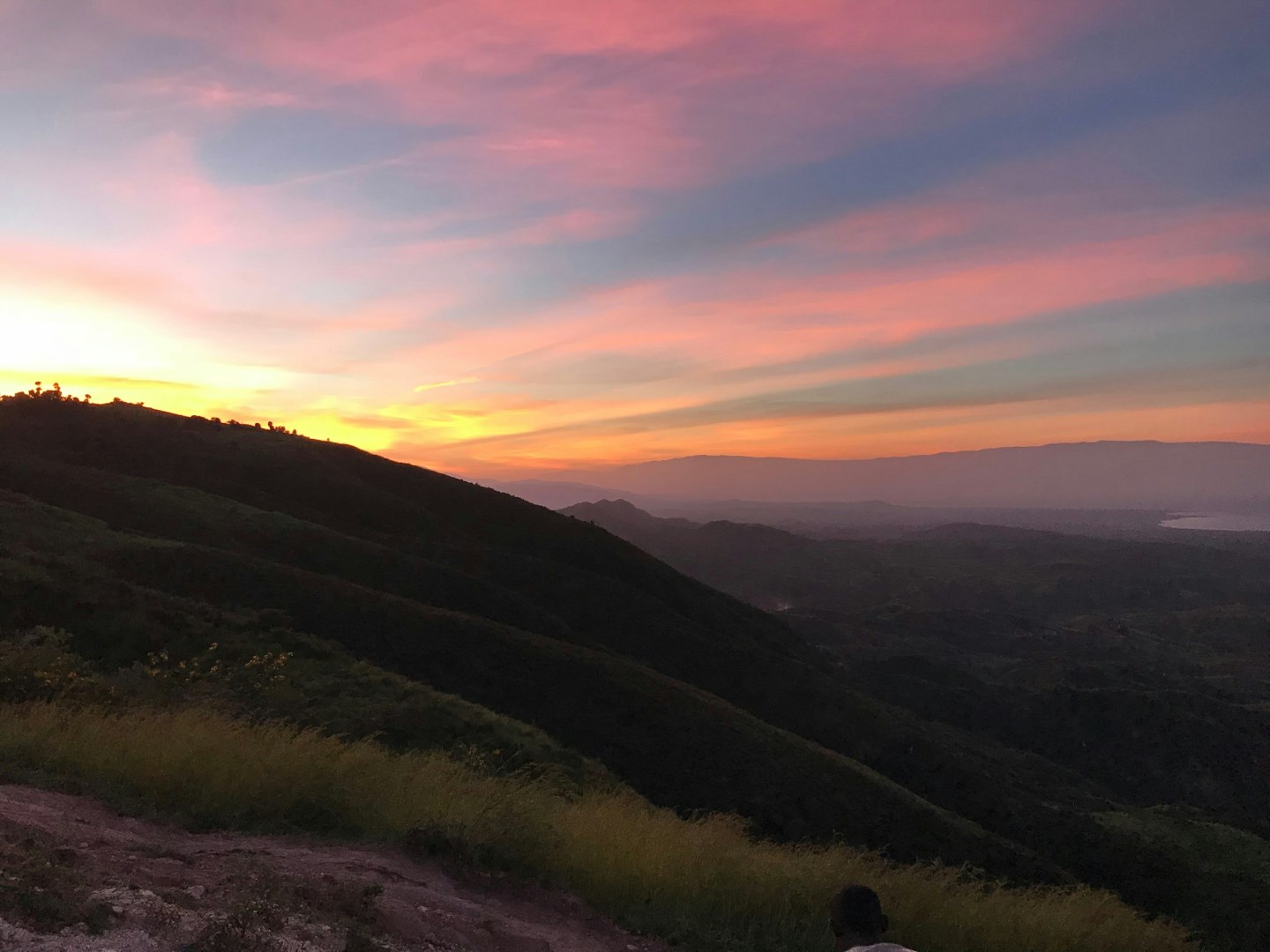
Port-au-Prince
Port-au-Prince in Southwest Haiti is the capital. The country's largest city, commercial center, and chief seaport, it is laid out like an amphitheater around a bay. Founded in 1749 by French sugar planters, it became the colonial capital in 1770, replacing Cap-Haïtien.

Hella
Hella is a small town in southern Iceland on the south bank of the Ytri-Rangá River, positioned along the main road between Selfoss and Hvolsvöllur. Its location on the fertile Rangárvellir plain gives the town a strong agricultural character, with farms and open fields extending toward the surrounding mountains. Hella is also a practical base for exploring southern Iceland, with the Þjórsárdalur valley,
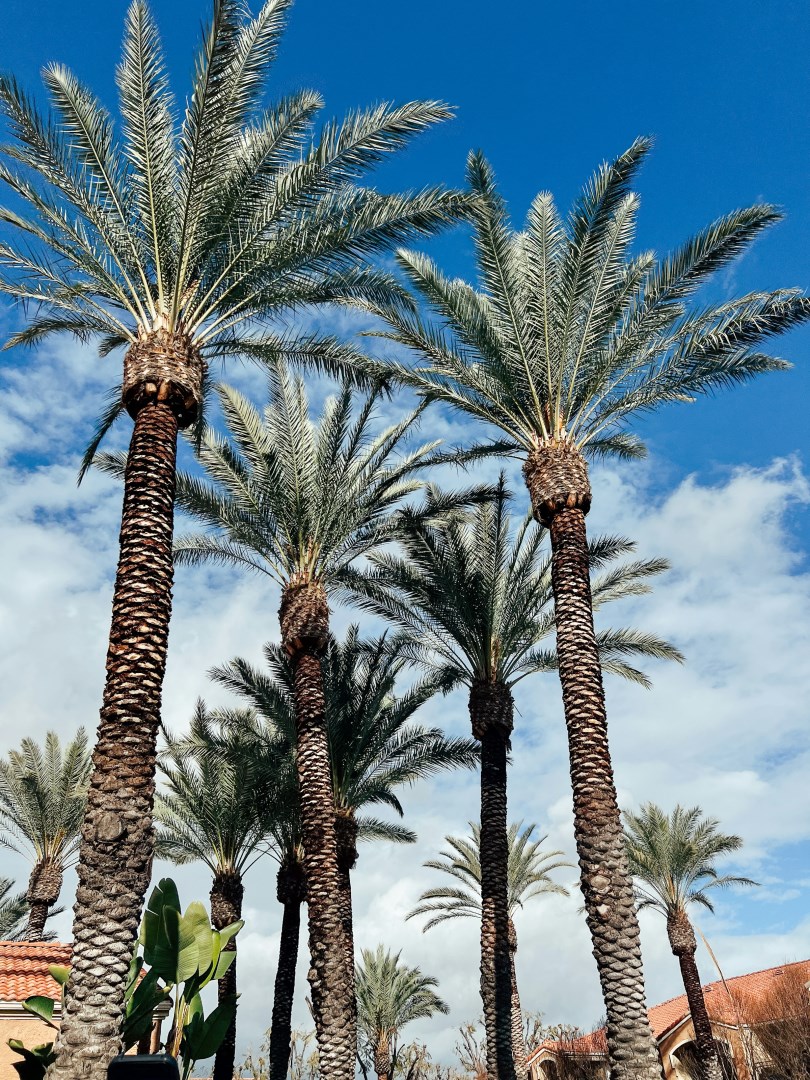
Ontario
Ontario is a city in Southern California’s Inland Empire, located in San Bernardino County at the foot of the San Gabriel Mountains. The city occupies a landscape that has been shaped by agriculture, residential development, and transportation infrastructure, with the mountains providing a prominent backdrop to the north.
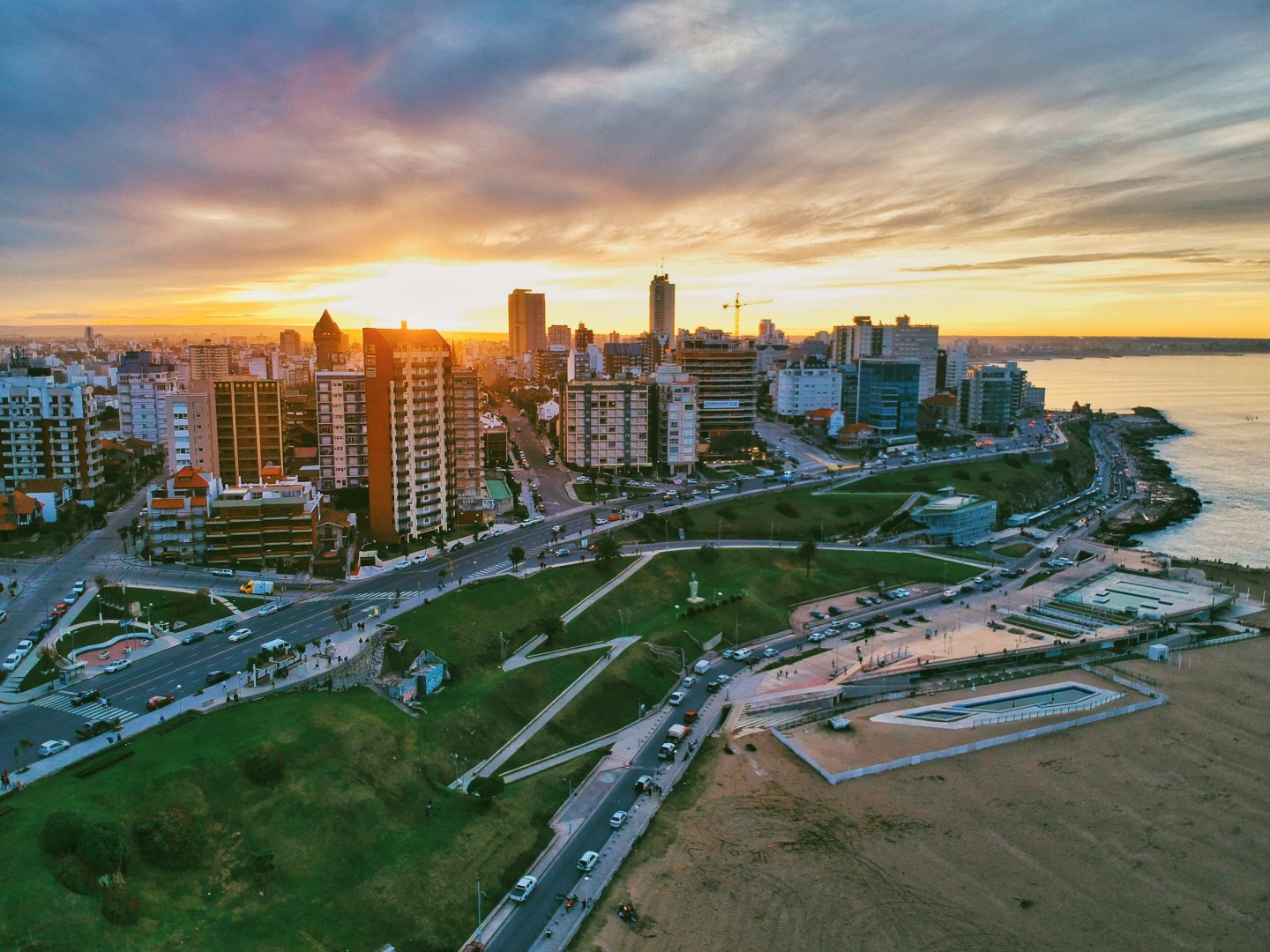
Mar Del Plata
If summer means the beach to the inhabitants of Greater Buenos Aires, Mar del Plata is most often the beach they are thinking of. Situated on the northern Atlantic coast, 400km from the capital, beaches in this area sprawl for eight km, with sophisticated mansions (reflecting the area's upper-class origins) mingling with the new middle-class resorts. Sea lions keep an eye on the fishing activities around the wharves, and a replica of the grotto of Lourdes is a kitsch paradise.
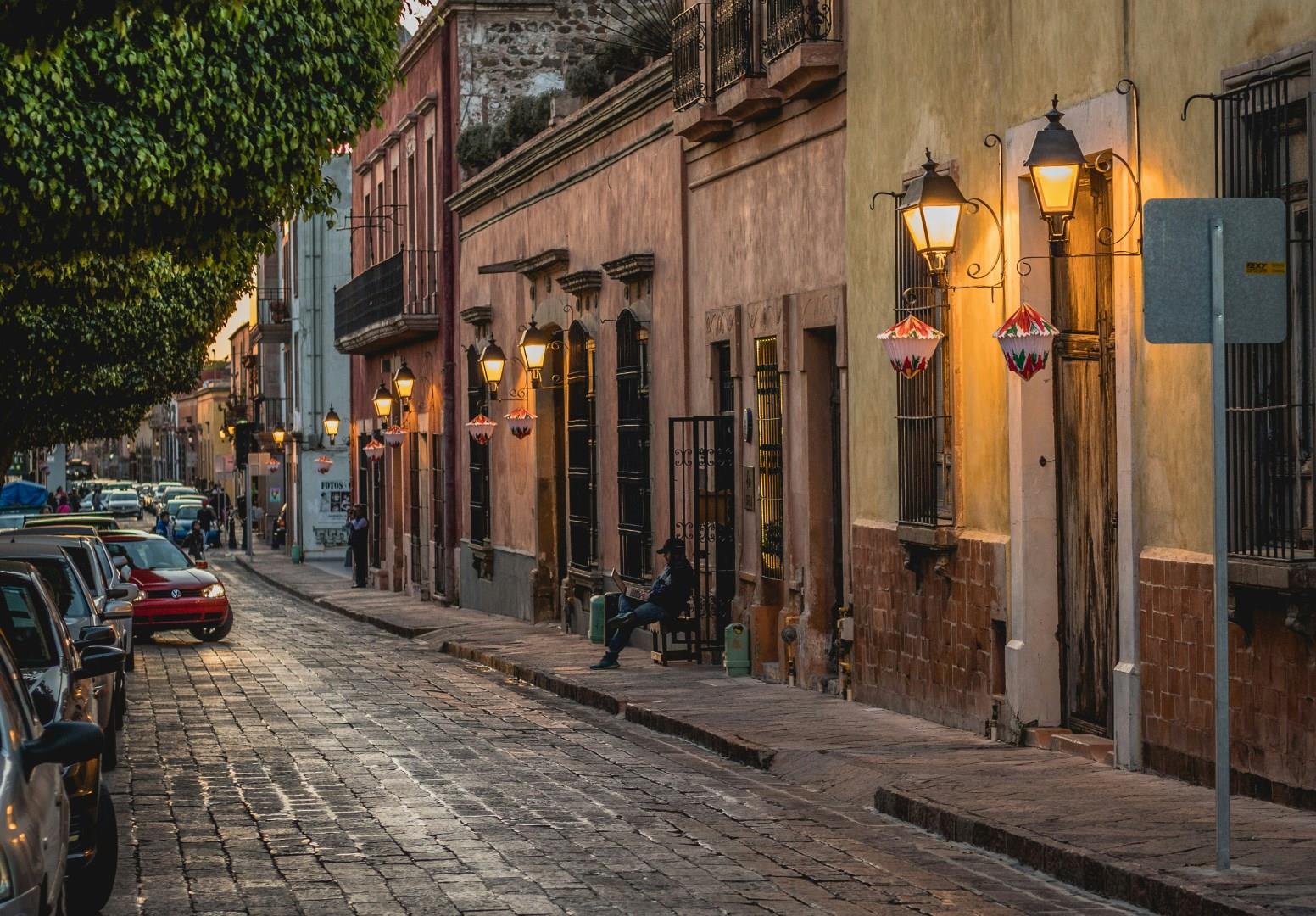
Querétaro
Querétaro, located in the heart of central Mexico, is a city where centuries of history are still visible in daily life. Its historic center, a UNESCO World Heritage Site, features narrow streets, elegant plazas, and baroque churches that reflect its colonial past. One of the city’s most iconic landmarks is the massive aqueduct, built in the 18th century with 74 stone arches stretching nearly a mile across the landscape.
