

Jost van Dyke
One of the four islands that make up the British Virgin Islands, Jost van Dyke is a Caribbean paradise known for its white sand beaches, turquoise sea pools, and marinas filled with yachts.
Elmina
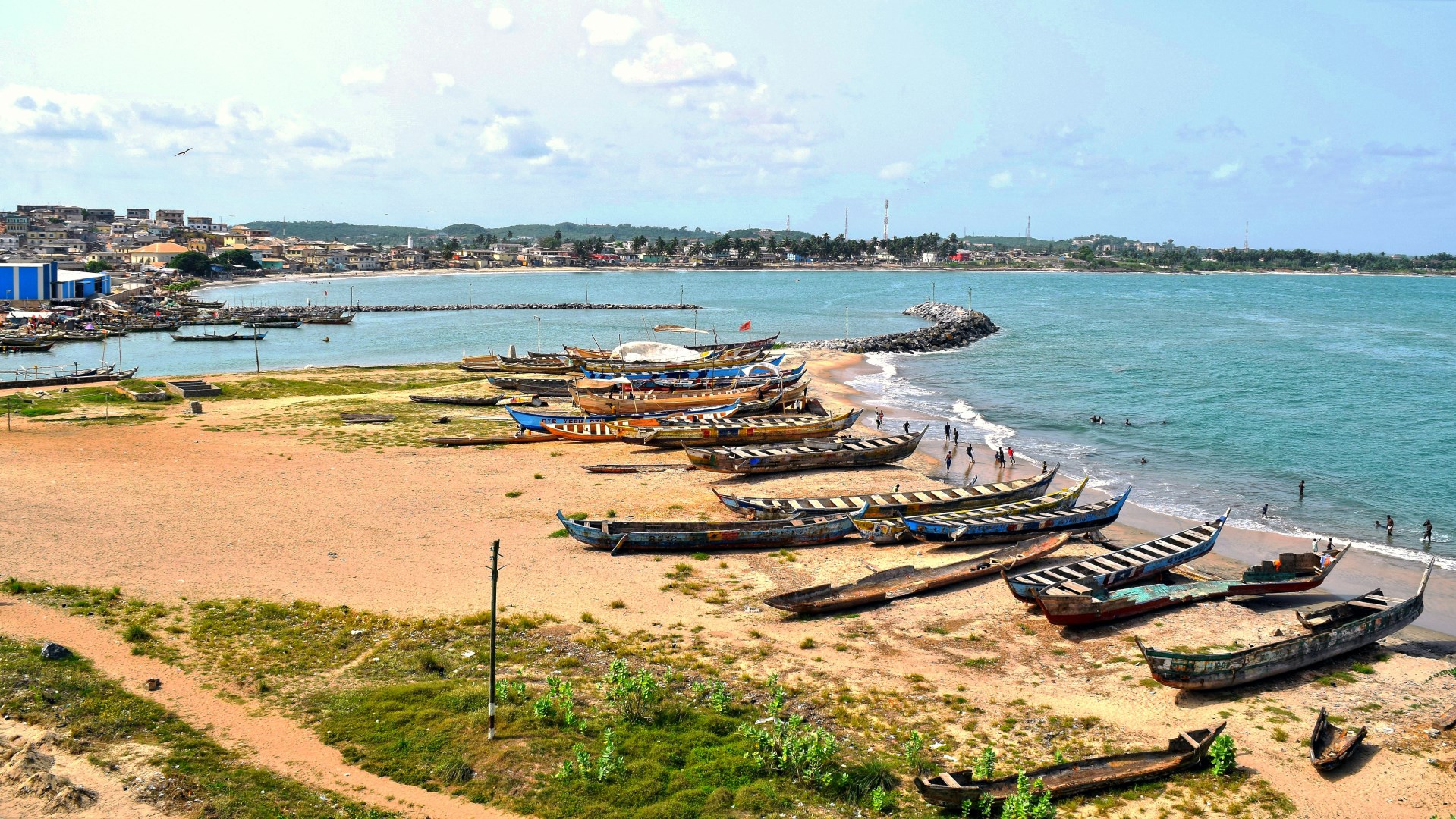
Elmina is a coastal town in southern Ghana, located along the Gulf of Guinea in the Central Region. The town is closely tied to the Atlantic fishing industry, with large numbers of brightly painted wooden canoes lining the shoreline each morning.
Koloa, Kauai
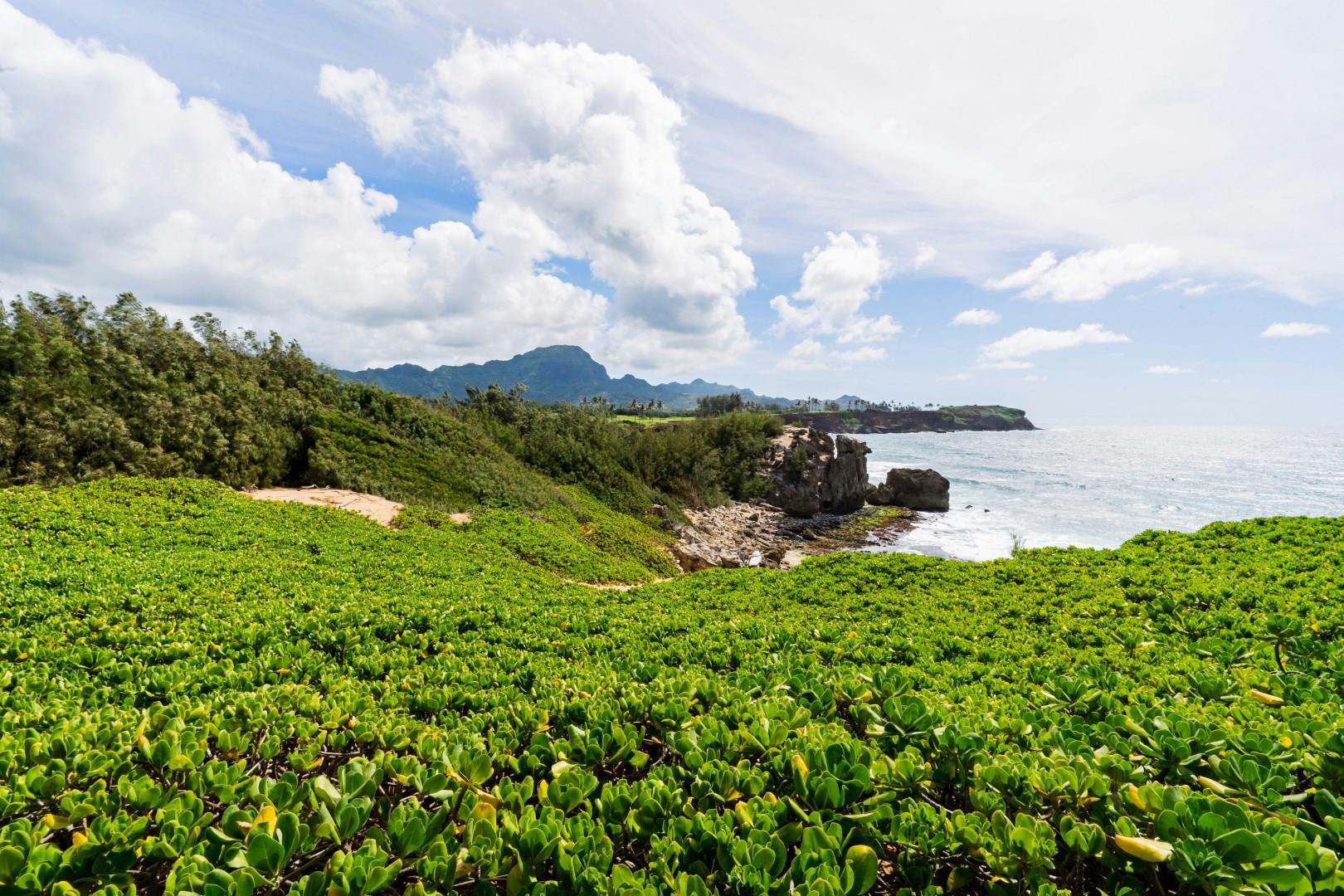
Koloa sits on Kauai’s south shore and holds a special place in Hawaiian history as the site of the islands’ first successful sugar plantation.
Multnomah Falls
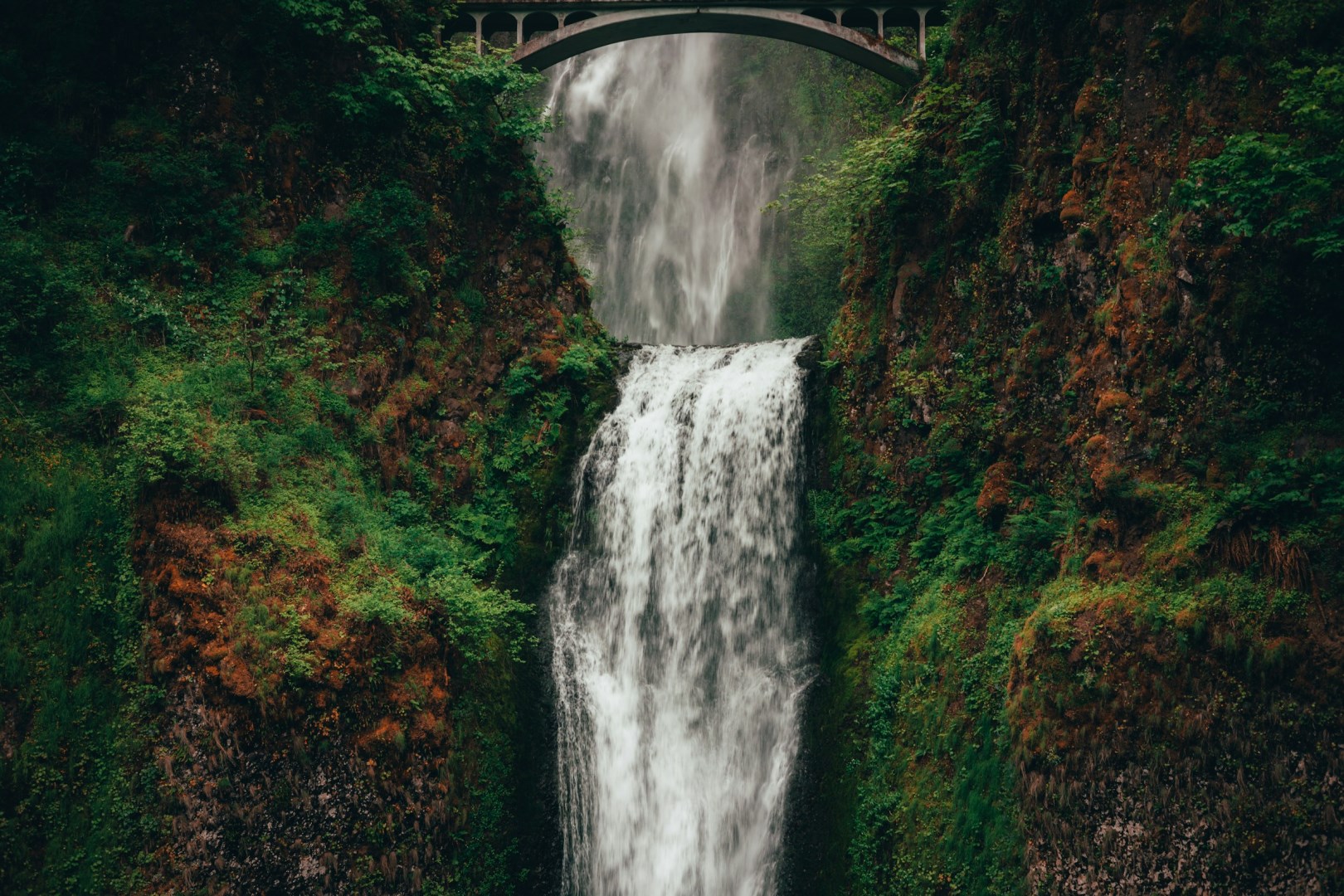
Multnomah Falls, Oregon, stands as one of the most iconic natural wonders of the Pacific Northwest. This stunning 620-foot-tall waterfall, located in the Columbia River Gorge, captivates visitors with its dual cascades that tumble gracefully down rugged cliffs. The falls are easily accessible via a short walk from the parking area, making it a perfect stop for nature enthusiasts and casual hikers alike. For those seeking a bit more adventure, the Multnomah Falls Trail offers a picturesque hike t
Arolla
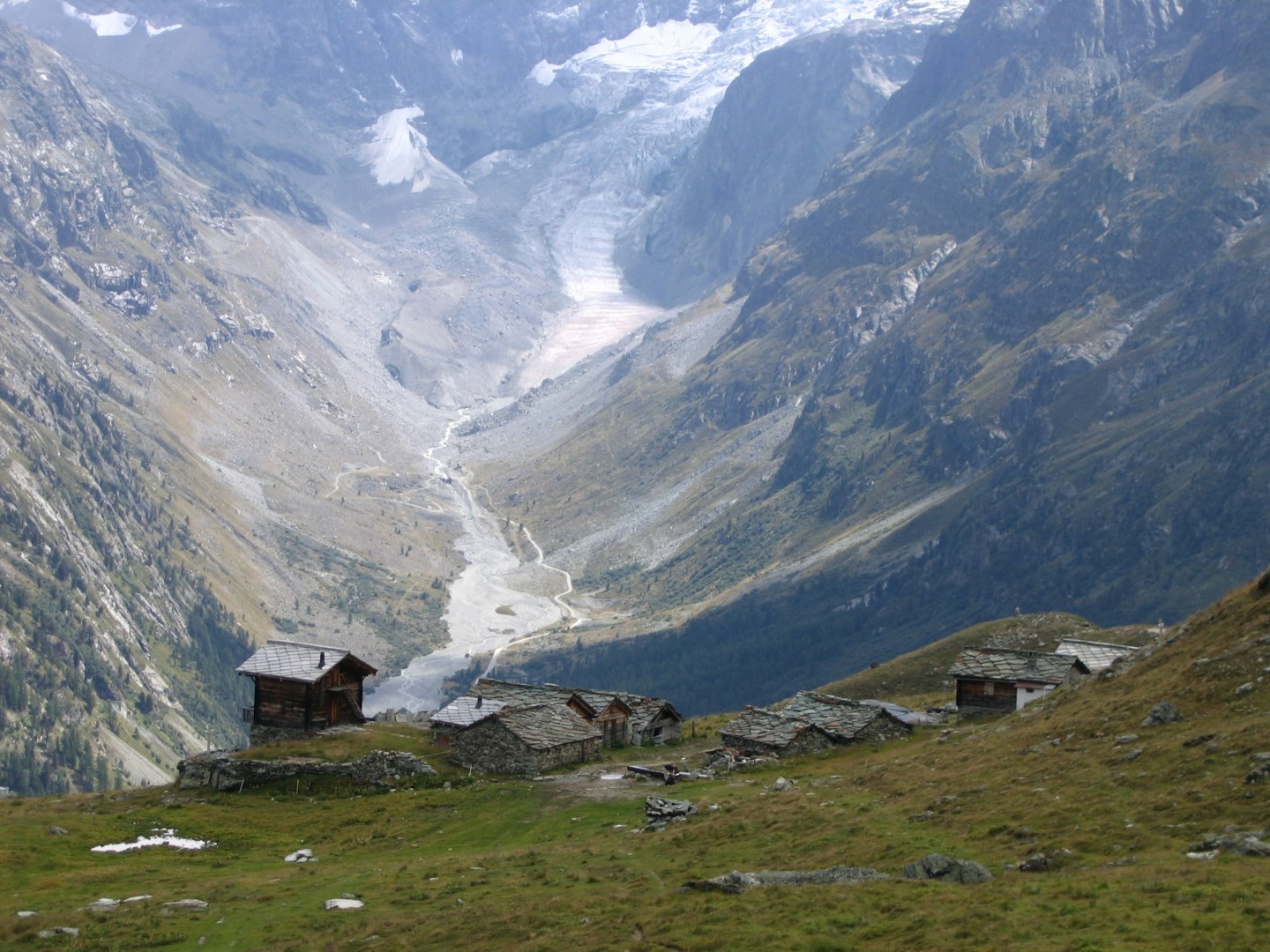
Situated at the foot of Mont Collon, the small village of Arolla is a popular starting point for summer mountain hikes as well as a common stop on the Chamonix-Zermatt Haute Route expeditions. In the winter, it's a small ski resort with five lifts and guaranteed snow thanks to the elevation.
