

Victoria
British influences are quite evident in Victoria, from afternoon tea times to elegant Victorian architecture. This capital of British Columbia on Vancouver Island provides ample outdoor recreation, with its public parks and access to both the ocean and wilderness. Cyclists will be right at home here, as Victoria boasts a seemingly endless number of bike paths for exploring.
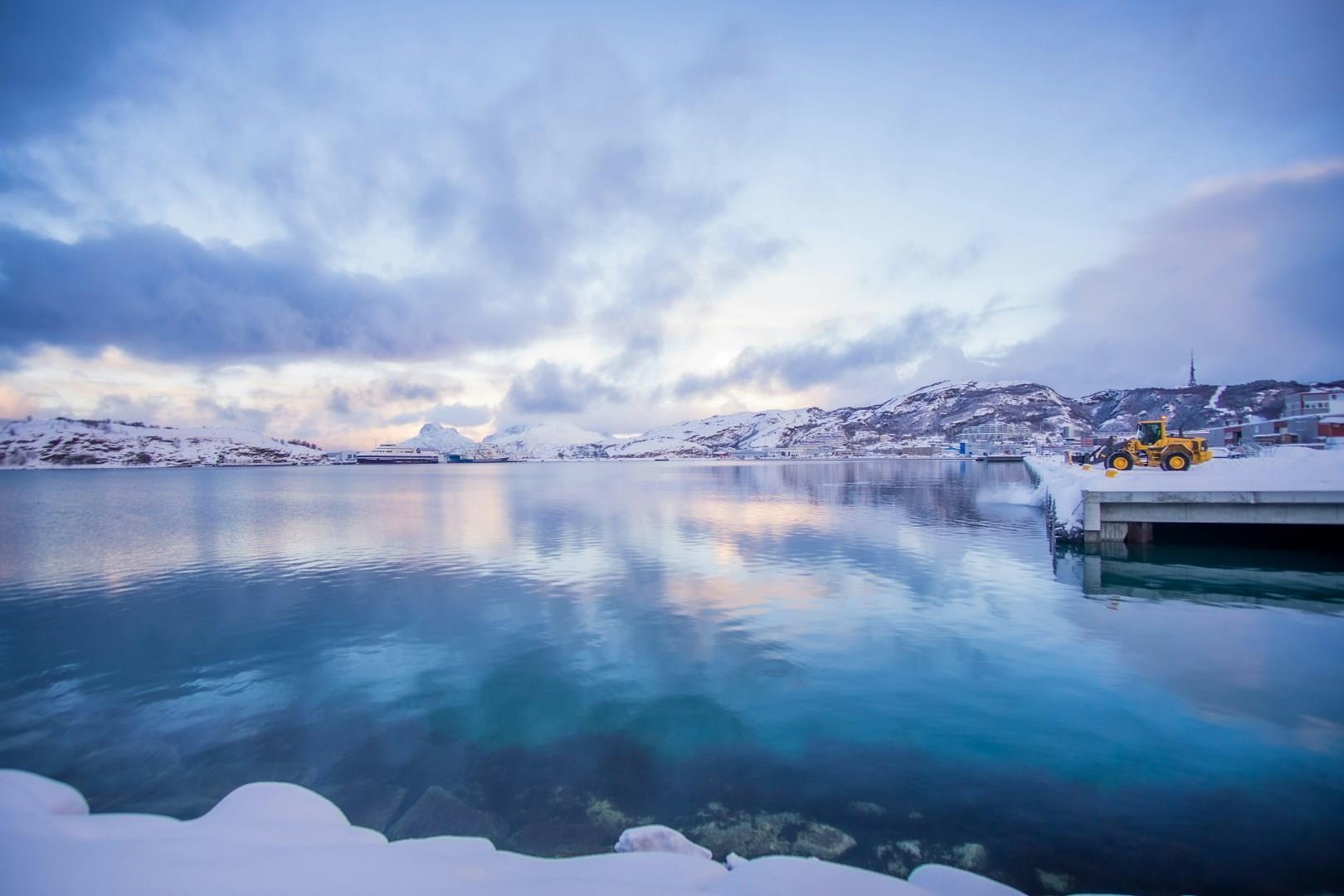
Bodo
Bodø, located just north of the Arctic Circle, is a coastal city where dramatic landscapes meet a surprising blend of modern culture and outdoor access. As the largest town in the Nordland region of Norway, Bodø has become a key stop along the Norwegian Scenic Route and a gateway to the Lofoten Islands. Located just a short drive away, the Saltstraumen maelstrom, which is one of the world’s strongest tidal currents, visitors can watch whirlpools form in the sea with astonishing power.

Regensburg
Regensburg, Germany’s medieval gem, will transport you to a bygone era. The site of both Celtic and Roman settlements, Regensburg flourished in the Middle Ages.

Rhine River
Whether cruising along its waters, exploring historic towns, or simply soaking in the scenic views, the Rhine River offers an experience that is as diverse as the countries it passes through.

Nova Scotia
Nova Scotia covers an area of 21,425 sq. miles, and Halifax is the capital. This is an area rich in history — Gaelic is still spoken here in some areas by descendants of the early settlers. The coast is peppered with fishing villages, and inland the climate boasts sprawling valleys and rocky headlands.
