
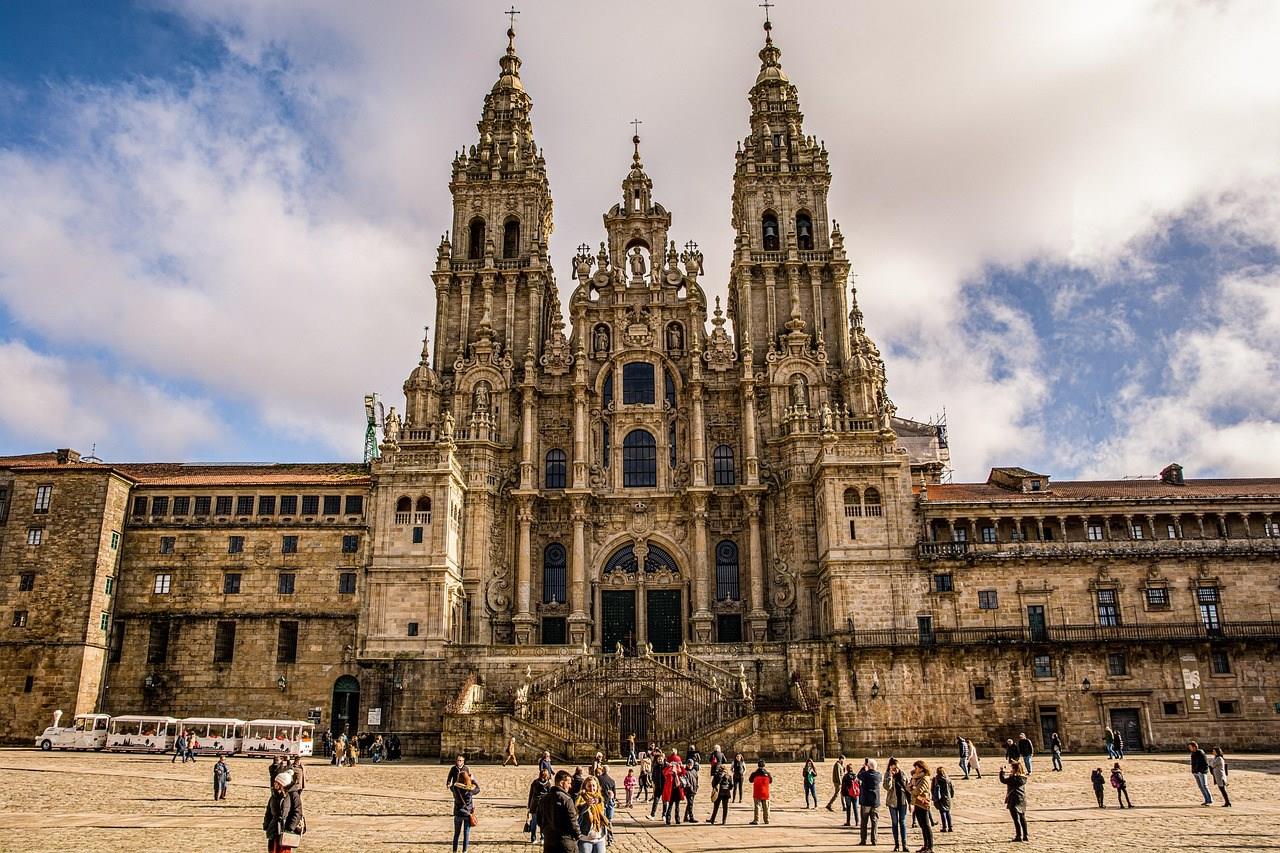
Santiago De Compostela
Spain’s Santiago de Compostela is more than just a final stop on a famous pilgrimage route, it’s a city steeped in centuries of spiritual significance, architectural grandeur, and lively Galician culture.

Tirana
Tirana, the lively capital of Albania, is a city that blends historical charm with modern vibrancy. At the heart of its transformation is Skanderbeg Square, a bustling hub named after the national hero Gjergj Kastrioti Skanderbeg.

Kotor
This coastal town in Montenegro is part of the World Heritage Site dubbed the Natural and Culturo-Historical Region of Kotor. It holds several summer events, such as the Summer Carnival or Bokeljska Noc. One of the most notable and charming aspects of the town is the large population of cats that have become a symbol of the city.

Osaka
Osaka is a city that thrives on contrasts with centuries-old castles sit just blocks from neon-lit arcades and high-speed trains. Once known as “Japan’s kitchen” during the Edo period, Osaka played a key role in rice trading and food distribution across the country. Today, visitors can walk the grounds of Osaka Castle, originally built in the 16th century by Toyotomi Hideyoshi, and take in panoramic city views from the top floor of its museum.
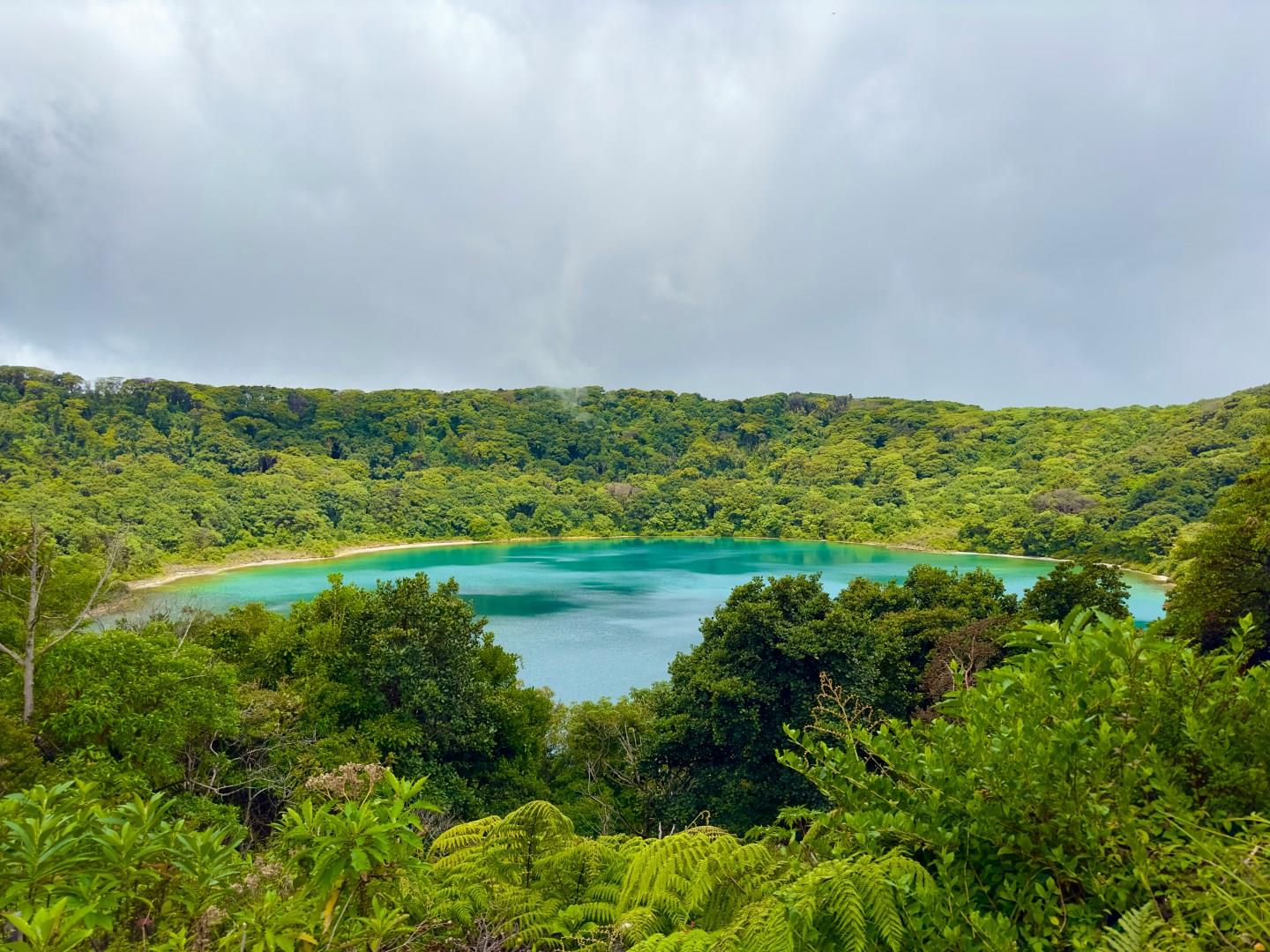
Alajuela
Alajuela, Costa Rica’s second-largest city, offers a mix of history, culture, and natural wonders that make it more than just the gateway to Juan Santamaría International Airport. The city’s central park, cathedral, and museums create a lively hub where local life unfolds, from weekend markets filled with fresh produce to festivals celebrating music and tradition.
