Agafay
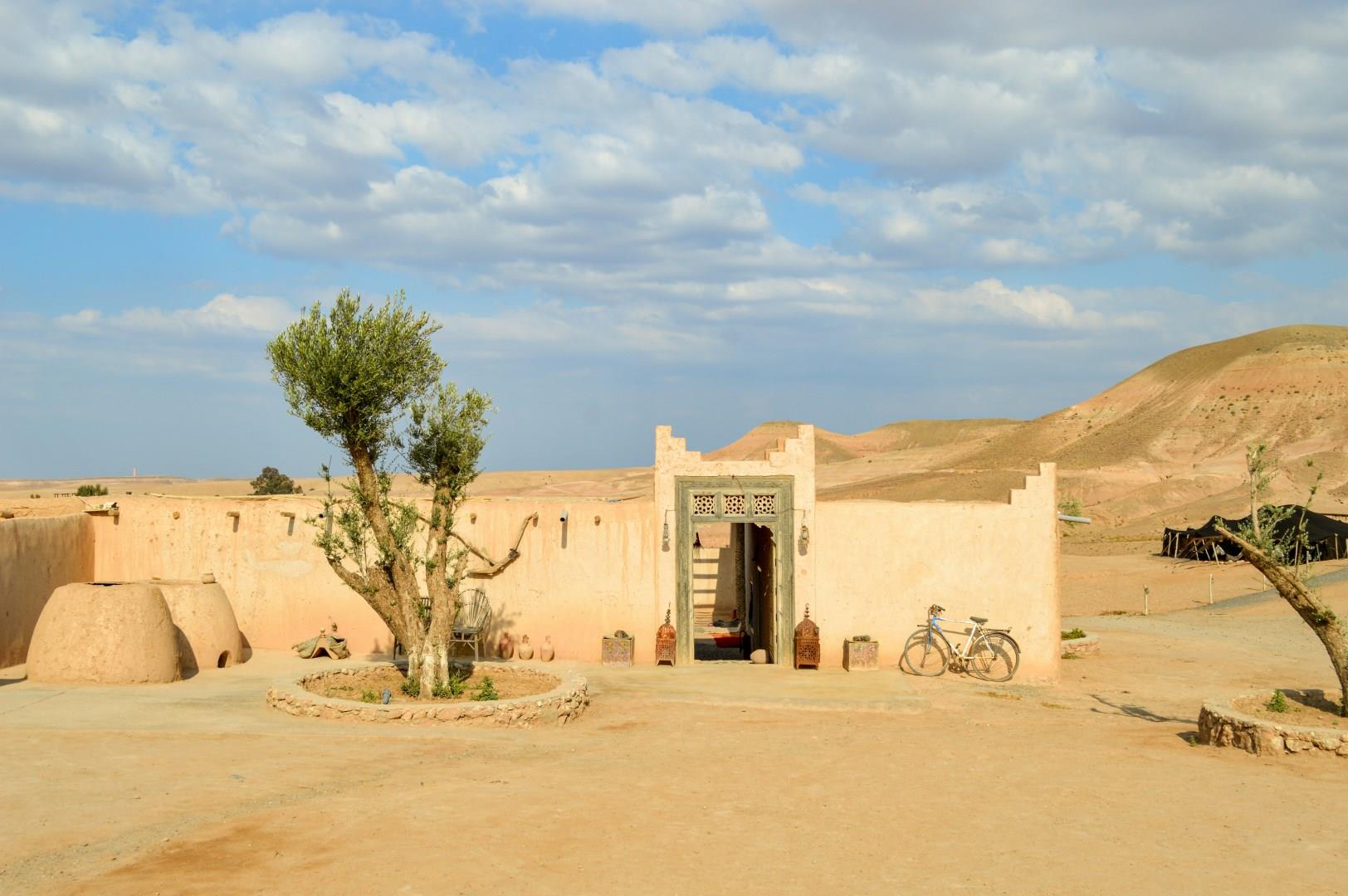
Agafay, often called Morocco’s "stone desert," is located just 40 kilometers southwest of Marrakech, but the landscape feels like a different world. Unlike the golden dunes of the Sahara, Agafay stretches out in rolling hills of sand-colored rock and hard-packed earth. It offers the vastness of a desert experience without requiring a long journey from the city.
Bourail
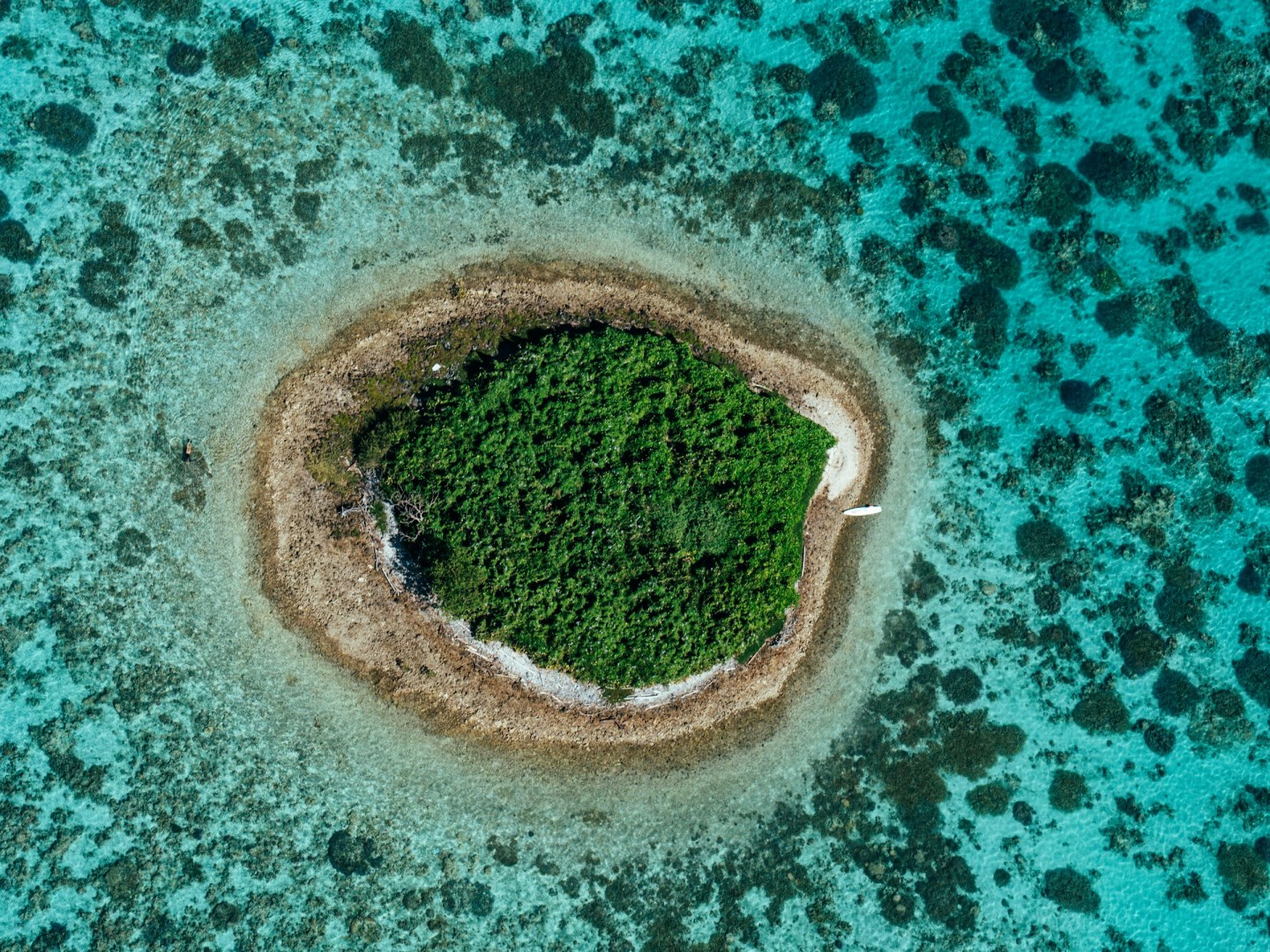
Bourail is a rural commune on the west coast of Grande Terre, New Caledonia, known for its open landscapes, cattle farms, beaches, and distinctive coastal rock formations. The area extends from the foothills of the central mountain range toward the Pacific Ocean and includes several villages and farming communities
Krong Battambang
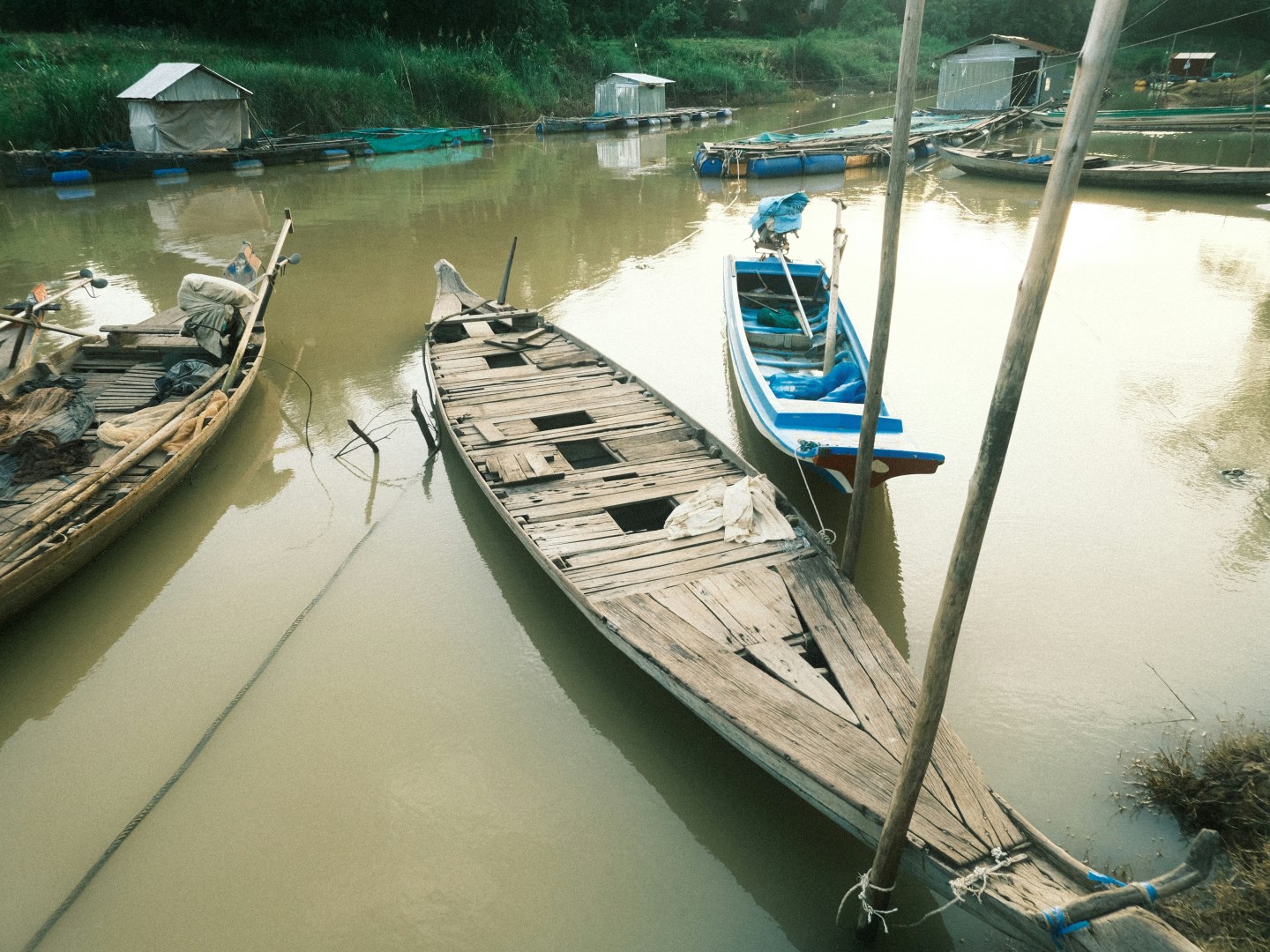
Krong Battambang is a riverside city in northwestern Cambodia, known for its preserved colonial-era architecture, rice-growing countryside, and long connection to Cambodian arts and education.
Adare
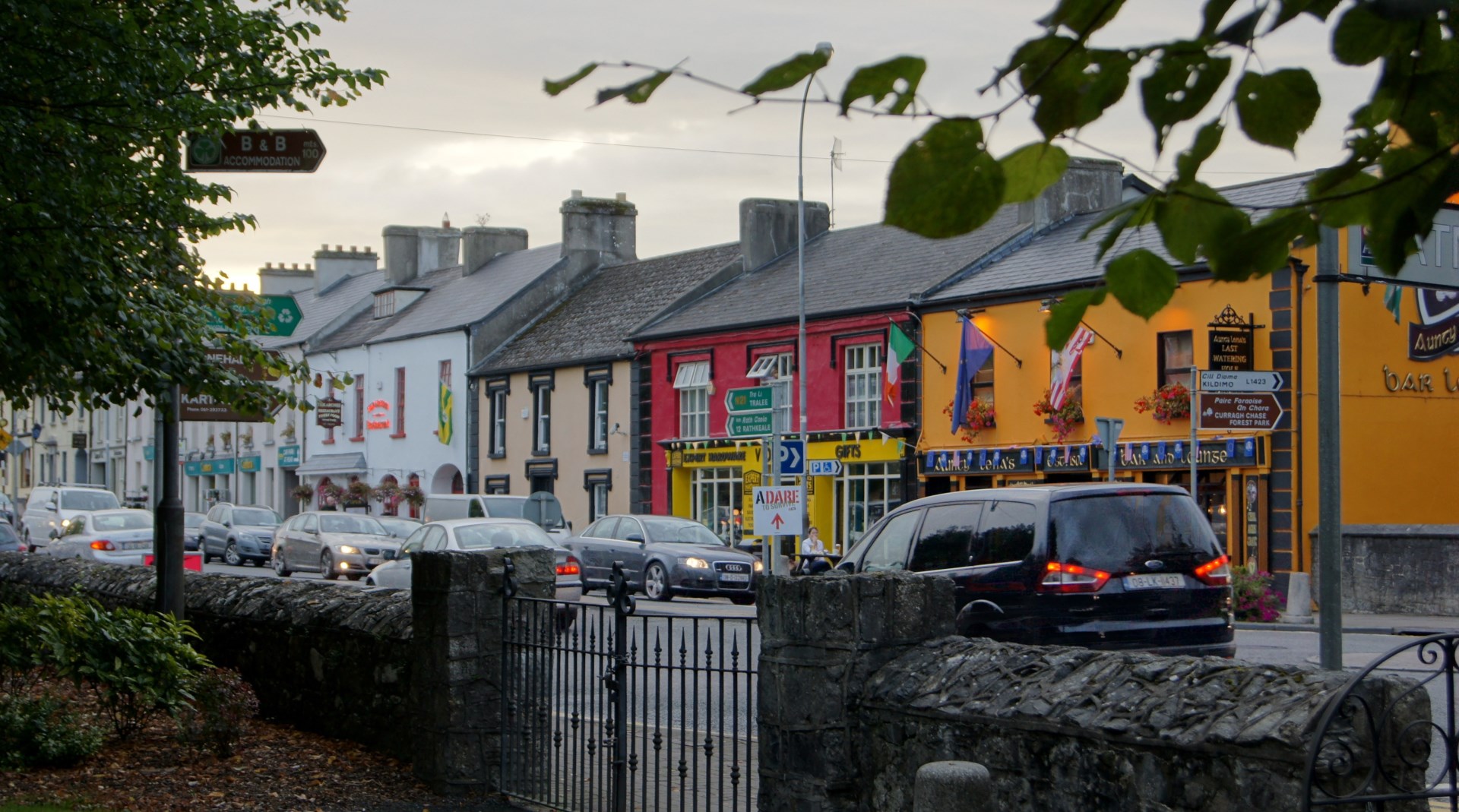
Adare is a village in County Limerick, Ireland, known for its well-preserved streets and traditional thatched cottages. It lies along the River Maigue, with a compact layout that makes it easy to explore on foot.
Albion
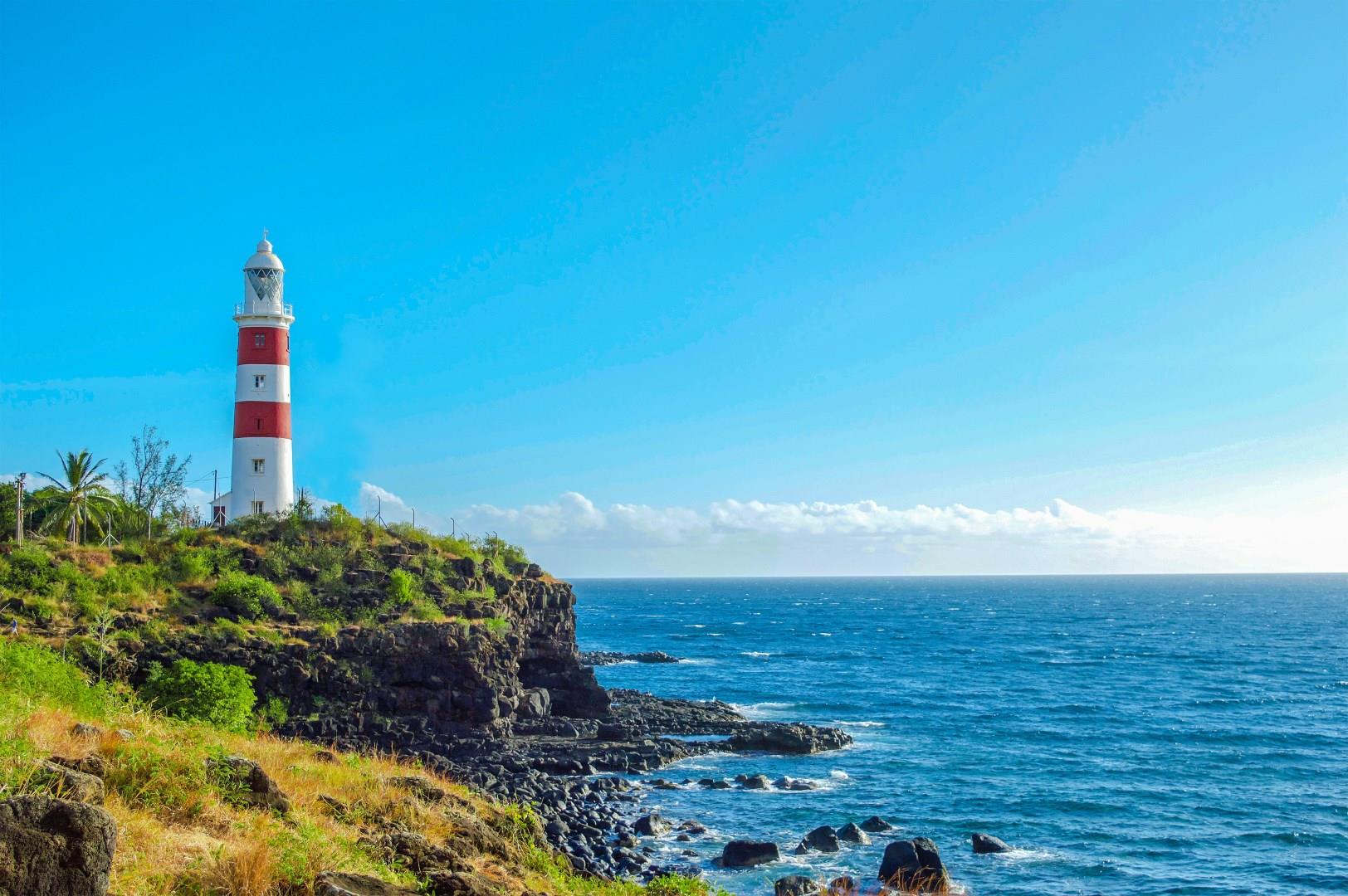
Albion, a small coastal town on the west coast of Mauritius, is known for its peaceful atmosphere and scenic setting by the Indian Ocean. Unlike some of the island’s more crowded resort areas, Albion offers a quieter escape while still showcasing the natural beauty that makes Mauritius a favorite destination.