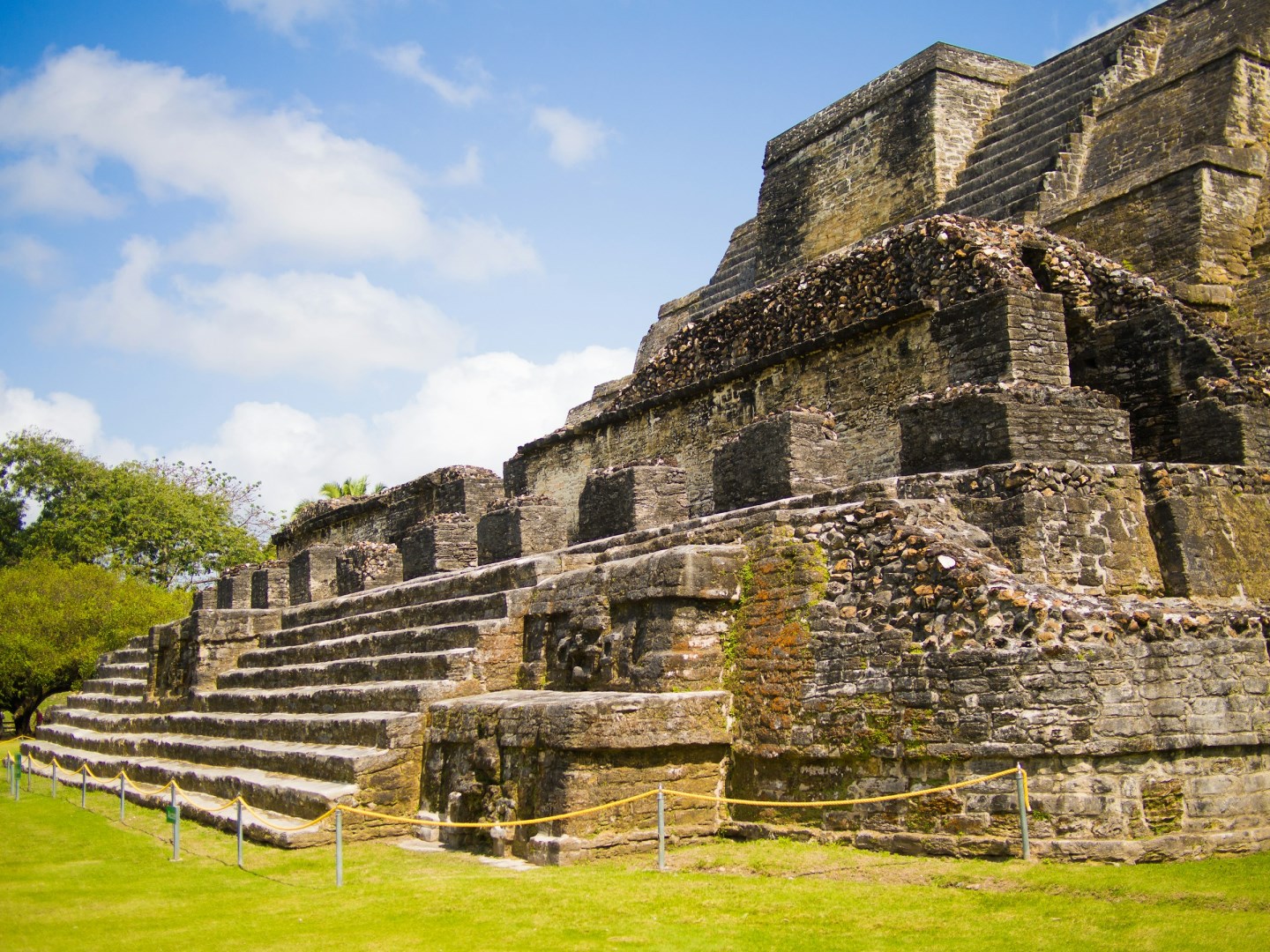
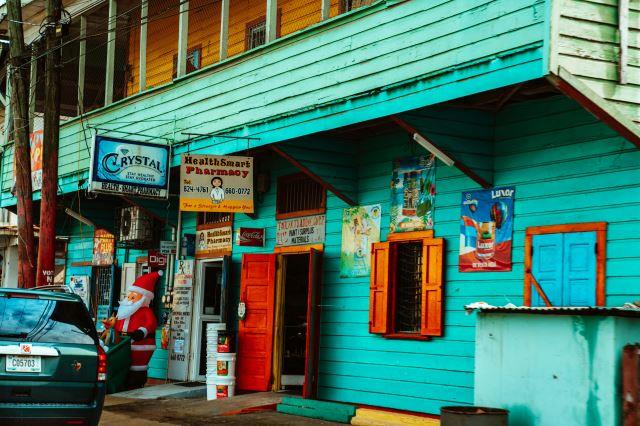
USA
Spanning from the Atlantic to the Pacific, its geography encompasses everything from mountain ranges and fertile plains to vibrant cities and quiet coastal towns. Each region tells its own story.
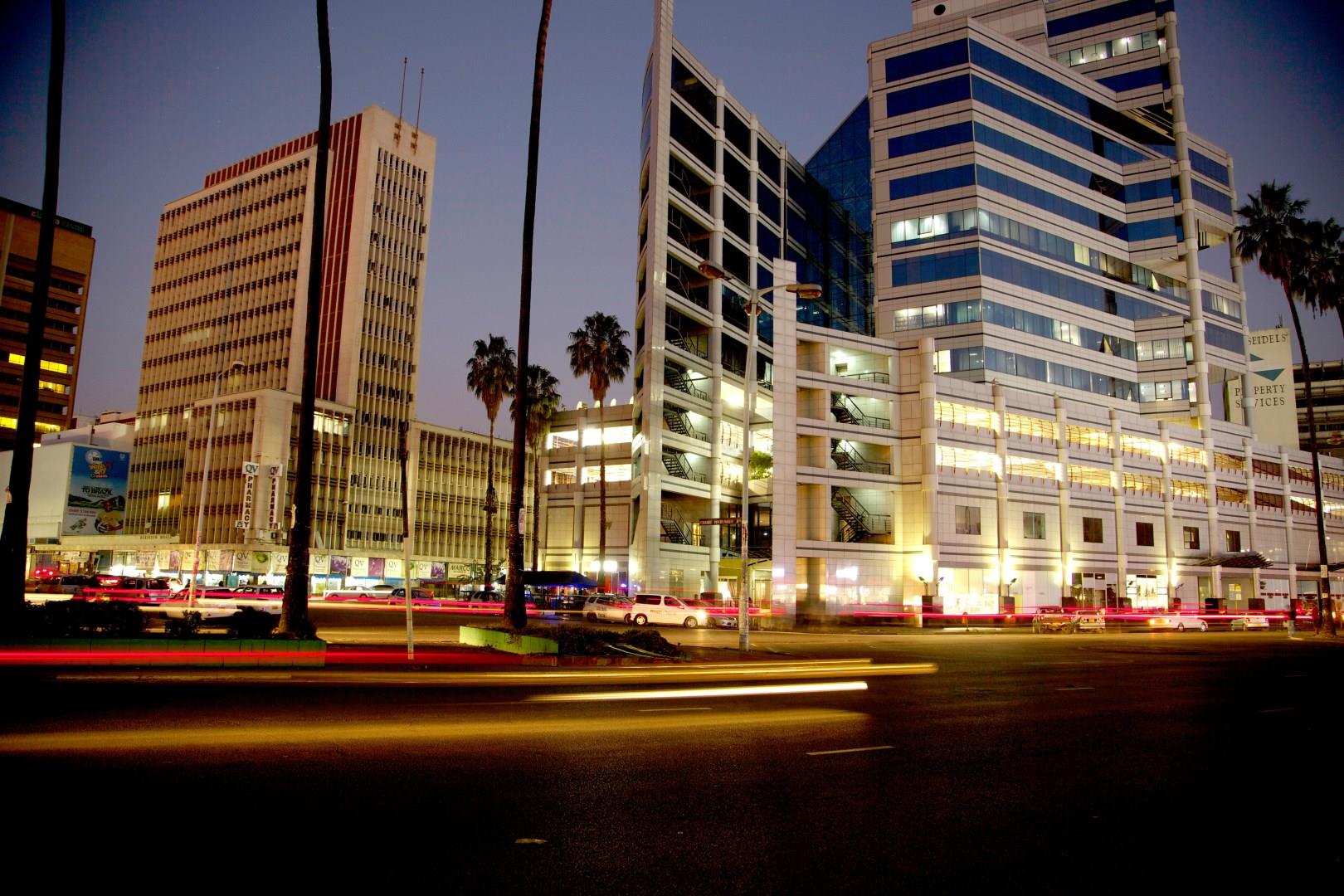
Harare
Harare, the vibrant capital of Zimbabwe, is a city that blends modern life with cultural depth. Set on a high plateau, it enjoys a pleasant climate year-round, with tree-lined avenues and blooming jacarandas that give it a distinctive character.
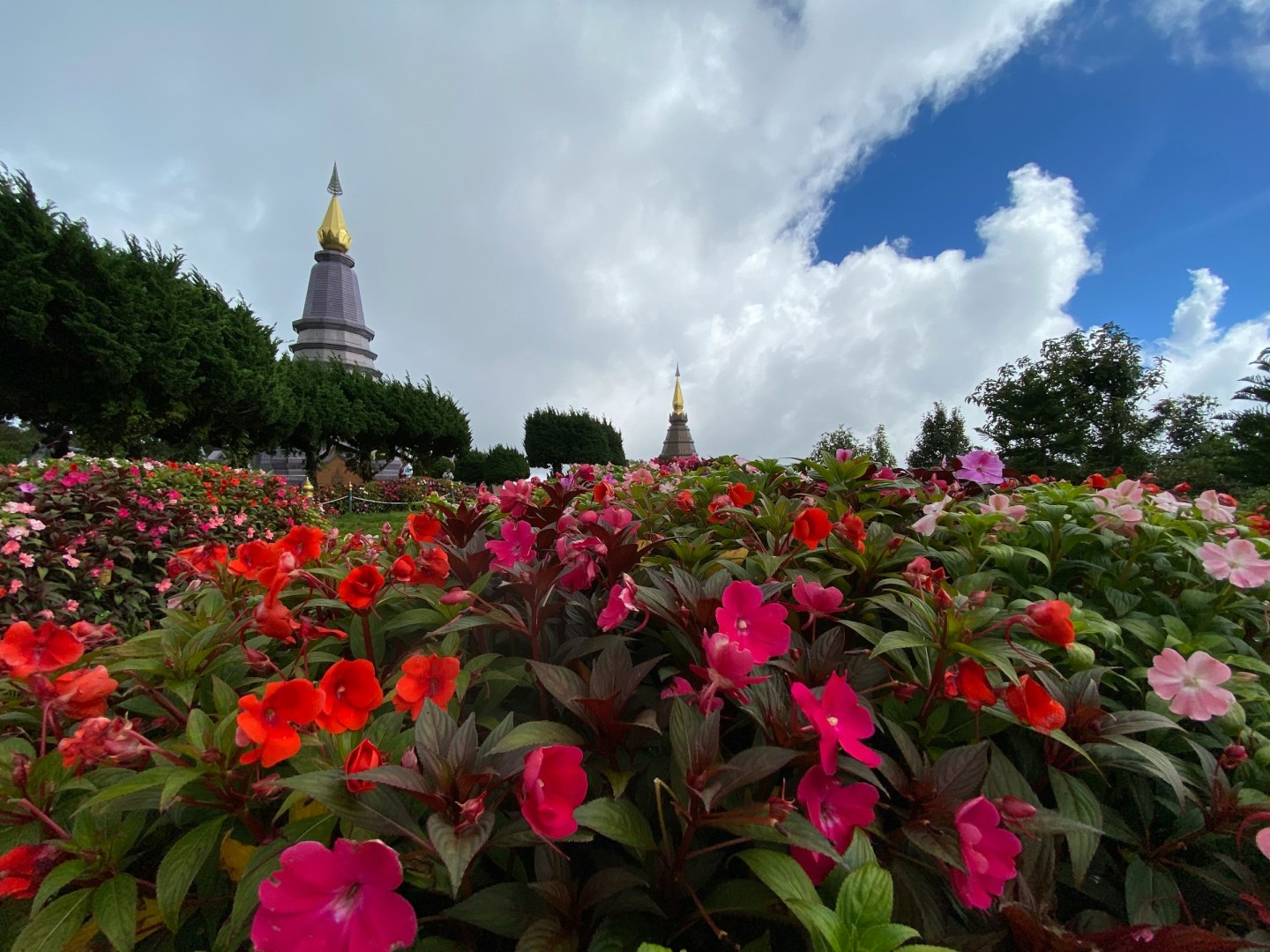
Doi Inthanon National Park
"The Roof of Thailand," Doi Inthanon National Park in Chiang Mai is where visitors will see Doi Inthanon, the country's highest mountain. Cold and humidity are factors due to high altitude, but the rich flora and fauna attract hearty tourists and birders alike. Stunning!
Coeur d'Alene
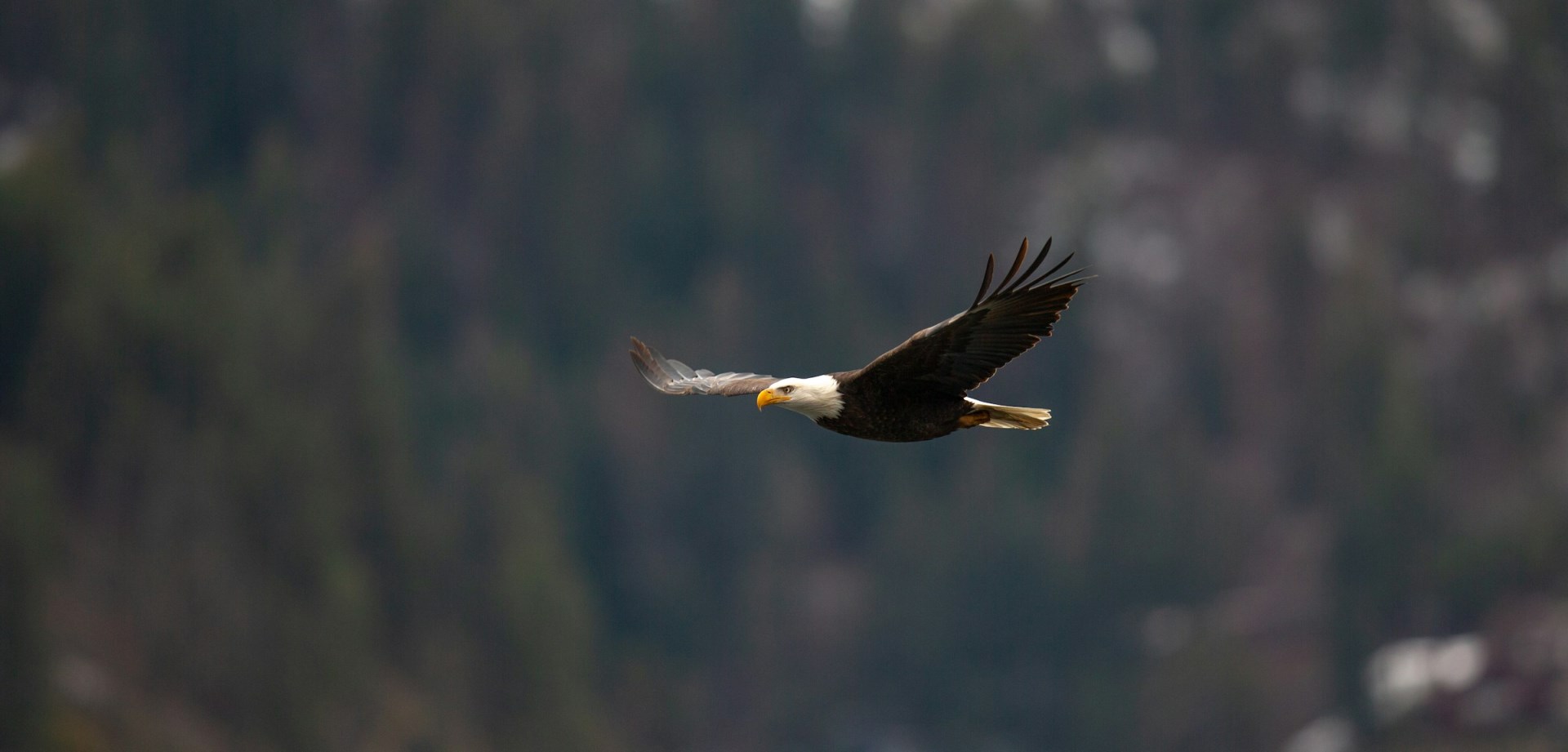
Coeur d'Alene is a lakefront resort community in one of the prettiest settings in the West. Located in northern Idaho, the region is defined by blue skies, sparkling water and pine-forested mountains
Bandhavgarh National Park
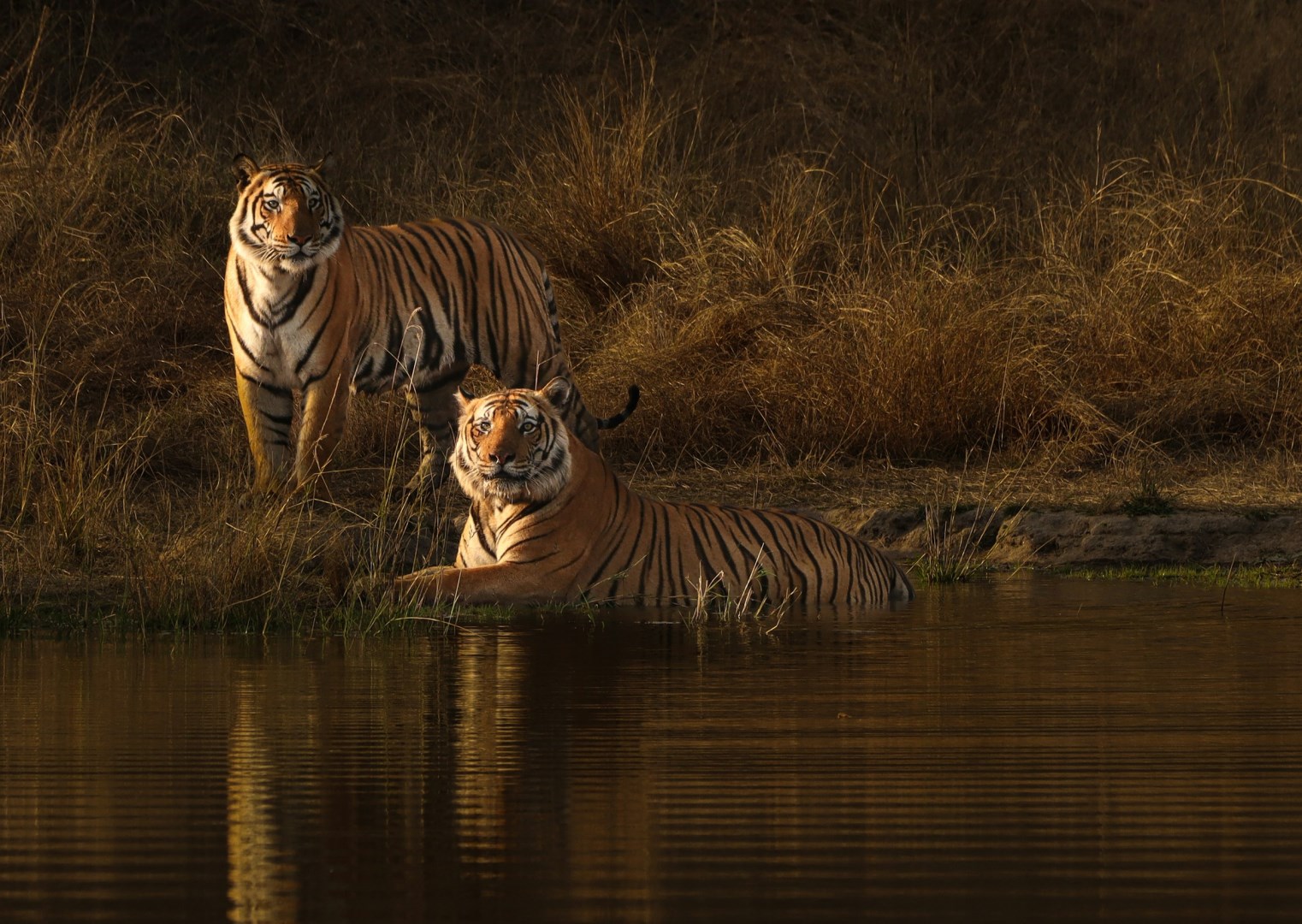
Bandhavgarh National Park is a protected wildlife area in Madhya Pradesh, set among the hills and valleys of the eastern Satpura range. It is part of the larger Bandhavgarh Tiger Reserve and is best known for its population of Bengal tigers. The landscape includes sal forests, mixed woodland, grasslands, meadows, marshes, and rocky hills, creating varied habitats for wildlife. The reserve also contains streams and seasonal water sources that support animals through the dry months. Its combinatio