St. Francisville
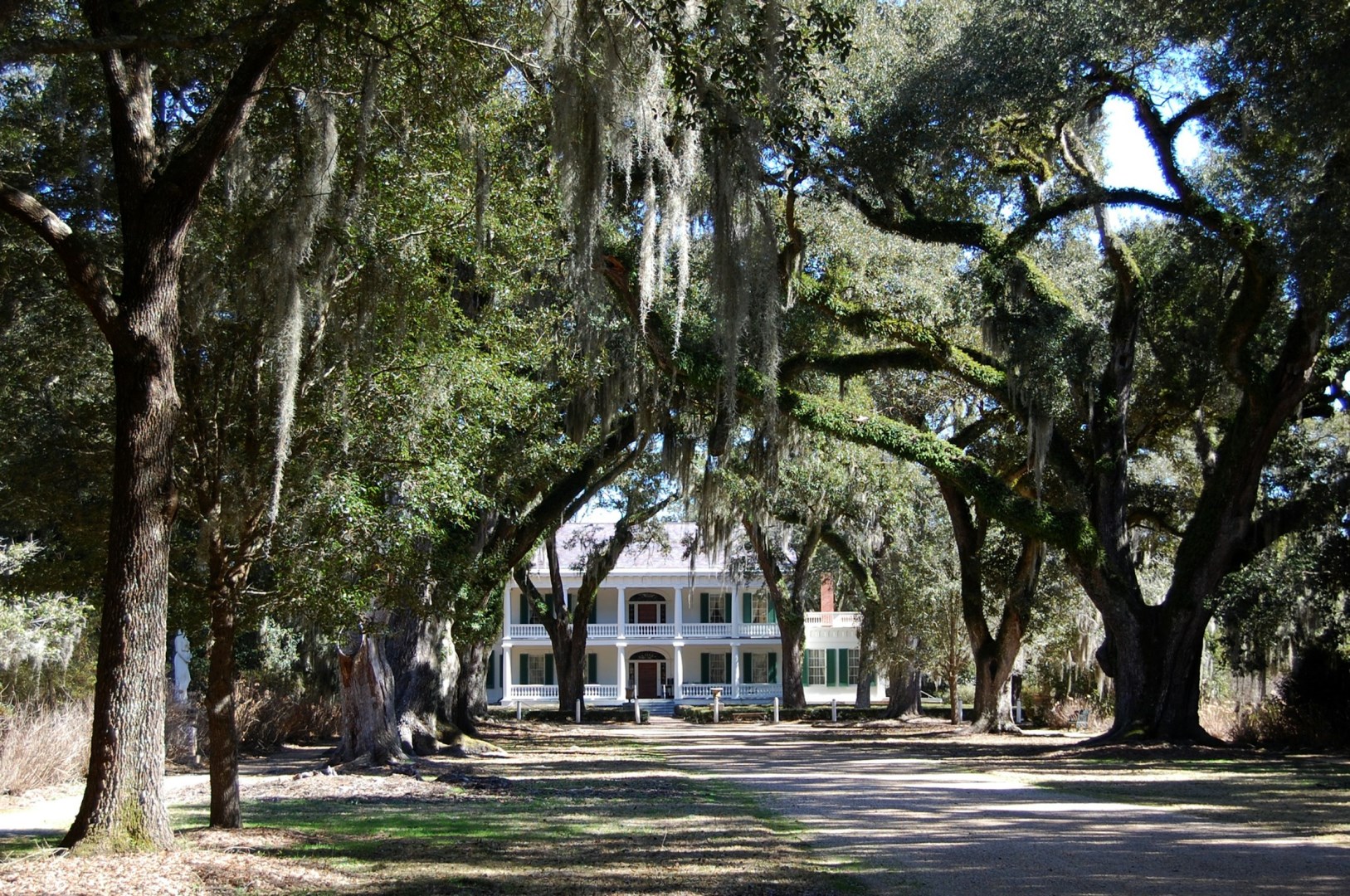
St. Francisville, located along the Mississippi River in Louisiana, is a small town celebrated for its rich history, antebellum architecture, and scenic surroundings. Known as the “City of Oaks” for its tree-lined streets, the town offers a glimpse into Louisiana’s past through its well-preserved plantation homes, historic districts, and charming downtown area.

Dominica
Dominica, known as the “Nature Island of the Caribbean,” is a haven for eco-tourists and adventure seekers. Nestled between the French islands of Guadeloupe and Martinique, this lush island boasts a remarkable landscape of volcanic mountains, dense rainforests, and stunning waterfalls. Dominica’s most iconic natural wonder is the Boiling Lake, the second-largest hot spring in the world.

Rhine Valley
The Rhine Valley offers a unique blend of historic landmarks, cultural traditions, and natural splendor. Whether exploring ancient castles, savoring local wines, or simply cruising along the river, visitors will find endless opportunities to create lasting memories in this enchanting region.
Long Island
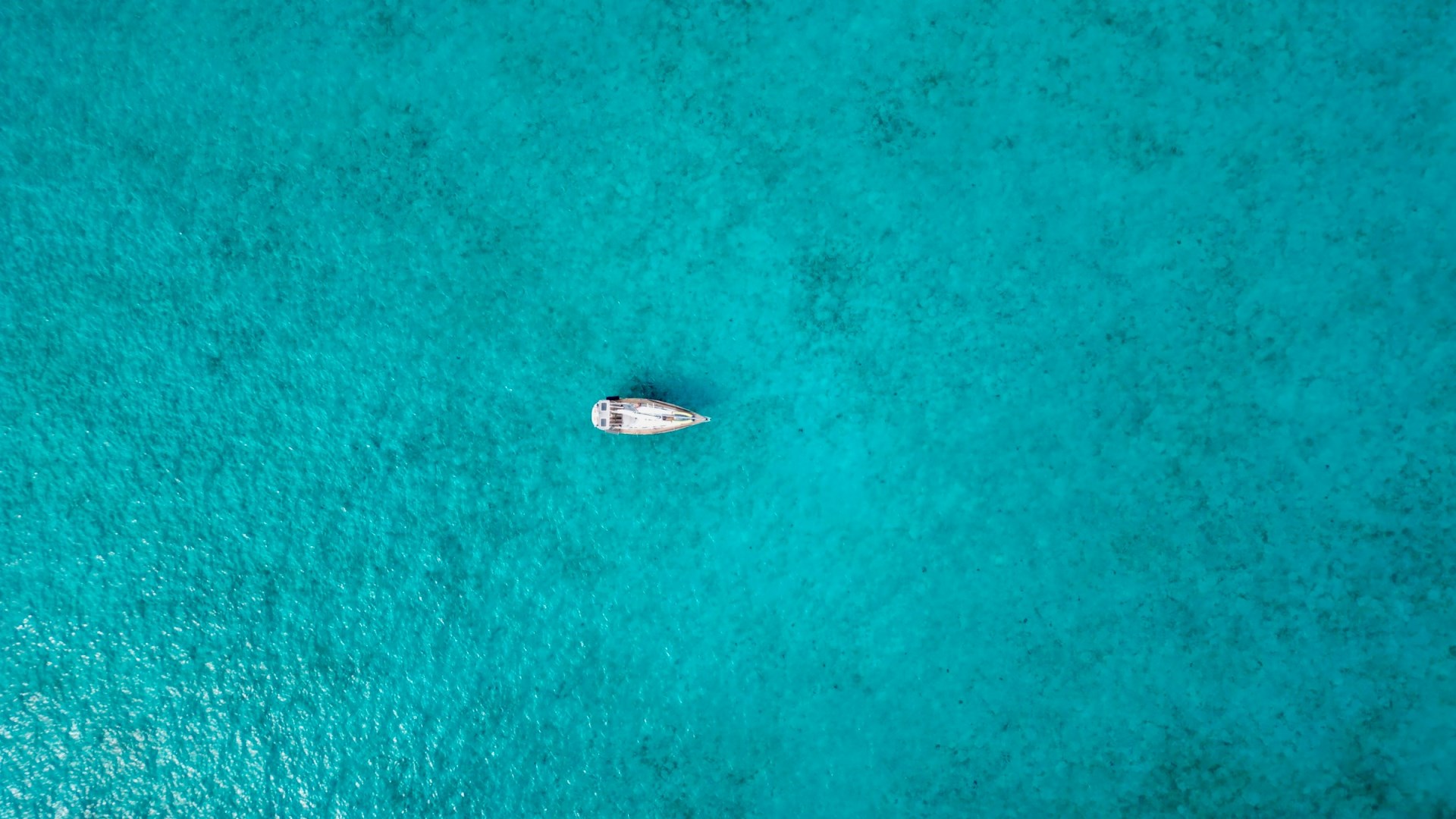
One of the "Out Islands" of the Bahamas, Long Island lies at the eastern reaches of the more than 700 islands and cays that make up thisspectacular archipelago. Located on the Tropic of Cancer, approximately 160 miles southeast of Nassau (a one hour flight), it covers nearly 230 square miles and is 70 miles long by five miles at its widest point.

Ketchikan
A favorite for many cruise-goers and tourists, Ketchikan, Alaska, is a charming city located near the state’s southeastern edge.