Saint Pierre
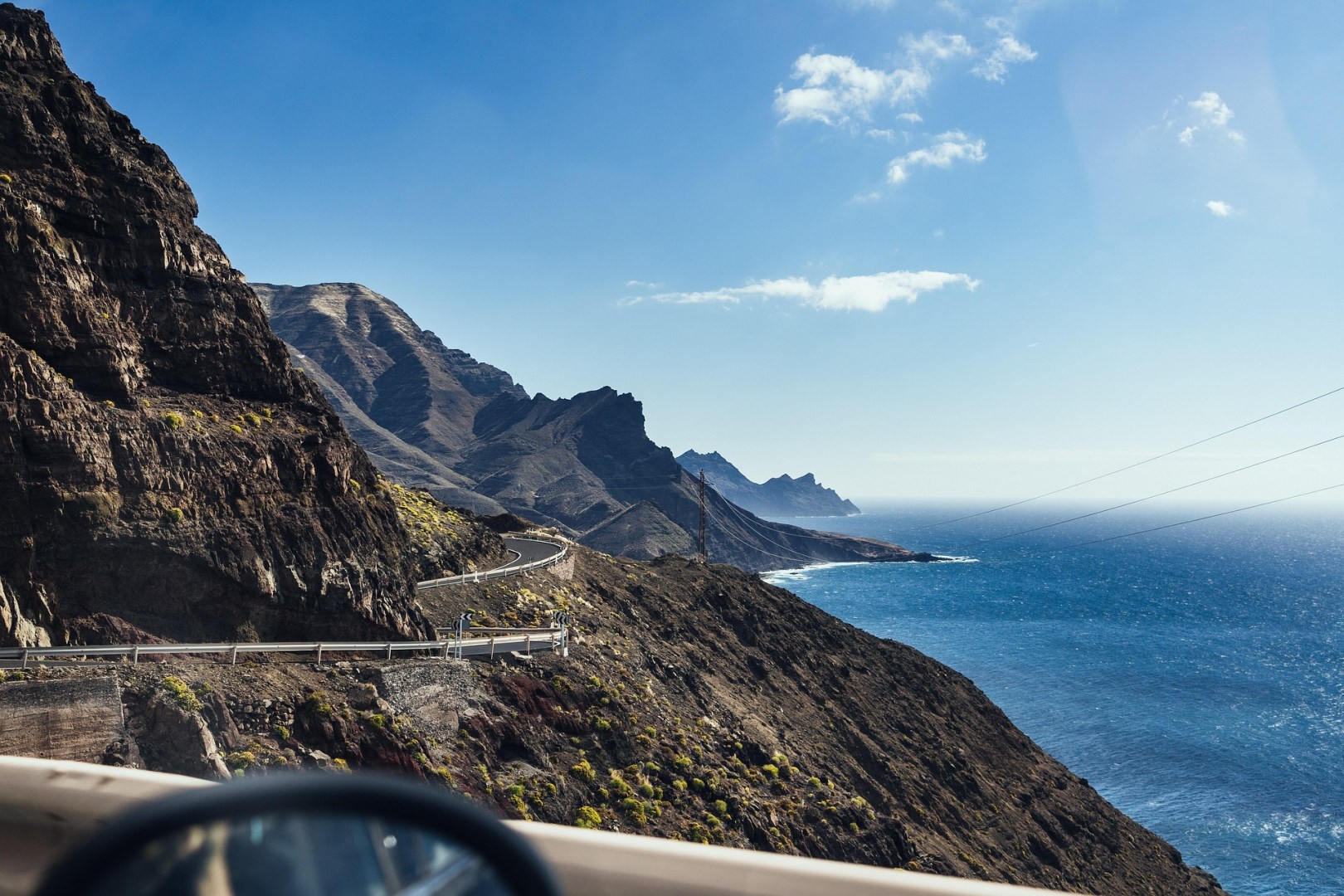
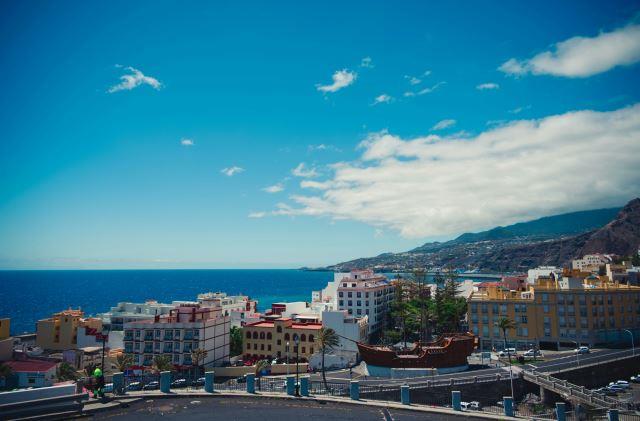
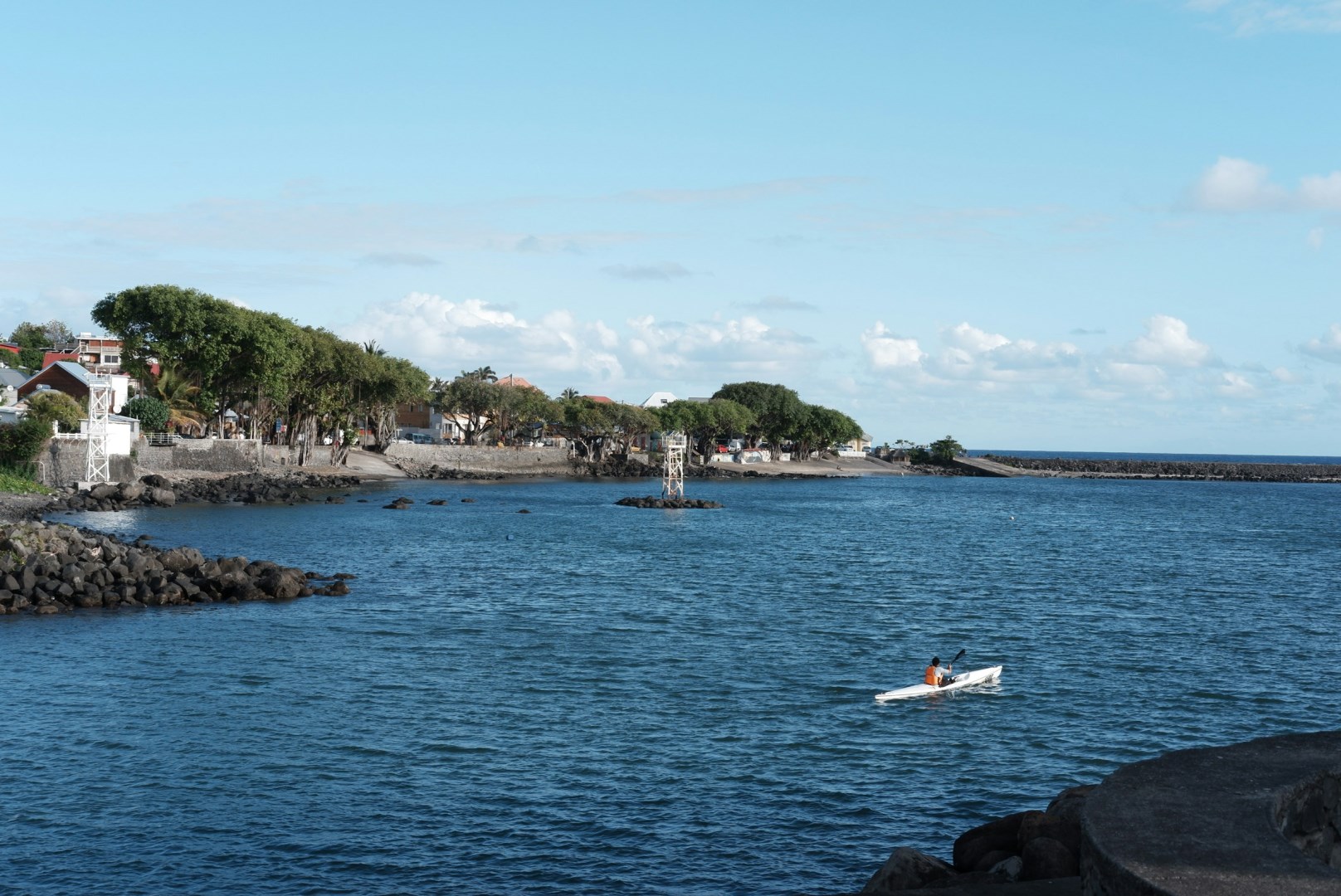
Saint-Pierre, located on the southwestern coast of Réunion Island, is a vibrant port town known for its blend of Creole culture, tropical landscapes, and lively urban life.
Baruunburen
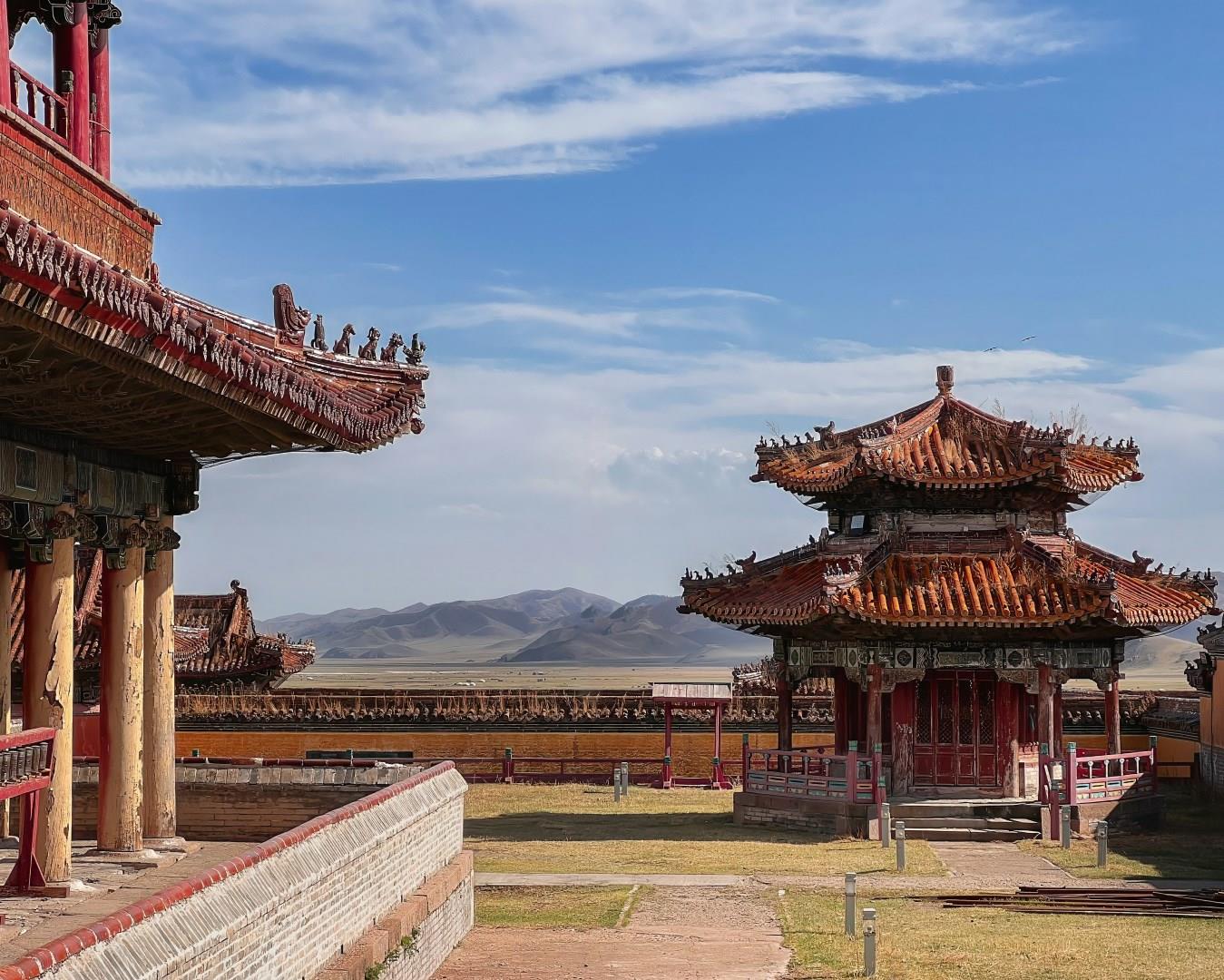
Baruunbüren is a small town in northern Mongolia, set within the forest-steppe landscapes of Selenge Province near the Russian border.

Table Mountain
Table Mountain, the iconic flat-topped mountain overlooking Cape Town, South Africa, is a must-visit destination for nature enthusiasts and adventure seekers. Dominating the skyline, this majestic peak is part of the Table Mountain National Park, a UNESCO World Heritage Site known for its diverse flora and fauna. The mountain is renowned for its panoramic views of Cape Town, the Atlantic Ocean, and the surrounding landscapes.
Campeche
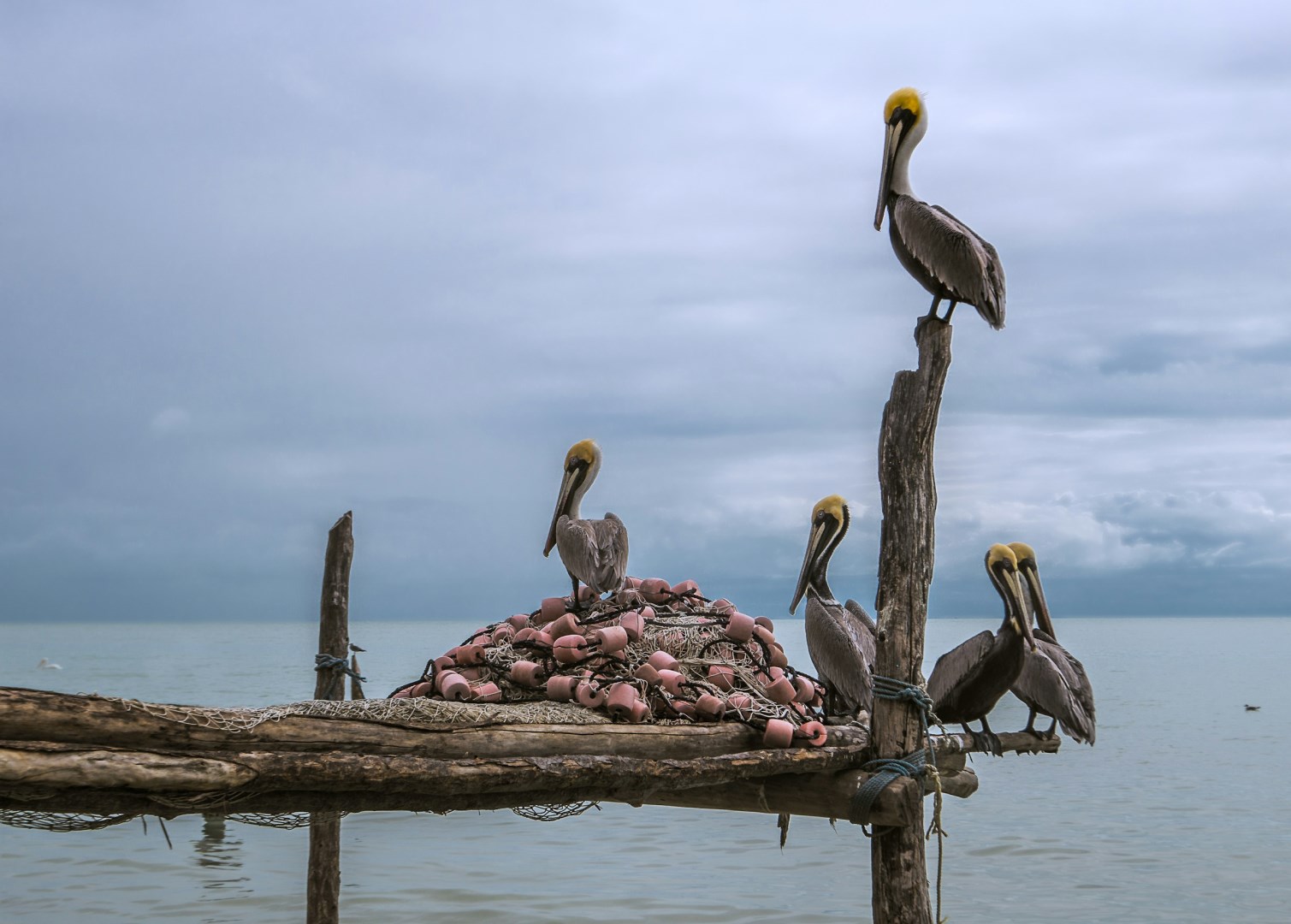
The state of Campeche, located on the western edge of the Yucatán Peninsula, is a hidden gem waiting to be discovered by adventurous travelers. Rich in history, culture, and natural beauty, Campeche offers a unique blend of colonial charm and ancient Maya heritage.

Inverness
Inverness, the cultural capital of the Scottish Highlands, is a city where ancient history meets stunning natural beauty. Situated at the mouth of the River Ness, Inverness is often called the "Gateway to the Highlands" and serves as the perfect starting point for exploring Scotland's rugged landscapes and rich heritage. One of the city’s most iconic landmarks is Inverness Castle, perched on a hill overlooking the River Ness.