

Iowa
Iowa, often overshadowed by its larger neighbors, offers a delightful array of attractions for visitors seeking a blend of natural beauty and cultural experiences. Des Moines, the state capital, is a vibrant hub with something for everyone. The Pappajohn Sculpture Park showcases large-scale works by renowned artists, set against the backdrop of downtown’s skyline. Nearby, the Science Center of Iowa engages visitors with interactive exhibits and an impressive IMAX theater.

Angkor Wat
Angkor Wat, located near Siem Reap in Cambodia, is a mesmerizing testament to the grandeur of the Khmer Empire and one of the world's most remarkable archaeological sites. Built in the early 12th century by King Suryavarman II, Angkor Wat was originally dedicated to the Hindu god Vishnu but later became a Buddhist temple.
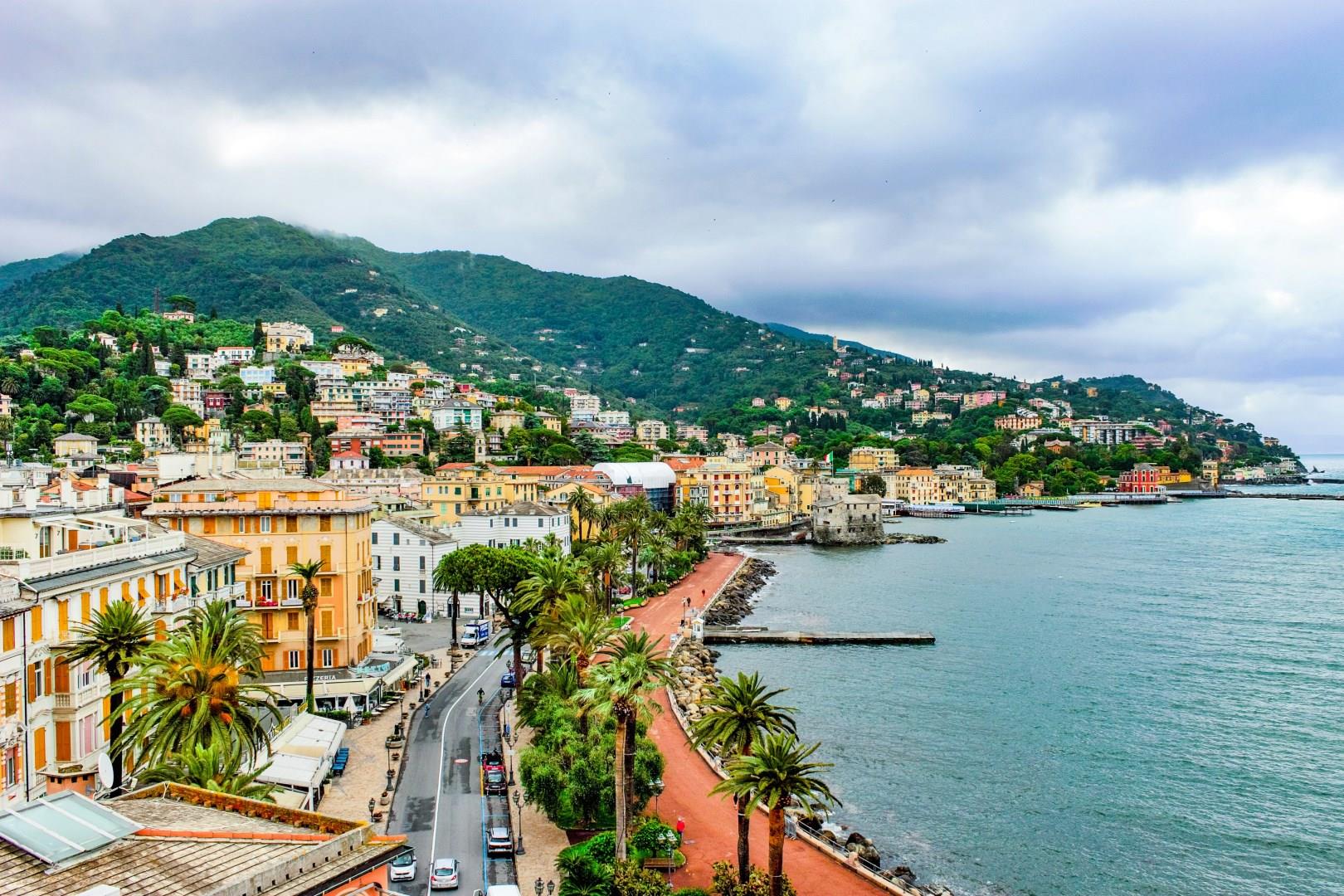
Rapallo
Rapallo, set along Italy’s Ligurian coast between Portofino and Chiavari, is a seaside town that combines history, elegance, and Riviera charm.

Lifou
Lifou Island, the most populous of the Loyalty Islands in New Caledonia, is a flat, former coral atoll with abundant vegetation and surrounded by secluded coral reefs which many say offer some of the best snorkeling in the world.
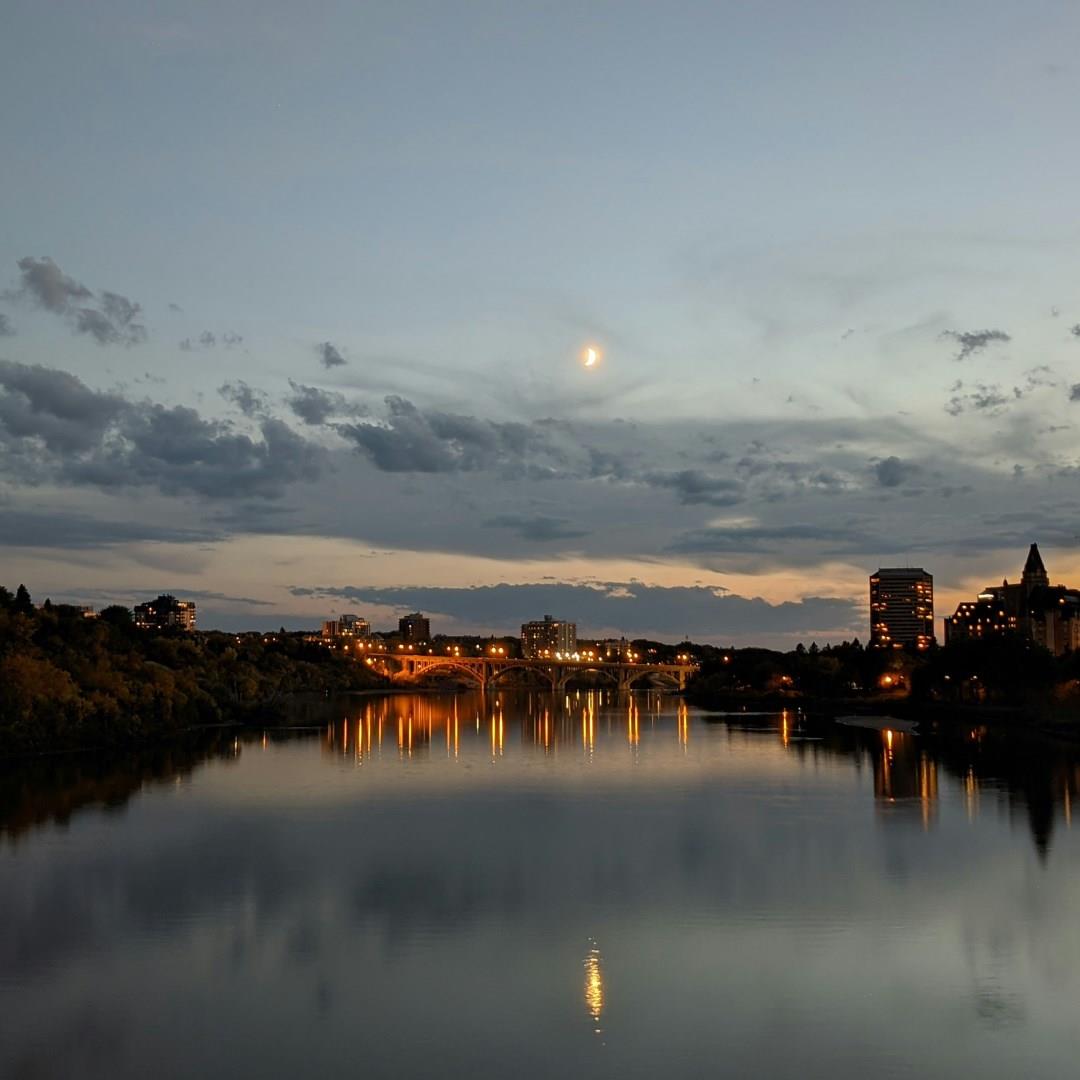
Saskatoon
Saskatoon, set along the South Saskatchewan River in central Canada, is a city where prairie heritage meets a growing cultural scene. Known as the “City of Bridges” for the many spans that cross its winding river, Saskatoon combines natural charm with urban vibrancy.


