New Castle
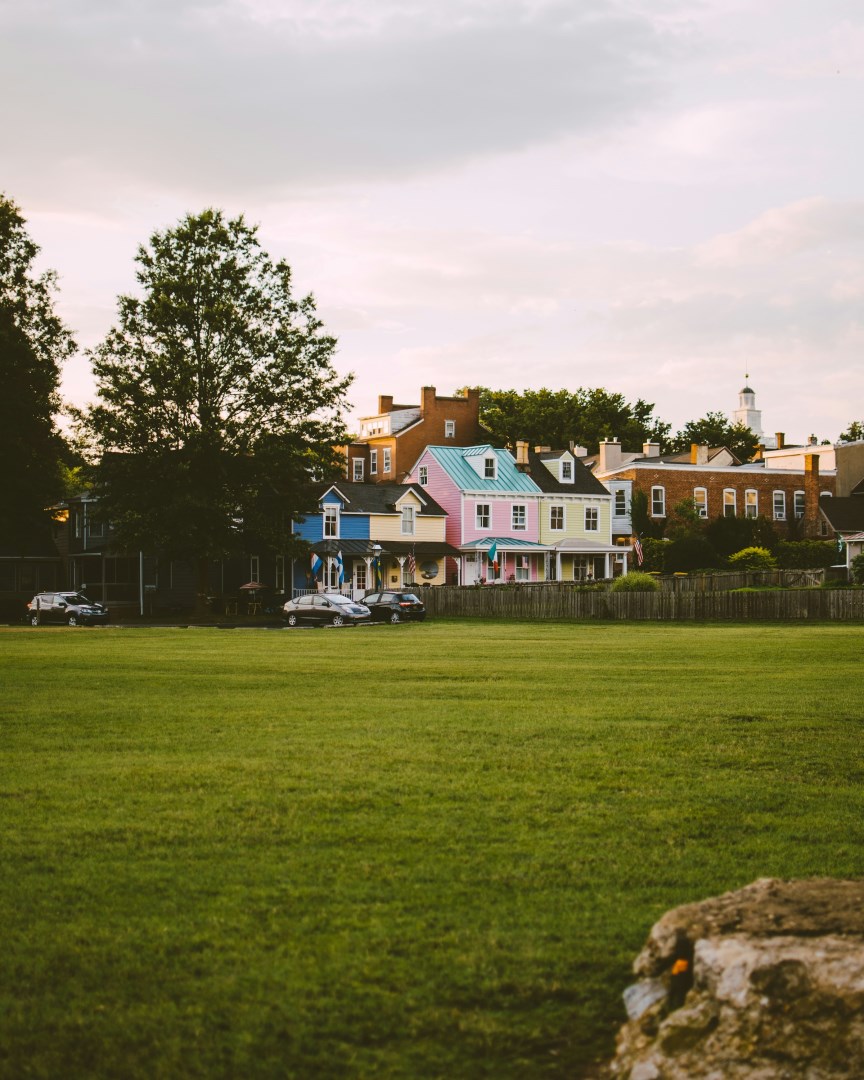
New Castle, Delaware, is a hidden gem for history lovers and anyone seeking a picturesque, colonial-era experience along the Delaware River. Founded in 1651 by the Dutch, New Castle boasts an impressive collection of well-preserved 17th and 18th-century buildings that tell the story of early American history.
Sarapiquí
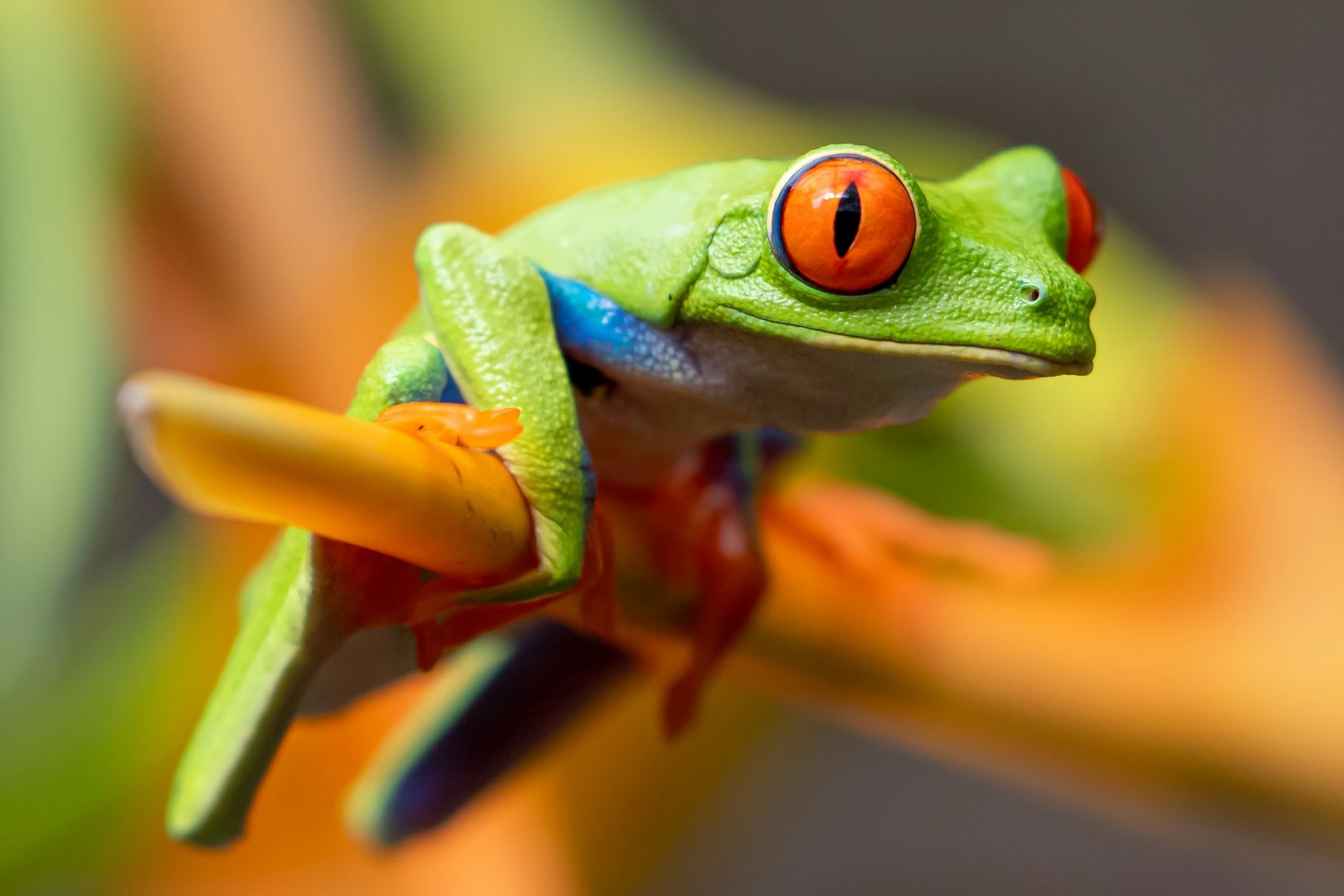
Sarapiquí is a rural region in northeastern Costa Rica, known for its network of rivers, rainforest reserves, and agricultural landscapes. Centered around Puerto Viejo de Sarapiquí, the area serves as a gateway to the Caribbean lowlands while remaining distinct from coastal destinations.
Corsica
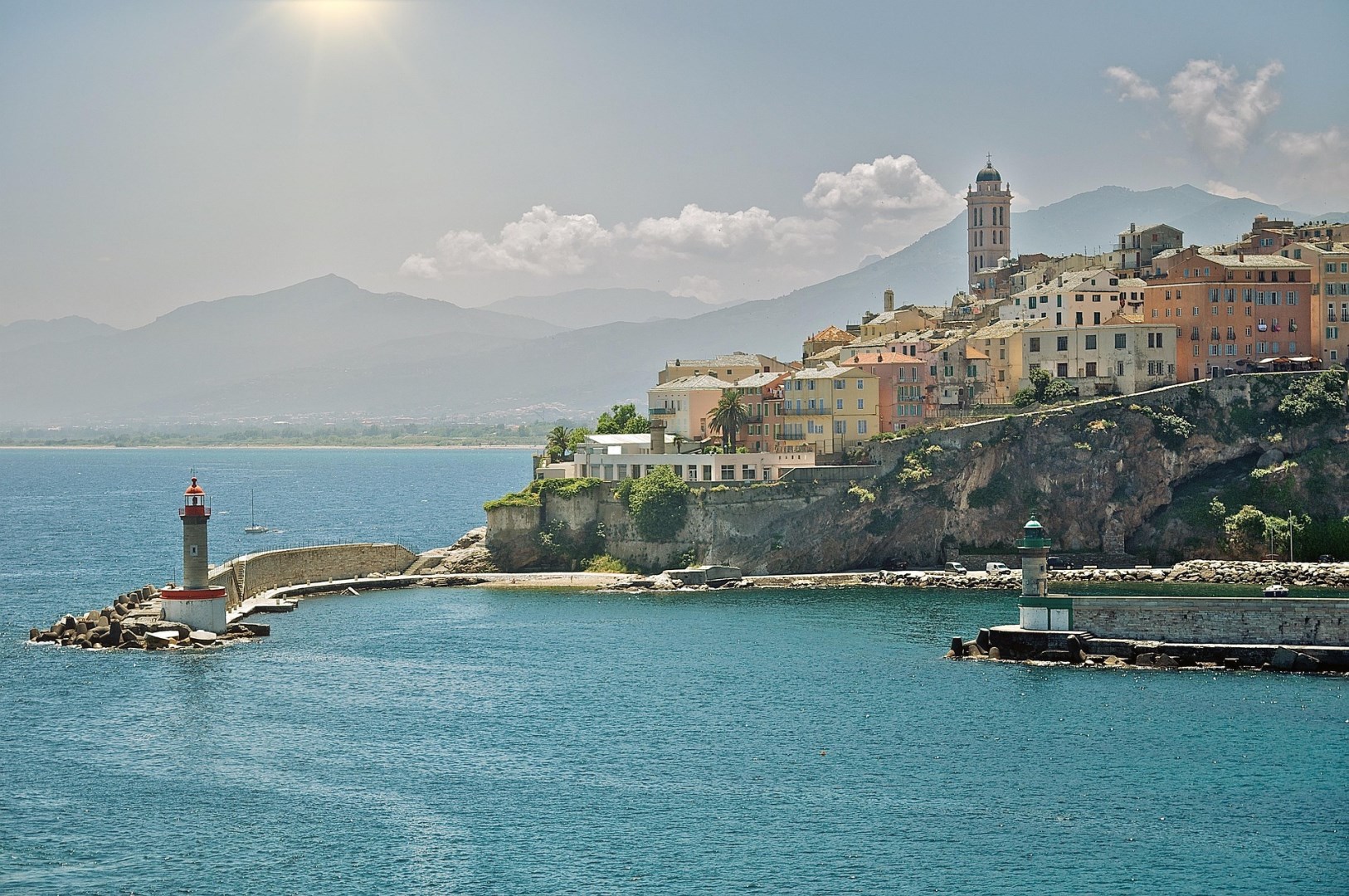
Corsica is a Mediterranean island and territorial collectivity of France known for a landscape that changes quickly from rocky coastlines to forested mountains and inland valleys. Its main towns include Ajaccio, Bastia, Bonifacio, Calvi, and Porto-Vecchio, while smaller villages are scattered through the interior. The island’s geography gives it a strong regional identity, with the sea, mountains, and maquis scrubland shaping both settlement and daily life.
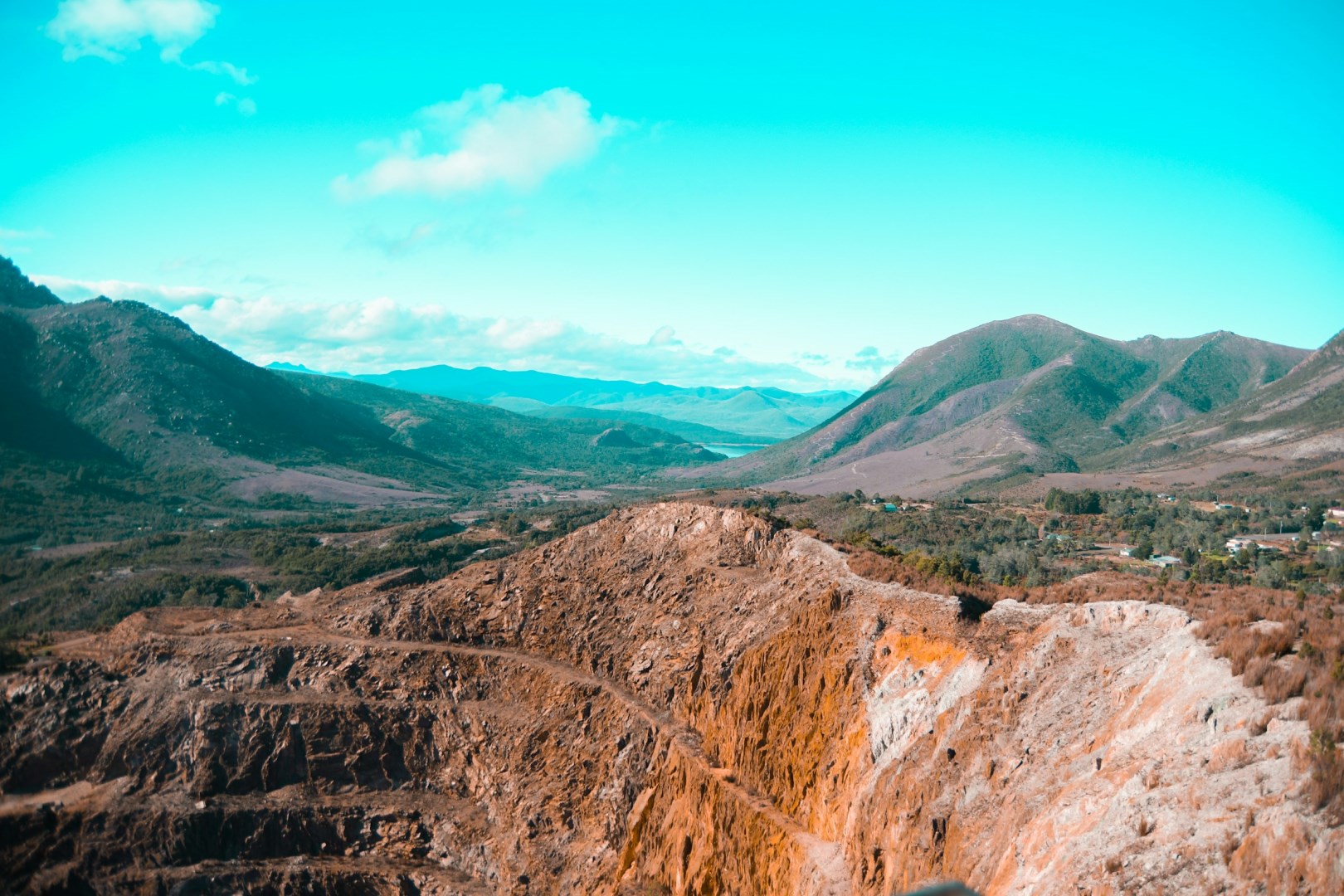
Queenstown Tasmania
Queenstown started off as a major gold mining area, based around the Queen River Valley. This then developed into a profitable copper mining area, which was still running until 1969. There are a variety of things to do in Queenstown, and it is a good base from which to explore western Tasmania.
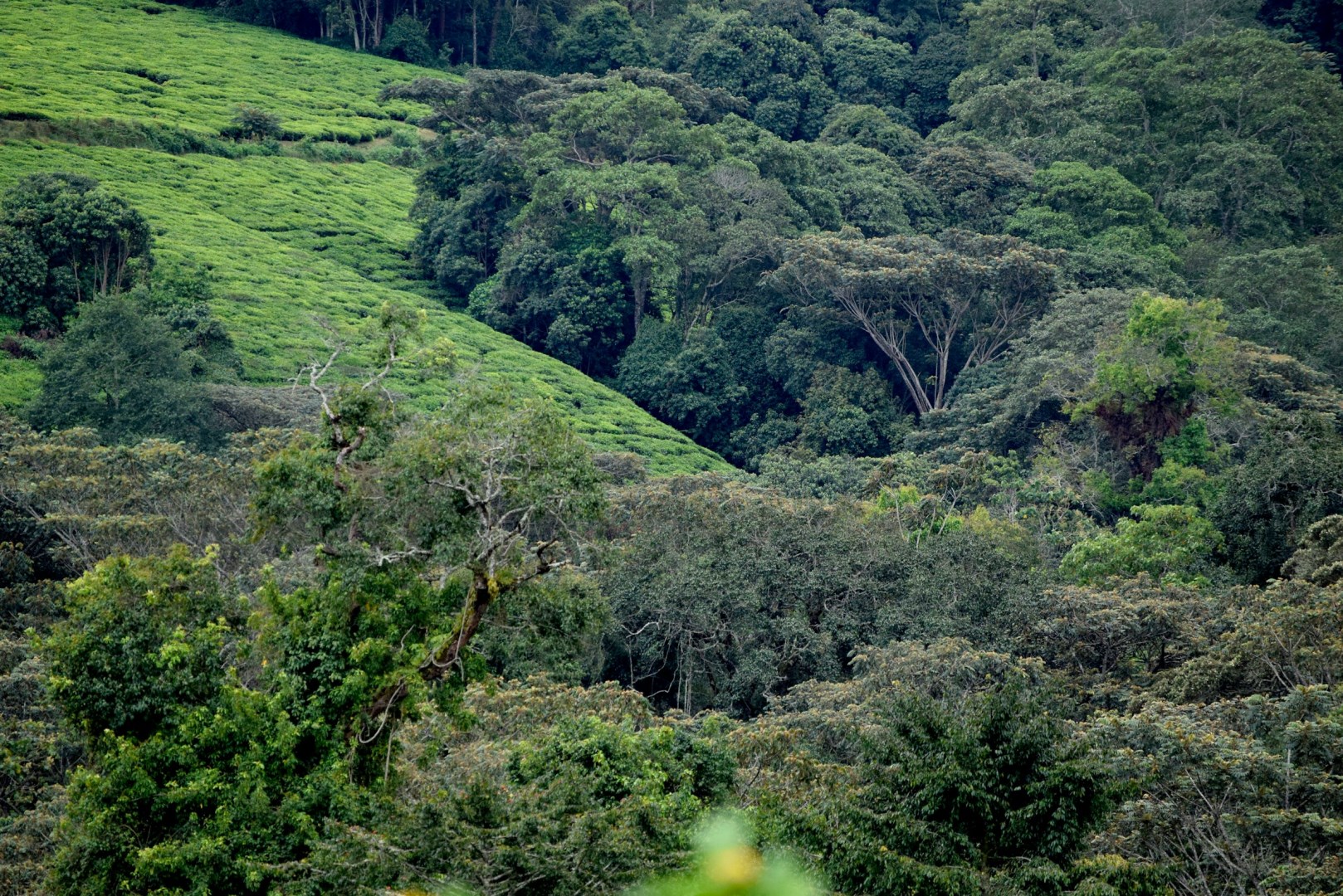
Kibira National Park
Kibira National Park is a large montane rainforest in northwestern Burundi, extending along the Congo-Nile Divide near the border with Rwanda. The park covers about 40,000 hectares and rises from roughly 1,500 to 2,660 metres, creating a cool, misty environment of dense forest, bamboo, streams, and mountain ridges