Pennsylvania
Pennsylvania offers more than just a glimpse into American history, it invites travelers to walk through it. In Philadelphia, the Liberty Bell still draws visitors from around the world, while Independence Hall, a UNESCO World Heritage Site, is where both the Declaration of Independence and the U.S. Constitution were debated and signed. Just a short walk away, modern museums like the National Constitution Center offer hands-on exhibits that connect the past to today’s civic questions.
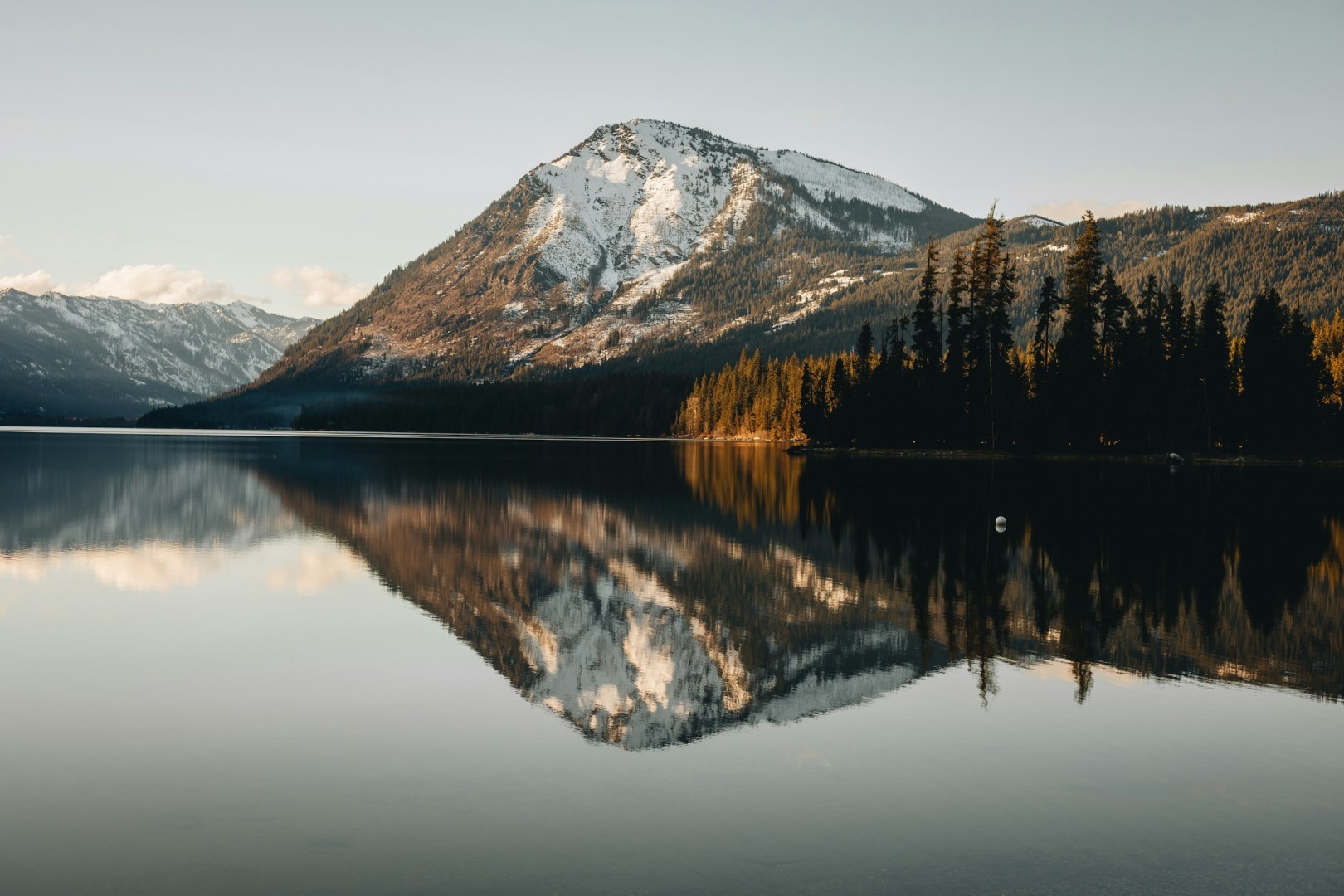
Wenatchee
Our mountains are high with lush forest and pristine alpine lakes hidden from the too casual viewer. Wildlife abound along the rippling streams that feed the wild waters of the Wenatchee River, finally merging with the mighty Columbia. King salmon fighting to return to their birthplace can be viewed from the Rocky Reach Dam. Nature is at its unspoiled best

Puntarenas
Stretching along Costa Rica’s Pacific coast, Puntarenas offers more than just sandy shores. This historic port town once served as the country’s main gateway for coffee exports in the 19th century. Today, visitors can stroll along streets that echo stories of maritime trade and explore how Puntarenas helped shape Costa Rica's economic identity.
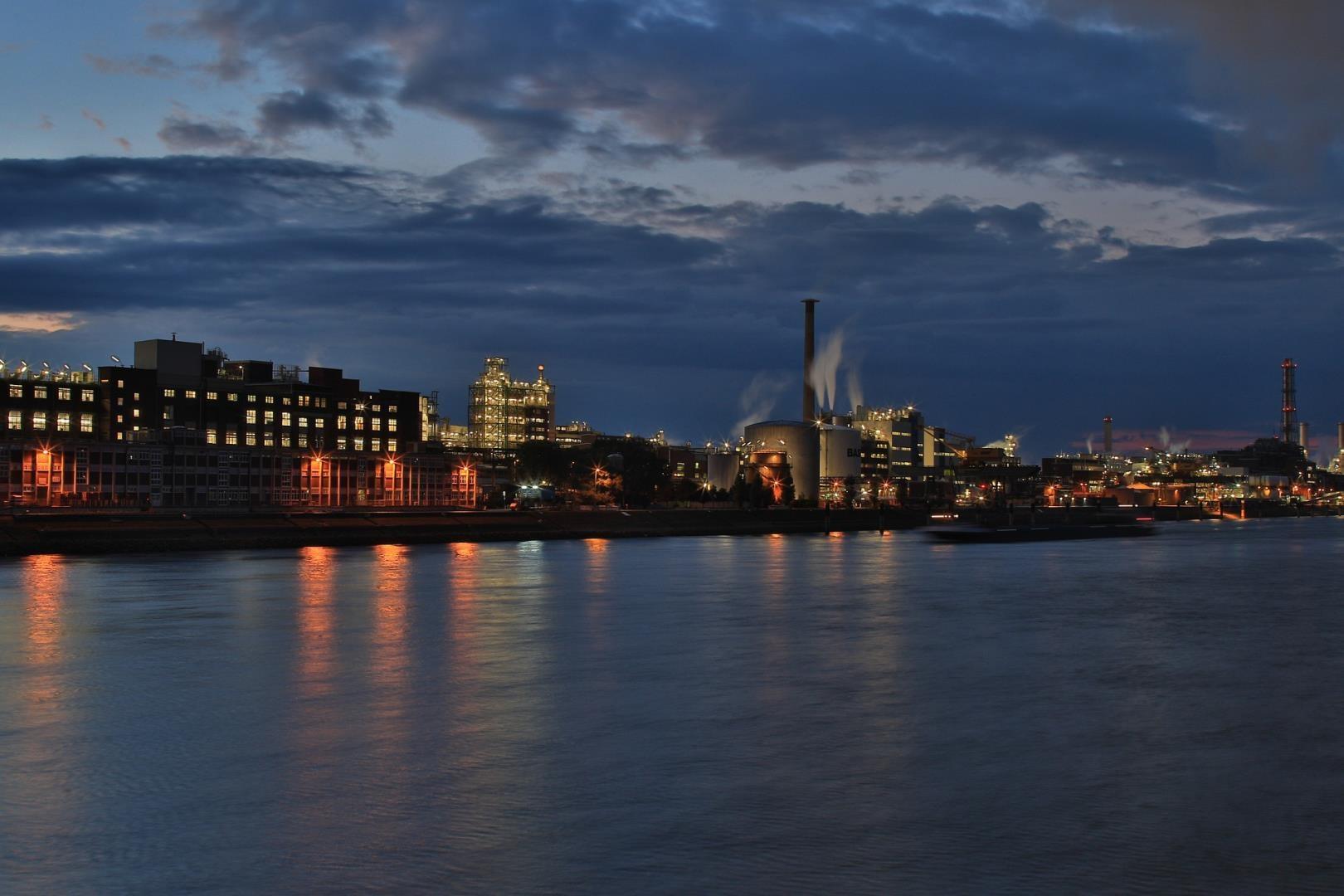
Ludwigshafen
Ludwigshafen am Rhein is an industrial city in southwestern Germany, located on the western bank of the Rhine River opposite Mannheim.
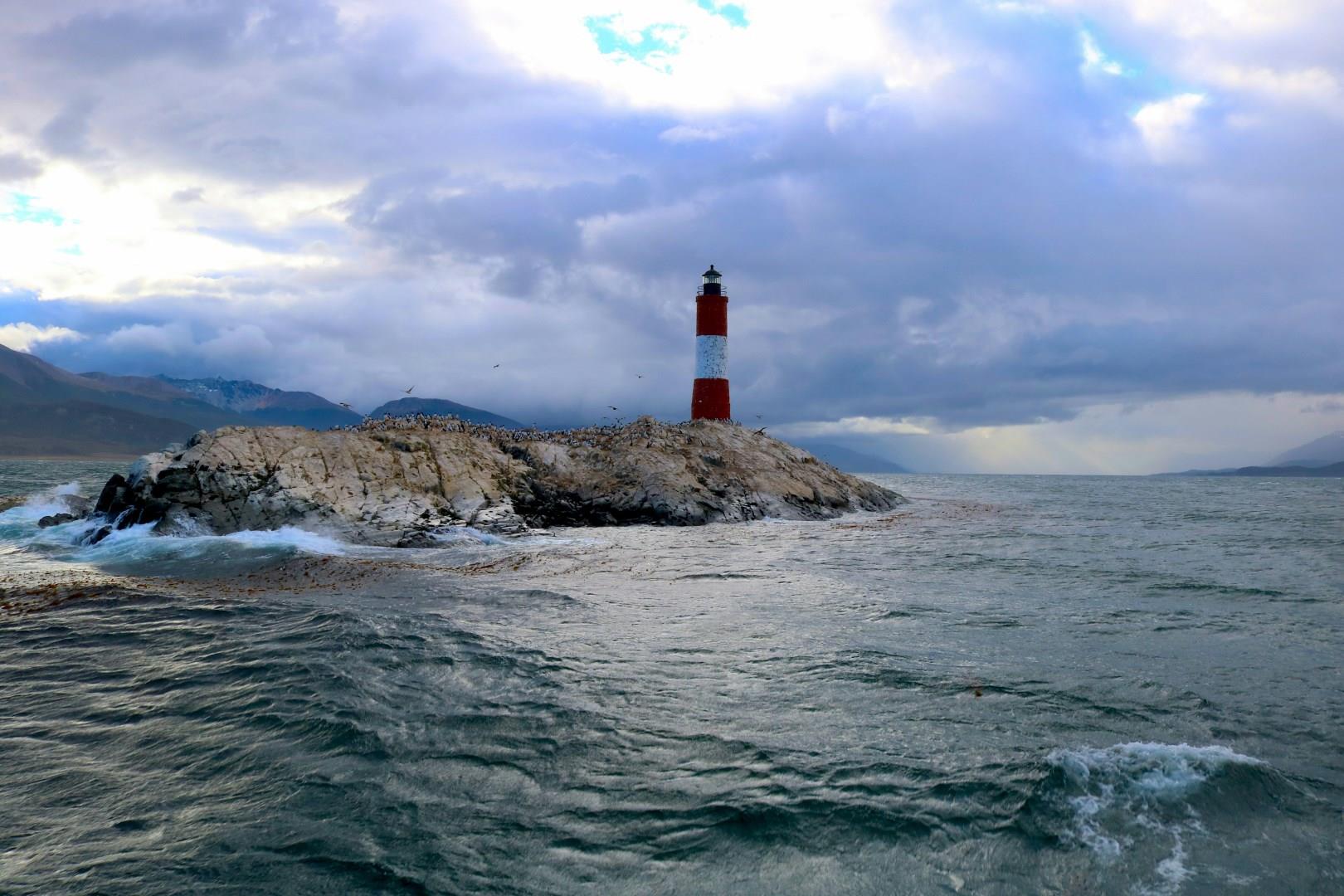
The Beagle Channel
The Beagle Channel, at the southern tip of South America, stretches between Chile and Argentina and offers one of the most striking maritime landscapes in the world. This narrow passage, framed by snow-covered peaks and rocky islands, connects the Atlantic and Pacific Oceans. Its waters are calm compared to the open sea, which has made it a historic navigation route for explorers and sailors for centuries.