Penzance
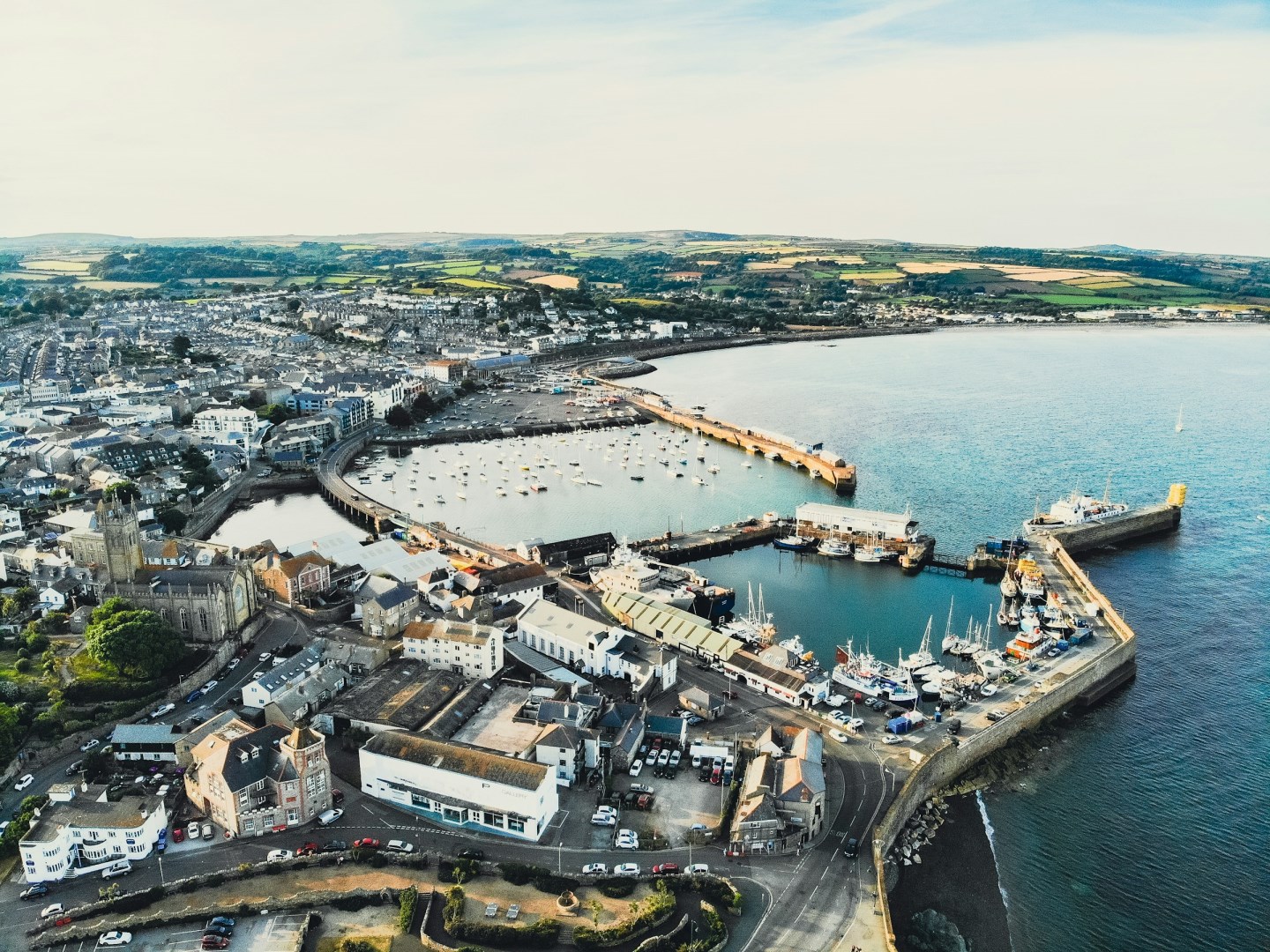
This fishing port in southwestern England's county of Cornwall rests along the sheltered Mount's Bay and is blessed with a mild climate year-round, as evidenced by the subtropical plants in Morrab gardens. Near Penzance is the town of St.Ives, a quaint place with a reputation as an artist's colony.

Puerto Plata
Puerto Plata, located on the Dominican Republic's northern coast, is the perfect tropical getaway for your next trip to the Caribbean! From Acapulco Beach to Playa Dorada, sandy beaches and warm turquoise waves are the highlight of this sunny destination.

Arles
Nestled between two nature parks and the Rhône River, picturesque Arles will absolutely delight any traveler to the south of France. Situated near Marseille in the Provence-Alpes-Côte d’Azur region, Arles boasts small town charm and its architectural treasures have been heavily influenced by the city’s role as an ancient Roman capital.

Kolkata
Kolkata, often referred to as the "City of Joy," is a mesmerizing blend of rich history, culture, and artistic heritage that makes it a must-visit destination for any traveler to India. Once the capital of British India, Kolkata retains much of its colonial-era charm with iconic landmarks like the Victoria Memorial, a stunning marble building surrounded by lush gardens, which now serves as a museum showcasing the city’s colonial and Indian history.
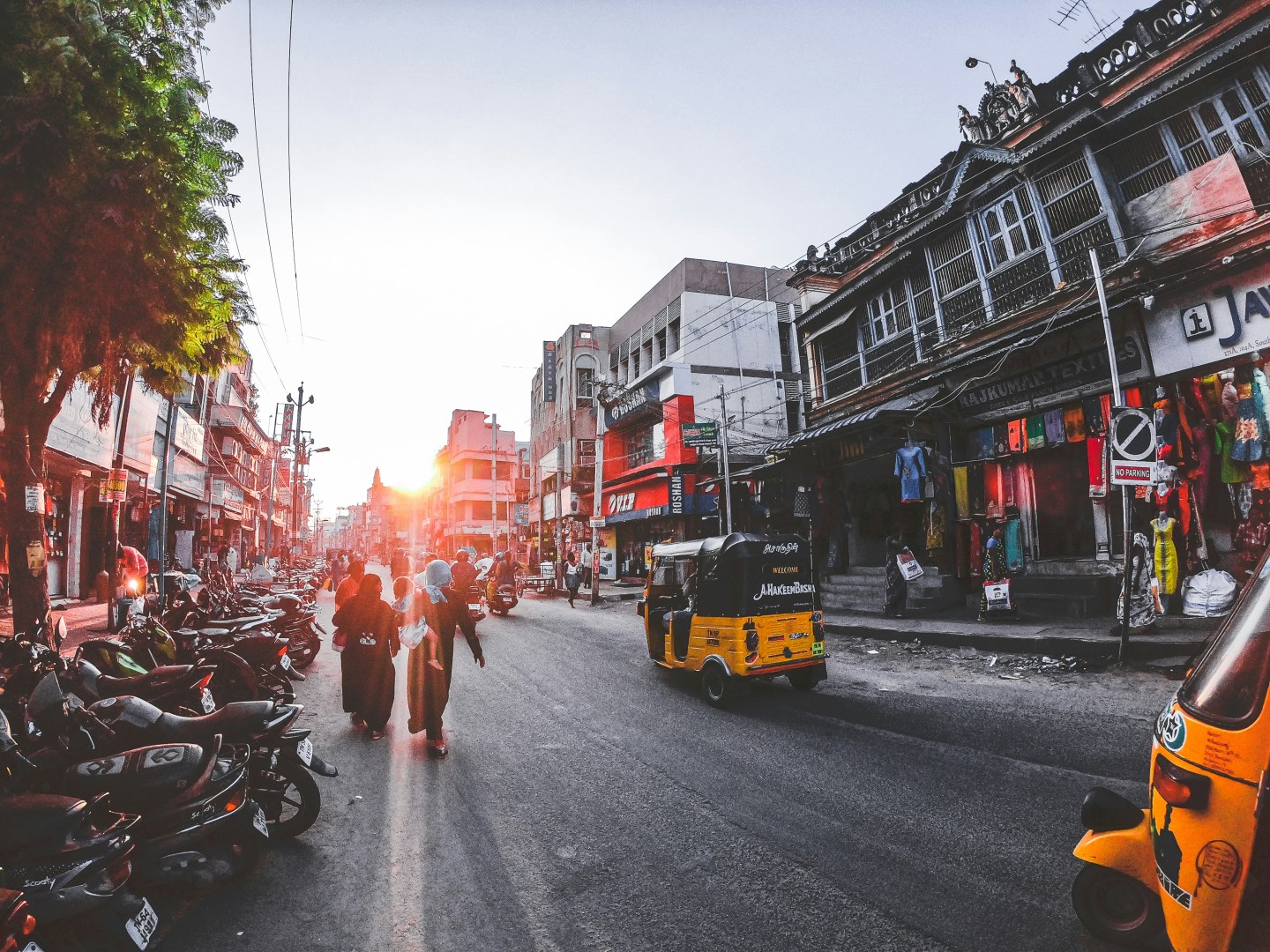
Madurai
Madurai is a major city in the southern Indian state of Tamil Nadu, known for its long-standing role as a center of religion, trade, and learning. Set along the Vaigai River, it has grown into a busy urban area while retaining a strong connection to its temple-centered layout.