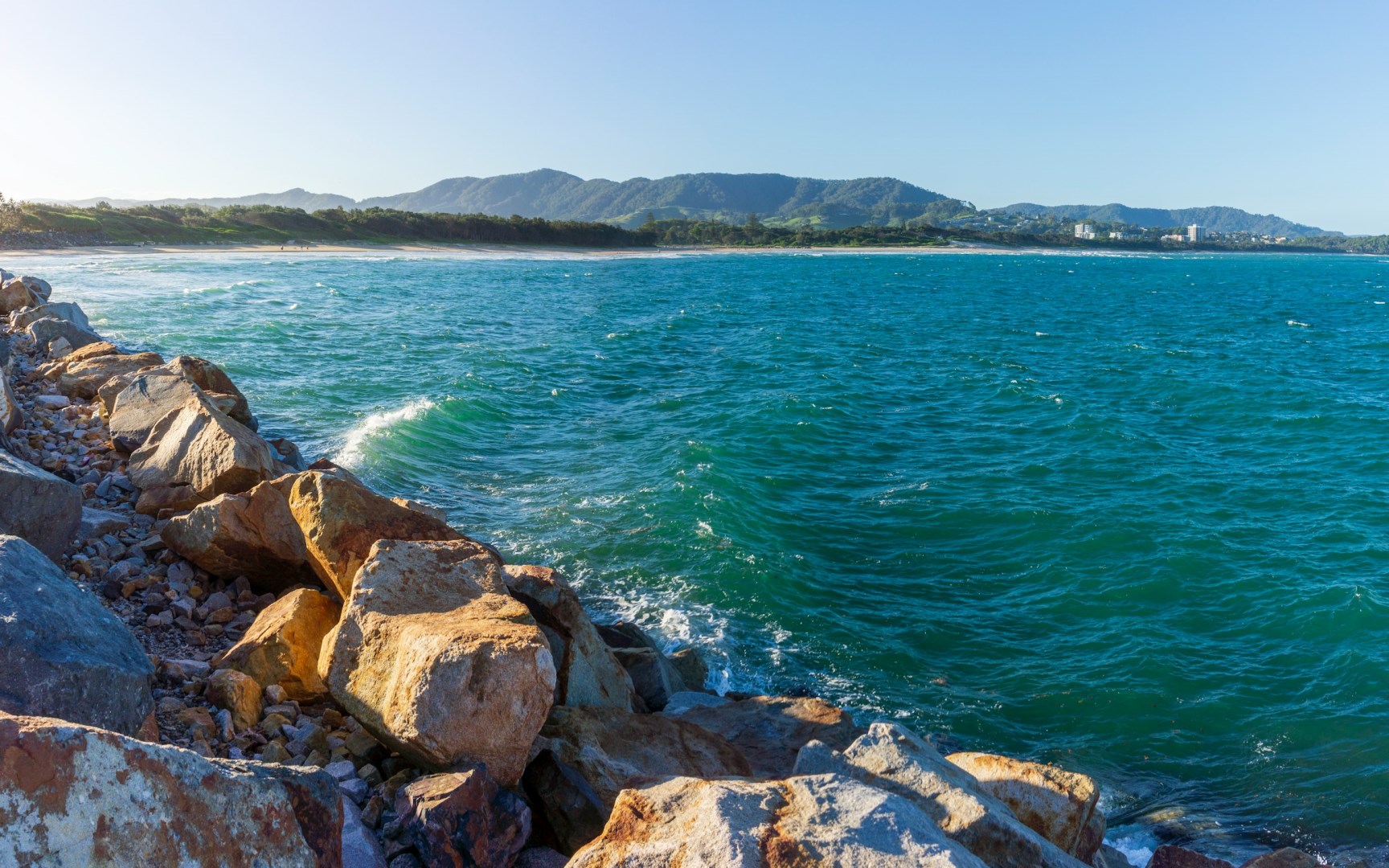
Coffs Harbour
With it's natural beauty, lifestyle and modern facilities, the City of Coffs Harbour offers the most pleasant and comfortable living conditions in Australia.
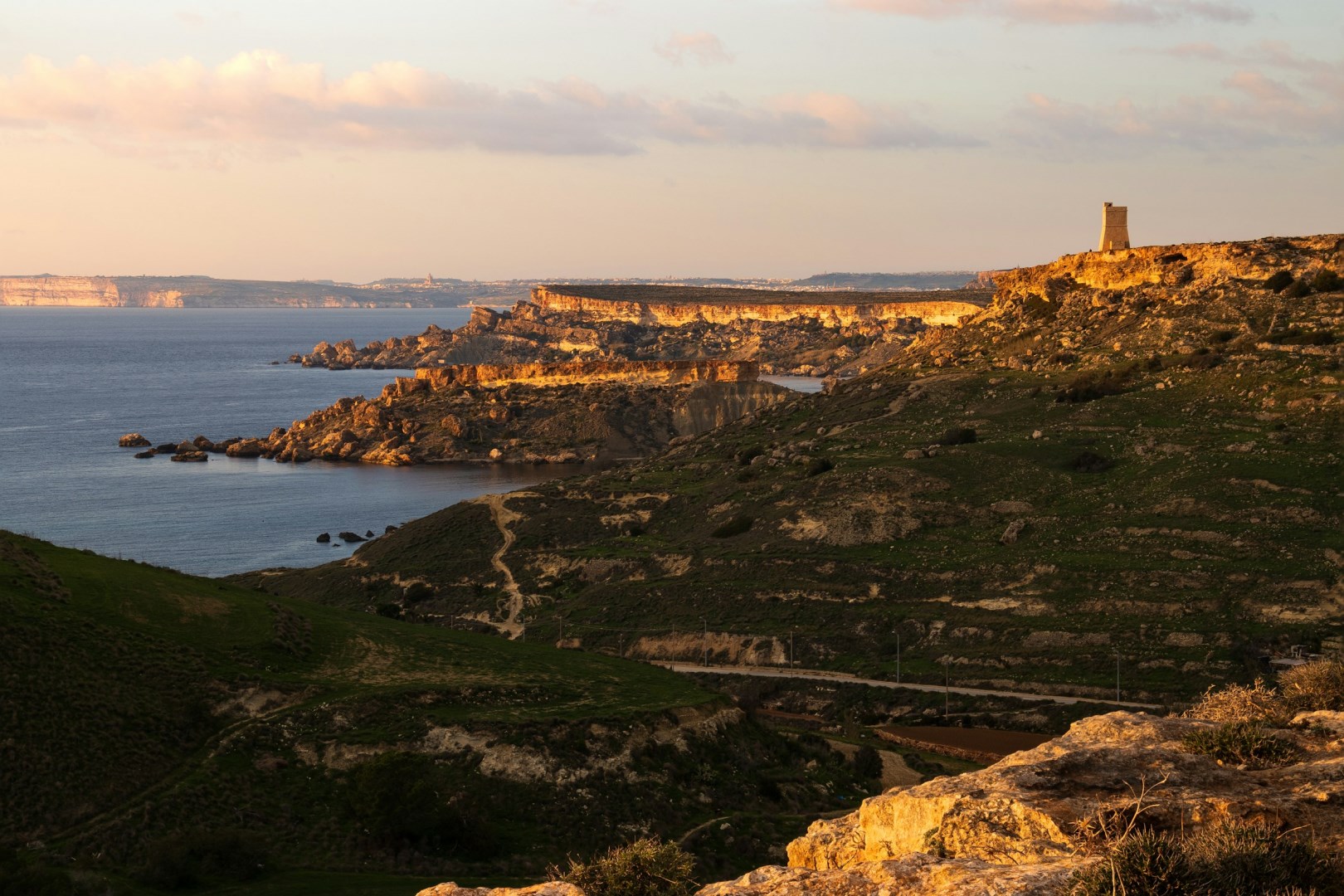
Mġarr
Mgarr is a rural village in northwestern Malta, surrounded by some of the island’s most extensive areas of farmland and open countryside. Its name is associated with a sheltered place or landing area, reflecting Malta’s long relationship with agriculture and rural settlement. The village is centered on the large parish church of the Assumption of the Virgin Mary, whose distinctive dome dominates the surrounding landscape.

Las Vegas
Las Vegas, Nevada, is an electrifying city where glitz and glamour meet entertainment and excitement. Known as "The Entertainment Capital of the World," Las Vegas offers an unparalleled array of attractions, from its iconic casinos and luxurious hotels to its world-class dining and live shows. The city's entertainment scene is second to none, featuring legendary headliners, cutting-edge performances, and an array of themed attractions.
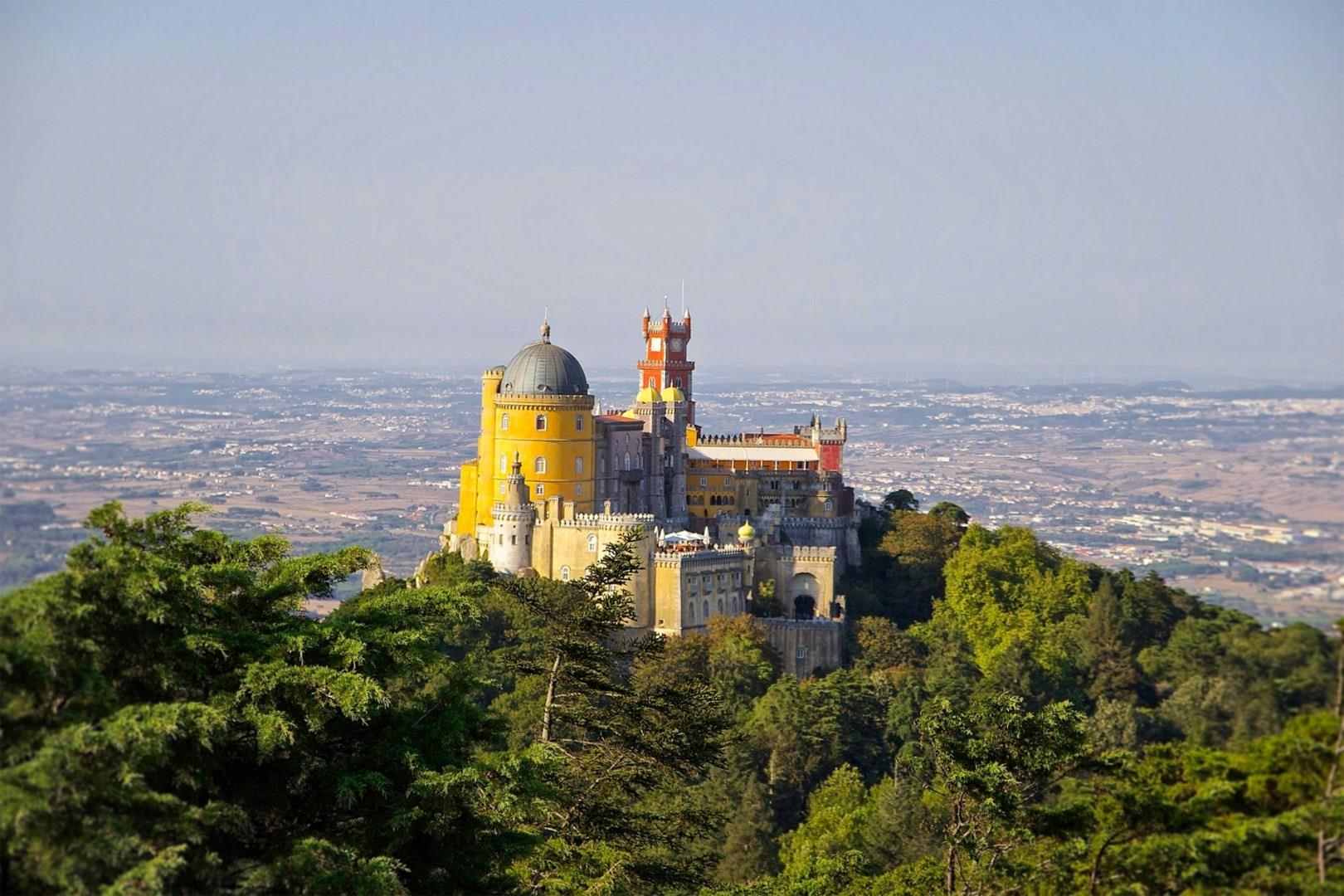
Sintra
Sintra, located just 40 minutes from Lisbon, feels like a world apart. Tucked into the hills of the Serra de Sintra, this town has drawn kings, poets, and explorers for centuries. It was once the summer retreat of Portuguese royalty, who left behind palaces and gardens that seem pulled from a storybook. The most famous, Palácio da Pena, is perched high above the town with bold red and yellow towers that blend Romanticism with Moorish and Gothic styles.
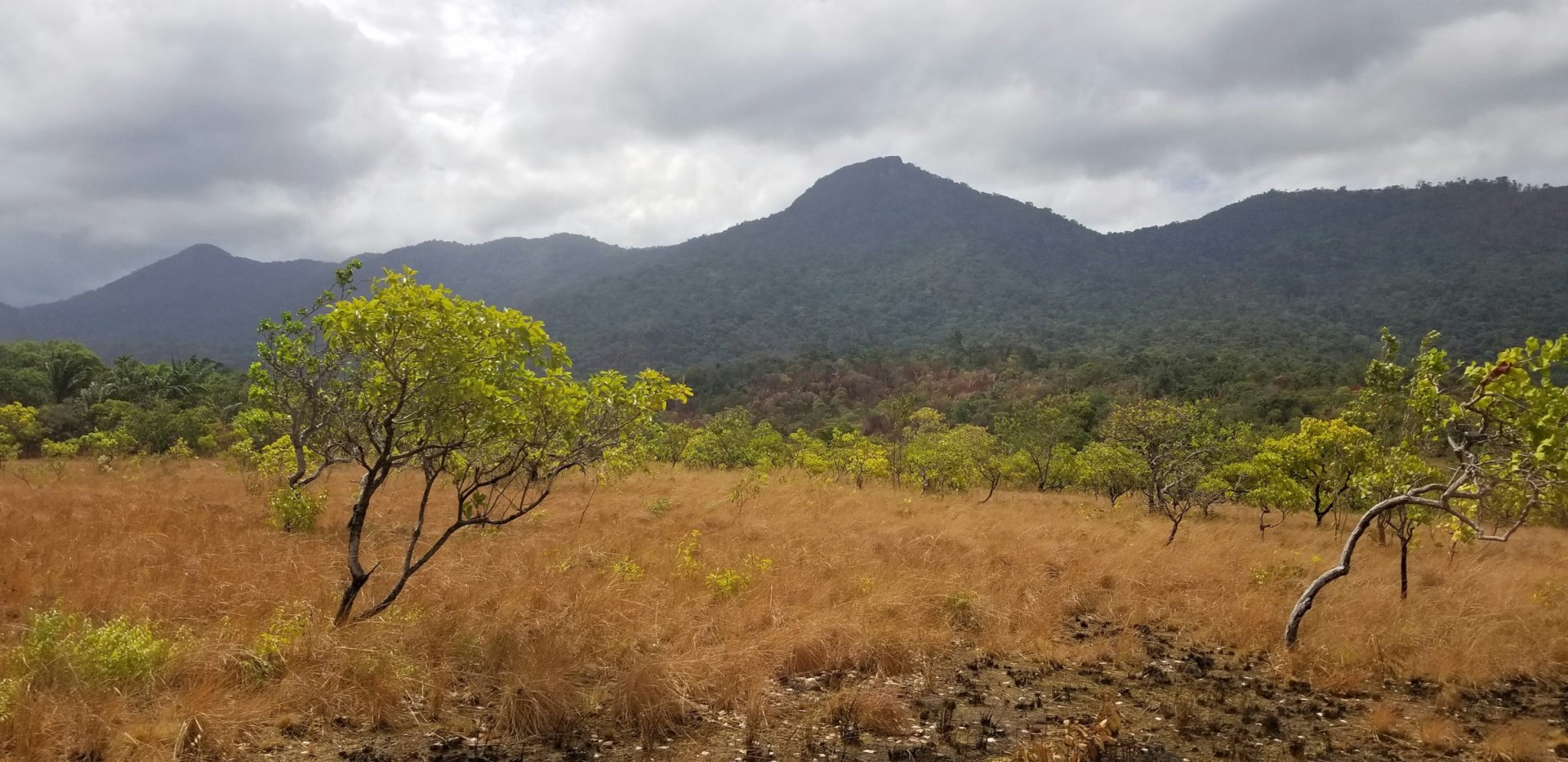
Guyana
Guyana, perched on South America’s northern coast, is often overlooked by mass tourism, but those who venture here quickly discover a country defined by its wild landscapes and strong cultural identity. As the only English-speaking country on the continent, it offers travelers a smoother entry into South America while maintaining a distinct Caribbean rhythm.